Bâtiment des Forces Motrices: Geneva's Reclaimed Powerhouse
Experience world-class performances in a repurposed 19th-century power plant on the Rhône River, where industrial history meets contemporary culture in the heart of Geneva.
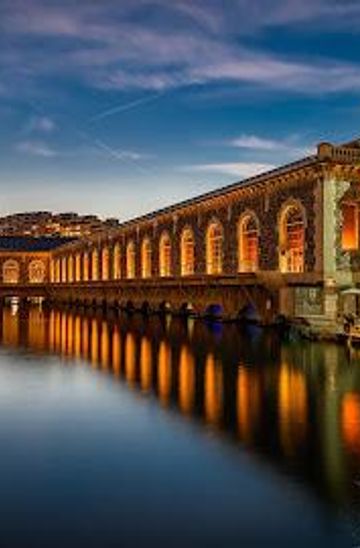
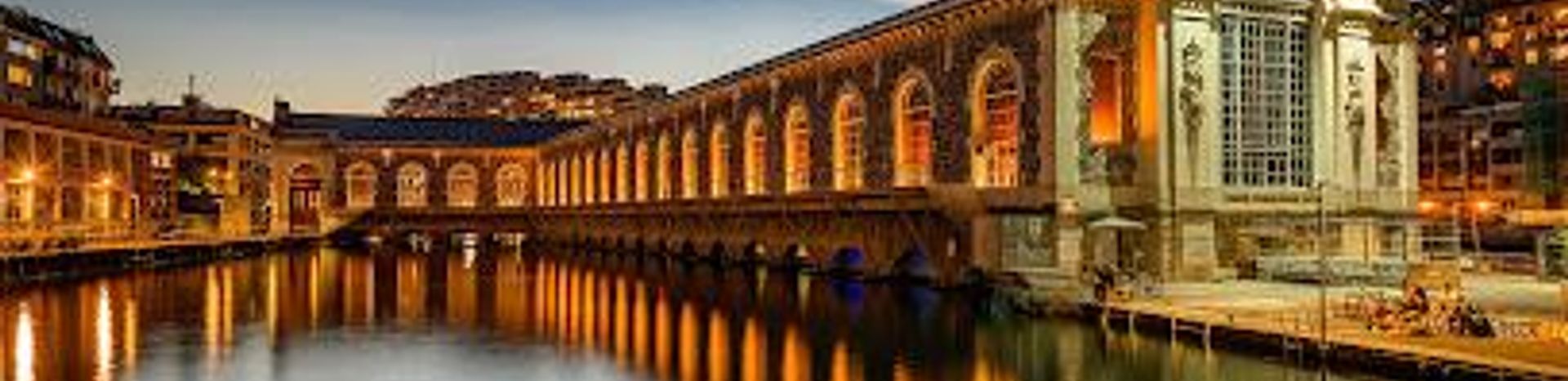
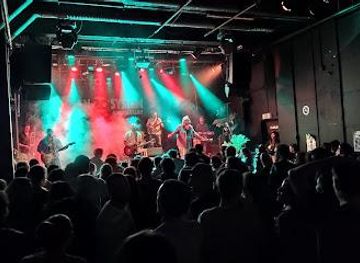
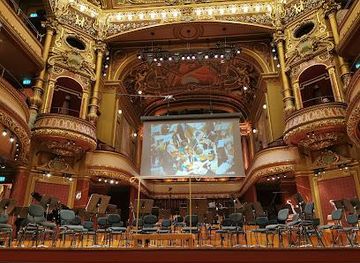
The Bâtiment des Forces Motrices (BFM) in Geneva is a stunning example of industrial repurposing. Originally built in the late 19th century as a hydraulic power plant harnessing the Rhône River, it now serves as a vibrant performance venue. Its location in the middle of the river adds to its unique appeal, offering a distinctive cultural experience. The BFM hosts a diverse range of events, from opera and classical music to theatre and dance, attracting both locals and tourists. Its striking architecture, blending industrial design with artistic elements, makes it a landmark worth visiting. The building stands as a testament to Geneva's commitment to preserving its heritage while embracing contemporary arts and culture. With its rich history and dynamic program, the BFM offers a memorable experience for anyone seeking cultural enrichment in an exceptional setting. The BFM is accessible to people with reduced mobility.
A brief summary to Bâtiment des Forces Motrices
- Pl. des Volontaires 2, Geneva, 1204, CH
- Click to display
- Click to display

Know before you go
Hi, I'm Eve. Here are a few practical things to know before exploring Bâtiment des Forces Motrices.
- Check the BFM's event calendar in advance, as performances often sell out quickly, especially for popular operas and concerts.
- Arrive early to explore the building's architecture and historical features, including the preserved original pumps from its days as a power plant.
- Consider taking a stroll along the Rhône River after the performance to enjoy the scenic views of Geneva's skyline.
- Utilize public transportation to reach the BFM, as parking in the immediate vicinity can be limited, especially during peak event times.
- If you have reduced mobility, be sure to contact the BFM in advance to arrange for accessible seating and assistance with navigating the building's multiple levels.
Do you manage this location?
Take control to get all the benefits, like improved information, better appearance, and stronger visibility across AI-powered discovery. Learn more
Activate your presence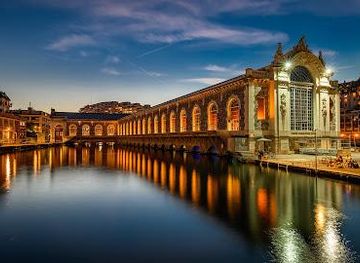
Getting There
-
Public Transport
Several tram and bus lines provide convenient access to the Bâtiment des Forces Motrices. From Geneva's main train station, Cornavin, take tram line 15 or 18 to the 'Stand' stop, which is a short walk from the BFM. Alternatively, tram lines 12, 14, and 18 stop at 'Bel-Air', also within easy walking distance. Bus line 1 also stops at 'Stand'. A single ticket for public transport in Geneva costs CHF 3.00.
-
Taxi/Ride-Share
Taxis and ride-sharing services are readily available throughout Geneva. A taxi ride from Cornavin train station to the Bâtiment des Forces Motrices typically costs between CHF 15 and CHF 25, depending on traffic and the specific route. Ride-sharing services like Uber may offer slightly lower fares.
-
Walking
The Bâtiment des Forces Motrices is easily accessible on foot from many central Geneva locations. From Place de l'Île, walk along the Promenade des Lavandières, following the Rhône River to the BFM. The walk is approximately 10-15 minutes and offers scenic views of the river and surrounding area.
-
Driving
If driving, parking near the Bâtiment des Forces Motrices is available at Parking du Seujet, Parking des Finances, and Parking de la Tribune de Genève. Parking fees typically range from CHF 3.00 to CHF 4.00 per hour. Availability may be limited during peak event times, so it's advisable to arrive early or use public transportation.
Discover more about Bâtiment des Forces Motrices
Explore the best of what Bâtiment des Forces Motrices has to offer













More about Rhone Alpes
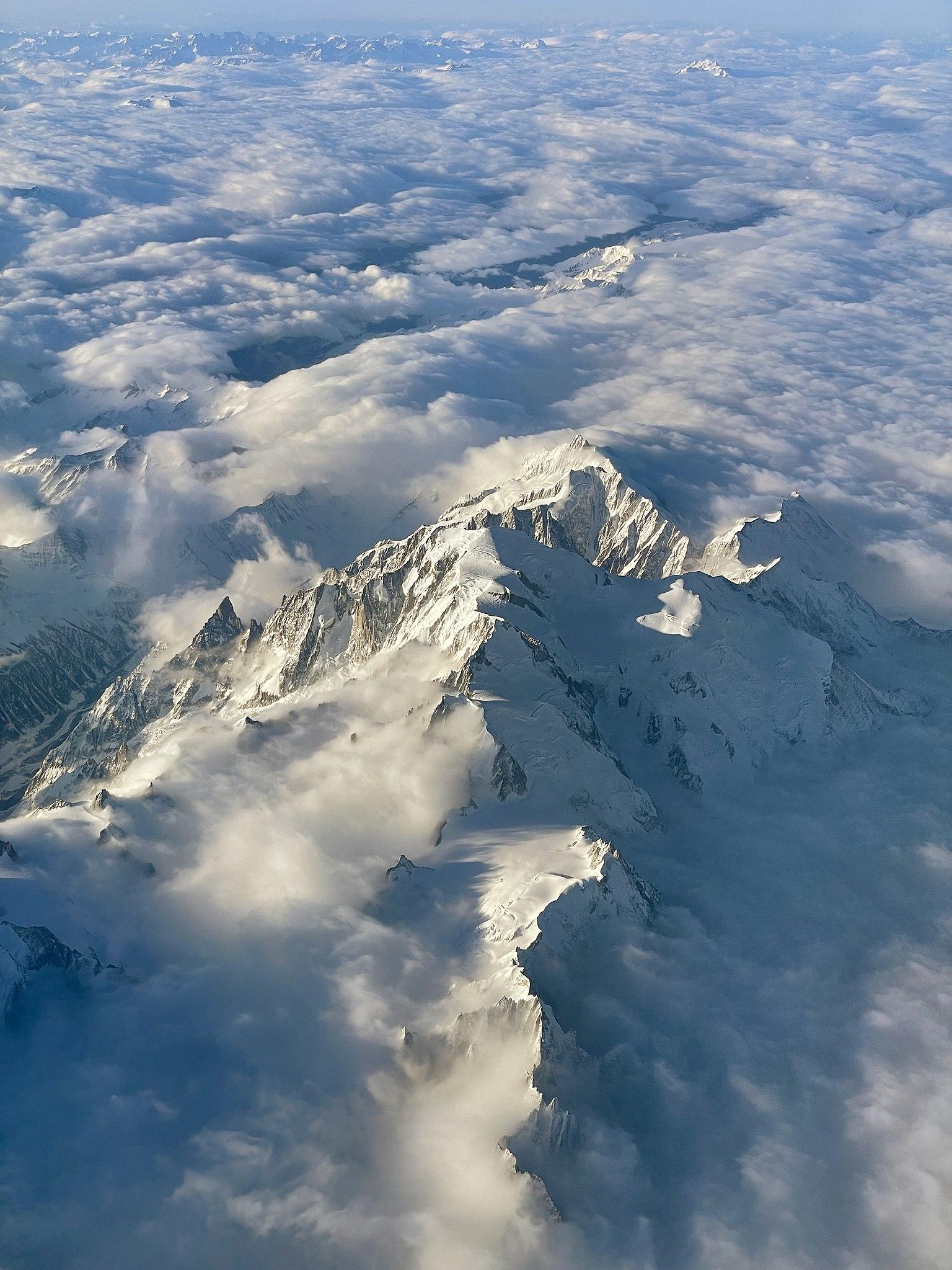
Discover the stunning landscapes, historic cities, and world-class ski resorts of Rhône-Alpes, a French region that offers a perfect blend of nature and culture.
Tell me more about Rhone Alpes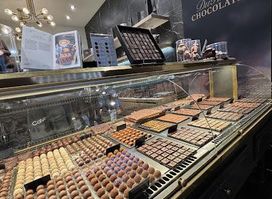
Experience the sweet magic of Swiss chocolate with Chocolate Flavours Tours in Geneva, where every bite tells a story of tradition and innovation.

Discover the Bâtiment des Forces Motrices in Geneva, a historic venue blending industrial charm with a vibrant performing arts scene.