Background

Musée Ariana: A World of Ceramics and Glass

Discover twelve centuries of ceramic and glass artistry from around the globe at Geneva's Musée Ariana, a stunning museum housed in a palatial neo-classical building.

4.6

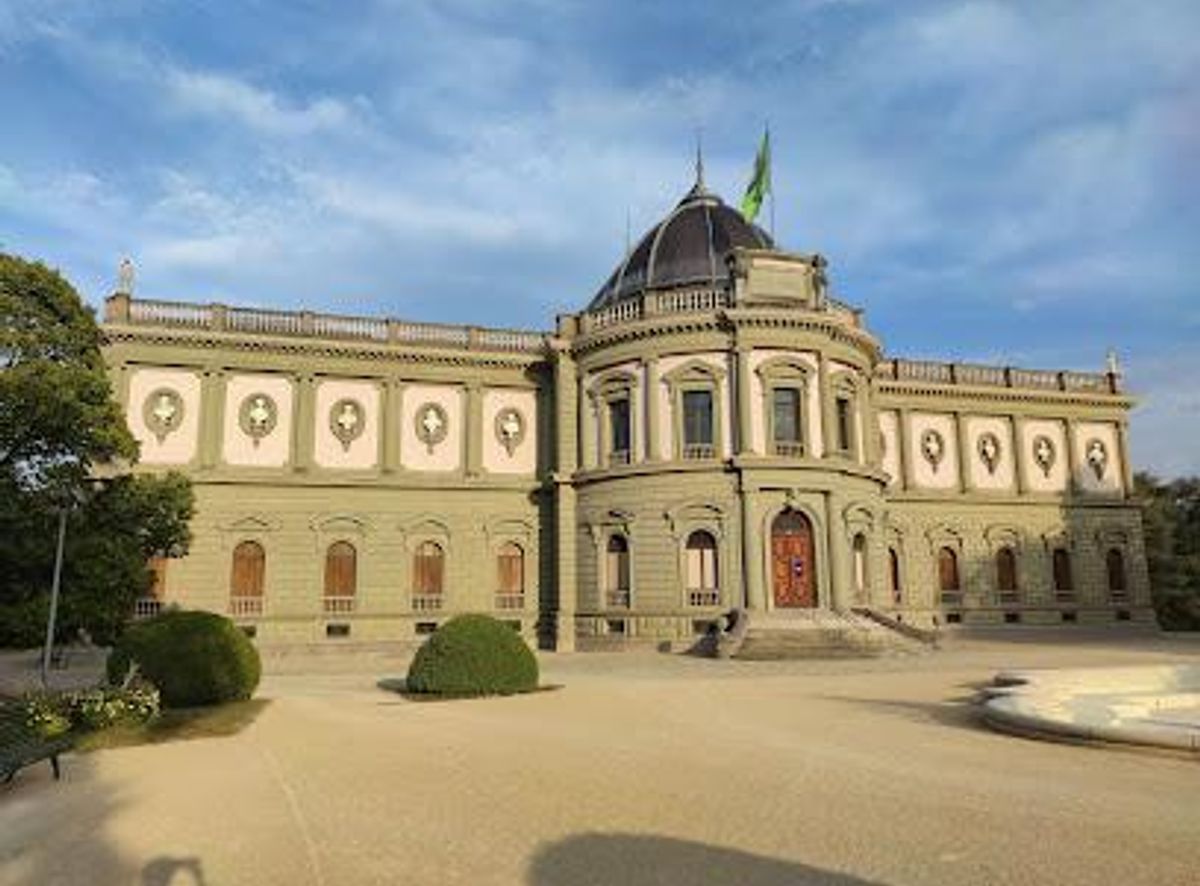
The Musée Ariana, also known as the Swiss Museum of Ceramics and Glass, is a captivating cultural institution in Geneva, housed in a stunning neo-classical building. Founded in the late 19th century by Gustave Revilliod in honor of his mother, Ariane de la Rive, the museum boasts a collection of over 20,000 objects spanning twelve centuries. Visitors can explore European, Middle Eastern, and Far Eastern ceramics and glassware, including pottery, porcelain, stoneware, and stained glass. The museum regularly hosts temporary exhibitions and offers guided tours, providing a comprehensive overview of the history of ceramic and glass arts. With its beautiful architecture, diverse collection, and engaging programs, the Musée Ariana offers a unique and enriching experience for art lovers and history enthusiasts alike. It's a must-see destination for anyone interested in the artistry and craftsmanship of ceramics and glass.

A brief summary to Musée Ariana

  • Tuesday 10 am-5 pm
  • Wednesday 10 am-5 pm
  • Thursday 10 am-5 pm
  • Friday 10 am-5 pm
  • Saturday 10 am-5 pm
  • Sunday 10 am-5 pm

Local tips

  • Visit on the first Sunday of the month for free admission to the permanent collections.
  • Check the museum's website for information on temporary exhibitions and special events.
  • Take a guided tour to gain deeper insights into the museum's collection and history. Book in advance.
  • Combine your visit with a stroll through the nearby Ariana Park and a visit to the United Nations Office.
  • Utilize public transport, as parking near the museum can be limited. Tram and bus stops are conveniently located nearby.
widget icon

Getting There

  • Public Transport

    The Musée Ariana is easily accessible by public transport. From Geneva's main train station, Gare Cornavin, take tram 15 to the 'Nations' stop. From there, it's a short 5-minute walk to the museum. Alternatively, several bus lines (5, 8, 11, 20, 22, 60, and 61) stop near the museum at the 'Appia' or 'Nations' stops. A single ticket for public transport in Geneva costs approximately CHF 3.00.

  • Taxi/Ride-Share

    A taxi or ride-sharing service from Gare Cornavin to the Musée Ariana will take approximately 10-15 minutes, depending on traffic. The estimated cost is between CHF 20-30. Be sure to specify 'Musée Ariana, Avenue de la Paix' as your destination.

  • Driving

    If driving, be aware that parking near the Musée Ariana is limited. Paid parking is available at the Parking des Nations, located a short walk from the museum (Route de Varembé 3). Hourly rates typically range from CHF 2-4. Alternatively, street parking may be available along Avenue de la Paix, but spaces are often limited and may have time restrictions. Note that the blue zones along Avenue de la Paix have been removed.

  • Walking

    From the Place des Nations, the Musée Ariana is a pleasant 5-10 minute walk. Head north along Avenue de la Paix, passing the United Nations Office on your left. The museum will be on your right, set back in Ariana Park. Follow the signs leading to the main entrance.

Unlock the Best of Musée Ariana

Buy tickets

    No tickets available

Book tours with entry

    No tours available

Book tours without entry

    No tours available

Discover more about Musée Ariana

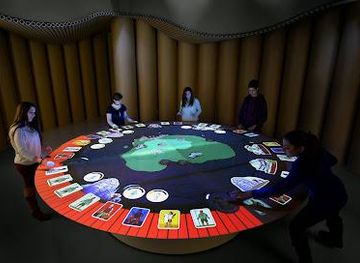
Nestled in a serene corner of Geneva, near the United Nations Office, the Musée Ariana stands as a testament to the enduring allure of ceramics and glass. More than just a museum, it's a journey through time and cultures, showcasing the evolution of these art forms across continents and centuries. The Musée Ariana, or Swiss Museum of Ceramics and Glass, owes its existence to the vision of Gustave Revilliod, a passionate collector and patron of the arts. In the late 19th century, Revilliod commissioned the construction of this palatial building to house his vast and diverse collection. He named it in honor of his mother, Ariane de la Rive, ensuring her legacy would forever be intertwined with the world of art. Upon his death in 1890, Revilliod bequeathed the museum and its collections to the city of Geneva, stipulating that it remain open to the public and retain its name. The museum's architecture is a masterpiece in itself, blending neo-classical and neo-baroque elements. Designed by local architect John Camoletti, the building features an imposing façade adorned with intricate sculptures, offering visitors a tantalizing glimpse of the artistic treasures within. The interior is equally magnificent, with beautifully decorated rooms filled with natural light streaming through stained-glass windows, casting multicolored reflections on polished wood floors. The grand hall, crowned by an elliptical dome with a star-studded vault, is particularly breathtaking. The Musée Ariana's collection is encyclopedic in scope, encompassing over 27,000 objects that span twelve centuries of ceramic and glass-making history. From delicate porcelain figurines to robust stoneware vessels, the collection showcases the diverse techniques and styles that have shaped these art forms across different cultures. Visitors can explore European ceramics, including Italian majolica from the Renaissance period and European porcelain from renowned manufacturers like Meissen and Sèvres. The museum also boasts an impressive collection of Islamic glasswork, Chinese ceramics dating back to the Ming Dynasty and Japanese porcelain. The glass collection traces the evolution of European glass production, starting with the 16th century, the Venetian golden age. The museum possesses remarkable works showing the absolute technical mastery and inventiveness of the Murano artists in blown, engraved and filigree glass. Equally well-represented in the museum, coloured or polychrome enamel-painted glassware was highly prized in northern Europe during the 17th and 18th centuries. Highlights of the collection include rare pieces by the French glassmaker, Bernard Perrot, Swiss production from Flühli and German pitchers and flasks. Beyond its permanent collection, the Musée Ariana actively engages with the contemporary art world through temporary exhibitions. These exhibitions often feature works by contemporary artists, showcasing the ongoing innovation and creativity in ceramics and glass. The museum also hosts a variety of educational programs, including workshops, lectures, and guided tours, aimed at engaging visitors of all ages and backgrounds. The Musée Ariana is more than just a repository of historical artifacts; it is a living, breathing institution that celebrates the enduring power of art. Whether you are a seasoned art connoisseur or a curious traveler, a visit to the Musée Ariana is sure to be a rewarding and enriching experience. The museum's commitment to preserving and promoting the arts of ceramics and glass makes it a vital cultural hub in Geneva and a must-see destination for anyone interested in the beauty and craftsmanship of these timeless art forms. Located in a peaceful park setting, the Musée Ariana offers a tranquil escape from the hustle and bustle of city life. Visitors can stroll through the gardens, admire the museum's architecture, and immerse themselves in the world of ceramics and glass. The museum's location near the United Nations Office and other international organizations makes it a convenient stop for those exploring Geneva's international district. The Musée Ariana stands as a beacon of cultural heritage in Geneva, offering visitors a unique glimpse into the world of ceramics and glass art. From its founding by Gustave Revilliod in 1884 to its modern-day innovations, the museum has continually evolved to meet the needs of its diverse audience. The architectural splendor of the museum, combined with its extensive and varied collection, provides a rich and immersive experience for all visitors.

Popular Experiences near Musée Ariana

Popular Hotels near Musée Ariana

Select Currency