Background

Palais des Nations: A Seat of Global Diplomacy

Discover the heart of international diplomacy at the Palais des Nations in Geneva, the European headquarters of the United Nations, and explore its rich history and ongoing global impact.

4.6

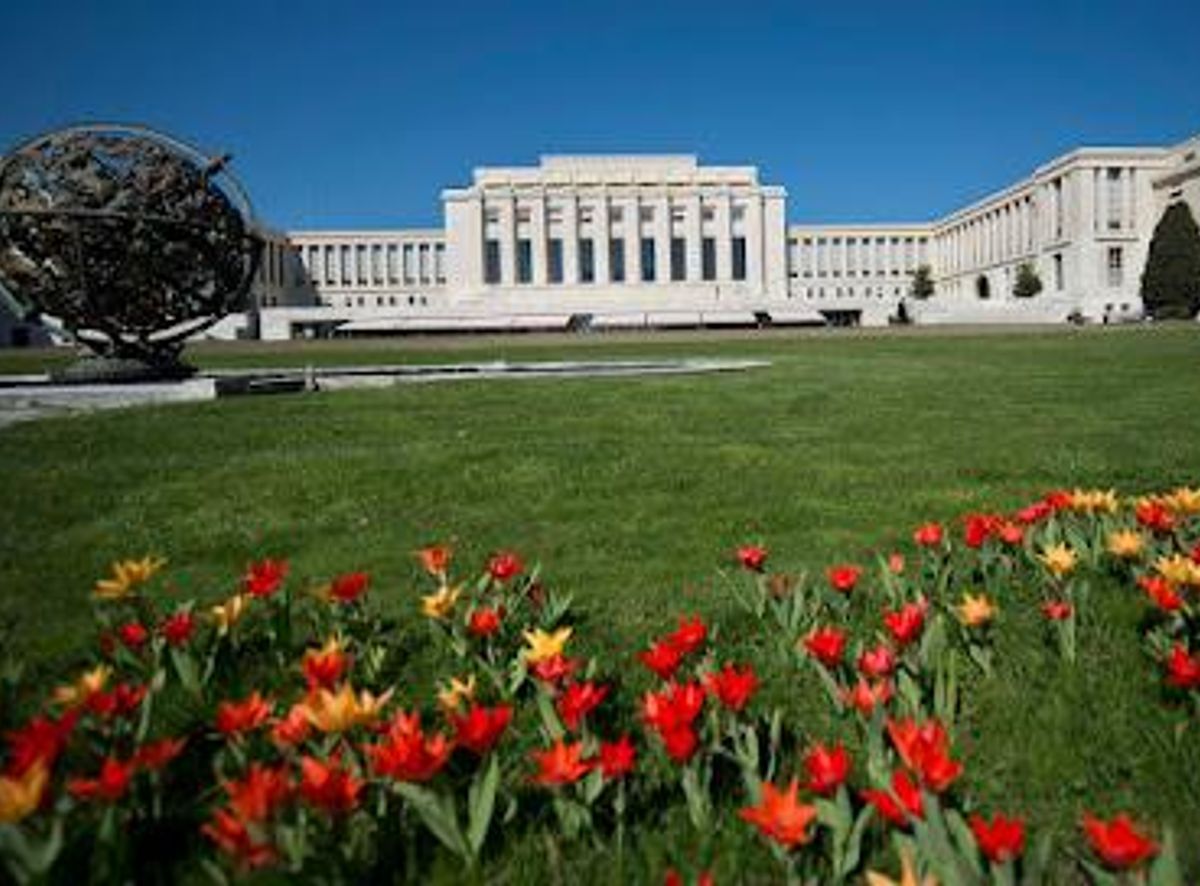
The Palais des Nations, nestled in Geneva's Ariana Park, stands as a monumental testament to 20th-century architecture and a pivotal center for international diplomacy. Originally built for the League of Nations in the 1930s, it has been the European headquarters of the United Nations since 1946. Today, it hosts thousands of meetings annually, addressing global challenges from human rights to sustainable development. Visitors can explore its historic halls, admire the stunning art deco design, and gain insight into the workings of international cooperation. The Palais offers guided tours in multiple languages, providing a glimpse into its rich history and ongoing efforts to promote world peace and development. A visit here offers a unique perspective on global governance and Geneva's role as a hub for international organizations.

A brief summary to Palais des Nations

  • Monday 8:30 am-5 pm
  • Tuesday 8:30 am-5 pm
  • Wednesday 8:30 am-5 pm
  • Thursday 8:30 am-5 pm
  • Friday 8:30 am-5 pm

Local tips

  • Book your guided tour in advance, especially during peak season, as tours often sell out quickly.
  • Arrive at least 45 minutes before your tour to allow time for security checks and registration.
  • Take advantage of the Geneva Transport Card, offered by hotels, for free public transportation during your stay.
  • Explore Ariana Park surrounding the Palais des Nations, offering beautiful views and a peaceful atmosphere.
  • Check the UN Geneva website for special events, lectures, and cultural activities happening during your visit.
widget icon

Getting There

  • Public Transport

    From Geneva Cornavin train station, take bus line 5 or tram line 15 to the 'Nations' stop, followed by a 5-minute walk to the Pregny Gate entrance. Alternatively, take bus lines 8, 20, or 60 to the 'Appia' stop, which is also a short walk from the entrance. A single Unireso ticket, valid for 60 minutes, costs CHF 3. A short trip ticket costs CHF 2. If you are staying in a hotel, you may be eligible for a Geneva Transport Card providing free access to public transport.

  • Taxi/Ride-Share

    A taxi or ride-share from Geneva Cornavin train station to the Palais des Nations will cost approximately CHF 35-45, depending on traffic and time of day. The journey typically takes 10-15 minutes. Taxis are readily available at the train station.

  • Driving

    While visitors are not allowed to drive directly onto the Palais des Nations grounds, a large underground parking facility, 'Parking des Nations', is available near the Place des Nations. Access is via Rue de Varembé or Avenue Giuseppe Motta. Parking fees vary, so check the real-time information on free spaces and prices at the Geneva Parking website. From the parking garage, it's a short walk to the Palais des Nations.

Unlock the Best of Palais des Nations

Buy tickets

    No tickets available

Book tours with entry

    No tours available

Book tours without entry

    No tours available

Discover more about Palais des Nations

The Palais des Nations, located in Geneva, Switzerland, is more than just a building; it's a symbol of international cooperation and a living testament to the pursuit of global peace. Situated within the picturesque Ariana Park, overlooking Lake Geneva and with views of the French Alps, the Palais has served as the European headquarters of the United Nations since 1946, second only to the UN headquarters in New York. Its history, however, stretches back further, to the era of the League of Nations, the precursor to the UN, for which it was originally constructed. The Palais des Nations was built between 1929 and 1938, following an international architectural competition aimed at creating a space that could house all the organs of the League of Nations. The goal was to design a building that would foster a calm and productive atmosphere for international discussions. The architectural style reflects the art deco movement of the time, blending functionality with aesthetic appeal. At the time of its completion, it was the second-largest building complex in Europe after Versailles. Originally known as the Völkerbund Palace, the Palais was transferred to the United Nations after the League of Nations dissolved in 1946. Since then, it has become a vital center for international diplomacy, hosting over 8,000 meetings each year. These meetings cover a wide range of global issues, including human rights, humanitarian affairs, trade, health, and sustainable development. The Palais houses numerous UN agencies, including the UN Human Rights Council and the Office of the High Commissioner for Human Rights. Visitors to the Palais des Nations can explore its rich history and gain insight into the workings of the United Nations through guided tours. These tours, available in multiple languages, take visitors through the building's most important halls and chambers, including the Assembly Hall, the Council Chamber, and the Hall of Human Rights. The Assembly Hall, with its capacity of over 2,000 seats, is the largest room in the Palais and has hosted countless historic speeches and debates. The Council Chamber is adorned with frescoes by Spanish artist José-Maria Sert, depicting themes of peace, justice, and progress. One of the most striking features of the Palais is the Human Rights and Alliance of Civilizations Chamber, formerly known as Conference Room XX. Renovated in 2008 as a gift from Spain to the United Nations, the chamber features a stunning ceiling created by Spanish artist Miquel Barceló. The ceiling, resembling an ocean floor, is adorned with sculpted stalactites and painted with pigments sourced from around the world. Beyond its architectural and artistic significance, the Palais des Nations is also home to a vast collection of artwork and artifacts donated by member states of the United Nations. These gifts, representing diverse cultures and artistic traditions, serve as symbols of international cooperation and solidarity. The Palais is located in Ariana Park, a 46-hectare green space that was bequeathed to the city of Geneva in 1890 by Gustave Revilliod de la Rive. The park, which remains open to the public, offers stunning views of Lake Geneva and the Alps, providing a tranquil setting for reflection and contemplation. The park also houses a museum dedicated to the history of the League of Nations. Visiting the Palais des Nations offers a unique opportunity to witness international diplomacy in action and to learn about the challenges and opportunities facing the global community. It is a place where world leaders, diplomats, and experts come together to address pressing issues and to work towards a more peaceful and sustainable future. The Palais stands as a symbol of hope and a reminder of the importance of international cooperation in an increasingly interconnected world. Accessibility is a key consideration at the Palais des Nations, with ongoing efforts to improve physical access for persons with disabilities. Recent renovations have included the installation of accessible doors, height-adjustable badging desks, and wheelchair-accessible speed gates. The Palais also provides accessible restrooms and elevators, as well as priority access for persons with disabilities at the Pregny Gate entrance. The Palais des Nations is not just a historical landmark; it is a living, breathing center of international activity. Throughout the year, the Palais hosts a variety of events, including conferences, seminars, and cultural performances. These events provide opportunities for visitors to engage with the work of the United Nations and to learn about the diverse perspectives and experiences of people from around the world. Whether you are interested in history, architecture, art, or international affairs, a visit to the Palais des Nations is sure to be a rewarding and enriching experience. It is a place where you can witness the power of diplomacy, the beauty of art, and the importance of global cooperation. The Palais stands as a beacon of hope, inspiring us to work together to build a better world for all.

Popular Experiences near Palais des Nations

Popular Hotels near Palais des Nations

Select Currency