Journey Through Time: Archaeological Site of St. Pierre Cathedral
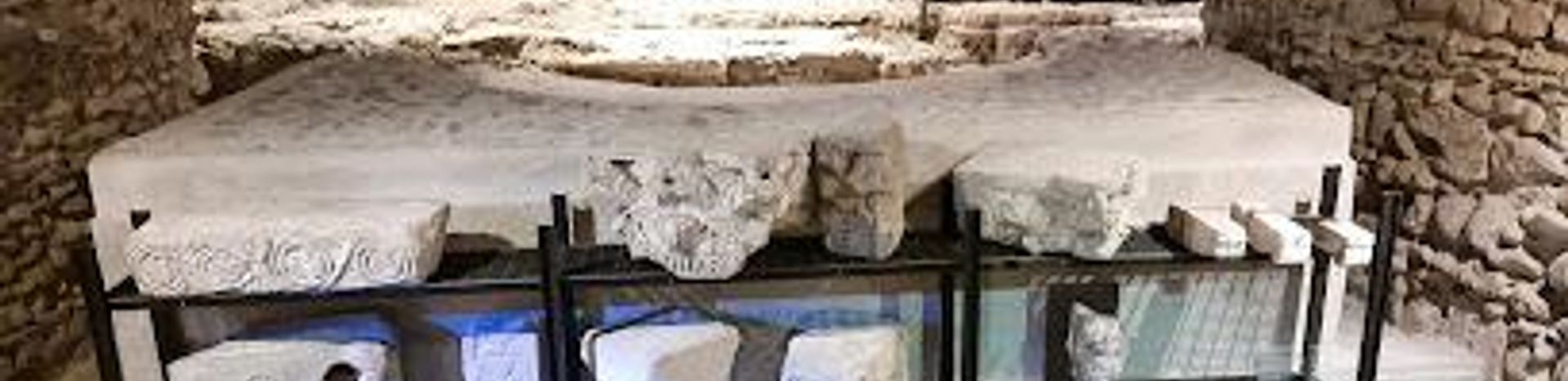
Unearth Geneva's hidden past at the Archaeological Site of St. Pierre Cathedral, revealing layers of history from ancient settlements to the Roman era and the rise of Christianity.
Delve into Geneva's captivating past at the Archaeological Site of St. Pierre Cathedral, an underground museum revealing over 1,000 years of history. Located beneath the iconic St. Pierre Cathedral in the heart of Geneva's Old Town, this remarkable site unveils layers of civilization, from the pre-Christian era to the construction of the Romanesque cathedral. Explore the remains of ancient settlements, Roman monuments, and early Christian churches, all meticulously preserved and presented with modern museographic techniques. Discover the evolution of Geneva through fascinating artifacts, interactive exhibits, and immersive audiovisual displays. A visit offers a unique glimpse into the city's rich heritage and the lives of those who shaped its destiny, making it a must-see for history enthusiasts and curious travelers alike. The site is open daily, offering a captivating journey through time beneath one of Geneva's most iconic landmarks.
A brief summary to Site archéologique de la Cathédrale Saint-Pierre de Genève
- Cr de Saint-Pierre 6, Geneva, 1204, CH
- +41223117574
- Visit website
- Monday 10 am-5 pm
- Tuesday 10 am-5 pm
- Wednesday 10 am-5 pm
- Thursday 10 am-5 pm
- Friday 10 am-5 pm
- Saturday 10 am-5 pm
- Sunday 10 am-5 pm
Local tips
- Consider purchasing the combined ticket for Espace Saint-Pierre to access the Archaeological Site, the Cathedral towers, and the International Museum of the Reformation for a comprehensive historical experience.
- Wear comfortable shoes, as you'll be doing a fair amount of walking on uneven surfaces within the underground site.
- Allocate at least 1.5 to 2 hours to fully explore the Archaeological Site and appreciate the depth of its historical exhibits.

Getting There
-
Walking
From Place du Bourg-de-Four, the oldest square in Geneva, walk north along Rue de l'Hôtel-de-Ville towards the St. Pierre Cathedral. The entrance to the Archaeological Site is located on the Cour de Saint-Pierre, the square directly in front of the Cathedral's main entrance. The walk is short, approximately 5 minutes, and offers views of the historic buildings in Geneva's Old Town.
-
Public Transport
If arriving by tram or bus, the closest stops are 'Molard' (served by tram lines 12 and 17, and bus lines 2, 7, and 10) and 'Cathédrale' (bus line 36). From Molard, walk uphill towards the St. Pierre Cathedral, following the signs for the Old Town (Vieille Ville). From the 'Cathédrale' bus stop, the entrance to the Archaeological Site is a short walk across the Cour de Saint-Pierre. A single public transport fare within Geneva costs CHF 3.00.
-
Taxi/Ride-Share
A taxi or ride-share from Geneva's main train station (Gare Cornavin) to the Cour de Saint-Pierre will take approximately 10-15 minutes, depending on traffic. Expect to pay around CHF 20-25. Note that car access to the Old Town is restricted, so the taxi may drop you off near the Cathedral, requiring a short walk.
Discover more about Site archéologique de la Cathédrale Saint-Pierre de Genève
Iconic landmarks you can’t miss

Chapelle des Macchabées
0.0 km
Explore the serene and historical Chapelle des Macchabées in Geneva, a hidden gem rich in beauty and cultural significance, perfect for travelers seeking tranquility.
Terasses Cathedrale
0.1 km
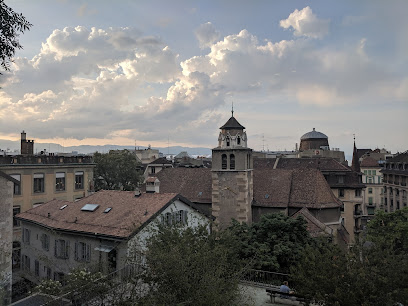
Discover the serene beauty and historical significance of Terasses Cathedrale in Geneva, a must-visit landmark for every tourist.
Pl. de la Madeleine
0.1 km
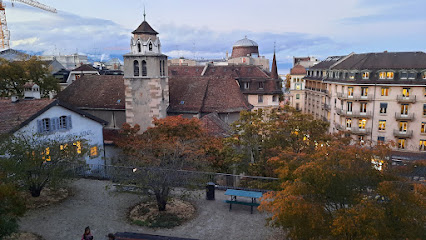
Explore the enchanting Pl. de la Madeleine in Geneva, a vibrant square where history, culture, and local flavors come together in perfect harmony.
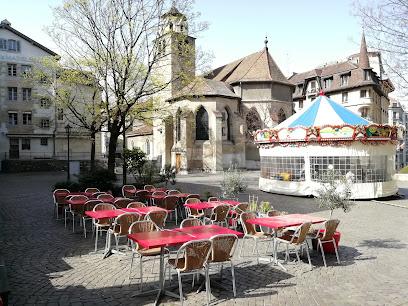
Reformation Wall
0.2 km
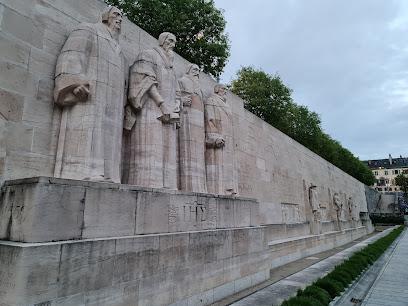
Explore the Reformation Wall in Geneva, a monumental tribute to the Protestant Reformation's leaders, set in a beautiful park that invites reflection and learning.
Franz Liszt and Marie D'Agoult's House of Love
0.3 km
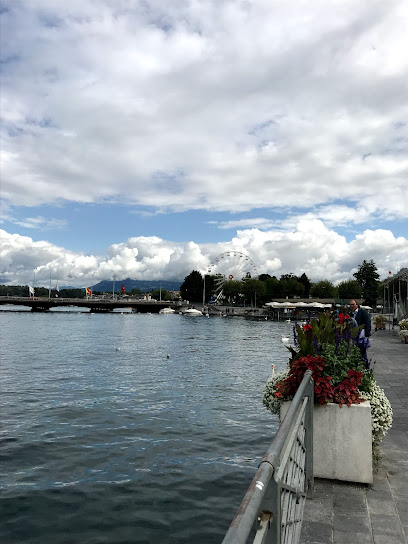
Explore the romantic history of Franz Liszt and Marie D'Agoult at their enchanting House of Love in Geneva, a must-see for music and history lovers.
Pl. du Molard
0.3 km
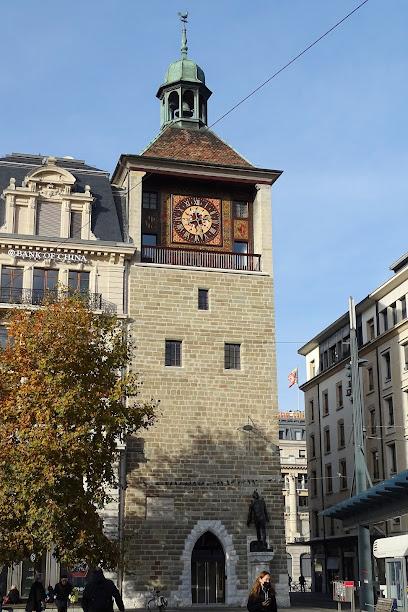
Explore Pl. du Molard, a vibrant square in Geneva filled with history, cafes, and unique shops, embodying the city's cultural charm.
Giant Chess Boards
0.3 km
Explore the Giant Chess Boards in Geneva: A unique playground experience blending strategy, fun, and beautiful scenery for all ages.
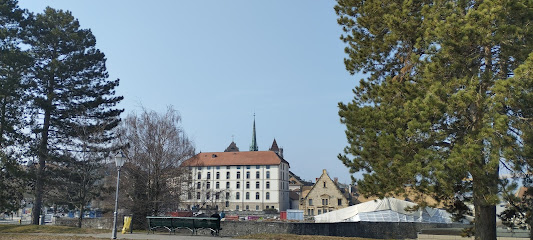
Place de Neuve Square
0.4 km
Discover the historical charm of Place de Neuve Square in Geneva, a vibrant cultural hub filled with stunning architecture and lush greenery.
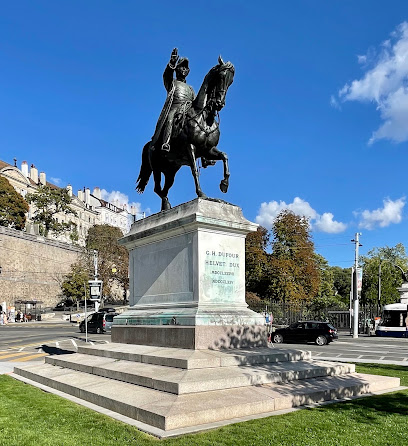
Pl. du Rhône
0.4 km
Discover the enchanting Pl. du Rhône in Geneva, where stunning views, vibrant culture, and local charm await every traveler.
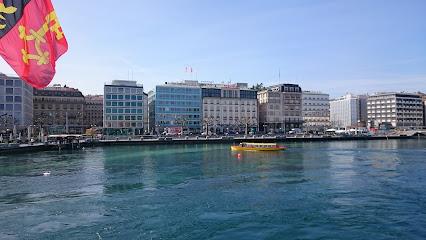
Russian Orthodox Church
0.5 km
Discover the exquisite beauty and spiritual tranquility of the Russian Orthodox Church, a cultural gem in the heart of Geneva.
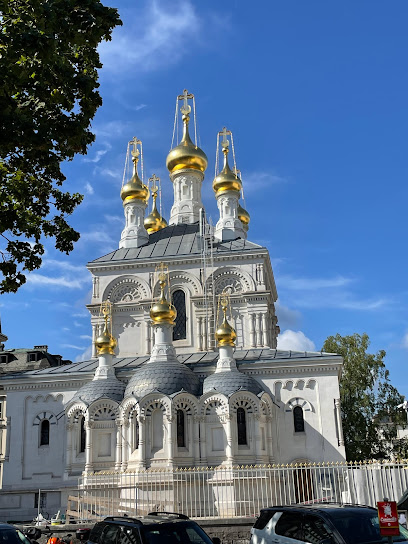
Genfer see
0.5 km
Experience the breathtaking beauty and rich culture of Lake Geneva, a stunning natural gem on the border of Switzerland and France.
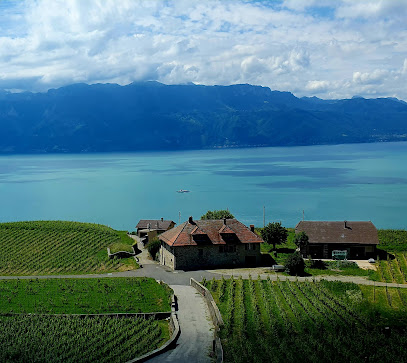
Pont des Bergues
0.5 km
Experience the picturesque beauty of Pont des Bergues, a stunning bridge in Geneva offering breathtaking views and serene strolls along Lake Geneva.
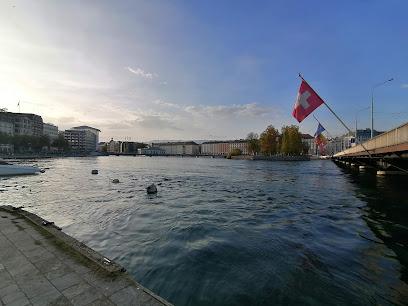
Île Rousseau
0.5 km
Discover the serene beauty of Île Rousseau, a charming island in Geneva, ideal for leisurely strolls, picnics, and stunning lake views.
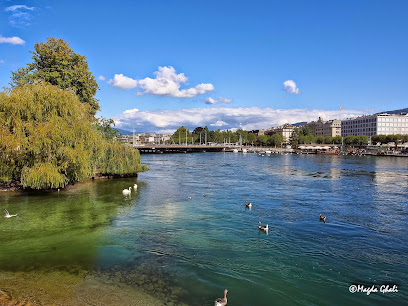
Pont du Mont-Blanc
0.6 km
Experience the charm of Geneva at the iconic Pont du Mont-Blanc, a bridge connecting the city and offering stunning views of the vibrant Rhône River.
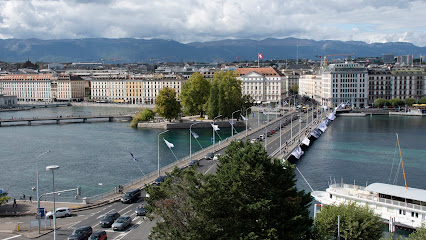
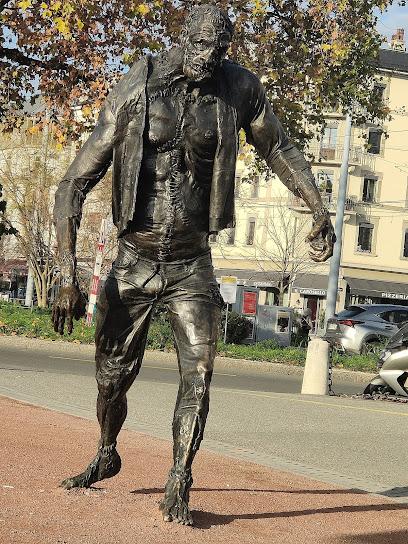
Monument du Monstre de Frankenstein
0.6 km
Explore the Monument du Monstre de Frankenstein in Geneva, a captivating historical landmark that celebrates literature and art at their finest.
Unmissable attractions to see

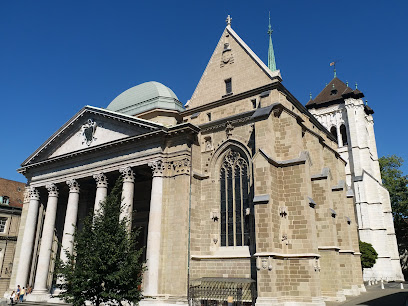
St Pierre Cathedral
0.0 km
Discover the historic St Pierre Cathedral in Geneva, where stunning architecture meets rich Protestant heritage and breathtaking views of the Alps.
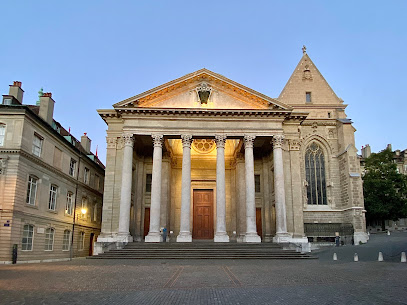
International Museum of the Reformation
0.1 km
Discover the profound impact of the Reformation at the International Museum of the Reformation in Geneva, a captivating journey through history.
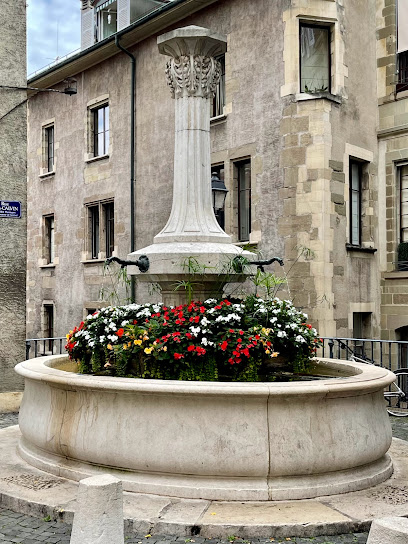
Fontaine du Perron
0.1 km
Explore the beauty of Fontaine du Perron, a serene fountain in Geneva that combines historical charm with a tranquil atmosphere for tourists and locals alike.
L'Ancien Arsenal
0.1 km
Discover the rich maritime history of Geneva at L'Ancien Arsenal, an open-air museum showcasing captivating artifacts and stunning architecture.
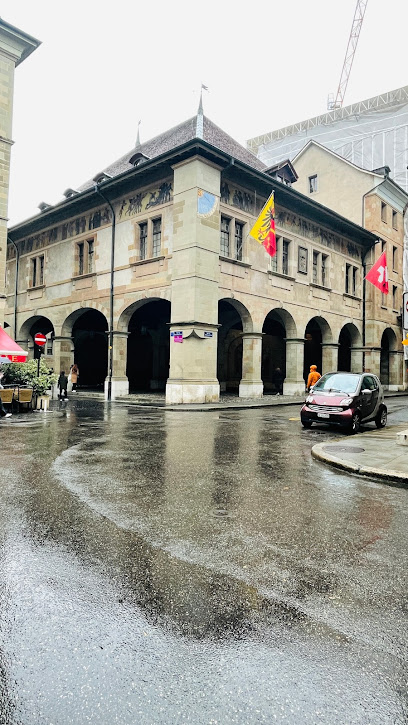
Tavel House
0.1 km
Immerse yourself in the captivating history of Geneva at Tavel House, the city's oldest house and local history museum.
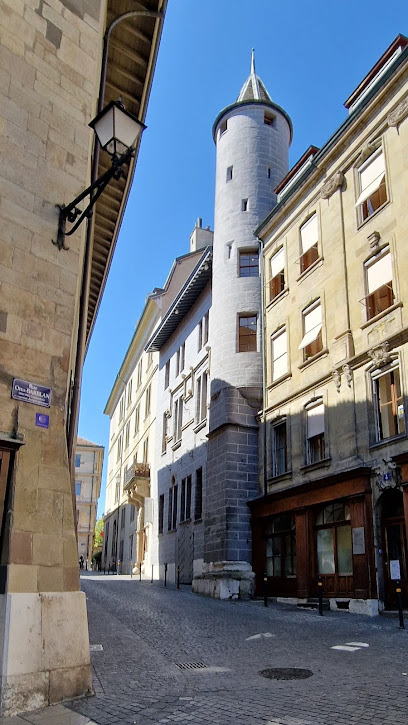
Mosaïque des personnalités de l'eau
0.1 km
Explore the Mosaïque des personnalités de l'eau in Geneva, an artistic tribute to the significance of water through vibrant mosaics and cultural stories.
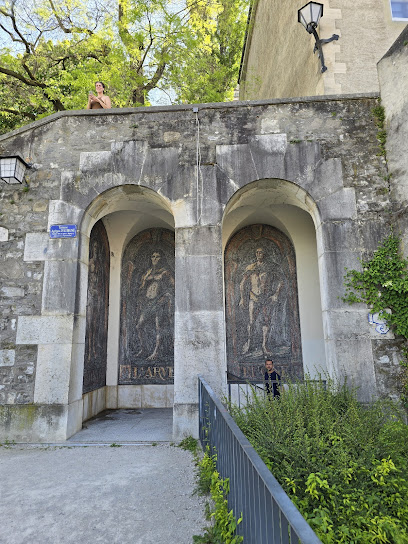
Degree Passage
0.1 km
Experience the vibrant atmosphere and historical charm of Degree Passage, a must-visit tourist attraction in the heart of Geneva.
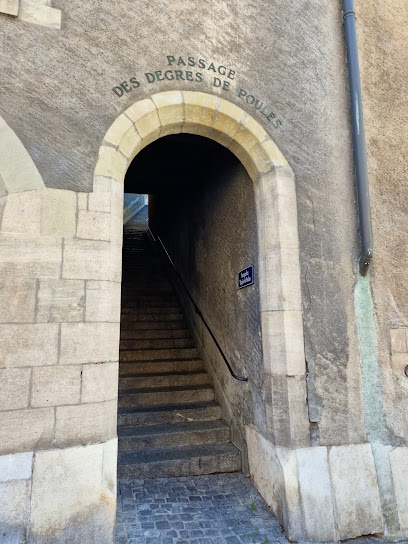
Evangelical Lutheran Church of Geneva (ELCG)
0.1 km
Discover the tranquil beauty of the Evangelical Lutheran Church of Geneva, a spiritual haven rich in history and architectural splendor.
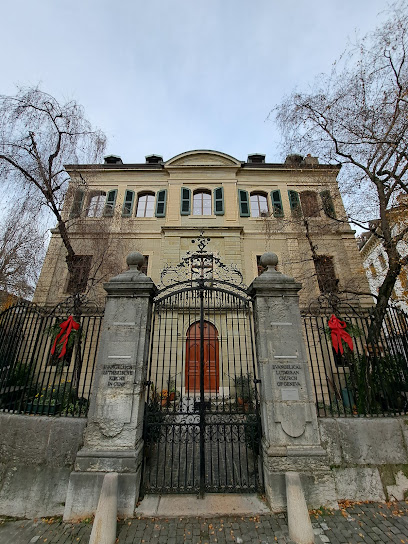
Fontaine de la Treille
0.1 km
Discover the serene beauty of Fontaine de la Treille in Geneva, a stunning fountain that captures the city's charm and history.
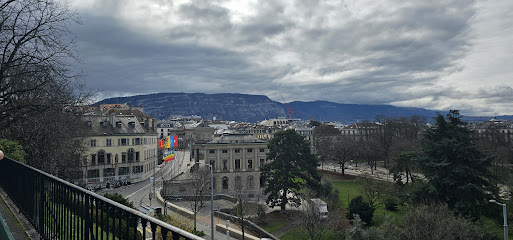
L' Abri – Madeleine
0.1 km
Explore L' Abri – Madeleine, Geneva's vibrant cultural center showcasing contemporary art, performances, and community engagement.
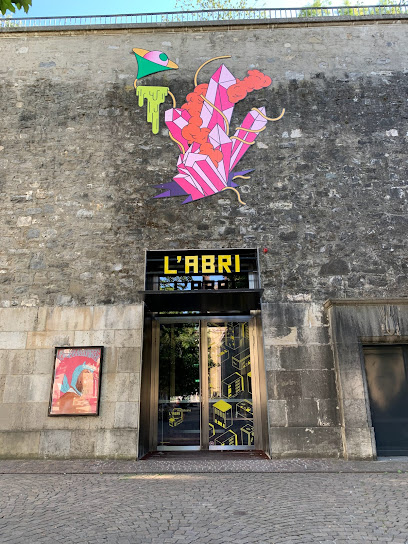
Place du Bourg-de-Four
0.1 km
Explore the historical charm of Place du Bourg-de-Four, Geneva's oldest square, filled with vibrant culture, delicious cuisine, and stunning architecture.
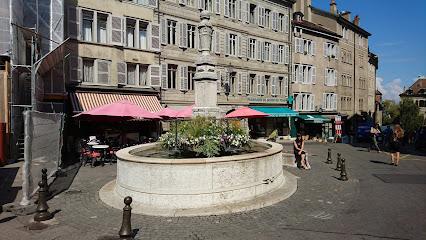
Evangelisch-Lutherische Kirche in Genf
0.1 km
Explore the serene beauty and rich heritage of the Evangelisch-Lutherische Kirche, a welcoming Protestant church in the heart of Geneva.
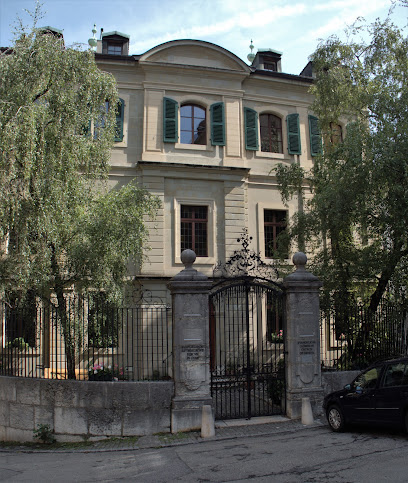
Banc de la Treille
0.1 km
Discover the serenity of Banc de la Treille, Geneva's iconic public bench offering stunning views and a perfect escape from the city's hustle.
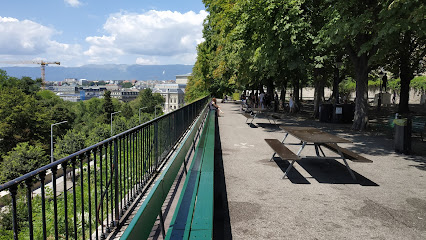
Temple de la Madeleine / Espace Madeleine
0.1 km
Explore the Temple de la Madeleine, an architectural masterpiece in Geneva showcasing Reformed heritage and offering a serene escape in the city's vibrant heart.
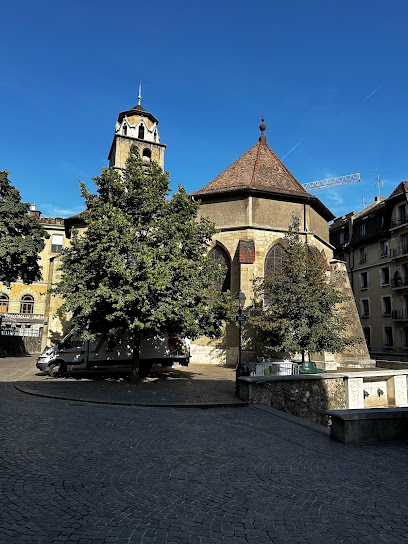
Carrousel de la Madeleine
0.1 km
Discover the enchanting Carrousel de la Madeleine in Geneva, where delightful rides and vibrant surroundings create unforgettable family fun.
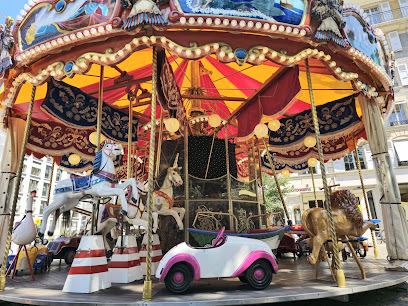
Essential places to dine

Restaurant Les Armures
0.1 km
Discover the authentic taste of Switzerland at Restaurant Les Armures in Geneva – where tradition meets culinary excellence.
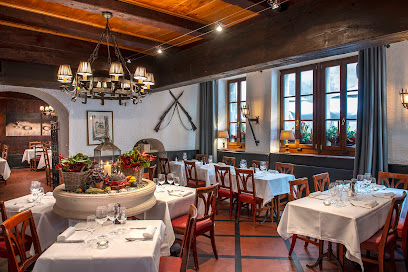
La Favola
0.1 km
Experience authentic Italian cuisine at La Favola in Geneva - where every dish tells a story and every bite transports you to Italy.
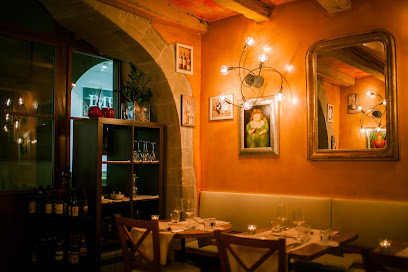
Au Pied de Cochon
0.1 km
Savor authentic French cuisine at Au Pied de Cochon in Geneva - where traditional flavors meet modern elegance.
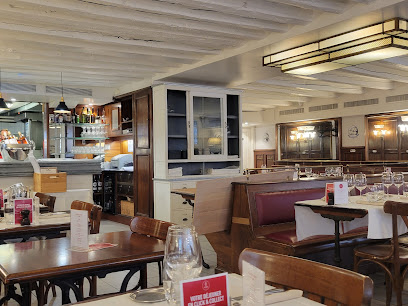
Café PAPON
0.1 km
Experience authentic Swiss flavors at Café PAPON in Geneva - where tradition meets modern elegance in every dish.
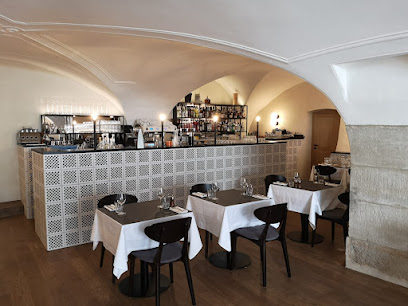
Le Pilier
0.2 km
Discover the exquisite flavors and elegant ambiance at Le Pilier - Geneva's culinary gem offering delightful dishes with local flair.
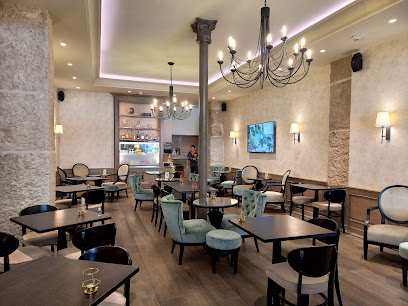
Le Thermomètre
0.3 km
Discover authentic French flavors at Le Thermomètre - Geneva's charming restaurant offering exquisite dishes in an inviting atmosphere.
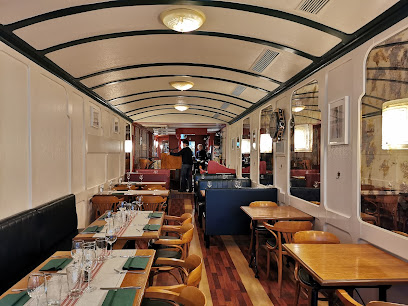
Osteria della Bottega
0.3 km
Experience authentic Italian cuisine at Osteria della Bottega in Geneva, where every dish tells a story.
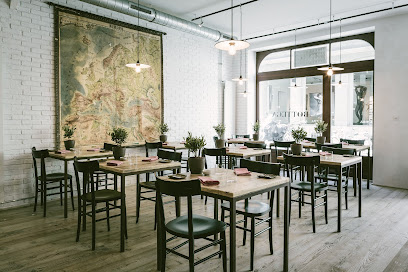
Cave Restaurant Le180
0.3 km
Discover the unique charm of Cave Restaurant Le180 in Geneva - where exquisite tapas meet an extensive wine selection in a cozy cave-like setting.
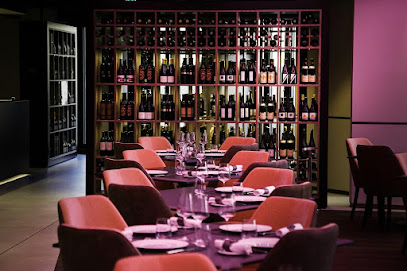
Visitaly
0.3 km
Savor authentic Italian cuisine at Visitaly in Geneva—where every dish tells a story.
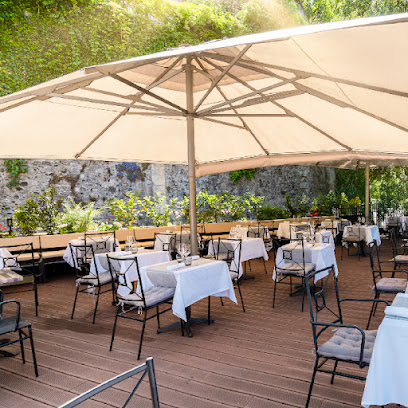
Brasserie Lipp
0.3 km
Experience exquisite French cuisine at Brasserie Lipp in Geneva—where elegance meets tradition in every bite.
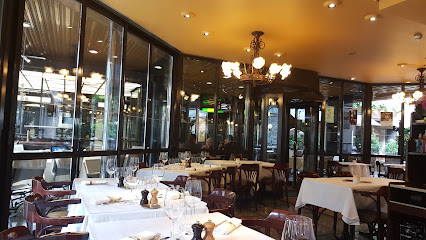
rooftop°42
0.4 km
Discover rooftop°42: where gourmet dining meets breathtaking views in the heart of Geneva.
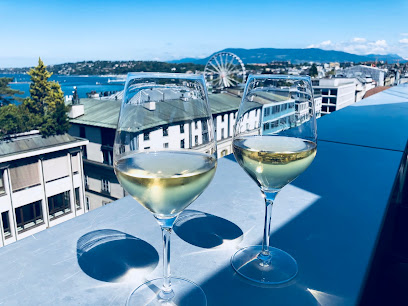
Le Karne
0.4 km
Savor authentic Italian flavors at Le Karne in Geneva - where tradition meets modern culinary artistry.
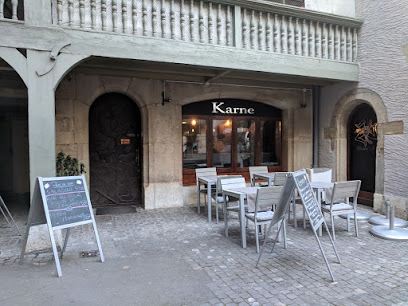
la Finestra Restaurant
0.4 km
Discover authentic Italian flavors at la Finestra Restaurant in Geneva – where every meal is a celebration of culinary excellence.
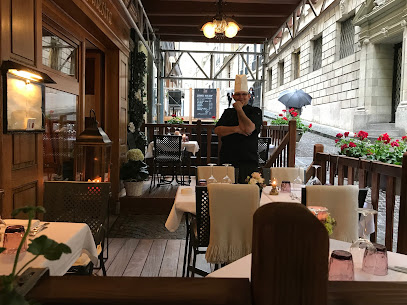
Café de La Plage - Grand Théâtre de Genève
0.4 km
Experience exquisite dining at Café de La Plage near Geneva's Grand Théâtre – where culinary excellence meets cultural vibrancy.
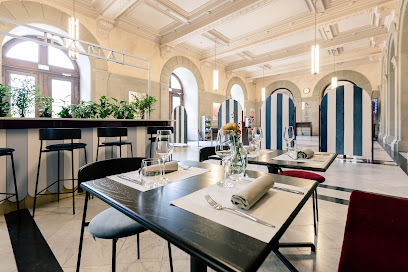
Chez Philippe - Bar Grill
0.4 km
Discover the exquisite flavors at Chez Philippe in Geneva - where culinary tradition meets modern dining elegance.
Markets, malls and hidden boutiques

Le BLK & YLW Local Concept Store Genève
0.1 km
Explore Geneva's local craftsmanship at Le BLK & YLW, a unique gift shop offering curated treasures that embody the city's rich culture and artistry.
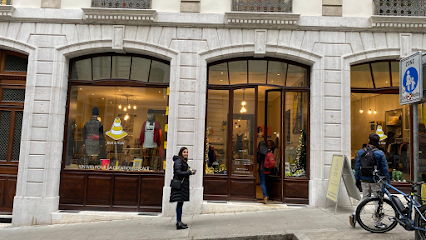
George
0.2 km
Explore the charm of George in Geneva, a unique shop offering handcrafted treasures and distinctive souvenirs that capture the essence of local artistry.
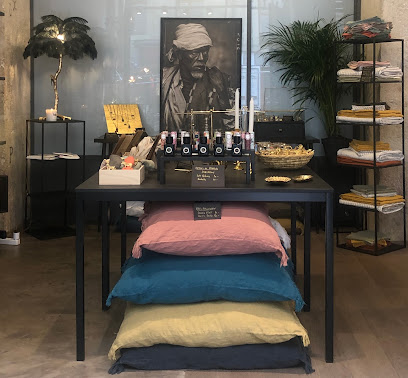
Boutique Addison
0.2 km
Discover timeless elegance and contemporary style at Boutique Addison, Geneva's premier men's clothing store, offering curated fashion for every occasion.
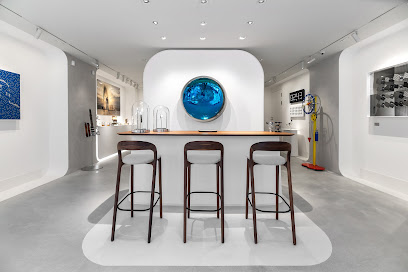
MB&F M.A.D.Gallery
0.2 km
Explore the intersection of art and horology at MB&F M.A.D.Gallery, a unique destination in Geneva showcasing innovative timepieces.
l'H'être
0.2 km
Explore l'H'être in Geneva for an exquisite selection of women's clothing and unique jewelry, reflecting local elegance and style.
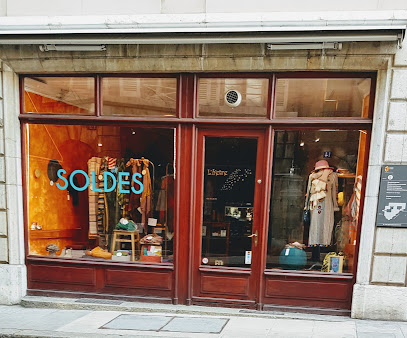
Boutique Butterfly
0.2 km
Discover the elegance of Swiss fashion at Boutique Butterfly in Geneva, where style meets quality in a charming shopping experience.
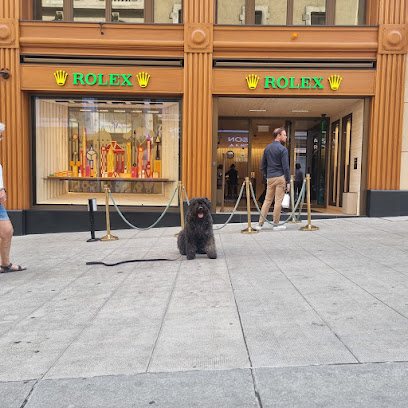
Franz Carl Weber
0.2 km
Discover the enchanting Franz Carl Weber toy store in Geneva, where imagination comes to life with a delightful range of toys and games for all ages.
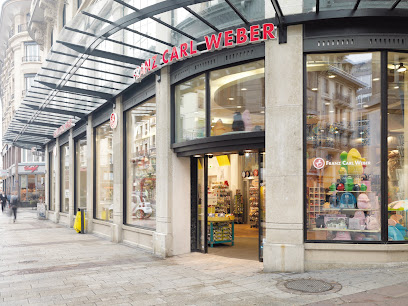
Bongénie Grieder
0.2 km
Discover the luxury of shopping at Bongénie Grieder in Geneva – a premier destination for fashion, beauty, and gourmet delights.
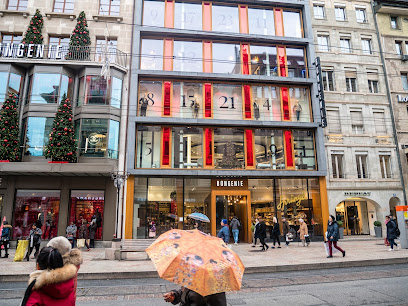
Molard Souvenirs
0.2 km
Explore Molard Souvenirs in Geneva for unique gifts, Swiss watches, and exquisite local crafts that capture the city's charm.
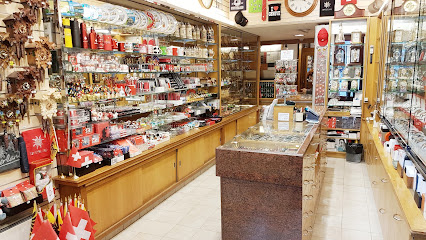
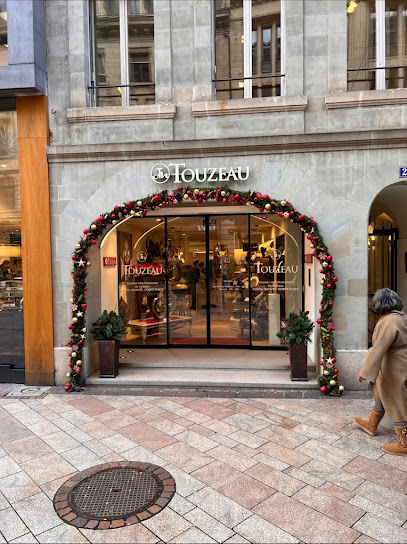
Boutique Lalique
0.2 km
Explore the elegance of Lalique crystal at Boutique Lalique, a premier gift shop in the heart of Geneva, offering timeless luxury and exquisite craftsmanship.
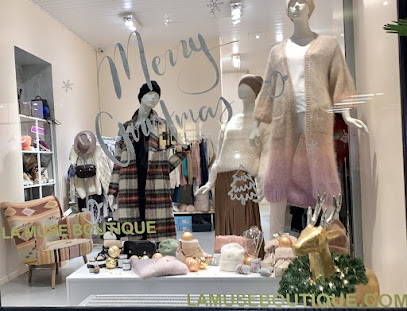
La Muse Boutique
0.3 km
Discover unique fashion finds at La Muse Boutique, a chic clothing shop in the heart of Geneva, offering curated apparel and stylish accessories.
Maison Bäreiz
0.3 km
Explore the enchanting Maison Bäreiz in Geneva, where local crafts and unique gifts await to capture the essence of your travels.
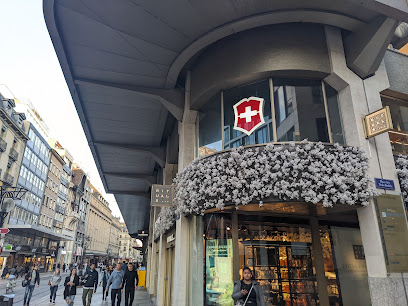
Victorinox Flagship Store Geneve
0.3 km
Discover the essence of Swiss craftsmanship at the Victorinox Flagship Store in Geneva, home to iconic knives, luggage, and watches.
S.K Sàrl Epicerie de la Veille-Ville (Souvenir/Confectionery Store)
0.3 km
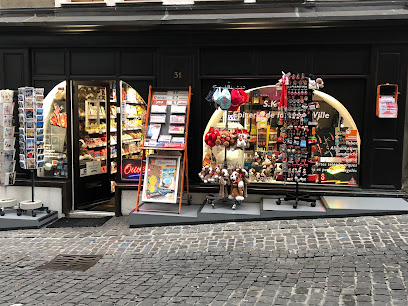
Explore the essence of Geneva at S.K Sàrl Epicerie de la Veille-Ville, your go-to gift basket store for unique local souvenirs and gourmet treats.
Bucherer
0.3 km
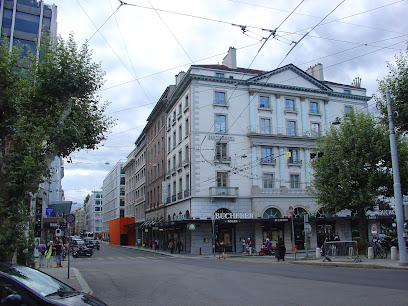
Discover the elegance of Swiss craftsmanship at Bucherer, Geneva's premier destination for luxury jewelry and timepieces.
Essential bars & hidden hideouts

Roi Ubu
0.2 km
Experience the vibrant nightlife of Geneva at Roi Ubu, a lively bar known for its welcoming atmosphere and diverse drink selection.
22 grand'rue
0.2 km
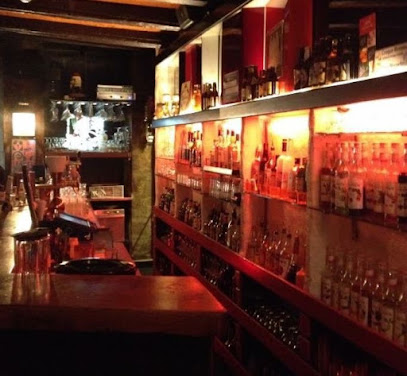
Discover a cocktail haven at 22 Grand'Rue in Geneva, where exquisite drinks and an inviting atmosphere create an unforgettable night out.
Demi Lune Café
0.2 km
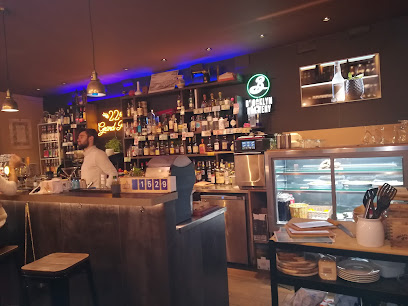
Experience the culinary delights at Demi Lune Café in Geneva, where fine dining meets a vibrant atmosphere, perfect for every occasion.
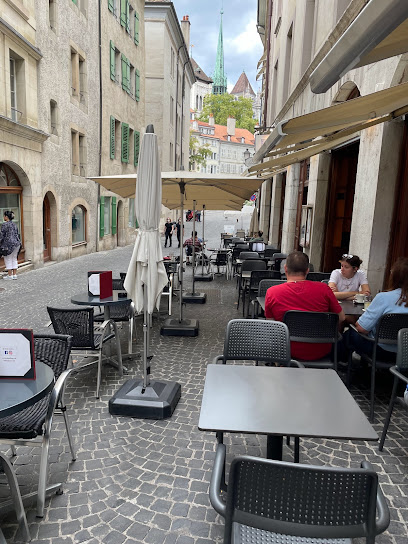
MET Rooftop Lounge - Hôtel Métropole
0.4 km
Discover a luxurious rooftop retreat overlooking Lake Geneva, featuring exquisite cocktails and tapas at the MET Rooftop Lounge.
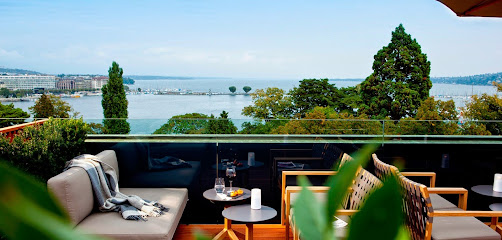
Nico & Co.
0.4 km
Discover the vibrant atmosphere and exquisite flavors at Nico & Co., Geneva's premier bar and restaurant for an unforgettable culinary experience.
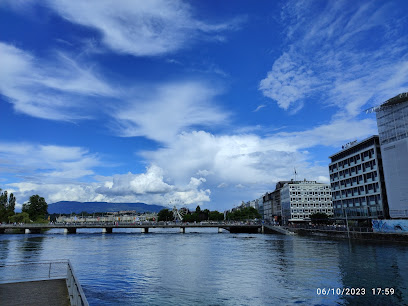
Riverside Café
0.5 km
Discover the Riverside Café in Geneva for a perfect blend of gourmet coffee, exquisite cocktails, and stunning riverside views.
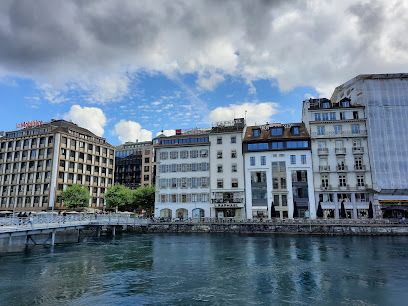
Arthur's rivegauche
0.5 km
Experience exquisite dining at Arthur's Rivegauche, where gourmet cuisine meets stunning views of Lake Geneva for an unforgettable night out.
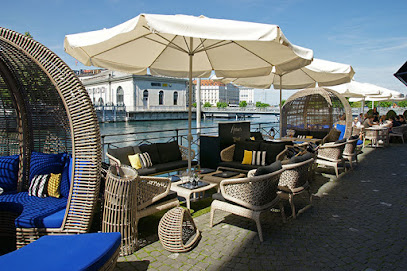
Mr.Barber
0.6 km
Experience the finest cocktails in Geneva at Mr. Barber, where creativity meets elegance in every drink.
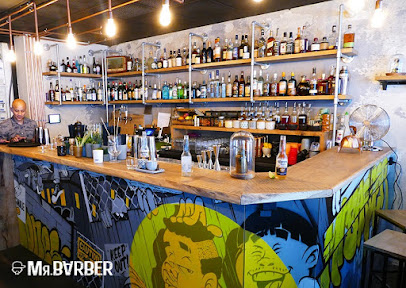
L'Apothicaire Cocktail-Club
0.7 km
Discover the finest cocktails in Geneva at L'Apothicaire Cocktail-Club, where mixology meets artistry in a stylish setting.
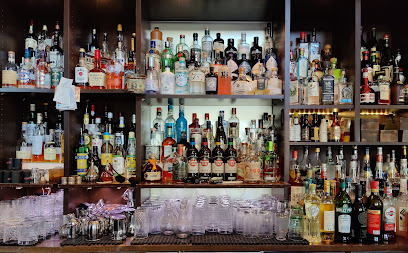
Le Bar des Bergues
0.7 km
Discover the exquisite charm of Le Bar des Bergues in Geneva, where elegance meets culinary excellence by the lakeside.
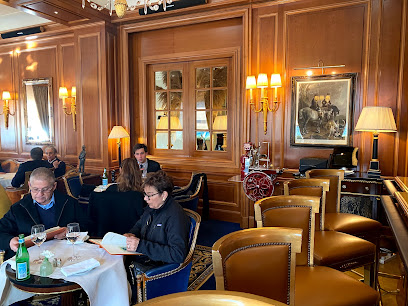
OH MY GIN
0.7 km
Discover OH MY GIN, Geneva's chic bar offering an extensive gin selection, delightful cuisine, and a vibrant atmosphere for relaxation and socializing.
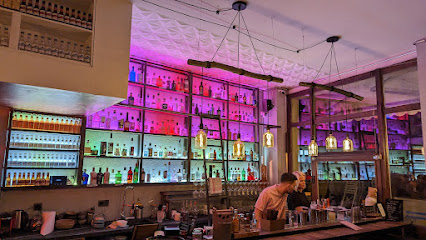
Black Sheep
0.7 km
Experience the best cocktails in Geneva at Black Sheep, a vibrant bar known for its creative drinks and lively atmosphere.
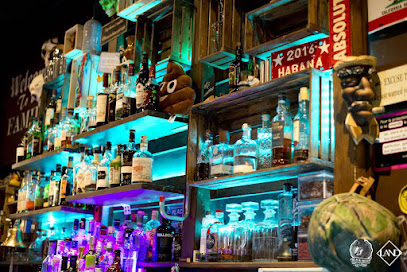
La Bretelle Bar Associatif
0.7 km
Discover La Bretelle Bar Associatif in Geneva, a cozy bar with affordable wines and a welcoming atmosphere perfect for relaxation and socializing.
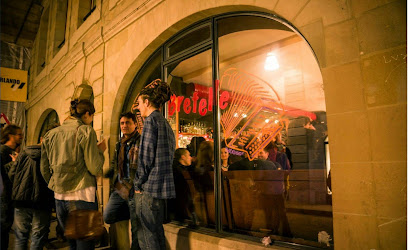
Le Calbar Genève
0.7 km
Discover Le Calbar Genève, an eclectic cocktail bar that offers a vibrant atmosphere and expertly crafted drinks, perfect for a night out in Geneva.
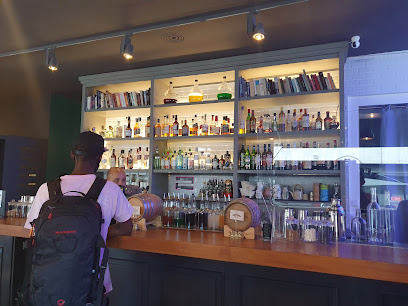
Le Bateau-Lavoir
0.7 km
Experience the vibrant atmosphere of Le Bateau-Lavoir, Geneva's premier live music bar, offering an eclectic mix of performances and delicious beverages.