St Pierre Cathedral, Rhone Alpes Travel Guide
Explore Geneva's iconic St Pierre Cathedral: a historic landmark where John Calvin preached, offering stunning views and a glimpse into the city's Reformation past and architectural evolution.
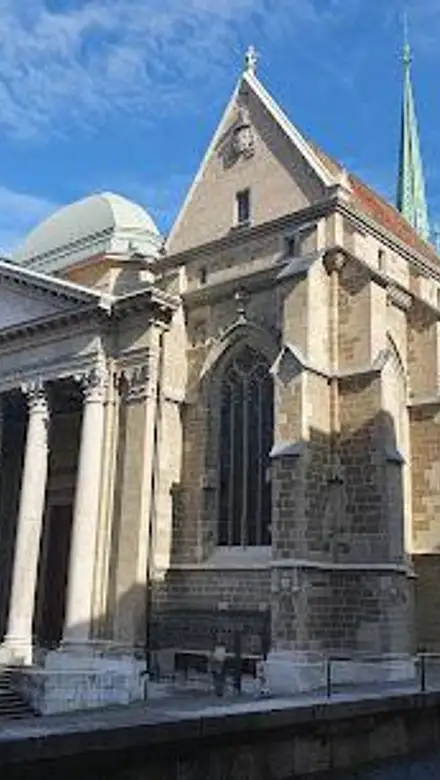
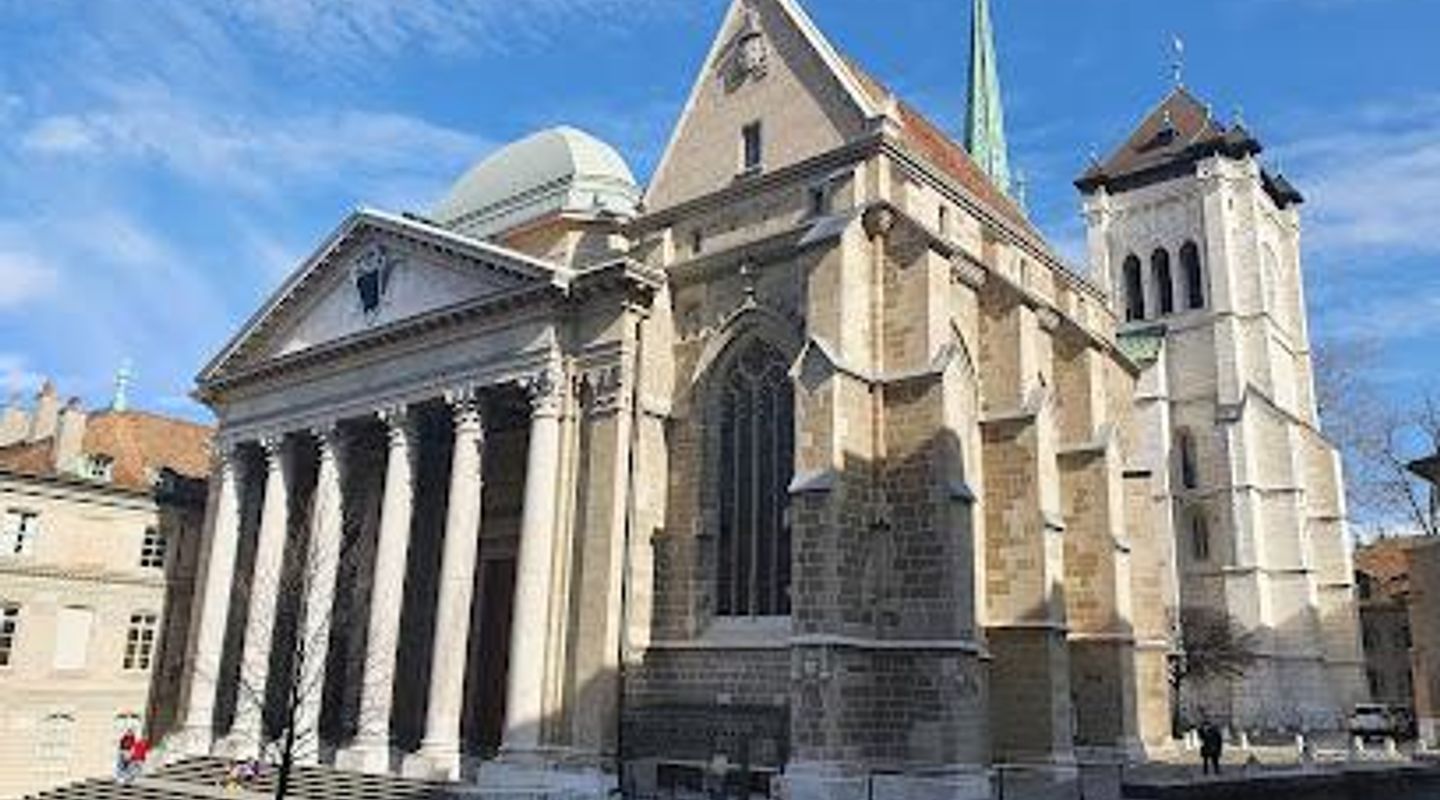
St Pierre Cathedral, a towering symbol of Geneva, boasts a rich history dating back to the 12th century. Originally a Roman Catholic cathedral, it became a key site of the Protestant Reformation, where John Calvin preached influential sermons. Today, visitors can explore its impressive architecture, climb the towers for panoramic city views, and delve into its fascinating past through archaeological excavations beneath the building. The cathedral's blend of Romanesque, Gothic, and Neoclassical styles reflects its long and evolving history. Its austere interior, a direct result of the Reformation, contrasts sharply with the elaborate chapels added before the 16th century. A visit offers a unique glimpse into Geneva's religious and political transformation, making it a must-see for history buffs and architecture enthusiasts alike. Don't miss the Calvin Auditorium, an important site of the Reformation, located adjacent to the cathedral.
A brief summary to St Pierre Cathedral
- Cr de Saint-Pierre, Geneva, 1204, CH
- Click to display
- Click to display
- Monday 10 am-5:30 pm
- Tuesday 10 am-4:30 pm
- Wednesday 10 am-5:30 pm
- Thursday 10 am-5:30 pm
- Friday 10 am-2 pm
- Saturday 10 am-5:30 pm
- Sunday 12 pm-5:30 pm

Know before you go
Hi, I'm Eve. Here are a few practical things to know before exploring St Pierre Cathedral.
- Climb the North Tower for panoramic views of Geneva and Lake Geneva; the small fee is well worth the vista.
- Explore the archaeological site beneath the cathedral to discover the remains of earlier churches and settlements dating back to Roman times.
- Visit the Calvin Auditorium adjacent to the cathedral to learn about John Calvin's teachings and the Reformation's impact on Geneva.
- Check the cathedral's website for upcoming concerts or services to experience the unique acoustics and spiritual ambiance of the space.
- Combine your visit with a trip to the International Museum of the Reformation, located nearby, for a deeper understanding of the Reformation's history and significance.
Do you manage this location?
Take control to get all the benefits, like improved information, better appearance, and stronger visibility across AI-powered discovery. Learn more about listing your business on Evendo
Activate your presenceOther nearby places you may find interesting
The closest places of the same kind, if this one is not quite what you had in mind.
Explore St Pierre Cathedral on the Map
A handpicked selection of must-see spots near St Pierre Cathedral, mapped for you.
Unlock the Best of St Pierre Cathedral
Buy tickets
-
No tickets available
Book tours with entry


Getting There
-
Walking
St Pierre Cathedral is centrally located in Geneva's old town, easily accessible on foot from most central areas. From Place du Bourg-de-Four, walk north along Rue de l'Hôtel-de-Ville, then turn left onto Place de la Taconnerie. The cathedral will be directly ahead. The walk is short and straightforward, taking only a few minutes. Note that the old town has cobblestone streets, so wear comfortable shoes.
-
Public Transport
The closest tram stop to St Pierre Cathedral is Molard. From Gare Cornavin (Geneva's main train station), take tram line 12 towards Carouge and get off at Molard. From Molard, walk uphill along Rue du Marché, then turn right onto Rue de la Cité. Continue onto Place de la Taconnerie; the cathedral will be on your left. A single-journey ticket (Tout Genève) costs CHF 3.00 and is valid for one hour on all Geneva public transport. Alternatively, a day pass costs CHF 8.00.
-
Taxi/Ride-Share
A taxi or ride-share from Gare Cornavin to St Pierre Cathedral will take approximately 10-15 minutes, depending on traffic. Expect to pay around CHF 20-30. Be aware that traffic in the old town can be congested, especially during peak hours. Request to be dropped off at Place de la Taconnerie for the closest access to the cathedral.
Discover more about St Pierre Cathedral













Your all‑in‑one travel companion app
Explore expert travel guides, compare and book tours, experiences, hotels, and more—all from the palm of your hand. Download now for seamless trip planning wherever your wanderlust takes you.


Explore More of Rhone Alpes

Looking beyond St Pierre Cathedral? Discover Rhone Alpes for broader travel guides, local hot-spots, and regional highlights.
Explore Rhone Alpes
Discover the serene beauty of Fontaine de la Treille in Geneva, a stunning fountain that captures the city's charm and history.
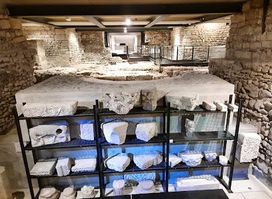
Unearth Geneva's hidden past at the Archaeological Site of St. Pierre Cathedral, revealing layers of history from ancient settlements to the Roman era and the rise of Christianity.