

Passerelle Eiffel Travel Guide
Free Guide: Discover the historic Passerelle Eiffel in Bordeaux, a 19th-century iron bridge offering panoramic city views and a glimpse into Gustave Eiffel's early engineering brilliance.


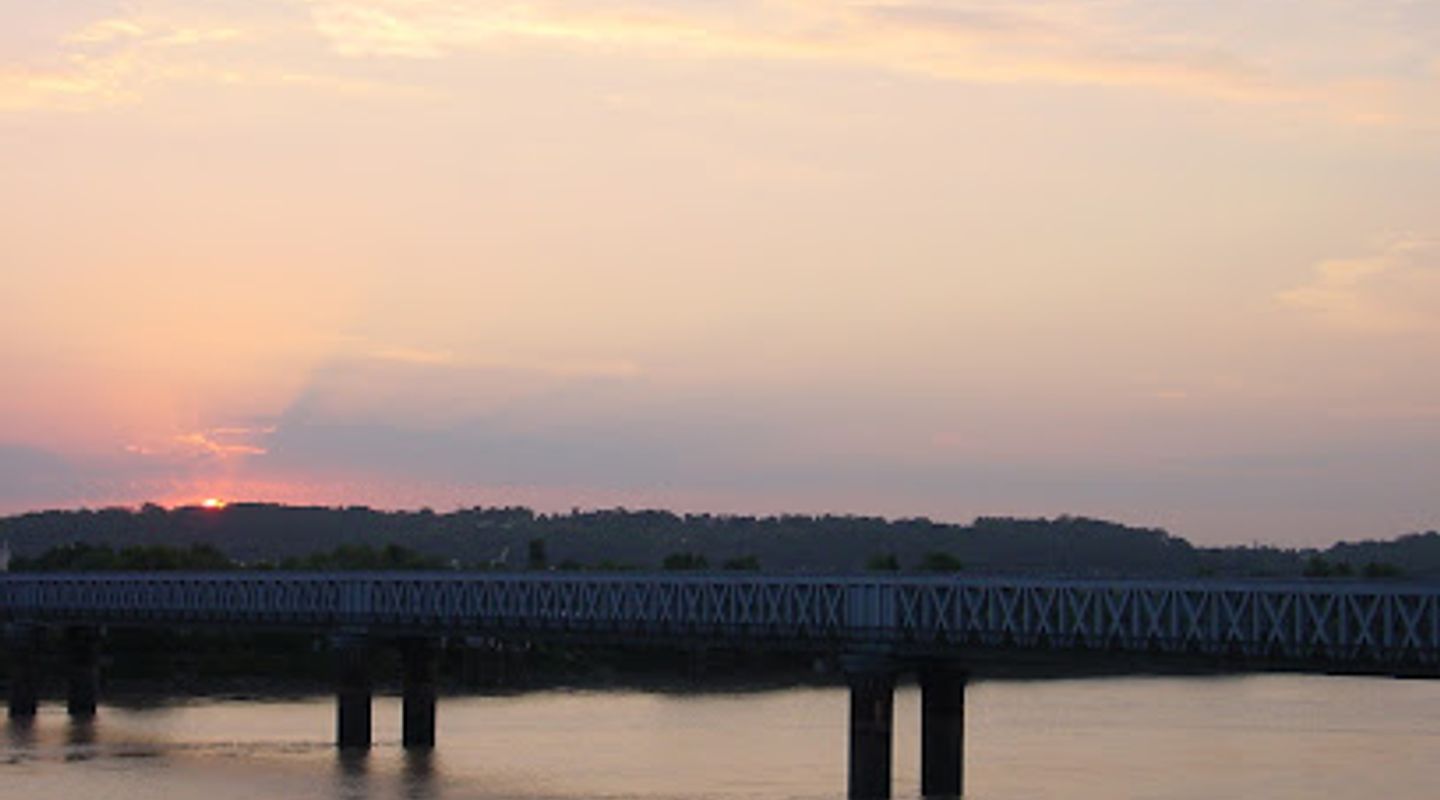
A brief summary of Passerelle Eiffel
Discover the historic Passerelle Eiffel in Bordeaux, a 19th-century iron bridge offering panoramic city views and a glimpse into Gustave Eiffel's early engineering brilliance.
The Passerelle Eiffel, also known as the Passerelle Saint-Jean, is a historic iron railway bridge in Bordeaux that now serves as a pedestrian and cyclist bridge. Constructed between 1858 and 1860, it was one of Gustave Eiffel's earliest projects, completed before his work on the Eiffel Tower. The bridge spans over 500 meters across the Garonne River, offering stunning panoramic views of the city. Saved from demolition and designated as a historical monument in 2010, the Passerelle Eiffel provides a unique glimpse into 19th-century engineering and Bordeaux's rich history. Walking across this bridge is a journey through time, showcasing the industrial charm and architectural innovation of the era. Its central location makes it easily accessible and a must-see attraction for visitors exploring Bordeaux.
Opening hours
- MonOpen 24 hours
- TueClosed
- WedClosed
- ThuClosed
- FriOpen 24 hours
- SatOpen 24 hours
- SunOpen 24 hours
Opening hours as listed on the venue’s Google Business Profile. Hours can change for services and special events, so check with the venue before you go.
- Address
- Garonne, Bordeaux
- Website
Getting there
Public Transport
Walking
Taxi/Ride-Share
Discover more about Passerelle Eiffel
Overview
The Passerelle Eiffel, an iconic structure in Bordeaux, stands as a testament to 19th-century engineering and the early career of Gustave Eiffel. Originally built as a railway bridge between 1858 and 1860, it connected the rail networks of the Compagnie des Chemins de Fer du Midi and the Compagnie du Chemin de Fer de Paris à Orléans. Before its construction, passengers had to transfer between the Gare d'Orléans and Gare Saint-Jean either by boat or via the Pont de Pierre. The bridge, also known as Passerelle Saint-Jean, stretches over 500 meters across the Garonne River. Its design, characterized by a metal structure and latticework, reflects the industrial aesthetic of the time. While Stanislas de la Roche-Tolay conceived the project, it was the young Gustave Eiffel, at just 26 years old, who supervised the construction. His innovative techniques, such as compressed air foundations for the tubular pillars, laid the groundwork for his future masterpiece, the Eiffel Tower. For over a century, the Passerelle Eiffel facilitated rail transport, witnessing the evolution from steam trains to high-speed TGVs. However, by the 21st century, its single track in each direction became a bottleneck, hindering the expansion of the railway network. In 2008, a new railway viaduct was commissioned, rendering the Passerelle Eiffel obsolete for rail traffic. Facing potential demolition, the bridge was declared a historic monument in 2010, ensuring its preservation. Between 2018 and 2020, it underwent careful restoration and was transformed into a pedestrian and cyclist bridge as part of the Euratlantique project. Today, the Passerelle Eiffel offers an exceptional panoramic view of Bordeaux, blending its industrial heritage with the urban and river landscape. Walking across the Passerelle Eiffel is more than just a physical crossing; it's a journey through history. The iron structure evokes the technical prowess of the 19th century and provides a unique perspective on the evolution of transportation. The bridge is easily accessible by public transport, making it a key point for pedestrians and cyclists. From the bridge, visitors can enjoy views of the Saint-Jean Bridge and the surrounding cityscape. The Passerelle Eiffel also holds interesting stories and details. During its construction, Gustave Eiffel himself reportedly jumped into the Garonne to save a worker who had fallen into the river. The bridge is known by locals as both the Eiffel Footbridge and the Saint-Jean Footbridge. Its declaration as a historical monument guarantees its conservation for future generations. While in Bordeaux, a visit to the Passerelle Eiffel can be combined with other nearby attractions. The Saint-Jean Bridge, adjacent to the Passerelle Eiffel, offers picturesque views of the surrounding landscape. The La Bastide district, located on the right bank of the Garonne, provides a blend of old and new architecture. The area around the Gare Saint-Jean is also worth exploring, with its mix of shops, restaurants, and historical buildings. Today, there are ongoing discussions about the future of the Passerelle Eiffel, with proposals to transform it into a vibrant space with buildings, shops, and cultural venues. These projects aim to revitalize the bridge and integrate it further into the life of Bordeaux, ensuring that this architectural gem continues to captivate locals and visitors alike. Whether you are an architecture enthusiast, a history buff, or simply looking for a scenic stroll, the Passerelle Eiffel offers a unique and memorable experience. Its blend of industrial charm, historical significance, and panoramic views makes it a must-see attraction in Bordeaux, inviting you to discover the city from a different perspective. Interesting facts and figures about the Passerelle Eiffel: * Innovative material: Puddled iron marked a before and after in 19th-century industrial architecture. * Pioneering technique: The compressed air foundation in the tubular pillars laid the foundations for the future Eiffel Tower. * Impressive dimensions: At 509.69 metres long and 8.60 metres wide, it is one of the largest footbridges in France. * A heroic act: During the construction work, Gustave Eiffel himself jumped into the Garonne river to save the life of one of his workers. * Adaptation required: On the last section of the railway line, trains were limited to a maximum speed of 30 km/h. The aim of this measure was to preserve the structure. * Double identity: The people of Bordeaux know it as both the Eiffel Footbridge and the Saint-Jean Footbridge. * Cultural recognition: Its declaration as a historical monument in 2010 guaranteed its conservation for future generations. The Passerelle Eiffel is more than just a bridge; it's a symbol of Bordeaux's industrial heritage and a testament to the enduring legacy of Gustave Eiffel.
Evendo Review Centre
 Google
Guest reviews
Explore Passerelle Eiffel on the map
A handpicked selection of must-see spots near Passerelle Eiffel, mapped for you.
Get your free copy of our complete guide to Passerelle Eiffel, delivered straight to you.
Everything on this page, from opening hours and how to get there to Eve’s tips and the best time to go, in one PDF you can read offline, print or share.
Already have an account? Sign in
Your Passerelle Eiffel guide is ready.
We'll send it to · Not you? Sign out

Getting your guide ready…
We are putting together a fresh copy of the Passerelle Eiffel guide. This can take up to a minute.
This can take a few moments. If your browser asks, choose Allow so the download can start. You'll find the guide in your Downloads folder.
Nothing happened? Download it again
Sorry, the guide is taking longer than usual. Please try again in a minute, or get it by email instead.
Other nearby places you may find interesting
The closest places of the same kind, if this one is not quite what you had in mind.
-
-
-
-
-


Swipe for more places
More to explore near Passerelle Eiffel

 Best experiences near Passerelle Eiffel
 Best hotels near Passerelle Eiffel
 Best landmarks near Passerelle Eiffel
 Best attractions near Passerelle Eiffel
 Best shops near Passerelle Eiffel
 Best restaurants near Passerelle Eiffel
 Best bars near Passerelle Eiffel
Do you manage this location?
Take control to get all the benefits, like improved information, better appearance, and stronger visibility across AI-powered discovery.
Explore more
Explore more of Aquitaine
Discover Aquitaine, a stunning region in southwestern France known for its beautiful beaches, historic towns, and world-famous Bordeaux wines.
Explore Aquitaine
Explore more of France
Explore France: A land of romance, history, and unparalleled beauty, from the iconic streets of Paris to the serene landscapes of Provence and the luxury of the French Riviera.
Explore France
