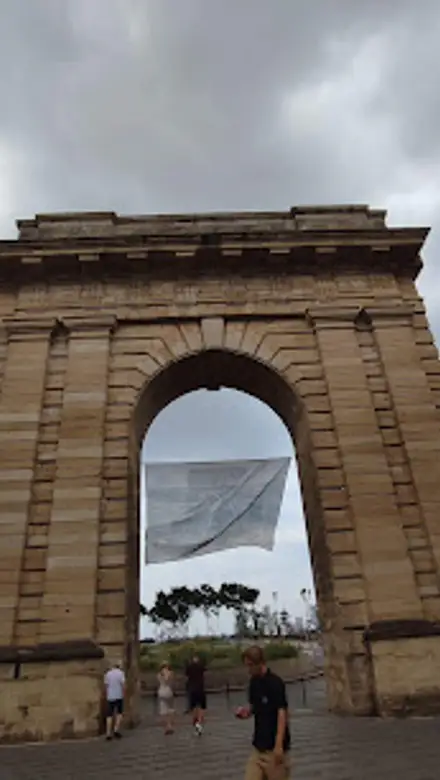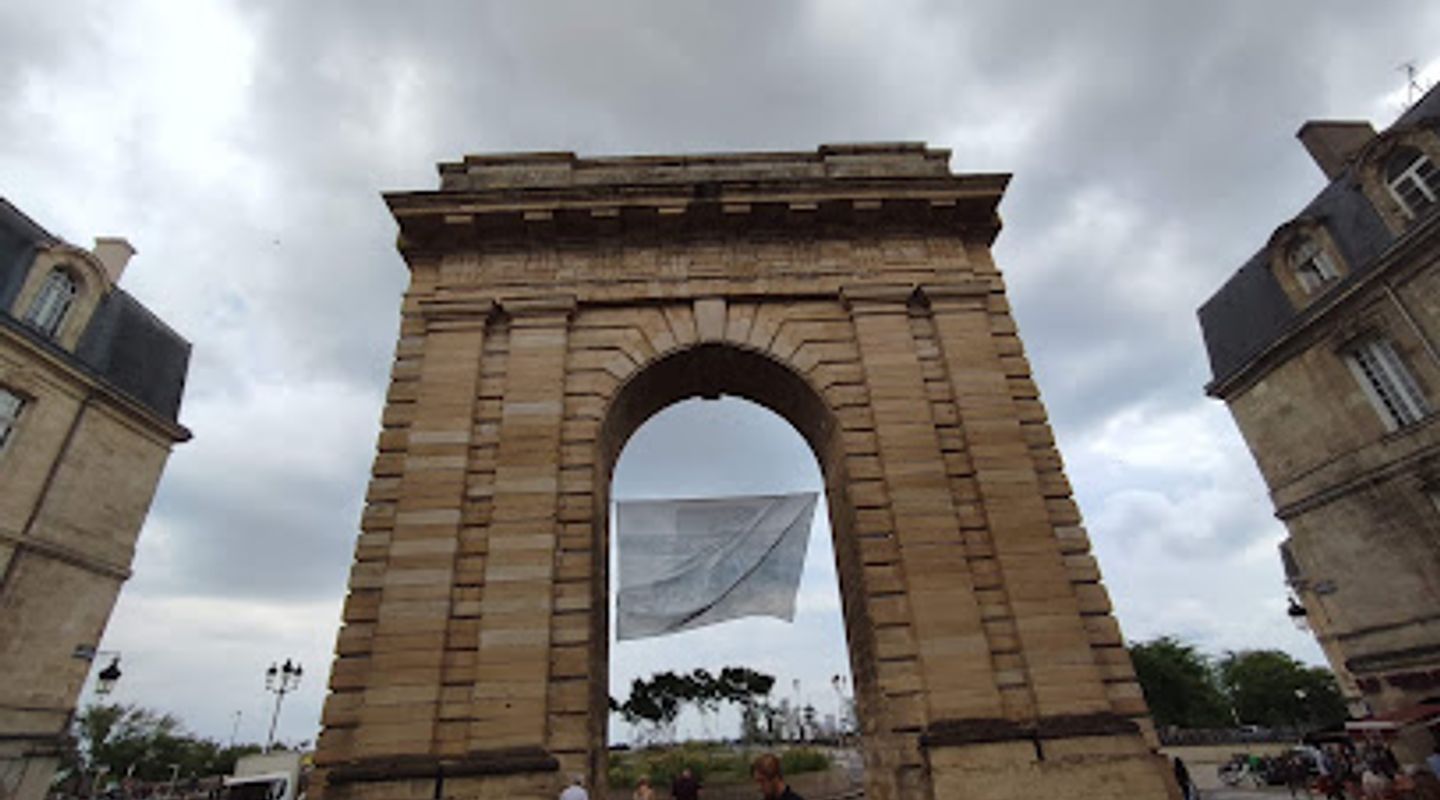
Porte de Bourgogne, Aquitaine Travel Guide
Discover the elegance of Porte de Bourgogne, a historic landmark in Bordeaux that offers a glimpse into the city's rich past, architectural beauty, and vibrant culture.
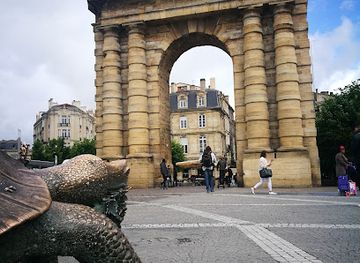
The Porte de Bourgogne, a magnificent neoclassical arch, stands as a proud testament to Bordeaux's rich history and architectural grandeur. Constructed in the mid-18th century, it marked the eastern entrance to the city, welcoming visitors and symbolizing Bordeaux's prosperity. Designed by architect André Portier, the gate's elegant facade, adorned with Corinthian columns and intricate sculptures, reflects the classical influences of the era. Today, the Porte de Bourgogne serves as a captivating landmark, inviting exploration of the city's cultural heritage and offering stunning views of the Garonne River. Its location near Place de la Bourse and other attractions makes it a must-see for any traveler seeking to immerse themselves in the beauty and history of Bordeaux. The surrounding area, with its charming streets, cafes, and boutiques, adds to the allure, creating a vibrant atmosphere that captures the essence of this magnificent city. A visit to the Porte de Bourgogne is a journey through time, offering a glimpse into Bordeaux's past and a celebration of its enduring legacy.
A brief summary to Porte de Bourgogne
- Pl. de Bir Hakeim, Bordeaux, 33000, FR
- Click to display
- Click to display

Know before you go
Hi, I'm Eve. Here are a few practical things to know before exploring Porte de Bourgogne.
- Visit during sunset for breathtaking views and perfect lighting for photography.
- Take a leisurely walk along the riverfront for stunning perspectives of the Porte de Bourgogne.
- Explore nearby cafés for a taste of local cuisine while enjoying the view of the monument.
Do you manage this location?
Take control to get all the benefits, like improved information, better appearance, and stronger visibility across AI-powered discovery. Learn more about listing your business on Evendo
Activate your presenceOther nearby places you may find interesting
The closest places of the same kind, if this one is not quite what you had in mind.
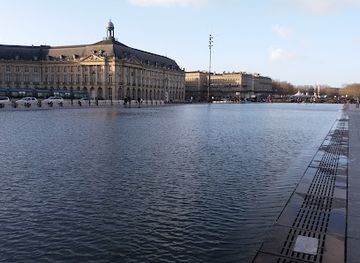
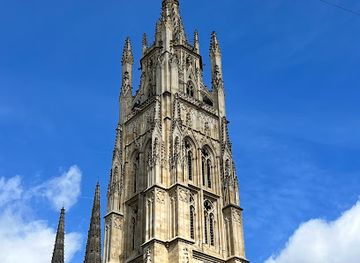
Explore Porte de Bourgogne on the Map
A handpicked selection of must-see spots near Porte de Bourgogne, mapped for you.
Unlock the Best of Porte de Bourgogne
Buy tickets
-
No tickets available
Book tours with entry


Getting There
-
Public Transport
The Porte de Bourgogne is easily accessible by Bordeaux's efficient public transport system. From Bordeaux-Saint Jean train station, take tram line C and get off at the 'Porte de Bourgogne' stop. The tram ride takes approximately 15 minutes. A single ticket costs €1.80 and is valid for one hour, allowing unlimited transfers. Alternatively, from the city center, several tram and bus lines serve the Porte de Bourgogne, including tram lines A and D. Validate your ticket upon boarding to avoid fines. Consider purchasing a 24-hour pass for €5 if you plan to use public transport extensively.
-
Walking
If you are already in the city center, walking to the Porte de Bourgogne is a pleasant option. From Place de la Bourse, head southeast along Quai de la Douane, following the Garonne River. The walk takes approximately 10-15 minutes and offers scenic views of the riverfront. The Porte de Bourgogne will be visible ahead, marking the entrance to Cours Victor Hugo.
-
Taxi/Ride-Share
Taxis and ride-sharing services like Uber are readily available in Bordeaux. A short taxi ride from the city center to the Porte de Bourgogne typically costs between €6-€8 and takes only a few minutes, depending on traffic. Be sure to confirm the fare with the driver or check the app estimate before starting your journey.
-
Driving
If driving, be aware that traffic in the city center can be heavy, and parking near the Porte de Bourgogne is limited. Metered street parking is available, costing around €1.80 to €2.50 per hour, but spaces are often difficult to find. Several public car parks are located within walking distance, such as Parking des Salinières, but expect to pay around €20 per day. Consider using a park-and-ride facility on the outskirts of the city and taking the tram for the final leg of your journey.
Discover more about Porte de Bourgogne













Your all‑in‑one travel companion app
Explore expert travel guides, compare and book tours, experiences, hotels, and more—all from the palm of your hand. Download now for seamless trip planning wherever your wanderlust takes you.


Explore More of Aquitaine
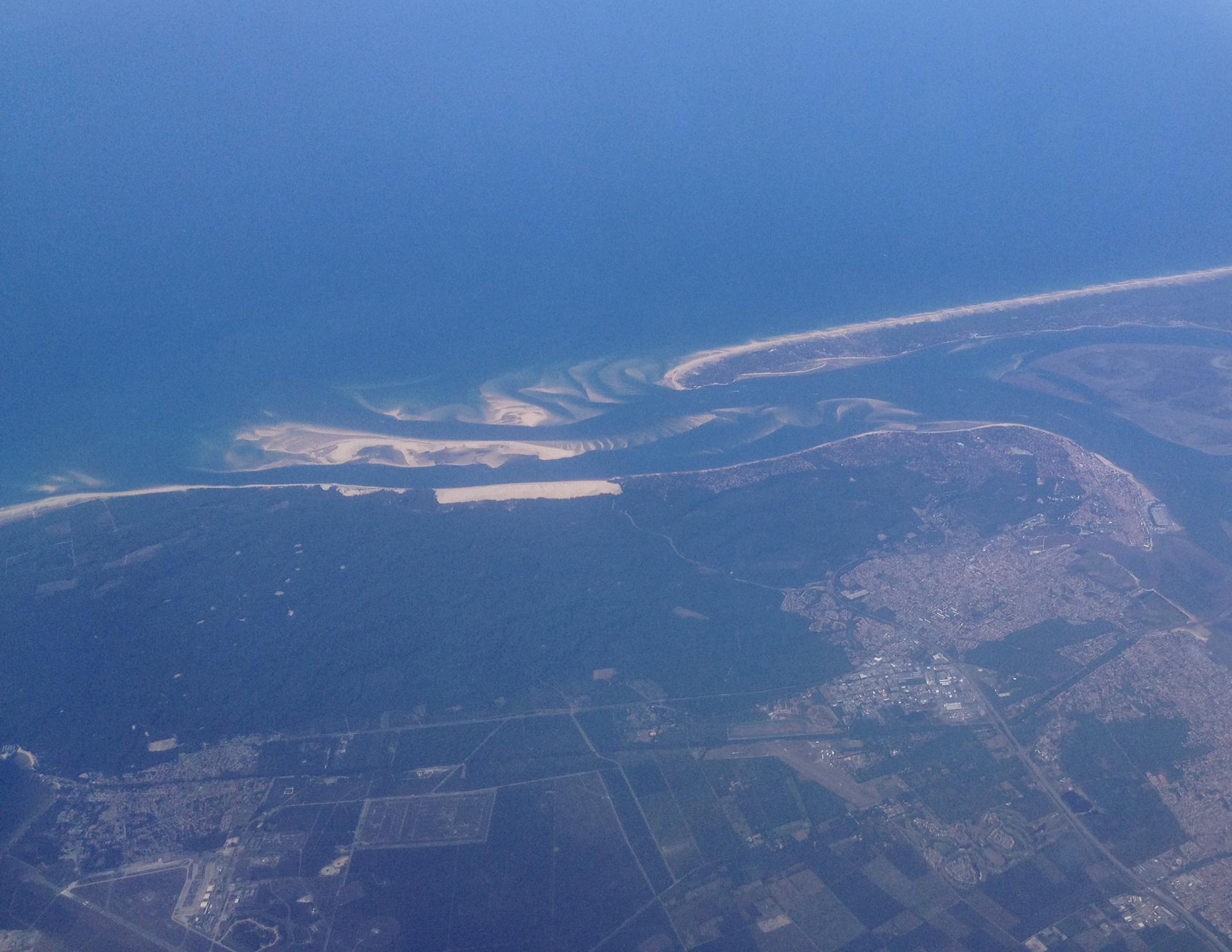
Looking beyond Porte de Bourgogne? Discover Aquitaine for broader travel guides, local hot-spots, and regional highlights.
Explore Aquitaine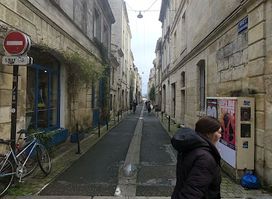
Discover the authentic charm of Rue Andronne in Bordeaux: a quaint street offering a peaceful escape, local shops, and a genuine taste of Bordeaux life, conveniently located near key attractions.
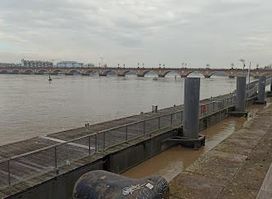
Embark on a Garonne River adventure from Bordeaux's Pontoon of Honor, where history, stunning architecture, and wine cruises await, offering a unique city perspective.