

Free Aquitaine Travel Guide & Mobile App
Explore Aquitaine with free travel guides. Discover regional history, expert tips, proposed trips, and audio guides on web or mobile app.


Explore Aquitaine for Bordeaux wines, Atlantic beaches, prehistoric caves, Basque culture, Dordogne villages and Pyrenean landscapes.
Read more about Aquitaine
When is the best time to visit Aquitaine?
Best: June, August–September · 25–28°C| Month | High (°C) | Rainfall (mm) |
|---|---|---|
| January | 11 | 80 |
| February | 12 | 70 |
| March | 15 | 75 |
| April | 18 | 80 |
| May | 22 | 85 |
| June (best) | 26 | 70 |
| July | 28 | 65 |
| August (best) | 28 | 65 |
| September (best) | 25 | 75 |
| October | 19 | 90 |
| November | 14 | 95 |
| December | 11 | 90 |
Getting to and around Aquitaine
How to get there
Transportation
Top city travel guides in Aquitaine
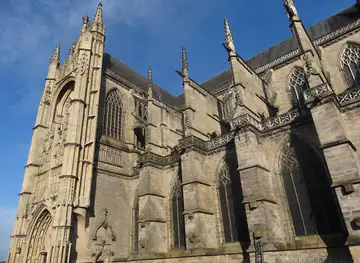
The cities of Aquitaine, and the easiest places to base yourself.
-

-

-

-


Swipe for more cities
Destinations in Aquitaine
Resorts, valleys and scenic spots worth a trip of their own.
-

-

-

-

-

-


Swipe for more destinations
Best attractions in Aquitaine
Aquitaine offers an unusually broad range of attractions across its five historic departments. Bordeaux's museums, riverfront architecture and wine-related cultural sites provide an urban starting point, while the surrounding vineyards lead to estates, village markets and the medieval town of Saint-Émilion. On the coast, the Bassin d'Arcachon combines oyster-farming communities, boat excursions and beaches with access to the Dune du Pilat, and the Landes provides long sandy shores, cycling routes and extensive pine forest. Dordogne is distinguished by canoeing, cave systems, bastides, castles and prehistoric heritage, including the reconstructed visitor experience at Lascaux IV. Lot-et-Garonne adds canal-side paths, orchards and fortified towns, while Pyrénées-Atlantiques brings Basque cultural sites, Atlantic resorts, rural valleys and access to Pyrenean walking country. Activities are highly seasonal: swimming and surfing centre on summer, river sports depend on conditions, and hiking requires suitable planning in both forest and mountain terrain.
-
Museum
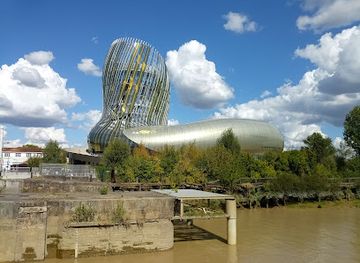
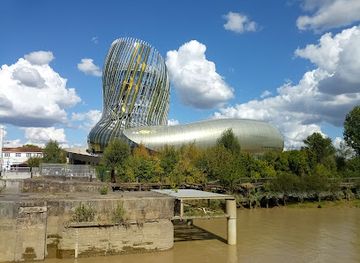
Cité du Vin
Embark on a sensory adventure through the world of wine at Bordeaux's iconic Cité du Vin, exploring its history, culture, and art in a stunning architectural masterpiece.
-
Historical landmark
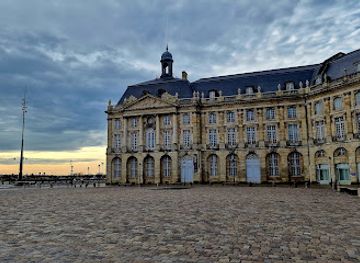
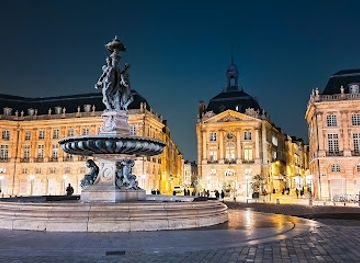
Place de la Bourse
Discover Bordeaux's iconic Place de la Bourse: a stunning 18th-century square, home to the mesmerizing Miroir d'Eau, reflecting the city's rich history and architectural grandeur.
-
Castle
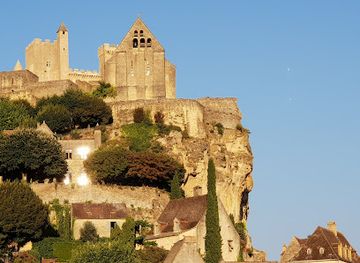
Château de Beynac
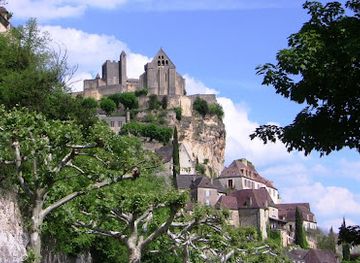
Explore Château de Beynac, a magnificent medieval fortress in the Dordogne Valley, offering a journey through history, stunning architecture, and breathtaking panoramic views.
-
Art center
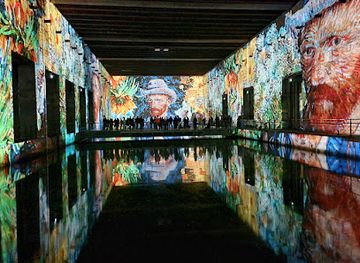
Bassins des Lumières
Experience art in a new light at Bassins des Lumières, the world's largest digital art center housed in a former WWII submarine base in Bordeaux, offering immersive exhibitions for all ages.
Best landmarks in Aquitaine
Bordeaux's eighteenth-century riverside façades and Place de la Bourse express the wealth and ambition created by port commerce, while the Pont de Pierre remains a defining crossing of the Garonne. The medieval hill town of Saint-Émilion, surrounded by vineyards, is notable for its monolithic church and underground heritage. The Dune du Pilat forms a dramatic natural landmark on the Atlantic edge of Gironde, looking towards the ocean, forest and Bassin d'Arcachon. In Dordogne, the castles of Beynac and Castelnaud rise above the Dordogne valley, and the old streets of Sarlat-la-Canéda preserve an exceptionally coherent medieval and Renaissance townscape. Pau Castle recalls the political history of Béarn and Navarre, while Bayonne Cathedral and its historic streets reflect the meeting of Basque, French and maritime influences. On the coast, Biarritz's Rocher de la Vierge and the lighthouse are recognisable markers of a resort shaped by nineteenth-century seaside development.
-
Fortress
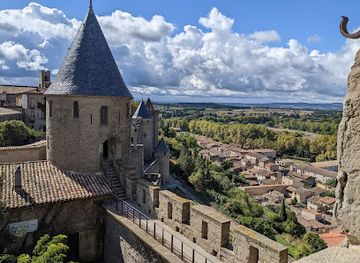
Cité de Carcassonne
Step back in time at the Cité de Carcassonne, a UNESCO World Heritage site and one of Europe's best-preserved medieval fortresses.
-
Museum
Cité du Vin
Explore the world of wine at Bordeaux's Cité du Vin: an immersive journey through culture, history, and civilizations, complete with panoramic views.
-
Historical landmark
Place de la Bourse
Bordeaux's iconic square: a neoclassical masterpiece with a mesmerizing water mirror, reflecting centuries of history and elegance.
-
Castle
Château de Beynac
Explore a magnificent medieval fortress with stunning views of the Dordogne Valley; a journey through centuries of French history.
Explore Aquitaine on the map
Plan your trip on one map. See where the top cities, national parks and sights are, and book hotels and experiences in a few clicks.
Best hotels in Aquitaine
Best restaurants in Aquitaine
Aquitaine's food culture follows its geography. Bordeaux and the surrounding wine country offer brasseries, contemporary restaurants, traditional bistros and tastings built around the region's celebrated appellations, while the Gironde coast and Bassin d'Arcachon are associated with oysters, mussels, fish and other seafood. Inland Dordogne and Lot-et-Garonne are known for market produce, walnuts, truffles, duck, foie gras and rich country cooking, although menus vary by season and establishment. The Landes contributes poultry, duck and agricultural produce, and the Basque and Béarnais districts bring dishes using peppers, cured meats, cheese and seafood. Canelés are a familiar Bordeaux speciality, while local markets, village cafés, bakeries and rural inns often provide the most direct introduction to everyday regional eating. In larger towns, restaurants increasingly combine Aquitaine ingredients with modern French techniques.
-
Restaurant
French House
Experience exquisite dining at French House: where classic French cuisine meets modern cocktail culture in the heart of Bordeaux.
-
French
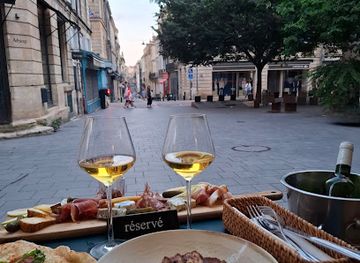
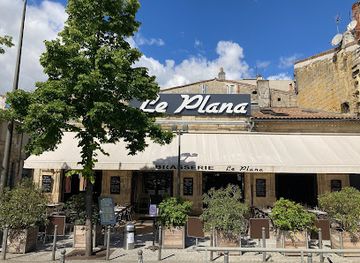
Restaurant Le Plana
Experience authentic French cuisine with modern flair at Restaurant Le Plana in Bordeaux – a true culinary haven for food enthusiasts.
-
French
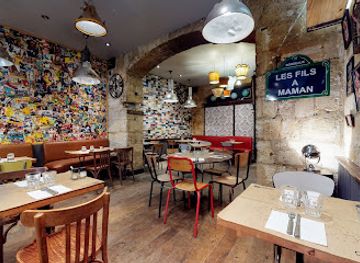
Les Fils à Maman Bordeaux
Discover the heartwarming flavors of French comfort food at Les Fils à Maman Bordeaux - where tradition meets modernity.
-
Restaurant
La Cabane des JAUD
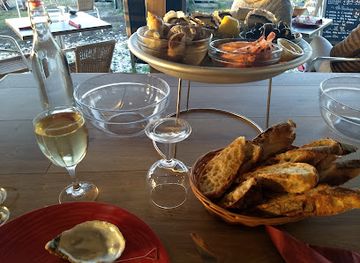
Experience exquisite dining at La Cabane des JAUD - where fresh local ingredients meet coastal charm in Gujan-Mestras.
Best bars in Aquitaine
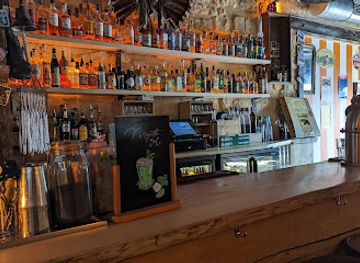
Evening life in Aquitaine is varied rather than concentrated in one nightlife circuit. Bordeaux has the largest selection of wine bars, cocktail venues, music spaces, late-opening restaurants and clubs, particularly around the central districts and riverfront, though individual venues and opening arrangements change. Bayonne, Biarritz and Saint-Jean-de-Luz offer a mixture of traditional bars, cafés, live music and seasonal nightlife shaped by the Atlantic coast and Basque culture. Arcachon and the Landes resorts become livelier during the summer holiday season, while smaller inland towns generally centre their evenings on cafés, bistros, village fêtes and traditional or modern pubs. Wine tasting, cider and regional drinks are available, but exploring Aquitaine's evening culture does not require alcohol; food, theatre, concerts and night-time walks through historic centres are equally established options.
-
Irish pub
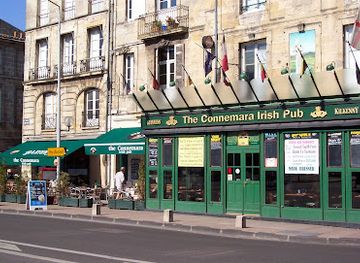
The Connemara
Experience the warmth of Irish culture at The Connemara, a lively pub in Bordeaux offering delicious food, drinks, and a vibrant atmosphere.
-
Wine bar
Le Bar à Vin
Discover the essence of Bordeaux’s wine culture at Le Bar à Vin, a cozy haven for wine enthusiasts with an exquisite selection and delightful small plates.
-
Bar
The Frog & Rosbif
Experience the vibrant atmosphere and delicious offerings at The Frog & Rosbif, Bordeaux's beloved pub and burger haven.
-
Pub
The Grizzly Pub
Discover the vibrant atmosphere and delicious offerings at The Grizzly Pub, Bordeaux's cozy retreat for food and drink enthusiasts.


Best nightclubs in Aquitaine
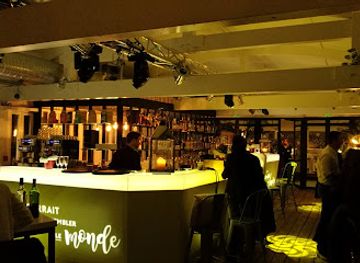
Evening life in Aquitaine is varied rather than concentrated in one nightlife circuit. Bordeaux has the largest selection of wine bars, cocktail venues, music spaces, late-opening restaurants and clubs, particularly around the central districts and riverfront, though individual venues and opening arrangements change. Bayonne, Biarritz and Saint-Jean-de-Luz offer a mixture of traditional bars, cafés, live music and seasonal nightlife shaped by the Atlantic coast and Basque culture. Arcachon and the Landes resorts become livelier during the summer holiday season, while smaller inland towns generally centre their evenings on cafés, bistros, village fêtes and traditional or modern pubs. Wine tasting, cider and regional drinks are available, but exploring Aquitaine's evening culture does not require alcohol; food, theatre, concerts and night-time walks through historic centres are equally established options.
-
Night club
Le Cercle - Boite de nuit à Bordeaux
Dive into Bordeaux's nightlife at Le Cercle, a vibrant night club offering music, dancing, and a lively atmosphere that ensures unforgettable evenings.
-
Night club
Le Theatro
Discover the electrifying nightlife of Bordeaux at Le Theatro, where unforgettable nights and pulsating beats await.
-
Night club
LA DAME Club
Dive into the nightlife of Bordeaux at LA DAME Club, where vibrant music and an electrifying atmosphere create unforgettable evenings.
-
Disco club
DUPLEX CLUB
Experience the electrifying nightlife at DUPLEX CLUB in Biarritz, where vibrant music and a lively atmosphere await every night.



Best shops in Aquitaine
Shopping in Aquitaine ranges from Bordeaux's established central streets and specialist food shops to village markets and coastal boutiques. Bordeaux is the strongest centre for wine merchants, books, antiques, design, clothing and gourmet products, while Saint-Émilion focuses heavily on wine, regional foods and gifts connected with the vineyards. Sarlat-la-Canéda and other Dordogne towns are good places to browse markets for walnuts, preserved foods, truffles when in season, duck products and local produce. Along the Basque coast, look for espadrilles, textiles, pottery, food products and regional design, with Bayonne and Biarritz offering different balances of traditional and contemporary retail. Arcachon and the Landes resorts have seasonal shops, surf equipment and seaside goods, while inland markets and farm shops often provide more useful souvenirs than generic tourist outlets. Check transport and customs rules before carrying wine or perishable products internationally.
-
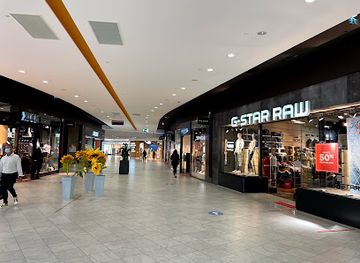
Shopping mall
Promenade Sainte Catherine
Experience the lively shopping scene at Promenade Sainte Catherine, Bordeaux's premier destination for retail and dining.
-
Shopping mall
Mériadeck
Explore Mériadeck, Bordeaux's vibrant shopping mall featuring a mix of retail, dining, and local culture in a modern setting.
-
Shopping mall
Centre commercial Mérignac Soleil
Explore the diverse shopping and dining options at Centre Commercial Mérignac Soleil, the ultimate destination for fashion and leisure in Mérignac.
-
Store
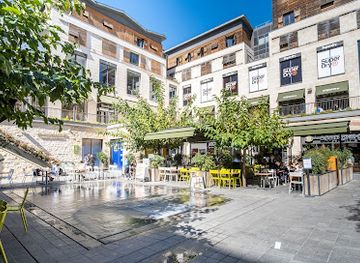
Bord'eau Village
Bord'eau Village in Bordeaux: A vibrant blend of gourmet shopping, coworking spaces, and rich historical experiences along the scenic waterfront.

Get your free copy of our complete guide to Aquitaine, delivered straight to you.
Everything on this page, from attractions and restaurants to essentials and local phrases, in one PDF you can read offline, print or share.
Already have an account? Sign in
Your Aquitaine guide is ready.
We'll send it to · Not you? Sign out

Getting your guide ready…
We are putting together a fresh copy of the Aquitaine guide. This can take up to a minute.
This can take a few moments. If your browser asks, choose Allow so the download can start. You'll find the guide in your Downloads folder.
Nothing happened? Download it again
Sorry, the guide is taking longer than usual. Please try again in a minute, or get it by email instead.
Aquitaine essentials
Currency and Payment
Safety
Emergency Situations
Do's and Don'ts
Local Tips
From Eve
Local phrases worth knowing
You don't need to get them perfect. A few words go a long way, and locals appreciate the effort.
Basics
| English | Local | Say it |
|---|---|---|
| Hello | Salut | [sah-loo] |
| Goodbye | Au revoir | [oh ruh-vwahr] |
| Yes | Oui | [wee] |
| No | Non | [noh] |
| Please/You're welcome | S'il vous plaît/De rien | [seel voo pleh/deh ryan] |
| Thank you | Merci | [mehr-see] |
| Excuse me/Sorry | Excusez-moi/Désolé | [ehk-skew-zay mwah/deh-zoh-lay] |
| How are you? | Comment ça va? | [koh-mohn sah vah] |
| Fine. And you? | Bien. Et vous? | [byehn. eh voo] |
| Do you speak English? | Parlez-vous anglais? | [par-lay voo ahn-glay] |
| I don't understand | Je ne comprends pas | [zhuh nuh kohm-prahn pah] |
Eating & Drinking
| English | Local | Say it |
|---|---|---|
| I'd like to see the menu, please | Je voudrais voir le menu, s'il vous plaît | [zhuh voo-dray vwah le meh-nu, seel voo pleh] |
| I don't eat meat | Je ne mange pas de viande | [zhuh nuh mahnj pah deh vyahnd] |
| Cheers! | Santé! | [sahn-tay] |
| I would like to pay, please | Je voudrais payer, s'il vous plaît | [zhuh voo-dray pay-ay, seel voo pleh] |
Emergencies
| English | Local | Say it |
|---|---|---|
| Help! | Au secours! | [oh se-kour] |
| Go away! | Allez-vous-en! | [ah-lay voo-zahn] |
| Call the Police! | Appelez la police! | [ah-peh-lay lah poh-lees] |
| Call a doctor! | Appelez un médecin! | [ah-peh-lay uhn meh-deh-cin] |
| I'm lost | Je suis perdu | [zhuh swee pair-doo] |
| I'm ill | Je suis malade | [zhuh swee mah-lahd] |
Shopping
| English | Local | Say it |
|---|---|---|
| I'd like to buy... | Je voudrais acheter... | [zhuh voo-dray ah-sheh-tay] |
| I'm just looking | Je regarde juste | [zhuh ruh-gard zhuhst] |
| How much is it? | C'est combien? | [seh kohm-byen] |
| That's too expensive | C'est trop cher | [seh troh shair] |
| Can you lower the price? | Pouvez-vous baisser le prix? | [poo-vay voo beh-say le pree] |
Time & Numbers
| English | Local | Say it |
|---|---|---|
| What time is it? | Quelle heure est-il? | [kehl uhr eh-teel] |
| It's one o'clock | Il est une heure | [eel eh ewn uhr] |
| Half past (10) | Dix heures et demie | [dees uhr eh duh-mee] |
| Morning | Matin | [mah-tan] |
| Afternoon | Après-midi | [ah-pray mee-dee] |
| Evening | Soir | [swahr] |
| Yesterday | Hier | [ee-ehr] |
| Today | Aujourd'hui | [oh-zhoor dwee] |
| Tomorrow | Demain | [duh-mahn] |
| 1 | Un | [uhn] |
| 2 | Deux | [duhr] |
| 3 | Trois | [trwah] |
| 4 | Quatre | [ka-truh] |
| 5 | Cinq | [sank] |
| 6 | Six | [sees] |
| 7 | Sept | [set] |
| 8 | Huit | [weet] |
| 9 | Neuf | [nuhf] |
| 10 | Dix | [dees] |
Transport & Directions
| English | Local | Say it |
|---|---|---|
| Where's a/the...? | Où est un/le...? | [oo eh uhn/le] |
| What's the address? | Quelle est l'adresse? | [kehl eh lah-dress] |
| Can you show me (on the map)? | Pouvez-vous me montrer (sur la carte)? | [poo-vay voo muh mohn-tray (sur lah kart)] |
| When's the next (bus)? | Quand est le prochain (bus)? | [kahn eh luh pro-shen (bus)] |
| A ticket (to ....) | Un billet (pour....) | [uhn bee-yay (poor....)] |
History of Aquitaine
Prehistoric Aquitaine and the Vézère Caves
The Vézère valley in Dordogne contains an exceptional concentration of prehistoric sites, including decorated caves, rock shelters and burial locations associated with Neanderthal and early modern human activity. Lascaux, discovered near Montignac in 1940, became particularly famous for its Upper Palaeolithic paintings, although the original cave is protected and visitors use a carefully produced replica at Lascaux IV. The wider valley's archaeological record reveals changing environments, technologies and artistic practices over tens of thousands of years, making Dordogne one of Europe's most important regions for understanding prehistoric settlement.
Roman Aquitania
Rome incorporated south-western Gaul into the province of Aquitania during the first century BC and AD. Roads, towns, villas and administrative centres connected the region to the wider imperial economy, while Bordeaux, then known as Burdigala, grew as a significant commercial settlement on the Garonne. Roman remains are visible in several parts of modern Aquitaine, although later building has often obscured them. The name Aquitaine itself derives from this ancient provincial identity and continued to shape the region's political geography long after Roman rule ended.
Medieval Duchy and English Rule
Aquitaine became one of medieval western Europe's most contested territories. The marriage of Eleanor of Aquitaine to Henry Plantagenet in 1152 and his accession as King of England brought the duchy into the Angevin realm. Bordeaux benefited from commercial links with England, especially through wine exports, while fortified towns and castles reflected the region's strategic importance. The duchy retained its own institutions and privileges, but the overlapping claims of the English and French crowns helped turn south-western France into a major theatre of the Hundred Years War.
Bastides, Trade and Fortified Landscapes
From the thirteenth century, rulers and local lords established planned settlements known as bastides across parts of Dordogne, Lot-et-Garonne and neighbouring areas. Their regular squares, arcaded market spaces and defensive layouts encouraged settlement and commerce in a politically contested countryside. Towns such as Monpazier and Villeneuve-sur-Lot preserve aspects of this planned urban tradition, while castles and fortified churches testify to prolonged rivalry. These places were not simply military foundations: markets, taxation and agricultural production made them important instruments of medieval economic development.
Bordeaux, Wine and Atlantic Commerce
The development of Bordeaux's wine trade was closely linked to maritime access and political ties with England, later expanding through Dutch, German and other European markets. The port connected vineyards along the Garonne and Dordogne with Atlantic shipping routes, while the eighteenth century brought major urban expansion and grand classical quays. Bordeaux and other Atlantic ports also participated in colonial trade and the transatlantic slave system; museums and memorials in the city address this difficult history. The region's modern wine identity therefore rests on both agricultural expertise and complex commercial legacies.
The Landes Forest and Nineteenth-Century Transformation
Much of the Landes was historically a sparsely populated landscape of wetlands, heath and shifting sands. During the nineteenth century, large-scale drainage and the planting of maritime pine transformed the area, providing timber, resin and improved agricultural conditions while creating the extensive forest landscape seen today. New roads and railways supported settlement and industry, though the forest has also been vulnerable to severe fires. The Landes is therefore both a natural environment and a major human-made landscape, shaped by state planning, forestry and later coastal tourism.
Basque and Béarnais Cultural Continuities
The southern districts of Aquitaine contain communities with distinct historical identities. Basque culture remains visible in the architecture, food, sporting traditions and linguistic heritage of towns and villages in Pyrénées-Atlantiques, on both the coast and inland. Béarn developed around its own institutions, landscapes and political traditions, with Pau associated with the medieval and later royal history of the kingdom of Navarre and Béarn. Modern administrative borders have not erased these identities, which continue to influence festivals, place names, crafts and regional cuisine.
Tourism, Surfing and the Modern Coast
From the nineteenth century onwards, rail connections, seaside medicine and leisure transformed coastal settlements such as Biarritz, Arcachon and later the resorts of the Landes. Grand villas, promenades and bathing establishments developed alongside older fishing and port economies. In the twentieth century, surfing became a defining influence on parts of the Atlantic coast, while beach tourism and cycling expanded across the Landes. These changes produced a region that combines historic maritime communities with a modern international tourism economy, subject to seasonal pressure and coastal environmental concerns.
Aquitaine in Photos
Browse through our photo collection highlighting the charm and character of the destination.
Neighbouring regions of Aquitaine
The closest regions to Aquitaine, if you have time for more than one.
-

-

-

-

-


Swipe for more regions
Explore more

Explore more of France
Explore France: A land of romance, history, and unparalleled beauty, from the iconic streets of Paris to the serene landscapes of Provence and the luxury of the French Riviera.
Explore France