
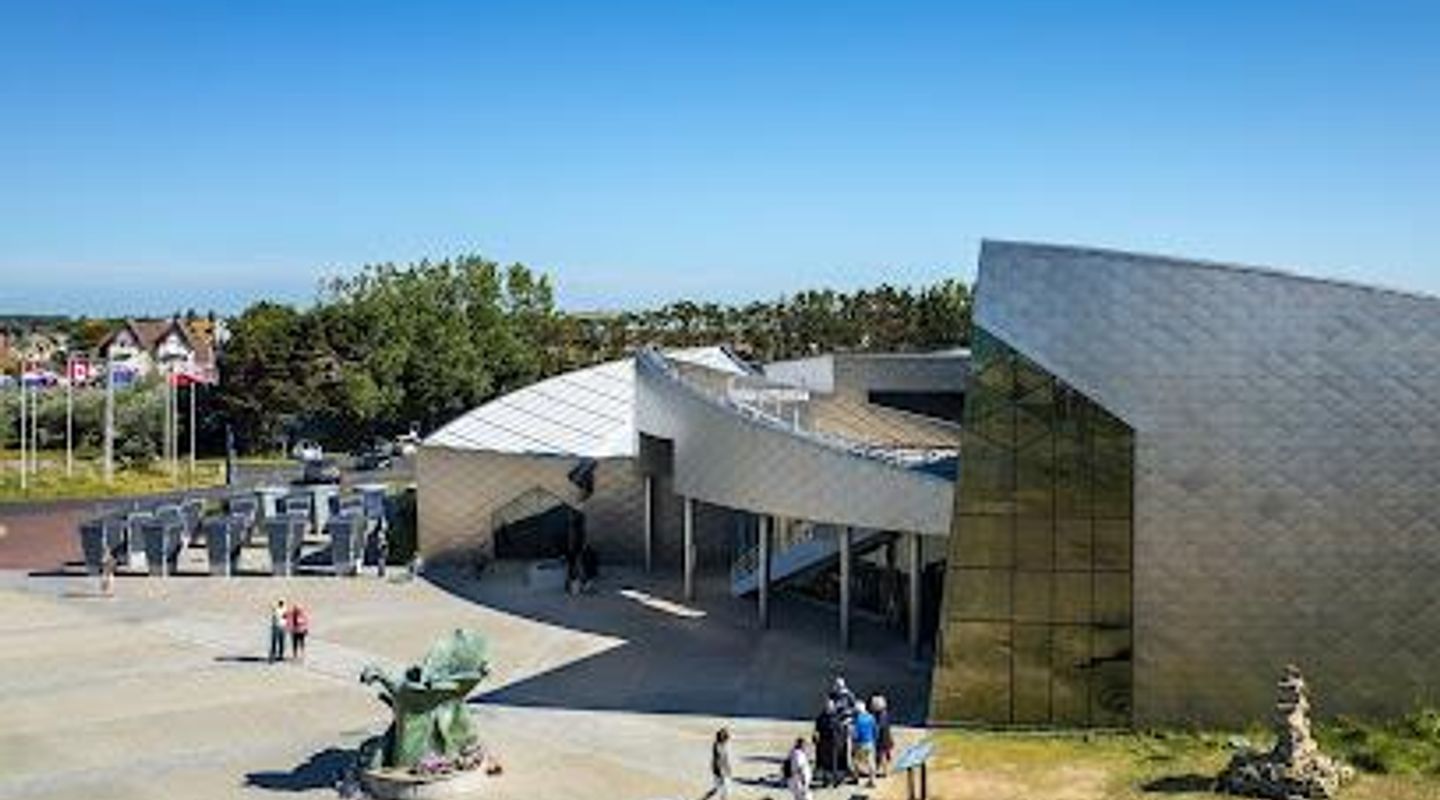
Juno Beach Center, Normandy Travel Guide
Explore Canada's pivotal role in the Second World War at the Juno Beach Centre in Normandy, a place of remembrance, education, and connection to the sacrifices made for freedom.
The Juno Beach Centre, located in Courseulles-sur-Mer, Normandy, France, stands as a poignant memorial to the 45,000 Canadians who lost their lives during the Second World War, with particular focus on the 14,000 who landed on Juno Beach on D-Day. Opened in 2003 by veterans, the centre offers a comprehensive and interactive exploration of Canada's war effort, both on the battlefield and on the home front. Through exhibits, artifacts, and guided tours led by Canadian students, visitors gain insight into the sacrifices made and the enduring legacy of Canadian contributions to the Allied victory. The centre also explores contemporary Canadian identity, linking the past to the present. Beyond the museum itself, Juno Beach offers a place for reflection amidst the historical landscape of the D-Day landings, with preserved bunkers and monuments dotting the coastline. The Juno Beach Centre provides a deeply moving and educational experience, fostering a greater understanding of Canada's role in shaping the modern world. It serves as a vital link between generations, ensuring that the stories of courage and sacrifice are never forgotten.
A brief summary to Juno Beach Center
- Voie des Français Libres, Courseulles-sur-Mer, 14470, FR
- Click to display
- Click to display
- Monday 10 am-5 pm
- Tuesday 10 am-5 pm
- Wednesday 10 am-5 pm
- Thursday 10 am-5 pm
- Friday 10 am-5 pm
- Saturday 10 am-5 pm
- Sunday 10 am-5 pm

Know before you go
Hi, I'm Eve. Here are a few practical things to know before exploring Juno Beach Center.
- Take the guided tour of Juno Park for an immersive experience and to learn about the D-Day landings from a Canadian perspective.
- Check the Juno Beach Centre's website for special events, exhibitions, and commemorative ceremonies happening during your visit.
- Consider purchasing tickets online in advance, especially during peak season, to avoid potential queues.
- Allow at least 2-3 hours for a comprehensive visit to the museum and Juno Park.
- Take advantage of the 'low carbon' rate by showing your SNCF train ticket, bus ticket, or a photo of your bike parked in the Juno Beach Centre bike parking lot.
Do you manage this location?
Take control to get all the benefits, like improved information, better appearance, and stronger visibility across AI-powered discovery. Learn more about listing your business on Evendo
Activate your presenceOther nearby places you may find interesting
The closest places of the same kind, if this one is not quite what you had in mind.
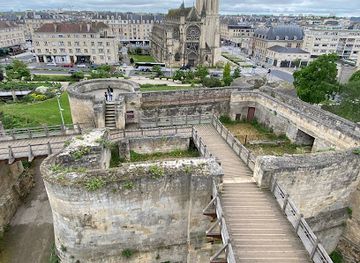

Explore Juno Beach Center on the Map
A handpicked selection of must-see spots near Juno Beach Center, mapped for you.
Unlock the Best of Juno Beach Center
Buy tickets
-
No tickets available
Book tours with entry


Getting There
-
Public Transport
From Caen or Bayeux, the Juno Beach Centre is accessible by bus. Take the Nomad Car bus line 101 from Caen (Vaugueux stop) or line 121 from Bayeux (Gare SNCF) to Courseulles-sur-Mer. From the 'Courseulles-sur-Mer Château' bus stop, it's approximately a 15-minute walk to the Juno Beach Centre. A single bus fare costs around €2-€4. Alternatively, from the 'Courseulles-sur-Mer Chant des Oiseaux' bus stop, it is an 8-minute walk to the Juno Beach Centre.
-
Taxi/Ride-Share
Taxis are readily available in Caen and Bayeux. A taxi from either city to the Juno Beach Centre will cost approximately €40-€65, depending on the company and time of day. Ride-sharing services like Uber may also be available, but availability can vary.
-
Driving
If driving, input 'Centre Juno Beach, Voie des Français Libres, BP 104, 14470 Courseulles-sur-Mer, France' into your GPS. Free parking is available on-site during the museum's operational hours. Note that parking is only open during museum hours.
-
Walking
From the Courseulles-sur-Mer port area, follow the Voie des Français Libres, heading west. The Juno Beach Centre is approximately a 20-minute walk, well-signposted, and located directly behind the beach. The walk offers scenic views of the coastline.
Discover more about Juno Beach Center













Your all‑in‑one travel companion app
Explore expert travel guides, compare and book tours, experiences, hotels, and more—all from the palm of your hand. Download now for seamless trip planning wherever your wanderlust takes you.


Explore More of Normandy
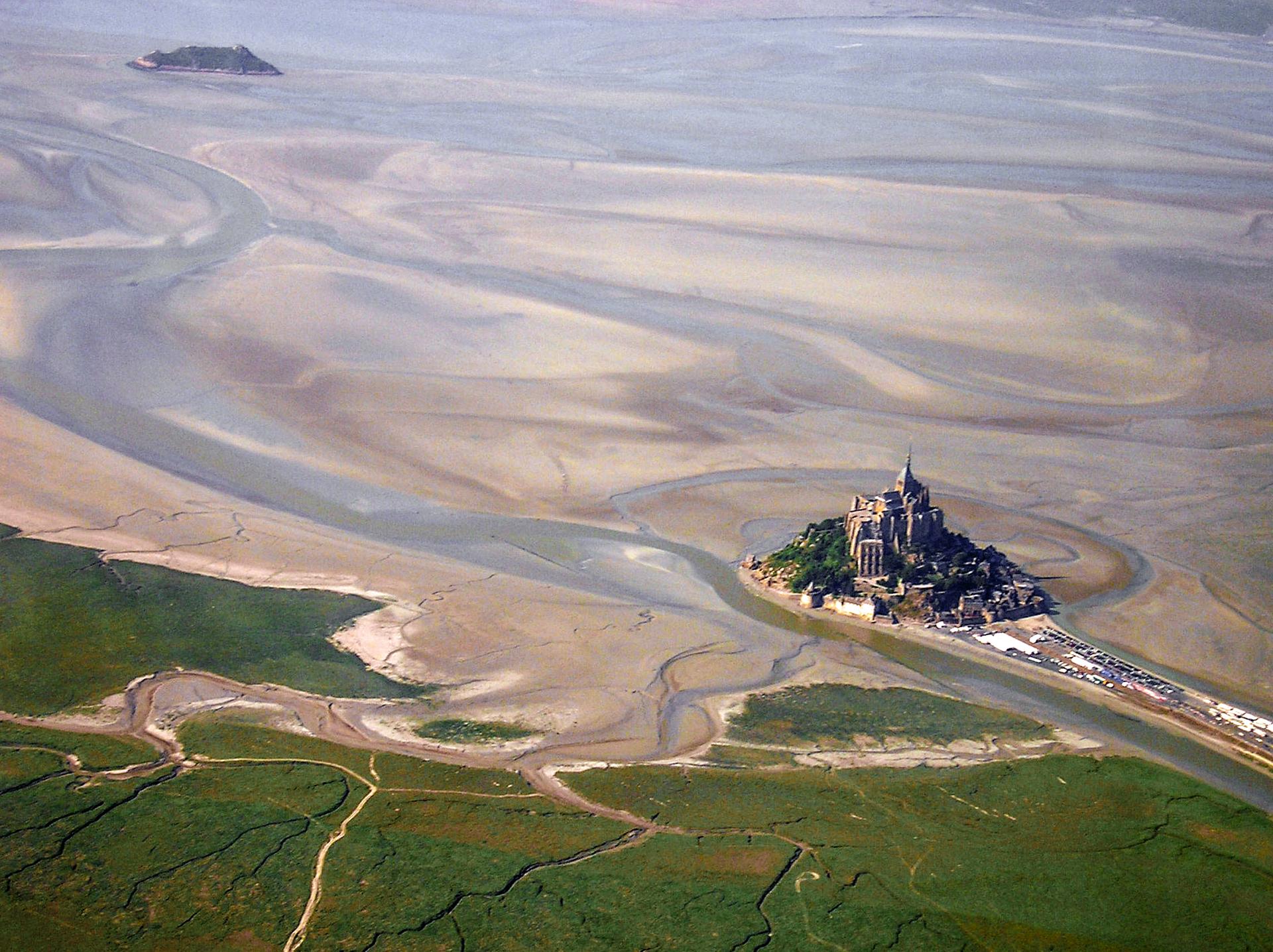
Looking beyond Juno Beach Center? Discover Normandy for broader travel guides, local hot-spots, and regional highlights.
Explore Normandy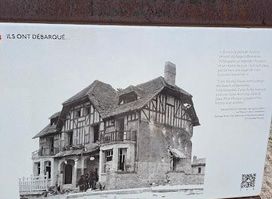
Visit the iconic Maison de Queen's Own Rifles of Canada in Bernières-sur-Mer, a poignant reminder of Canadian bravery on Juno Beach during the D-Day landings, and explore Normandy's rich history.
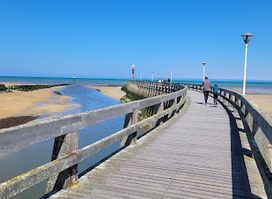
Explore the historic Jetée de Courseulles Sur Mer, where stunning views meet rich heritage along the Normandy coastline.
