From Eve
Know before you go
Hi, I'm Eve. Here are a few practical things to know before exploring Pegasus Bridge.
Local know-how to help you travel smarter and make the most of every moment.

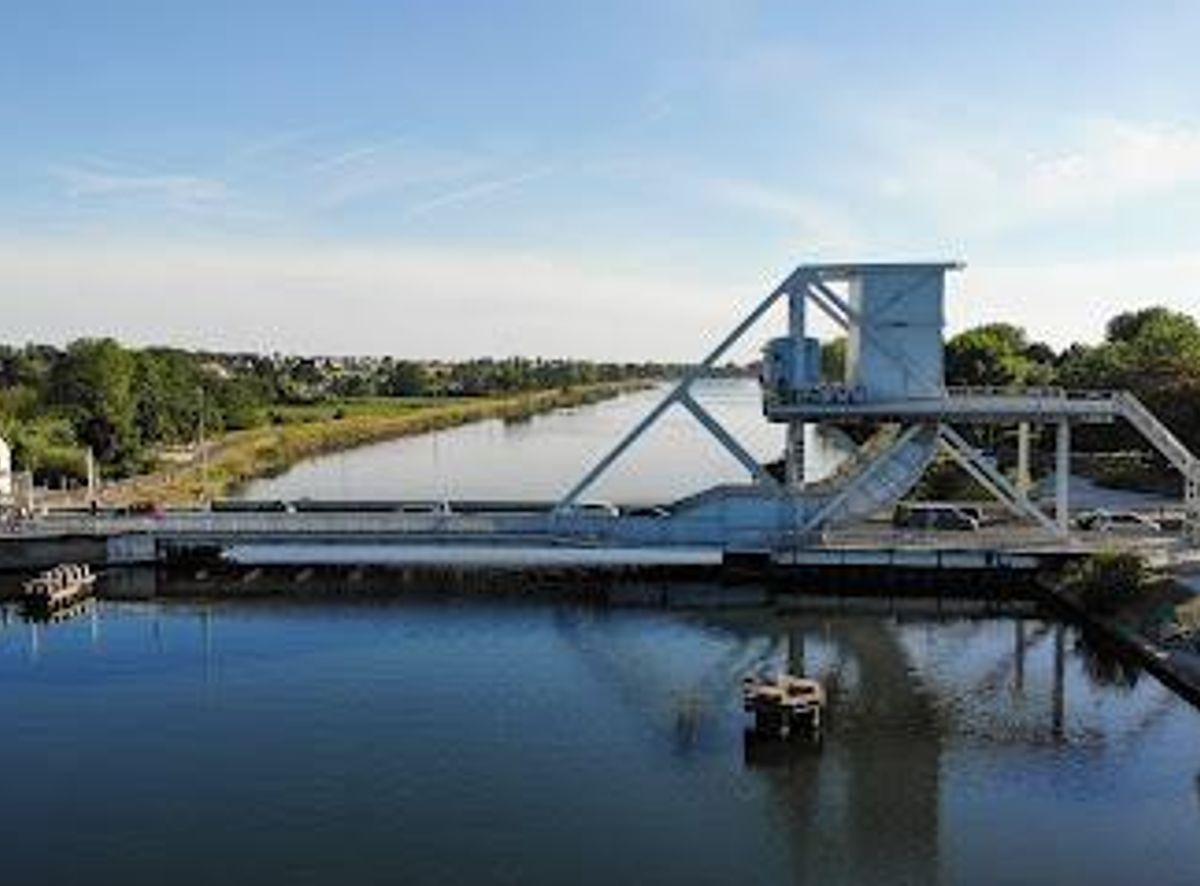
Visit Pegasus Bridge in Normandy: a historic D-Day site, captured by British airborne troops, symbolizing courage and liberation.
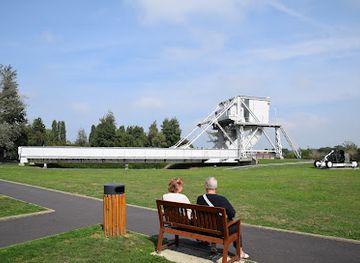
Pegasus Bridge, originally the Bénouville Bridge, was a crucial objective for British forces during the D-Day landings in Normandy. Captured in the early hours of June 6, 1944, it played a vital role in preventing German counter-attacks and securing the Allied advance. Today, it stands as a war memorial, symbolizing the courage and sacrifice of those who fought to liberate France.
Opening times, essentials, and a few local tips gathered into one calmer, easier-to-scan planning section.
Hi, I'm Eve. Here are a few practical things to know before exploring Pegasus Bridge.
Local know-how to help you travel smarter and make the most of every moment.
Public Transport
From Caen city center, take the Line 10 bus towards Ouistreham. The bus journey takes approximately 45 minutes, with buses departing hourly. Get off at the 'Pegasus Bridge' stop, which is a short walk to the bridge and museum. A single bus fare costs around €2.
Taxi
Taxis are readily available in Caen. A taxi ride from Caen city center to Pegasus Bridge takes approximately 10 minutes, covering a distance of 12.3 km. Expect to pay between €26 and €31 for the trip.
Driving
From Caen, take the D515 towards Ouistreham. Turn off at the D514, signposted for Bénouville. The bridge is just over half a mile along the D514. There is free parking available at the Pegasus Memorial Museum. Be aware that the site can be very busy during the summer months.
Use Pegasus Bridge as your starting point for nearby food, family ideas, nightlife, and more local discoveries.

Explore expert travel guides, compare and book tours, experiences, hotels, and more—all from the palm of your hand. Download now for seamless trip planning wherever your wanderlust takes you.
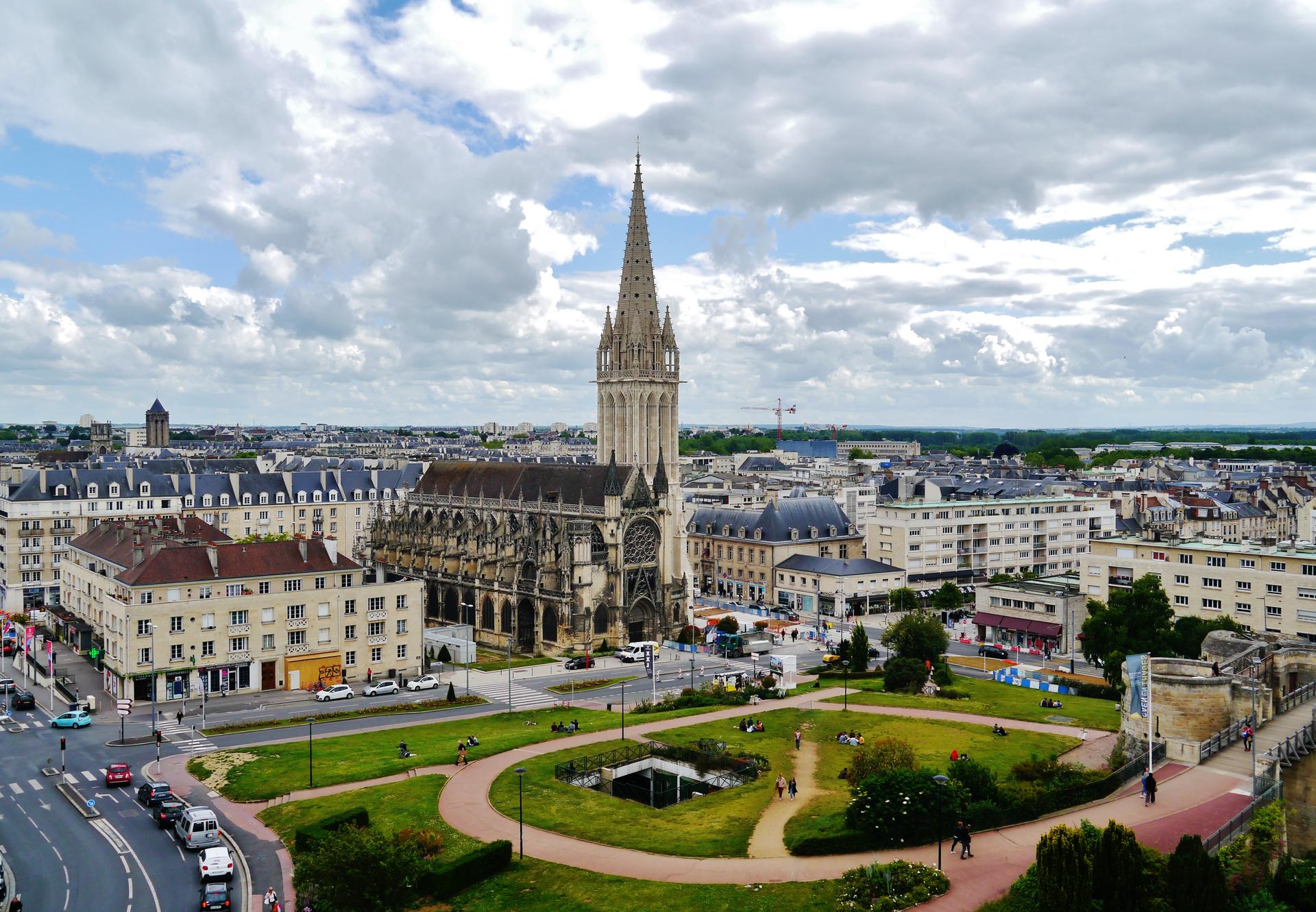
Discover Caen: A city where history meets modern vibrancy. From medieval abbeys to bustling markets, explore the rich heritage and vibrant culture of Normandy's hidden gem.
Tell me more about Caen