Juno Beach, Normandy Travel Guide
Explore Juno Beach in Normandy, France: Discover Canadian D-Day history, preserved bunkers, and poignant memorials along this historic coastline. A moving tribute to bravery and sacrifice.
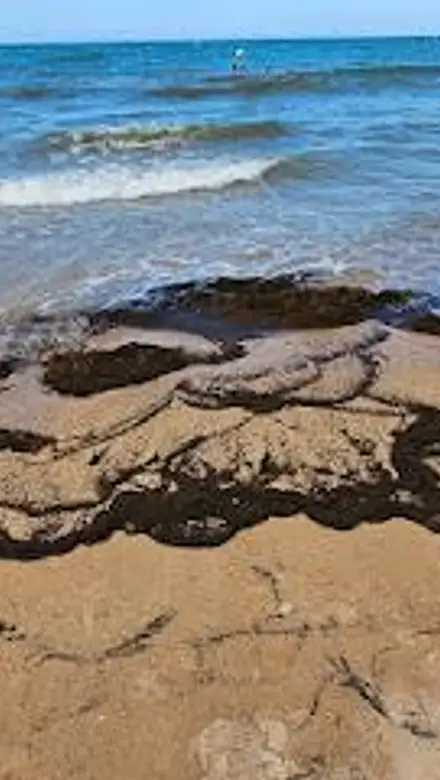
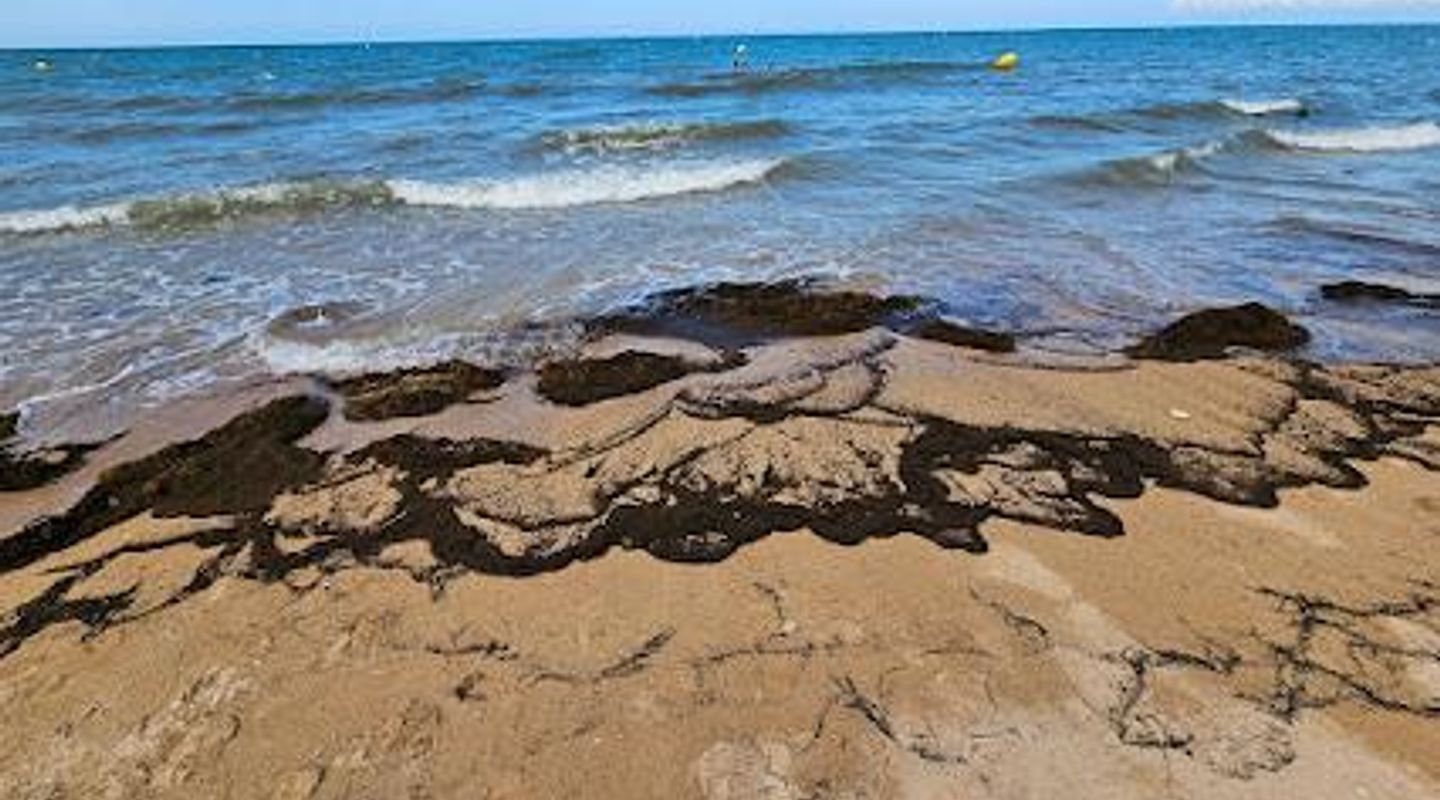
Juno Beach, a key site in the Normandy landings, stretches along the Calvados coast of France, between Courseulles-sur-Mer and Saint-Aubin-sur-Mer. It holds immense historical significance as the sector where Canadian forces bravely landed on D-Day, June 6, 1944. Today, Juno Beach serves as a poignant memorial to the sacrifices made during the Second World War, particularly by Canadian soldiers. Visitors can explore preserved German bunkers, monuments, and the Juno Beach Centre, a museum dedicated to the Canadian war effort. The beach offers a place for reflection and remembrance, providing a comprehensive understanding of the events that shaped the course of history. Juno Beach provides a profound and educational experience, allowing visitors to honor the courage and commitment of the soldiers who fought for liberation. The area's blend of history and serene coastal scenery makes it a compelling destination for those seeking to connect with the past.
A brief summary to Juno Beach
- FR

Know before you go
Hi, I'm Eve. Here are a few practical things to know before exploring Juno Beach.
- Visit the Juno Beach Centre early in the day to avoid crowds, especially during peak season (summer months) and on significant anniversaries like D-Day (June 6th).
- Take a guided tour of the German bunkers with the Juno Beach Centre. Access to the bunkers is restricted without a guided tour, and it provides valuable historical context.
- Consider purchasing the 'low carbon' rate at the Juno Beach Centre by showing your bus or train ticket to Normandy, encouraging eco-friendly travel.
- Combine your visit to Juno Beach with other nearby D-Day landing beaches like Gold and Sword to gain a comprehensive understanding of the Normandy campaign.
- Check the Juno Beach Centre's website for special events, temporary exhibitions, and guided tour schedules before your visit.
Do you manage this location?
Take control to get all the benefits, like improved information, better appearance, and stronger visibility across AI-powered discovery. Learn more about listing your business on Evendo
Activate your presenceOther nearby places you may find interesting
The closest places of the same kind, if this one is not quite what you had in mind.

Explore Juno Beach on the Map
A handpicked selection of must-see spots near Juno Beach, mapped for you.
Unlock the Best of Juno Beach
Buy tickets
-
No tickets available
Book tours with entry


Book tours without entry

Getting There
-
Public Transport
From Caen or Bayeux, the easiest way to reach Juno Beach is by bus. From Caen, take line 101; from Bayeux, take line 121. Both lines connect to Courseulles-sur-Mer. From the 'Courseulles-sur-Mer: Chant des Oiseaux' bus stop, it's approximately a 10-minute (650m) walk to the Juno Beach Centre. Alternatively, the D-Day Line, operating from mid-May to the end of September, connects Juno, Gold, and Omaha beaches. A single bus ticket costs around €2-€5.
-
Taxi/Ride-Share
Taxis are available at the train stations in Caen and Bayeux. A taxi ride to Juno Beach (Courseulles-sur-Mer) typically costs between €40 and €65, depending on the company and time of day. Ride-sharing services like Uber or Bolt may also be available, but their availability can vary. Always confirm the fare with the driver before starting your journey.
-
Driving
If driving from Caen, follow the D514 towards Courseulles-sur-Mer. From Bayeux, take the D572 and then the D514. Once in Courseulles-sur-Mer, follow signs for the 'Juno Beach Centre'. Parking is available at Juno Park near the Juno Beach Centre, but it can fill up quickly during peak season. Parking is free during the museum's operational hours.
Discover more about Juno Beach













Your all‑in‑one travel companion app
Explore expert travel guides, compare and book tours, experiences, hotels, and more—all from the palm of your hand. Download now for seamless trip planning wherever your wanderlust takes you.


Explore More of Normandy
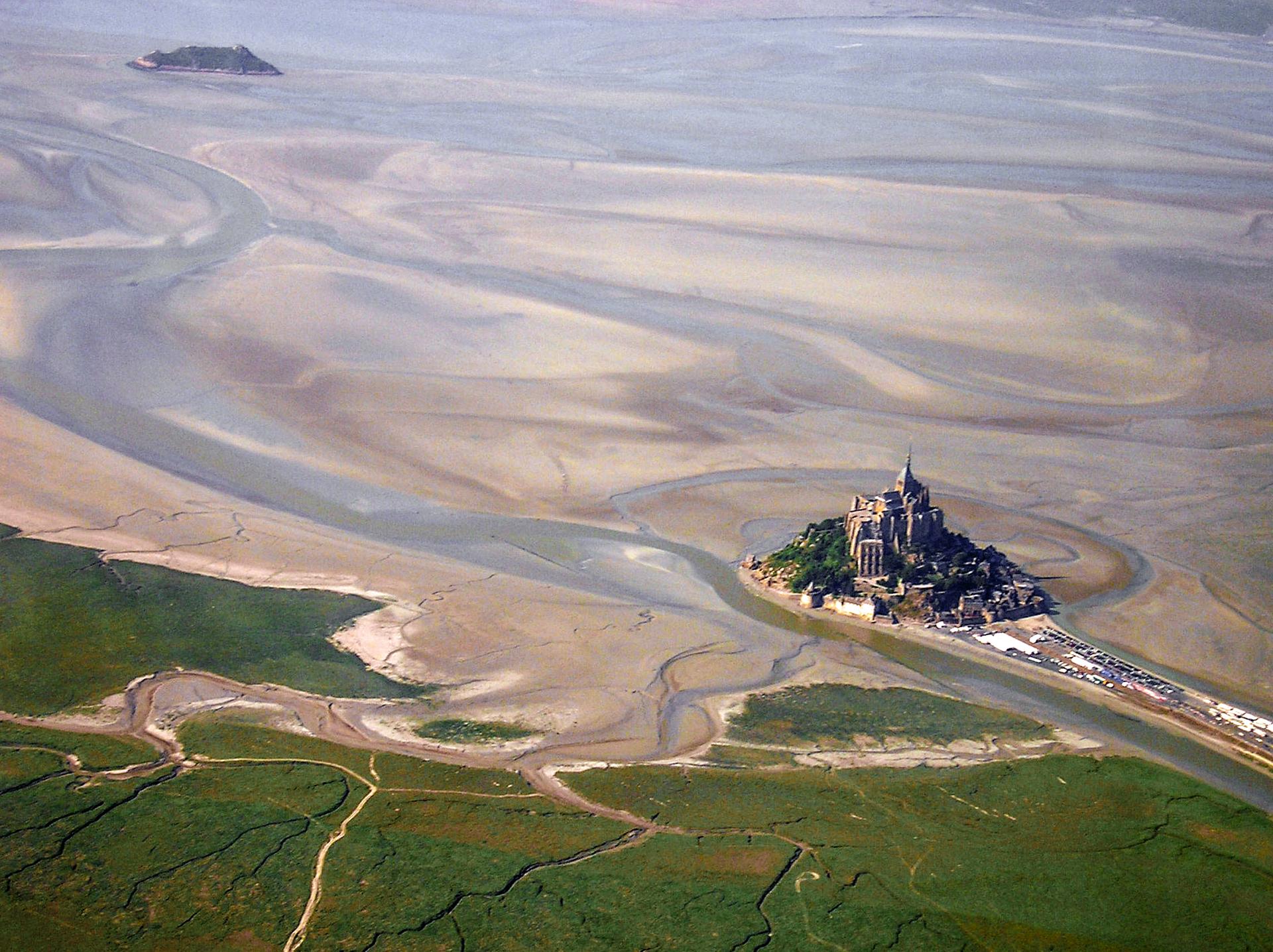
Looking beyond Juno Beach? Discover Normandy for broader travel guides, local hot-spots, and regional highlights.
Explore Normandy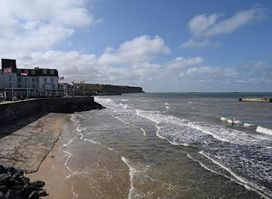
Step back in time at Arromanches-les-Bains, Normandy, where the remnants of D-Day's artificial harbor meet a charming seaside town, offering a poignant and unforgettable historical experience.
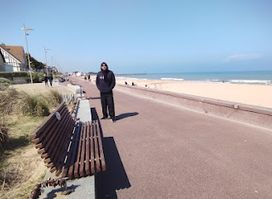
Discover the breathtaking coastal beauty and rich history of Digue-Promenade in Courseulles-sur-Mer, a must-visit tourist attraction.