Longues-sur-Mer battery, Normandy Travel Guide
Explore remarkably preserved WWII German coastal defenses at Longues-sur-Mer Battery in Normandy, offering a chilling glimpse into D-Day's strategic Atlantic Wall.
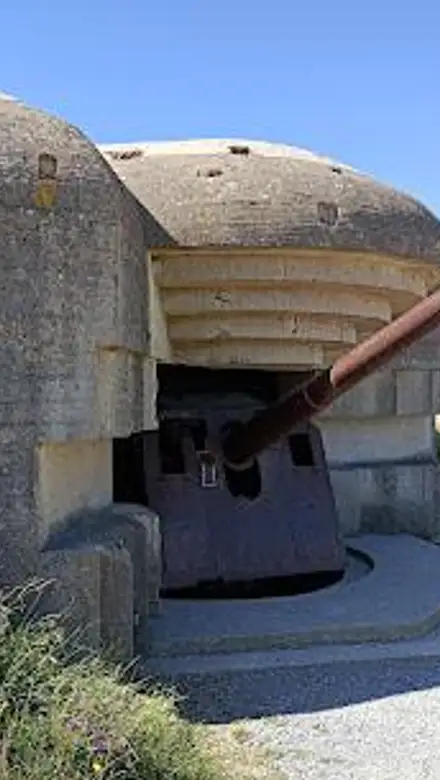
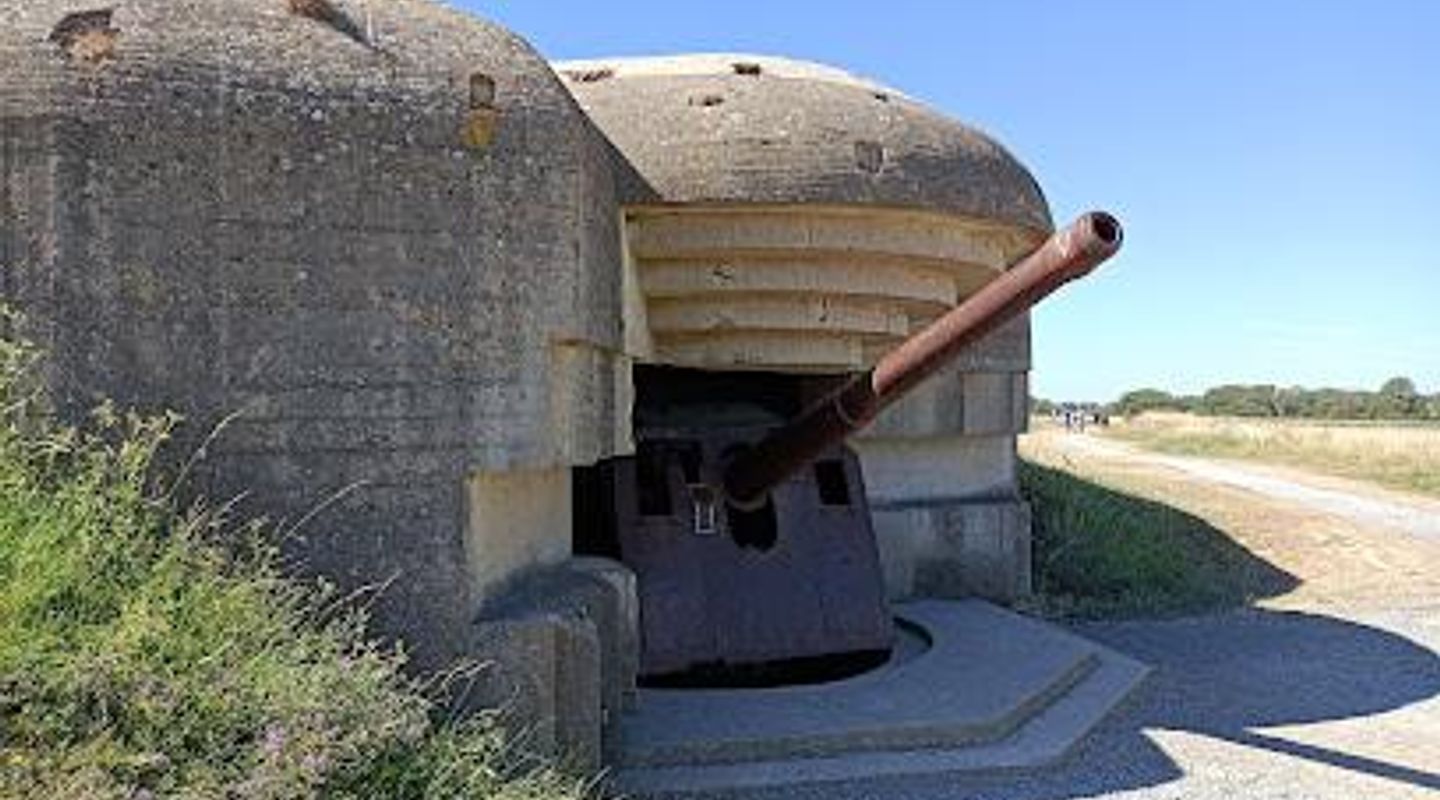
The Longues-sur-Mer Battery stands as a compelling and remarkably preserved testament to the formidable German defenses of the Atlantic Wall during World War II. Situated atop the Normandy cliffs, this strategic site offers a chilling glimpse into the past, where imposing concrete casemates still house original naval guns that engaged Allied forces on D-Day. Visitors can explore the bunkers, observation posts, and gun emplacements, gaining a profound understanding of the site's pivotal role in the conflict. The battery's commanding position between Gold and Omaha beaches provides breathtaking panoramic views of the coastline, making it an essential stop for anyone seeking to connect with the history and sacrifices of the Normandy landings. Its authenticity and accessibility make it a uniquely immersive experience, transporting visitors back to a crucial moment in world history. A visit here is a sobering yet essential experience when exploring the D-Day landing beaches.
A brief summary to Longues-sur-Mer battery
- 39 Rue de la Mer, Longues-sur-Mer, 14400, FR
- Click to display

Know before you go
Hi, I'm Eve. Here are a few practical things to know before exploring Longues-sur-Mer battery.
- Wear comfortable shoes, as you'll be walking on uneven ground and exploring the bunkers.
- Bring a jacket, as the coastal winds can be strong, even in summer.
- Visit early in the morning or later in the afternoon to avoid the biggest crowds, especially during peak season.
- Take time to walk along the coastal path for stunning views of the Normandy coastline.
- Check the opening hours of the tourist office for guided tours in English, available from April to October.
Do you manage this location?
Take control to get all the benefits, like improved information, better appearance, and stronger visibility across AI-powered discovery. Learn more about listing your business on Evendo
Activate your presenceOther nearby places you may find interesting
The closest places of the same kind, if this one is not quite what you had in mind.




Explore Longues-sur-Mer battery on the Map
A handpicked selection of must-see spots near Longues-sur-Mer battery, mapped for you.
Unlock the Best of Longues-sur-Mer battery
Buy tickets
-
No tickets available
Book tours with entry


Getting There
-
Driving
If driving from Bayeux, take the D514 north towards the coast. Follow signs for Longues-sur-Mer. Upon reaching Longues-sur-Mer, follow the signs to the Batterie Allemande. The battery is located just off the main coastal road. Free parking is available on site, a short walk from the main entrance. Be aware that parking can be limited during peak season, so arriving early is advisable.
-
Public Transport
For those using public transport from Bayeux, Bus Nomad route 121 runs from Bayeux to Courseulles-sur-Mer and stops at Manvieux, approximately 3km from the battery. From Manvieux, it's a 3km walk to the site. Check the bus schedule in advance as services may be infrequent. A taxi from Bayeux is also an option, costing approximately €25-€35.
Discover more about Longues-sur-Mer battery
More to explore near Longues-sur-Mer battery













Your all‑in‑one travel companion app
Explore expert travel guides, compare and book tours, experiences, hotels, and more—all from the palm of your hand. Download now for seamless trip planning wherever your wanderlust takes you.


Explore More of Normandy

Looking beyond Longues-sur-Mer battery? Discover Normandy for broader travel guides, local hot-spots, and regional highlights.
Explore Normandy
Embark on an unforgettable journey through Normandy's historic landscapes with expert guides from Normandy History Tours, uncovering the region's pivotal past.

Explore Arromanches Militaria, an antique store in Arromanches-les-Bains, brimming with fascinating World War artifacts and unique militaria treasures.