Memorial Pegasus: A Tribute to Valor and Sacrifice
Discover the poignant history of D-Day at Memorial Pegasus, a tribute to the valor of airborne troops in Normandy, France.
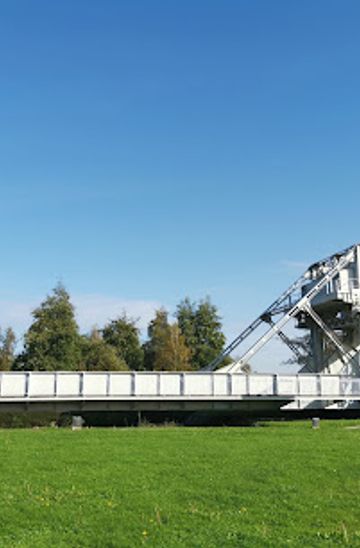
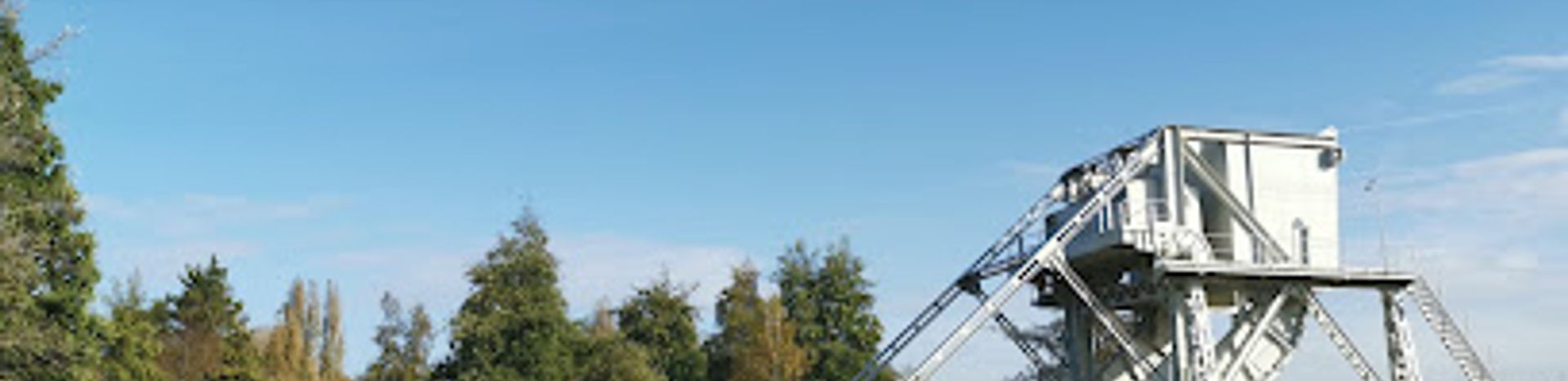
Nestled in Ranville, Memorial Pegasus stands as a poignant reminder of the valor displayed during one of World War II's most significant operations. This war museum is dedicated to the British airborne troops who landed in Normandy on D-Day. With immersive exhibits, detailed artifacts, and interactive displays, visitors can gain a deeper understanding of the sacrifices made for freedom. From the iconic Pegasus Bridge to the narratives of the brave soldiers, this museum offers an insightful experience that resonates with history enthusiasts and casual visitors alike.
A brief summary to Memorial Pegasus
- 1 Av. Major John Howard, Ranville, 14860, FR
- Click to display
- Click to display
- Monday 9:30 am-6:30 pm
- Tuesday 9:30 am-6:30 pm
- Wednesday 9:30 am-6:30 pm
- Thursday 9:30 am-6:30 pm
- Friday 9:30 am-6:30 pm
- Saturday 9:30 am-6:30 pm
- Sunday 9:30 am-6:30 pm

Know before you go
Hi, I'm Eve. Here are a few practical things to know before exploring Memorial Pegasus.
- Consider joining a guided tour for a more in-depth understanding of the exhibits.
- Allocate at least two hours to fully appreciate the exhibits and the surrounding area.
- Check for special events or commemorative days that may enhance your visit.
- Visit early in the day to avoid crowds and enjoy a more intimate experience.
Do you manage this location?
Take control to get all the benefits, like improved information, better appearance, and stronger visibility across AI-powered discovery. Learn more
Activate your presence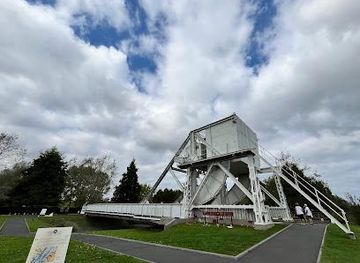

Getting There
-
Car
If you're driving, Memorial Pegasus is located at 1 Av. Major John Howard, 14860 Ranville. From Caen, take the N814 towards Bayeux and follow the signs for Pegasus Bridge. Once you reach the D514 road, turn left and continue straight. The museum will be on your right. Expect parking availability nearby. Be mindful of any parking fees which may apply.
-
Public Transportation
To reach Memorial Pegasus via public transport, take a train from Caen to the nearest station, which is 'Bénouville'. From Caen, the train ride takes about 15-20 minutes. After arriving at Bénouville station, it’s approximately a 15-minute walk to the memorial. Follow the signs towards Pegasus Bridge, then turn onto Avenue Major John Howard.
-
Bus
You can also take the bus from Caen to Ranville. Look for the 'Line 2' bus, which frequently runs between Caen and Ranville. Disembark at the stop closest to 'Ranville'. From there, it's a short walk (around 10-15 minutes) to the museum. Check local schedules for bus times, and be prepared for a small fare, usually around 1.50€.
Discover more about Memorial Pegasus
Explore the best of what Memorial Pegasus has to offer















More about Normandy
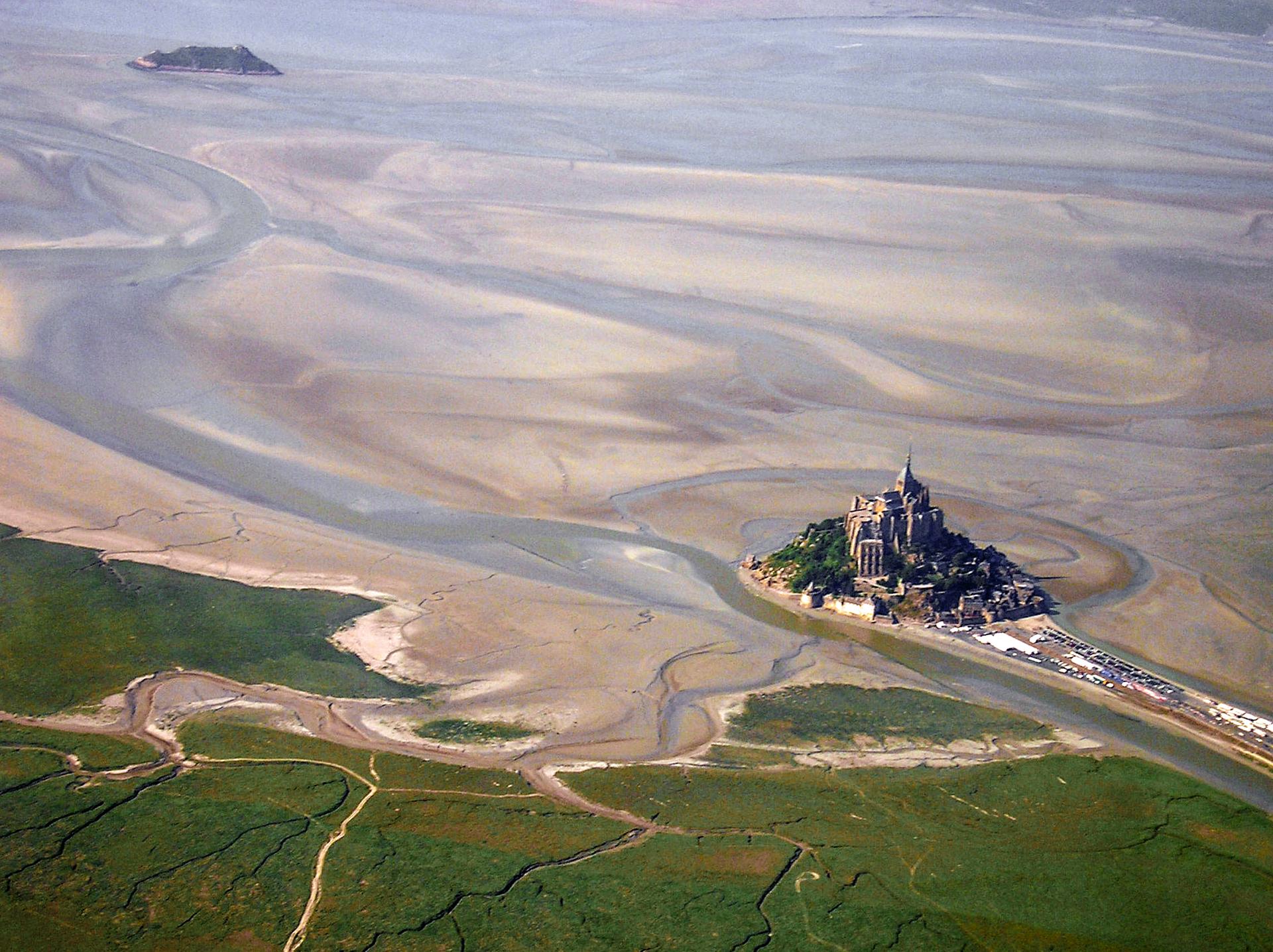
Discover Normandy: A picturesque region of France blending historical significance, natural beauty, and culinary delights, perfect for curious travelers and history enthusiasts.
Tell me more about Normandy
Explore the rich heritage of cord-making at Musée de la Corderie Vallois, a unique museum experience in Notre-Dame-de-Bondeville, France.

Explore the Original Pegasus Bridge Museum and delve into the rich history of D-Day and World War II in Ranville, France.