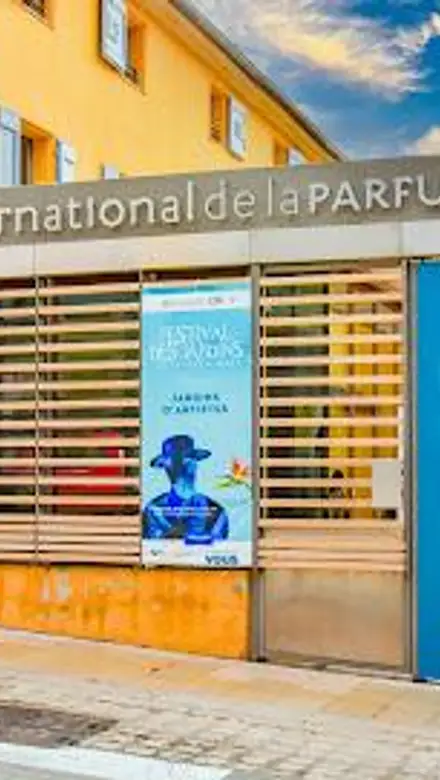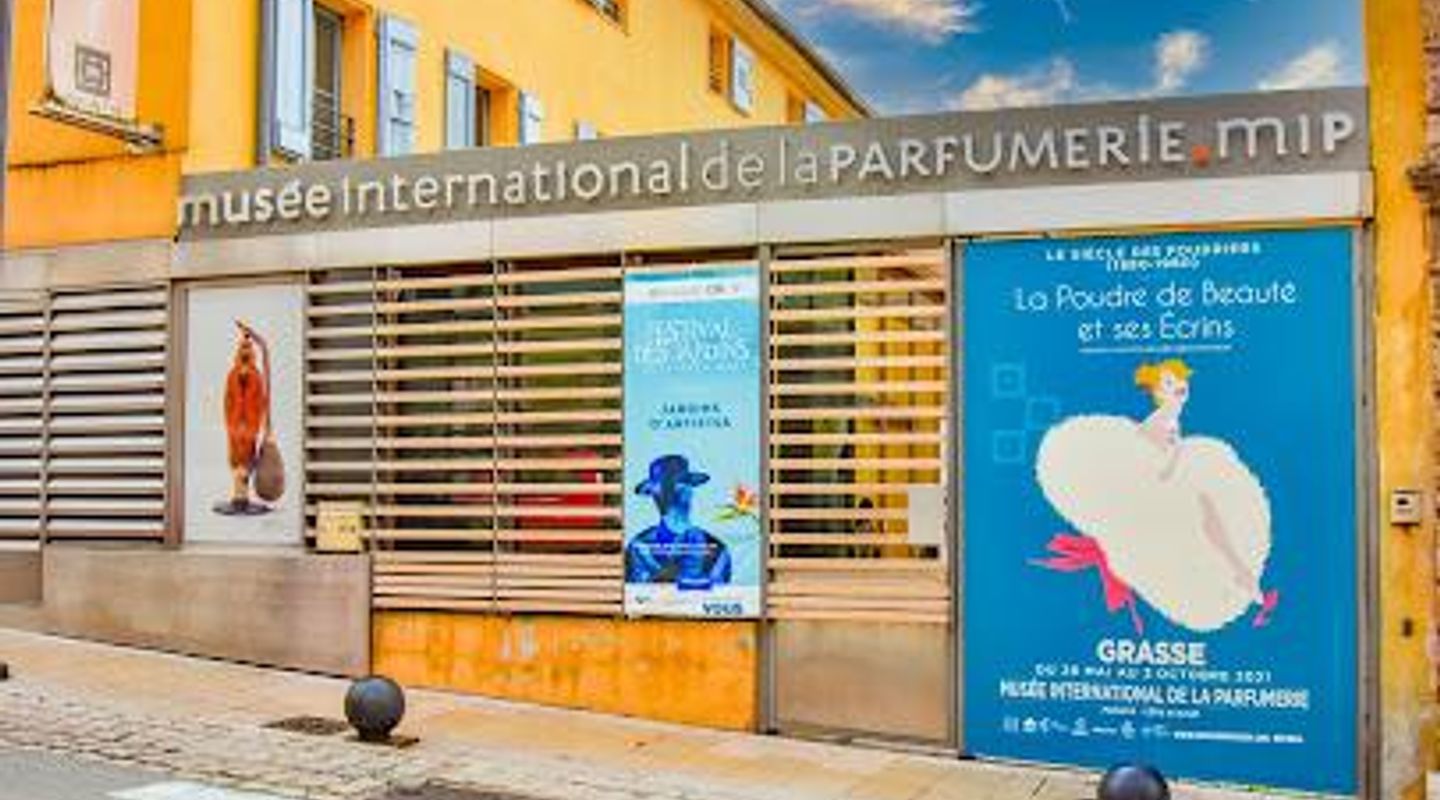
Musée International de la Parfumerie (MIP), Provence Travel Guide
Explore the enchanting world of fragrance at the Musée International de la Parfumerie in Grasse, the perfume capital of the world.
Nestled in the picturesque town of Grasse, the Musée International de la Parfumerie invites tourists to explore the art and science of perfume-making. Delve into engaging exhibits, fragrant gardens, and the rich history that has shaped this iconic industry. A visit here is a sensory journey that promises to leave a lasting impression.
A brief summary to Musée International de la Parfumerie (MIP)
- 2 Bd du Jeu de Ballon, Grasse, 06130, FR
- Click to display
- Click to display
- Monday 10 am-6 pm
- Tuesday 10 am-6 pm
- Wednesday 10 am-6 pm
- Thursday 10 am-6 pm
- Friday 10 am-6 pm
- Saturday 10 am-6 pm
- Sunday 10 am-6 pm

Know before you go
Hi, I'm Eve. Here are a few practical things to know before exploring Musée International de la Parfumerie (MIP).
- Visit during the weekdays to avoid larger crowds and enjoy a more intimate experience.
- Check the museum's schedule for workshops where you can create your own scent.
- Take your time exploring the gardens; they offer a serene escape with aromatic plants.
- Don't forget to visit the museum shop for unique fragrance-themed souvenirs.
- Combine your visit with a stroll through the charming streets of Grasse for a full day of exploration.
Do you manage this location?
Take control to get all the benefits, like improved information, better appearance, and stronger visibility across AI-powered discovery. Learn more about listing your business on Evendo
Activate your presenceOther nearby places you may find interesting
The closest places of the same kind, if this one is not quite what you had in mind.

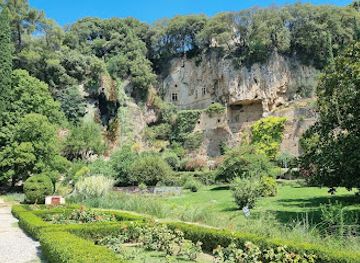
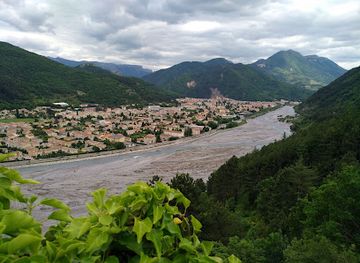
Explore Musée International de la Parfumerie (MIP) on the Map
A handpicked selection of must-see spots near Musée International de la Parfumerie (MIP), mapped for you.
Unlock the Best of Musée International de la Parfumerie (MIP)
Buy tickets
-
No tickets available
Book tours with entry


Book tours without entry

Getting There
-
Bus
From Nice, head to the Nice Ville train station and take the bus line 600 towards Grasse. The bus ride takes about 1 hour. Get off at the 'Grasse - Place de la Gare' stop. From there, walk towards Avenue Thiers and take a left onto Boulevard du Jeu de Ballon. The Musée International de la Parfumerie will be on your right.
-
Train
From Nice Ville train station, purchase a ticket to Grasse. Trains run regularly, and the journey takes approximately 40 minutes. Once you arrive at Grasse station, exit the station and walk up Avenue Thiers. Turn left onto Boulevard du Jeu de Ballon, and you will find the museum on your right.
-
Taxi
If you prefer a more direct route, you can take a taxi from any location in Nice directly to the Musée International de la Parfumerie in Grasse. Just provide the driver with the address: 2 Boulevard du Jeu de Ballon, 06130 Grasse. The journey will take approximately 30-40 minutes depending on traffic.
Discover more about Musée International de la Parfumerie (MIP)
More to explore near Musée International de la Parfumerie (MIP)
-

Best experiences near Musée International de la Parfumerie (MIP)
-

Best hotels near Musée International de la Parfumerie (MIP)
-

Best landmarks near Musée International de la Parfumerie (MIP)
-

Best shops near Musée International de la Parfumerie (MIP)
-

Best restaurants near Musée International de la Parfumerie (MIP)
-

Best bars near Musée International de la Parfumerie (MIP)







Your all‑in‑one travel companion app
Explore expert travel guides, compare and book tours, experiences, hotels, and more—all from the palm of your hand. Download now for seamless trip planning wherever your wanderlust takes you.


Explore More of Provence

Looking beyond Musée International de la Parfumerie (MIP)? Discover Provence for broader travel guides, local hot-spots, and regional highlights.
Explore Provence
Explore Cannes through the lens of cinema with Les Murs Peints, a captivating collection of murals celebrating iconic films and stars, transforming the city into an open-air art gallery.

Discover the rich heritage of Provence at the Musée Provençal du Costume et du Bijou, showcasing exquisite traditional costumes and jewelry.