

Free Provence Travel Guide & Mobile App
Explore Provence with free travel guides. Discover regional history, expert tips, proposed trips, and audio guides on web or mobile app.


Explore Provence for Roman cities, Mediterranean coastlines, lavender landscapes, village markets, Provençal cuisine and dramatic inland scenery.
Read more about Provence
When is the best time to visit Provence?
Best: June–August · 25–28°C| Month | High (°C) | Rainfall (mm) |
|---|---|---|
| January | 10 | 50 |
| February | 11 | 40 |
| March | 15 | 50 |
| April | 17 | 40 |
| May | 21 | 30 |
| June (best) | 25 | 20 |
| July (best) | 28 | 20 |
| August (best) | 27 | 30 |
| September | 22 | 40 |
| October | 19 | 50 |
| November | 13 | 50 |
| December | 10 | 50 |
Getting to and around Provence
How to get there
Transportation
Top city travel guides in Provence
The cities of Provence, and the easiest places to base yourself.
-

-

-

-
-

-


Swipe for more cities
Destinations in Provence
Resorts, valleys and scenic spots worth a trip of their own.
-
-

-

-

-

-


Swipe for more destinations
Best attractions in Provence
Provence offers an unusually broad mixture of urban heritage, protected landscapes and outdoor pursuits. Marseille combines the Old Port, maritime museums and access to the Calanques, whose limestone cliffs and coves are explored on foot or by boat subject to seasonal conditions. Arles and Orange provide some of France’s finest Roman remains, while Avignon centres on the Palais des Papes, medieval ramparts and a busy cultural calendar. Aix-en-Provence is known for its museums, fountains, art connections and historic streets. Inland, the Luberon brings together hill villages, vineyards, orchards, abbeys and walking routes, while the Alpilles offer limestone scenery around Saint-Rémy-de-Provence and Les Baux-de-Provence. The Camargue provides wetlands, lagoons, birdwatching and distinctive pastoral landscapes. Further east, the Verdon area is suited to hiking, climbing, canoeing and lake activities around the gorge. Museums, contemporary art foundations, gardens and food markets add depth beyond the major monuments, although rural attractions often require advance planning and a car.
-
Basilica
Basilica of Notre-Dame-of-la-Garde at Marseille
Discover Marseille's iconic basilica, Notre-Dame de la Garde: a beacon of history, art, and panoramic views, offering an unforgettable experience high above the city.
-
Historical landmark
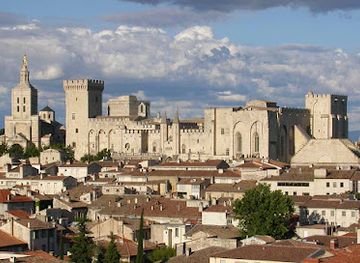
Palais des Papes
Explore the Palais des Papes, a UNESCO World Heritage site and one of Europe's largest and most important medieval Gothic buildings.
-
Casino
Casino de Monte-Carlo
Experience the glamour and excitement of Casino de Monte-Carlo, a timeless jewel in the heart of Monaco's luxurious landscape.
-
Stadium
Orange Vélodrome
Experience the electric atmosphere of Marseille's iconic stadium, home to Olympique de Marseille, and a venue for world-class football, concerts, and unforgettable events.


Best landmarks in Provence
The Palais des Papes and the surviving Pont Saint-Bénézet make Avignon one of Provence’s most recognisable cityscapes, combining papal power with a dramatic Rhône setting. Arles is distinguished by its Roman amphitheatre, ancient theatre and Alyscamps necropolis, whose remains reveal the importance of the city in antiquity. Orange possesses a remarkably preserved Roman theatre and triumphal arch, while Saint-Rémy-de-Provence contains the archaeological site of Glanum, where Greek and Roman layers meet the foothills of the Alpilles. Marseille’s Basilique Notre-Dame de la Garde dominates the city from its hilltop and has long served as a maritime landmark. Mont Sainte-Victoire, east of Aix-en-Provence, is both a geological presence and an enduring artistic symbol associated with Cézanne. The Pont du Gard is outside Provence in the strict regional sense, near Nîmes in neighbouring Gard, and should be treated as a separate nearby excursion rather than a Provençal landmark. In the Luberon, hilltop villages, dry-stone walls and abbeys such as Sénanque provide a more dispersed architectural identity than a single monumental skyline.
-
Historical landmark
Palais des Papes
Explore the grandeur of Palais des Papes, a UNESCO World Heritage site, and immerse yourself in the history of medieval Avignon.
-
Park
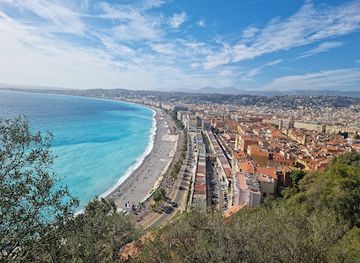
Colline du Château
Discover panoramic views, historical ruins, and lush gardens atop Nice's iconic Colline du Château, a must-see landmark for every visitor.
-
National park
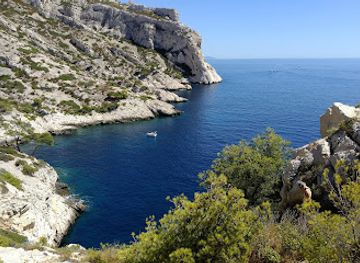
Parc national des Calanques
Explore the breathtaking beauty of Parc National des Calanques, where azure waters meet dramatic cliffs in a stunning natural paradise.
-
Hiking area
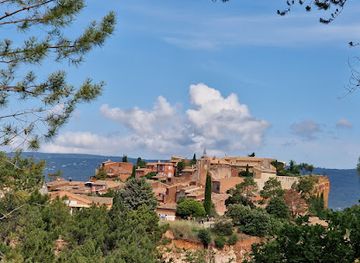
Le Sentier des Ocres
Discover the stunning ochre landscapes of Le Sentier des Ocres, a vibrant hiking area in Roussillon, perfect for nature lovers and photographers.
Explore Provence on the map
Plan your trip on one map. See where the top cities, national parks and sights are, and book hotels and experiences in a few clicks.
Best hotels in Provence
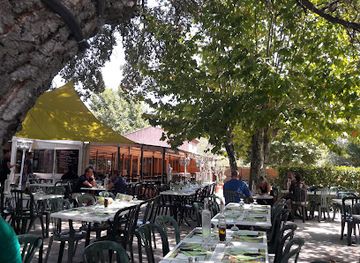
Best restaurants in Provence
Provençal cooking is built around olive oil, garlic, herbs, tomatoes, aubergines, courgettes, peppers, fish and seasonal fruit, with considerable variation between the coast, Rhône valley and inland hills. Marseille is associated with bouillabaisse, a fish soup and stew served according to established local traditions, while panisses made from chickpea flour are a familiar speciality of the city. Tapenade, anchoïade, ratatouille and fougasse appear across the region, while Aix-en-Provence is closely linked with calissons, almond-and-fruit confectionery. Markets offer olives, cheeses, honey, cherries, apricots, melons and herbs, depending on the season. Coastal towns favour seafood, rural inns serve vegetable and meat dishes, and village cafés remain useful places for a simple lunch. Provence also has important wine areas, including Côtes de Provence, Côtes du Rhône villages and wines around Châteauneuf-du-Pape, alongside pastis and locally produced olive oils. Reservations are sensible for sought-after restaurants in summer, but the region’s food culture is equally visible in bakeries, market stalls and everyday bistros.
-
French
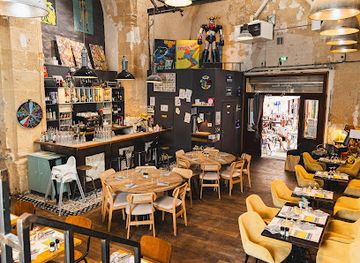
Les Fils à Maman Aix en Provence
Experience authentic French cuisine with a modern twist at Les Fils à Maman in Aix-en-Provence—where every meal tells a story.
-
Fish store
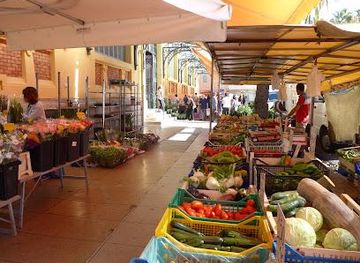
LA PESCARIA DE MENTON
Menton’s premier fishmonger in the Halles Municipales, blending ultra-fresh catches, artisanal smoking, and inventive seafood catering amid the Riviera’s vibrant market pulse.
-
Restaurant
Café de Paris Monte-Carlo
Legendary Monaco brasserie since 1868: birthplace of crêpes Suzette, prime Casino views, French-Mediterranean classics from dawn to midnight in Belle Époque elegance.
-
Italian
Pizzéria La Pinède
Experience authentic Italian cuisine at Pizzéria La Pinède in Les Arcs – where delicious pizzas meet local brewing excellence.

Best bars in Provence
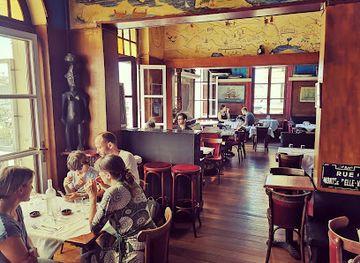
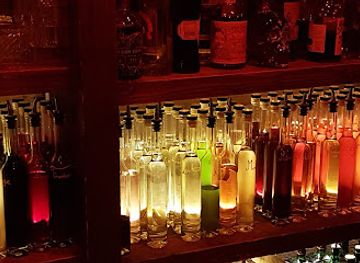
Evening life in Provence varies sharply by place. Marseille has the region’s broadest selection of bars, live music venues, restaurants and late-night entertainment, particularly around central districts and the waterfront, though venues and opening arrangements change regularly. Aix-en-Provence has a substantial student and cultural population, with wine bars, cafés, music venues and restaurants concentrated around its historic centre. Avignon becomes particularly active during its summer theatre festival, while Arles has a smaller but lively mix of bars, cultural venues and late dining. In villages and rural areas, nightlife usually means a café, wine bar, restaurant or traditional pub-style establishment rather than a large club scene. Seaside resorts and larger towns may become busier in summer, whereas inland evenings are generally quieter. Local wines, pastis and craft drinks can be enjoyed without treating alcohol as the principal focus of regional culture.
-
Bar
La Caravelle
Experience the vibrant atmosphere and exquisite flavors of Marseille at La Caravelle, a waterfront bar and restaurant perfect for any occasion.
-
Bar
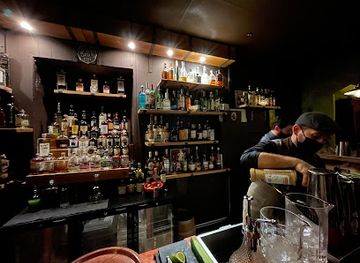
Carry Nation
Experience the art of mixology at Carry Nation, a secret cocktail bar in Marseille where creativity meets taste in a unique atmosphere.
-
Beer hall
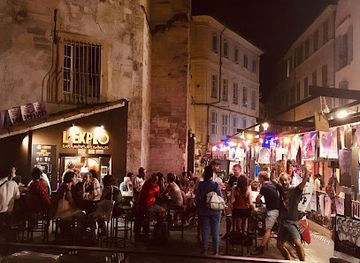
L'Explo
Experience Avignon's best craft beers in a lively setting at L'Explo, a top-notch beer hall and bar that captures the spirit of the city.
-
Bar
Barracuda
Experience the vibrant nightlife of Aix-en-Provence at Barracuda, where unique cocktails and a lively atmosphere await every visitor.
Best nightclubs in Provence
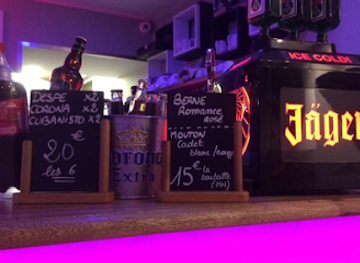
Evening life in Provence varies sharply by place. Marseille has the region’s broadest selection of bars, live music venues, restaurants and late-night entertainment, particularly around central districts and the waterfront, though venues and opening arrangements change regularly. Aix-en-Provence has a substantial student and cultural population, with wine bars, cafés, music venues and restaurants concentrated around its historic centre. Avignon becomes particularly active during its summer theatre festival, while Arles has a smaller but lively mix of bars, cultural venues and late dining. In villages and rural areas, nightlife usually means a café, wine bar, restaurant or traditional pub-style establishment rather than a large club scene. Seaside resorts and larger towns may become busier in summer, whereas inland evenings are generally quieter. Local wines, pastis and craft drinks can be enjoyed without treating alcohol as the principal focus of regional culture.
-
Bar
La Taverne du Lac
Experience the charm of La Taverne du Lac, a cozy bar in Sainte-Croix-du-Verdon offering stunning lake views and delightful local beverages.
-
Lounge
Bar l'Etape
Discover the inviting ambiance of Bar l'Etape, a cozy lounge and pub in Castellane, perfect for relaxing after a day of adventure.
-
Disco club
RICHEBOIS DISCOTHEQUE
Discover an electrifying blend of dining and dancing at Richebois Discotheque, a must-visit nightlife hotspot in Salon-de-Provence.
-
Night club
Le Luna Club
Discover the vibrant nightlife at Le Luna Club, a premier night club in Roquebrune-sur-Argens, offering unforgettable music and entertainment.



Best shops in Provence
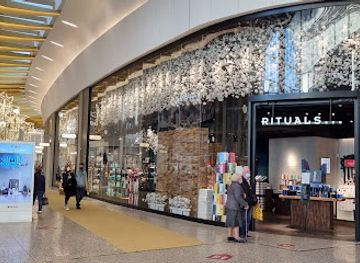
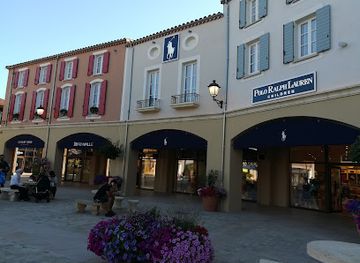
Shopping in Provence is strongly tied to markets, food production and local craft rather than large-scale retail. Aix-en-Provence offers the widest choice of independent boutiques, bookshops, galleries, food shops and traditional confectionery, while Marseille combines mainstream retail with specialist food stores, ceramics and Mediterranean products. Avignon and Arles have historic-centre shops selling textiles, prints, pottery, regional foods and arts-related goods. Village and town markets are good places to look for olive oil, tapenade, honey, herbs, soap, seasonal fruit, wine and lavender products, though the quality and provenance of branded souvenirs vary. Pottery and ceramics are associated with several Provençal communities, and fabrics, baskets, scented products and small artworks are widely available. In rural areas, buying directly from an estate, cooperative or producer can provide better information about origin than purchasing generic items from a tourist shop. Check luggage restrictions before buying liquids, and remember that market schedules are usually weekly rather than daily.
-
Shopping mall
Les Terrasses du Port
Experience the best of shopping, dining, and stunning Mediterranean views at Les Terrasses du Port in Marseille.
-
Shopping mall
CAP3000 - Shopping Mall
Discover CAP3000, a vibrant shopping mall in Saint-Laurent-du-Var, offering a diverse range of shops, dining, and entertainment for an unforgettable experience.
-
Shopping mall
Polygone Riviera
Experience the ultimate shopping and dining oasis at Polygone Riviera in Cagnes-sur-Mer – where luxury meets leisure.
-
Outlet mall
McArthurGlen Provence - Village de Marques
Experience the best of fashion and savings at McArthurGlen Provence - your ultimate outlet shopping destination in the heart of Provence.


Get your free copy of our complete guide to Provence, delivered straight to you.
Everything on this page, from attractions and restaurants to essentials and local phrases, in one PDF you can read offline, print or share.
Already have an account? Sign in
Your Provence guide is ready.
We'll send it to · Not you? Sign out

Getting your guide ready…
We are putting together a fresh copy of the Provence guide. This can take up to a minute.
This can take a few moments. If your browser asks, choose Allow so the download can start. You'll find the guide in your Downloads folder.
Nothing happened? Download it again
Sorry, the guide is taking longer than usual. Please try again in a minute, or get it by email instead.
Provence essentials
Currency and Payment
Safety
Emergency Situations
Do's and Don'ts
Local Tips
From Eve
Local phrases worth knowing
You don't need to get them perfect. A few words go a long way, and locals appreciate the effort.
Basics
| English | Local | Say it |
|---|---|---|
| Hello | Salut | [sah-loo] |
| Goodbye | Au revoir | [oh ruh-vwahr] |
| Yes | Oui | [wee] |
| No | Non | [noh] |
| Please/You're welcome | S'il vous plaît | [seel voo pleh] |
| Thank you | Merci | [mehr-see] |
| Excuse me/Sorry | Excusez-moi | [ehk-skew-zay mwah] |
| How are you? | Comment ça va? | [koh-mahn sah vah] |
| Fine. And you? | Bien. Et vous? | [byehn. eh voo] |
| Do you speak English? | Parlez-vous anglais? | [par-lay voo ahn-glay] |
| I don't understand | Je ne comprends pas | [zhuh nuh kohm-prahn pah] |
Eating & Drinking
| English | Local | Say it |
|---|---|---|
| I'd like to see the menu, please | Je voudrais voir le menu, s'il vous plaît | [zhuh voo-dray vwah leuh meh-nu, seel voo pleh] |
| I don't eat meat | Je ne mange pas de viande | [zhuh nuh mahnj pah deh vyahnd] |
| Cheers! | Santé! | [sahn-teh] |
| I would like to pay, please | Je voudrais payer, s'il vous plaît | [zhuh voo-dray peh-yay, seel voo pleh] |
Emergencies
| English | Local | Say it |
|---|---|---|
| Help! | Au secours! | [oh se-kur] |
| Go away! | Allez-vous-en! | [ah-lay voo-zahn] |
| Call the Police! | Appelez la police! | [ah-peh-lay lah poh-lees] |
| Call a doctor! | Appelez un médecin! | [ah-peh-lay uhn meh-deh-sahn] |
| I'm lost | Je suis perdu | [zhuh swee pehr-dyoo] |
| I'm ill | Je suis malade | [zhuh swee mah-lahd] |
Shopping
| English | Local | Say it |
|---|---|---|
| I'd like to buy... | Je voudrais acheter... | [zhuh voo-dray ah-sheh-tay] |
| I'm just looking | Je regarde juste | [zhuh ruh-gard zhoost] |
| How much is it? | C'est combien? | [seh kohm-byen] |
| That's too expensive | C'est trop cher | [seh troh shair] |
| Can you lower the price? | Pouvez-vous baisser le prix? | [poo-vay voo beh-say leuh pree] |
Time & Numbers
| English | Local | Say it |
|---|---|---|
| What time is it? | Quelle heure est-il? | [kel uhr eh-teel] |
| It's one o'clock | Il est une heure | [eel eh ewn uhr] |
| Half past (10) | Dix heures et demie | [deez uhr eh duh-mee] |
| Morning | Matin | [mah-tan] |
| Afternoon | Après-midi | [ah-preh-mee-dee] |
| Evening | Soir | [swahr] |
| Yesterday | Hier | [ee-air] |
| Today | Aujourd'hui | [oh-zhoor-dwee] |
| Tomorrow | Demain | [duh-mahn] |
| 1 | Un | [uhn] |
| 2 | Deux | [duh] |
| 3 | Trois | [trwah] |
| 4 | Quatre | [katr] |
| 5 | Cinq | [sank] |
| 6 | Six | [sees] |
| 7 | Sept | [seht] |
| 8 | Huit | [weet] |
| 9 | Neuf | [nuhf] |
| 10 | Dix | [deez] |
Transport & Directions
| English | Local | Say it |
|---|---|---|
| Where's a/the...? | Où est un/une...? | [oo eh uhn/ewn] |
| What's the address? | Quelle est l'adresse? | [kel eh la-dress] |
| Can you show me (on the map)? | Pouvez-vous me montrer (sur la carte)? | [poo-vay voo muh mohn-tray (sur lah kart)] |
| When's the next (bus)? | Quand est le prochain (bus)? | [kahn eh leuh pro-shen (bus)] |
| A ticket (to....) | Un billet (pour....) | [uhn bee-yay (poor....)] |
History of Provence
Greek Massalia and the Mediterranean Beginnings
Marseille was founded by Greek settlers from Phocaea around 600 BC as Massalia, creating one of the oldest continuously occupied urban centres in France. The port connected the western Mediterranean with inland trading routes along the Rhône and helped transmit Greek goods, customs and agricultural practices into southern Gaul. Marseille’s later identity as a cosmopolitan maritime city owes much to this beginning. Archaeological remains around the Old Port and the Jardin des Vestiges illustrate the city’s ancient foundations, although the modern metropolis has grown far beyond the original settlement.
Roman Provence and the Via Domitia
Rome incorporated Provence, or Gallia Narbonensis, into its sphere during the second century BC. Roads, bridges, aqueducts and planned towns supported administration, trade and military movement. Arles became a major Rhône port and still possesses an amphitheatre, theatre, baths and a necropolis, while Orange is known for its exceptionally preserved theatre and triumphal arch. Nîmes, although outside the core geographical definition of Provence, reflects the same Roman provincial world and should not be confused with the region itself. Roman engineering and urban planning remain among Provence’s most recognisable historical legacies.
Medieval Counts, Abbeys and Hill Settlements
After the fragmentation of Roman authority, Provence developed through shifting county, episcopal and monastic powers. Abbeys such as Sénanque and Silvacane became important religious and agricultural centres, while fortified settlements grew on defensible hills and around trade routes. Provence was linked at different times to the County of Provence, the Crown of Aragon and the Angevin dynasty of Naples. Medieval walls, churches, village layouts and castles survive across the Luberon, the Alpilles and the Var, reflecting a period when protection, water management and local lordship shaped settlement patterns.
Avignon and the Papal Court, Fourteenth Century
Avignon became the seat of the papacy in the fourteenth century, beginning with Clement V’s arrival in 1309 and culminating in the construction of the Palais des Papes. The papal court attracted clerics, scholars, artists, merchants and builders, transforming the city into a major political and cultural centre. The surviving palace, cathedral complex, ramparts and bridge reveal the scale of this period. Although the papacy returned to Rome in the fifteenth century, Avignon retained great religious and civic importance and its medieval centre remains one of Provence’s defining historic landscapes.
The Union of Provence with France
Provence was formally incorporated into the Kingdom of France in 1481 after the death of Charles III, Count of Provence, though its institutions and privileges were negotiated over time. Aix-en-Provence remained the seat of the regional parlement and an administrative centre, while Marseille continued to develop as a strategic Mediterranean port. French royal authority gradually integrated the province into a larger state without erasing its legal, linguistic and cultural particularities. Renaissance and classical buildings in Aix, Avignon and other towns reflect the prosperity and administrative importance of this era.
Marseille, Trade and Industrial Expansion
From the seventeenth century onwards, Marseille expanded its maritime commerce with the Mediterranean, the Levant and North Africa. Port activity supported shipbuilding, soap production, food processing and other industries, while new quays and neighbourhoods extended the city beyond its historic core. The city’s famous savon de Marseille belongs to this manufacturing tradition, although products sold under that name today vary in their production methods. Industrialisation also affected inland Provence through railways, mining, agriculture and improved markets, linking rural producers more closely with urban consumers.
Artistic Provence and the Modern Cultural Landscape
Provence became an important setting for modern art during the nineteenth and twentieth centuries. Paul Cézanne repeatedly painted the landscapes around Aix-en-Provence, especially Mont Sainte-Victoire, while Vincent van Gogh produced influential works during his time in Arles and Saint-Rémy-de-Provence. Their attention to colour, light and the structure of the landscape helped shape international perceptions of Provence, but the region’s cultural life extends beyond these celebrated artists. Photography, film, contemporary art, festivals and restoration projects continue to reinterpret its historic towns and rural environments.
Provence in Photos
Browse through our photo collection highlighting the charm and character of the destination.
Neighbouring regions of Provence
The closest regions to Provence, if you have time for more than one.
-

-

-

-

-


Swipe for more regions
Explore more

Explore more of France
Explore France: A land of romance, history, and unparalleled beauty, from the iconic streets of Paris to the serene landscapes of Provence and the luxury of the French Riviera.
Explore France