St. Lomer Abbey, Centre Val De Loire Travel Guide
Discover St. Lomer Abbey in Blois: A historic abbey with Romanesque and Gothic architecture, stunning stained glass, and a serene atmosphere on the Loire River.
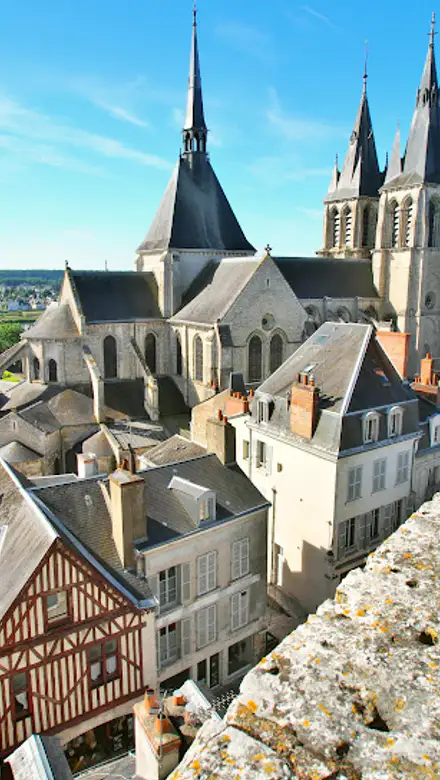
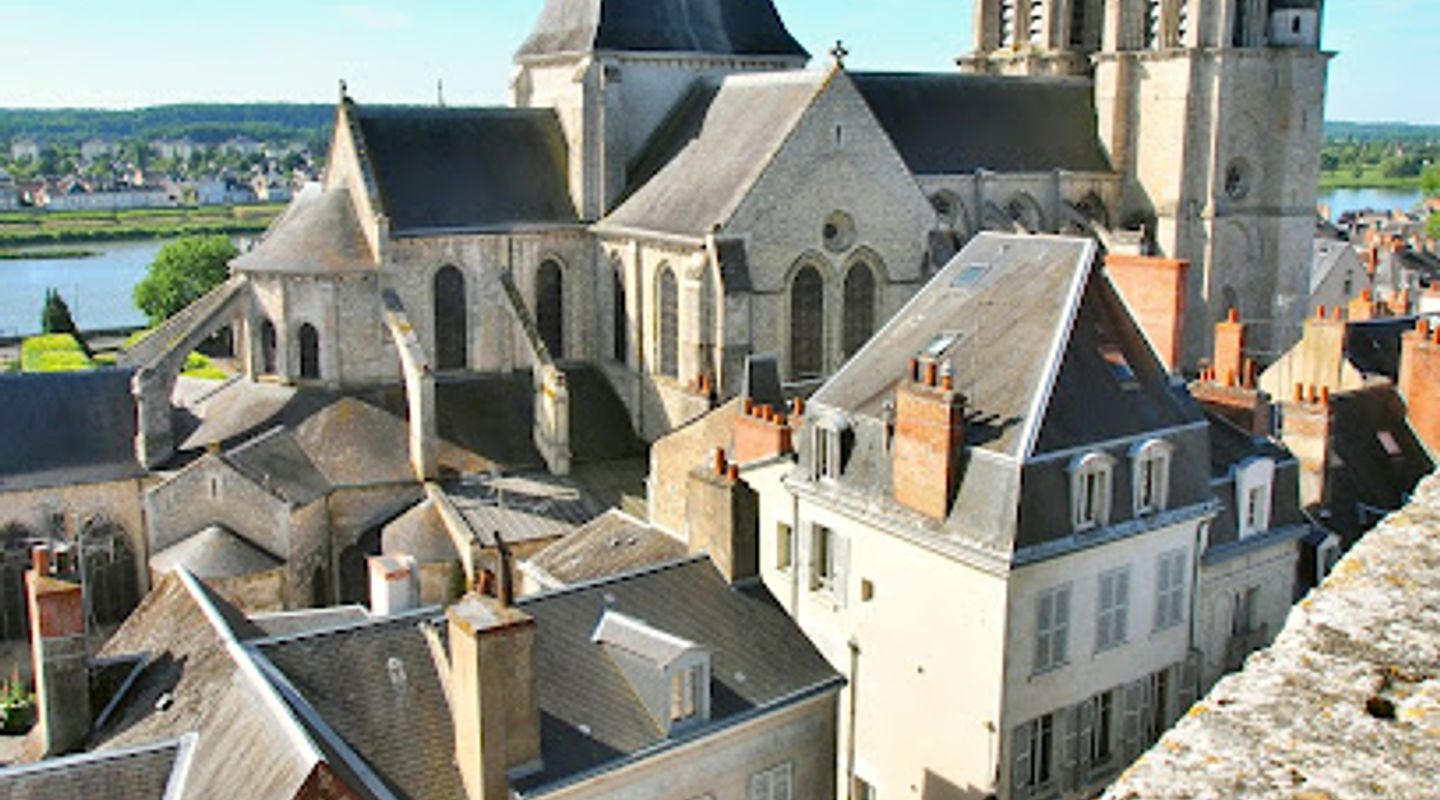
St. Lomer Abbey, also known as the Church of St. Nicholas, is a captivating landmark in Blois, France, showcasing a rich history that spans centuries. Founded in 924 by Benedictine monks fleeing Norman invasions, the abbey has undergone numerous transformations, reflecting various architectural styles from Romanesque to Gothic. Its strategic location near the Loire River and the Château de Blois makes it a prominent feature of the city's skyline. Today, visitors can explore the abbey's well-preserved interiors, admire its stained-glass windows, and appreciate the serene atmosphere that permeates this historic site. The abbey stands as a testament to Blois's resilience and enduring cultural heritage, offering a glimpse into its medieval past and its evolution through the ages. A visit promises a rewarding experience for history enthusiasts and architecture lovers alike, providing a deeper understanding of Blois's significance in the Loire Valley.
A brief summary to St. Lomer Abbey
- 17 Quai de l'Abbé Grégoire, Blois, 41000, FR

Know before you go
Hi, I'm Eve. Here are a few practical things to know before exploring St. Lomer Abbey.
- Visit during daylight hours to fully appreciate the stained-glass windows and the abbey's architectural details.
- Check the local church schedule for service times, as the abbey may be closed to tourists during services.
- Combine your visit with a walk along the Loire River for picturesque views of the abbey and the surrounding landscape.
Do you manage this location?
Take control to get all the benefits, like improved information, better appearance, and stronger visibility across AI-powered discovery. Learn more about listing your business on Evendo
Activate your presenceOther nearby places you may find interesting
The closest places of the same kind, if this one is not quite what you had in mind.
Explore St. Lomer Abbey on the Map
A handpicked selection of must-see spots near St. Lomer Abbey, mapped for you.
Getting There
-
Walking
From the Château de Blois, walk down the hill towards the Loire River. St. Lomer Abbey is located on Quai de l'Abbé Grégoire, along the riverfront, approximately a 10-15 minute walk. The abbey's distinctive bell towers are visible from many points in the city, serving as a useful landmark. No costs are associated with this approach.
-
Public Transport
From the Gare de Blois (train station), take bus line A, B, C, D or F towards the city center. Get off at the 'Gare SNCF' stop, which is about a 5-minute walk to the abbey. From there, walk towards the Loire River and follow the Quai de l'Abbé Grégoire to reach the abbey. A single bus fare costs approximately €2. The bus runs frequently throughout the day.
-
Taxi/Ride-Share
A taxi or ride-share from the Gare de Blois to St. Lomer Abbey will cost approximately €8-€12, depending on traffic. The journey takes about 5-10 minutes. Direct the driver to Quai de l'Abbé Grégoire.
-
Driving
If driving, navigate to Quai de l'Abbé Grégoire. Limited street parking is available near the abbey. Be mindful of parking regulations and fees. Parking fees typically range from €1.50 to €2.50 per hour. Alternatively, there are parking lots a few blocks away, such as Parking Valin located at Allée Jean Monnet, offering hourly and daily rates.
Discover more about St. Lomer Abbey













Your all‑in‑one travel companion app
Explore expert travel guides, compare and book tours, experiences, hotels, and more—all from the palm of your hand. Download now for seamless trip planning wherever your wanderlust takes you.


Explore More of Centre Val De Loire
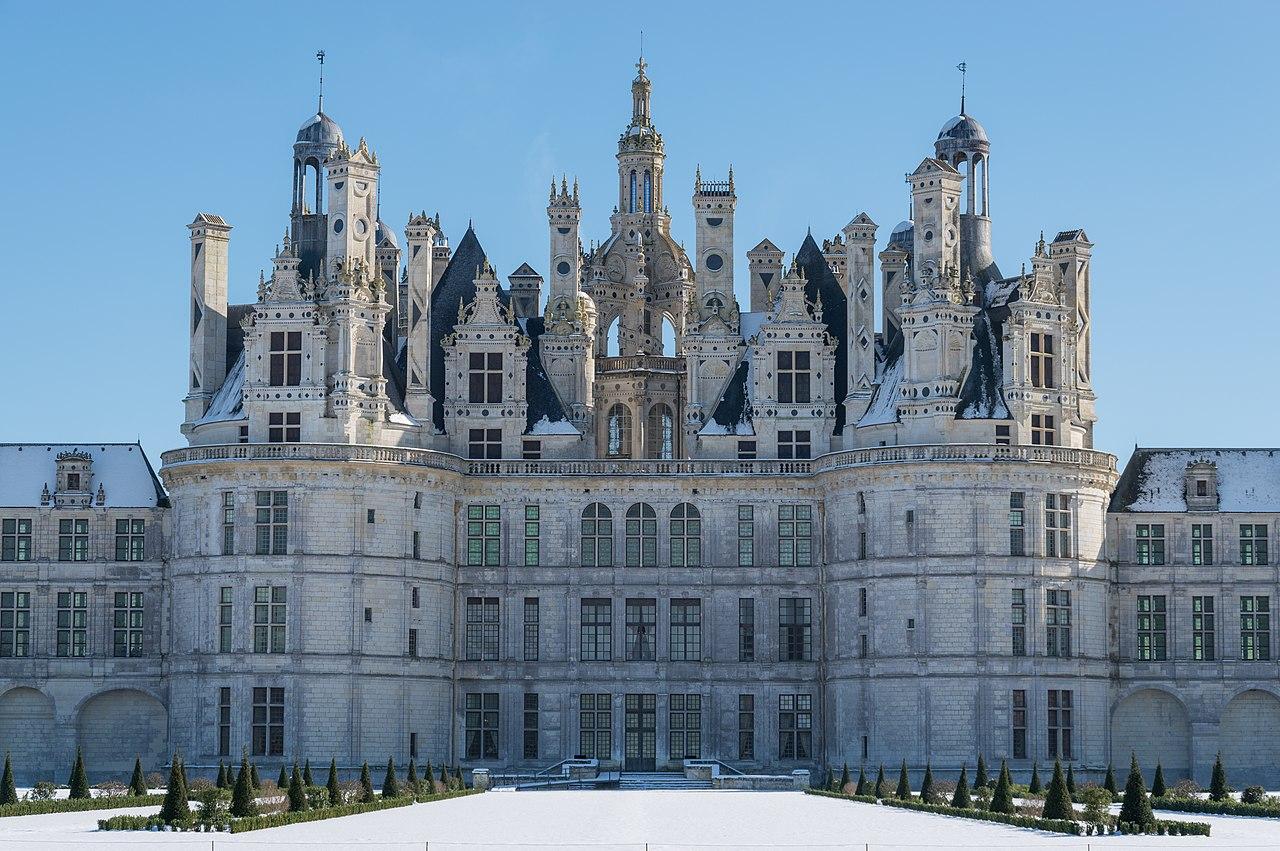
Looking beyond St. Lomer Abbey? Discover Centre Val De Loire for broader travel guides, local hot-spots, and regional highlights.
Explore Centre Val De Loire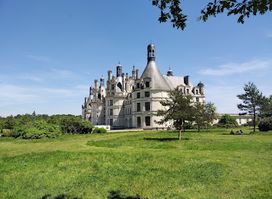
Discover the untamed beauty of Chambord Forest through the Muides Gate, where history and nature intertwine in Europe's largest enclosed park, offering hiking, wildlife, and serene landscapes.
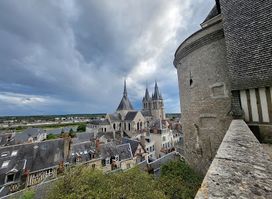
Explore the majestic Foix Tower in Blois, a historical landmark steeped in medieval charm and breathtaking views of the Loire Valley.