Background

Aosta's Enigmatic Underground Wonder: The Criptoportico Forense

Uncover the secrets of Roman Aosta beneath the city streets at the Criptoportico Forense, a remarkably preserved underground gallery offering a glimpse into ancient life.

4.6

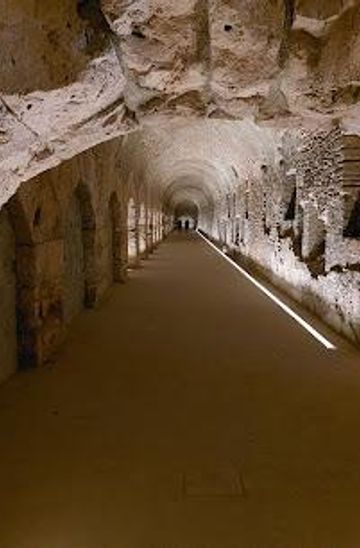
Delve into the heart of Roman Aosta with a visit to the Criptoportico Forense, an intriguing underground structure dating back to the 1st century BC. This remarkably well-preserved monument, located beneath Piazza Papa Giovanni XXIII, once formed part of the ancient Roman forum, serving as a covered walkway and possibly a storage area. Explore its atmospheric barrel-vaulted corridors, supported by sturdy travertine pillars, and imagine life in Augusta Praetoria. The Criptoportico offers a unique glimpse into Roman engineering and architecture, and its central location makes it an easy and worthwhile addition to any Aosta itinerary. Combine your visit with the Aosta Archaeological Museum and the Roman Theatre for a comprehensive historical experience. Don't miss this captivating journey beneath the city streets.

A brief summary to Criptoportico Forense

  • Monday 10 am-1 pm
  • Tuesday 10 am-1 pm
  • Wednesday 10 am-1 pm
  • Thursday 10 am-1 pm
  • Friday 10 am-1 pm
  • Saturday 10 am-1 pm
  • Sunday 10 am-1 pm

Local tips

  • Purchase the 'Aosta Archeologica' cumulative ticket for access to multiple archaeological sites, including the Criptoportico, Regional Archaeological Museum, and Roman Theatre, offering excellent value.
  • Visit during the off-season (spring or fall) for fewer crowds and a more tranquil experience exploring the underground corridors.
  • Wear comfortable shoes as the stone floors within the Criptoportico can be uneven.
  • Check the opening hours in advance, as they vary depending on the season. Last entry is 30 minutes before closing.
  • Combine your visit with a walk through Aosta's historic center to fully appreciate the city's Roman heritage.
widget icon

Getting There

  • Walking

    From Aosta's city center, the Criptoportico Forense is easily accessible on foot. Head towards Piazza Papa Giovanni XXIII, located next to the Aosta Cathedral. The entrance to the Criptoportico is on the left side of the Cathedral, within the Piazza. The walk is generally flat and takes about 5-10 minutes from most central locations. No costs are associated with walking.

  • Public Transport

    If arriving by train or bus at Aosta's main stations, the Criptoportico Forense is a 15-minute walk or a short bus ride away. From the train station, walk straight ahead to Via Monte Emilius, then turn right onto Via XX Settembre and continue until you reach Piazza Papa Giovanni XXIII. Alternatively, take bus line 1 or 2 from the train/bus station to a stop near Piazza Papa Giovanni XXIII. A single bus fare is approximately €1.50. From the bus stop, the Criptoportico is a short walk across the Piazza.

  • Driving

    If driving, navigate to Aosta city center and follow signs to Piazza Papa Giovanni XXIII. Parking is available in nearby public parking garages such as Parcheggio Centro or Parcheggio Cittadella. Expect to pay around €1.50 per hour for parking. From the parking garage, walk to Piazza Papa Giovanni XXIII; the Criptoportico is located on the left side of the Aosta Cathedral.

Unlock the Best of Criptoportico Forense

Buy tickets

    No tickets available

Book tours with entry

    No tours available

Book tours without entry

    No tours available

Discover more about Criptoportico Forense

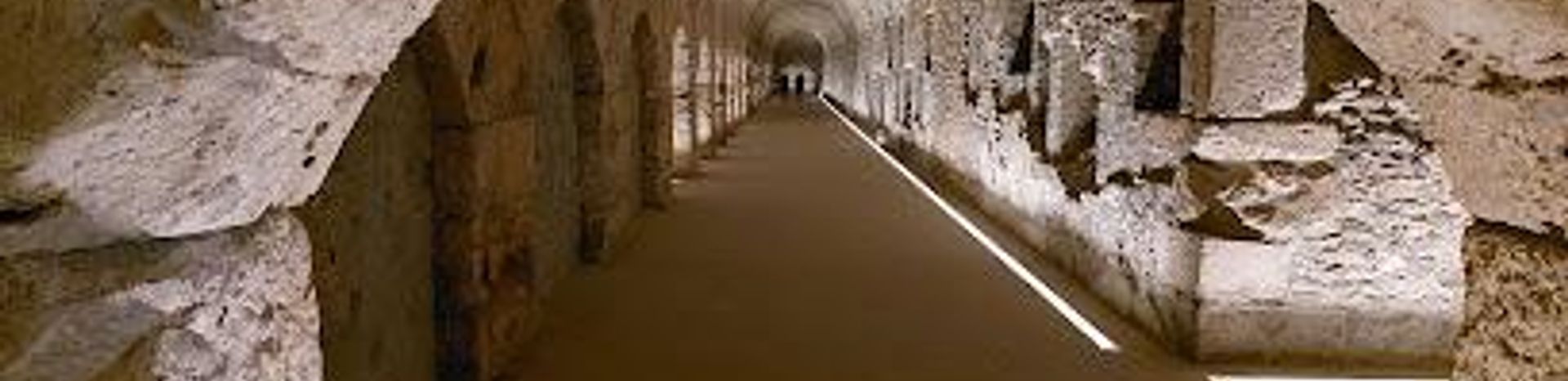
Beneath the bustling Piazza Papa Giovanni XXIII in Aosta lies a captivating secret: the Criptoportico Forense, a remarkably preserved Roman structure that transports visitors back to the era of Augusta Praetoria. Dating back to the 1st century BC, this underground monument offers a unique glimpse into the architectural ingenuity and daily life of the Roman colony. The Criptoportico Forense is a horseshoe-shaped, semi-subterranean gallery that once surrounded the sacred area of the Roman forum. Measuring approximately 89 by 73 meters, the structure consists of two parallel corridors with barrel-vaulted ceilings, supported by sturdy travertine pillars. These pillars, meticulously plastered, create a sense of both strength and elegance. Lancet windows punctuate the walls, allowing soft light to filter into the depths of the cryptoporticus, adding to its mysterious ambiance. The precise purpose of the Criptoportico Forense remains a subject of scholarly debate. While it undoubtedly served a structural function, helping to level the uneven terrain and support the temples and colonnades above, its role may have extended beyond mere engineering. Some historians believe it functioned as a covered ambulatory for worshippers accessing the adjacent temples dedicated to the deified Augustus and the Capitoline Triad (Jupiter, Juno, and Minerva). Others suggest it may have served as a storage area for military supplies or other goods. Regardless of its exact purpose, the Criptoportico Forense offers a fascinating insight into Roman construction techniques and urban planning. The sheer scale of the structure, built with remarkable precision and attention to detail, speaks to the advanced engineering capabilities of the Roman Empire. The use of barrel vaults, a hallmark of Roman architecture, allowed for the creation of spacious and durable underground spaces. As you wander through the dimly lit corridors, imagine the bustling activity that once took place above. The forum was the heart of Roman Aosta, a vibrant center of commerce, politics, and religious life. The Criptoportico would have provided a sheltered space for people to gather, conduct business, or simply escape the elements. The Criptoportico Forense is conveniently located in the heart of Aosta, making it easily accessible to visitors. Its proximity to other historical landmarks, such as the Aosta Cathedral and the Roman Theatre, allows for a seamless exploration of the city's rich Roman heritage. A visit to the Criptoportico can be combined with a stroll through the charming streets of Aosta, filled with shops, cafes, and restaurants. The site is open to the public year-round, with varying hours depending on the season. A cumulative ticket, called "Aosta Archeologica", provides access to the Criptoportico Forense, as well as other archaeological sites in Aosta, including the Regional Archaeological Museum, the Early Christian Basilica of San Lorenzo, and the Roman Theatre. This ticket offers excellent value for those interested in delving deeper into Aosta's Roman past. The Criptoportico Forense is more than just an ancient monument; it is a portal to another time. It is a place where you can connect with the past, marvel at the ingenuity of Roman engineers, and gain a deeper appreciation for the rich history of Aosta and the Aosta Valley. Whether you are a history enthusiast, an architecture buff, or simply a curious traveler, a visit to the Criptoportico Forense is an experience that will stay with you long after you leave. The Criptoportico was listed as a UNESCO World Heritage Site in 2020, and it is one of the few forensic cryptoporticus accessible to the public in Europe. Its silent tunnels, illuminated by soft light, invite a journey through time, discovering a fascinating civilization and its architectural ingenuity. An experience that gives emotions and enriches the cultural background of every visitor. A must-see attraction for lovers of history, archaeology, and for all those who wish to discover Aosta's hidden secrets. Recent discoveries near the cryptoporticus, including an insula, will be integrated into the complex of monuments, further enhancing the visitor experience. The Criptoportico Forense stands as a testament to Aosta's enduring Roman legacy, inviting all who visit to step back in time and explore the mysteries of this ancient underground world.

Popular Experiences near Criptoportico Forense

Popular Hotels near Criptoportico Forense

Select Currency