

Rhône-Alpes, France Travel Guide
Discover the stunning landscapes, historic cities, and world-class ski resorts of Rhône-Alpes, a French region that offers a perfect blend of nature and culture.
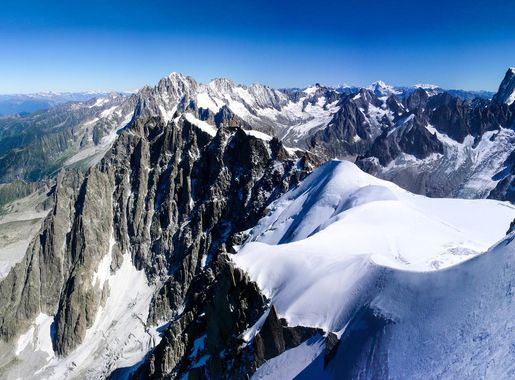
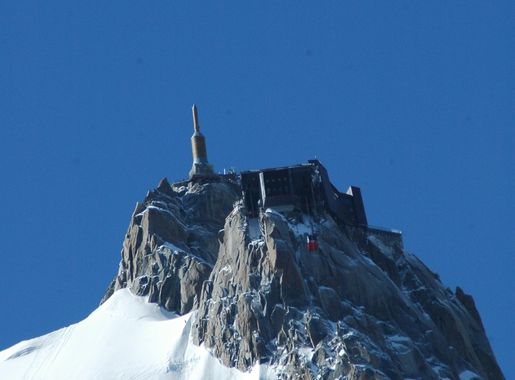
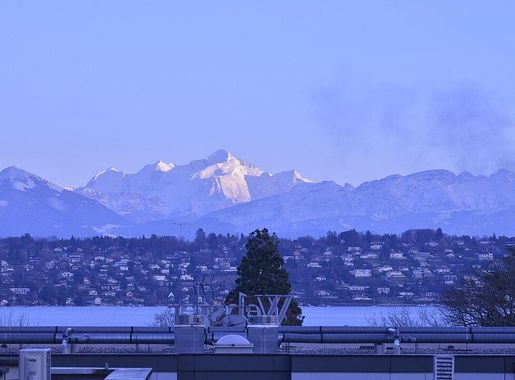
Situated in the southeast of France, Rhône-Alpes is a region that captivates visitors with its stunning landscapes and rich cultural heritage. From the majestic peaks of the French Alps to the serene vineyards of the Rhône Valley, this destination offers a blend of natural beauty and historical charm. Outdoor enthusiasts will find plenty to explore in Rhône-Alpes. The region is home to some of Europe's most famous ski resorts, including Chamonix and Courchevel, where you can enjoy world-class skiing and snowboarding. In the warmer months, the same mountains offer fantastic hiking and mountain biking trails, with breathtaking views at every turn. For those interested in culture and history, the city of Lyon is a must-visit. Known for its Renaissance architecture and vibrant culinary scene, Lyon is a UNESCO World Heritage site that offers a glimpse into France's rich past. The region is also famous for its wines, particularly those from the Beaujolais and Côtes du Rhône areas, making it a paradise for wine lovers. Whether you're seeking adventure, relaxation, or cultural enrichment, Rhône-Alpes has something to offer every traveler. Its diverse attractions and scenic beauty make it a perfect destination for a memorable getaway.

Know before you go
Hi, I'm Eve. Here are a few practical things to know before exploring Rhône-Alpes.
- Visit during the shoulder seasons (spring and autumn) to avoid crowds and enjoy milder weather.
- Purchase a regional transport pass to save on travel between cities and attractions.
- Try local specialties like raclette and fondue in the mountain villages for an authentic culinary experience.
- Book ski passes and accommodation well in advance if visiting during the winter season.
- Take a guided wine tour in the Rhône Valley to learn about and taste the region's famous wines.
Top City Travel Guides in Rhône-Alpes
The cities of Rhône-Alpes, and the easiest places to base yourself.


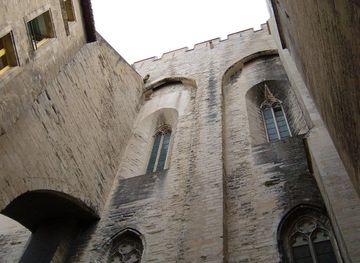


Destinations in Rhône-Alpes
Resorts, valleys and scenic spots worth a trip of their own.


Explore Rhône-Alpes: Things to Do, Places to Eat, Hotels & More
Handpicked recommendations for top attractions, local dining, accommodations, and more

Top Attractions & Sightseeing in Rhône-Alpes
Top-rated picks
Best Attractions

Parc de la Tête d'Or
Explore the lush landscapes and serene beauty of Parc de la Tête d'Or, Lyon's largest urban park, featuring botanical gardens and a tranquil lake.

Place Bellecour
Experience Lyon's heart at Place Bellecour, one of Europe's largest squares, rich in history and surrounded by shops, cafes, and attractions.

Jet d'Eau de Genève
Experience the awe-inspiring Jet d'Eau, Geneva's iconic water fountain, shooting 140 meters high into the sky, a symbol of the city's innovation and international spirit.

Jardin Anglais
Discover Geneva's lakeside oasis at Jardin Anglais, home to the iconic Flower Clock and National Monument, offering a tranquil escape with stunning views and vibrant events.

Best landmarks in Rhône-Alpes
Top-rated picks
Best Landmarks

Parc de la Tête d'Or
Experience the beauty and tranquility of Parc de la Tête d'Or, Lyon's largest urban park, featuring botanical gardens, serene lakes, and family-friendly attractions.

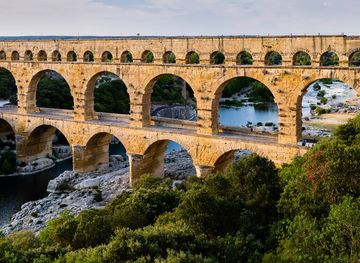
Pont du Gard
Discover the enchanting Pont du Gard, a UNESCO World Heritage Site that showcases the brilliance of Roman engineering amidst stunning natural beauty.
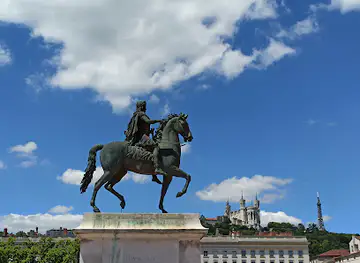
Place Bellecour
Discover Place Bellecour, the largest square in Lyon, where history, culture, and leisure come together in the heart of the city.

Parc national de la Vanoise
Explore Vanoise National Park: A breathtaking alpine paradise with diverse wildlife, stunning landscapes, and endless outdoor adventures await you.

Best restaurants in Rhône-Alpes
Top-rated picks
Best Restaurants

Restaurant Gastronomique Christian Tetedoie
Experience the pinnacle of French fine dining at Restaurant Gastronomique Christian Tetedoie in Lyon, where culinary artistry meets breathtaking views.
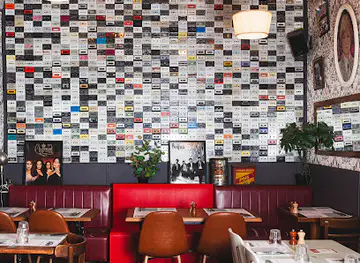
Les Fils À Maman Lyon
Discover Les Fils À Maman in Lyon – A delightful fusion of traditional French cuisine and modern dining experiences.

Bouchon Tupin
Experience authentic French cuisine at Bouchon Tupin in Lyon – where tradition meets taste in every delightful dish.

Les Voûtes Restaurant & Live Music
Discover the exquisite blend of French cuisine and vibrant live music at Les Voûtes Restaurant in Caluire-et-Cuire.

Best bars in Rhône-Alpes
Top-rated picks
Best Bars

L Bar food & drink
Discover the vibrant nightlife at L Bar in Lyon, where delicious tapas meet lively dancing and refreshing drinks for an unforgettable evening.

Le Sirius
Discover Lyon's vibrant nightlife at Le Sirius, a live music bar offering great beers and unforgettable performances along the Rhône River.

The Elephant & Castle
Experience the heart of Lyon's culinary scene at The Elephant & Castle, a vibrant gastropub offering delicious food and an extensive drink selection.

MOS - Maker of Stories
Experience the vibrant culinary scene at MOS - Maker of Stories, where craft cocktails and delicious cuisine create unforgettable moments in Lyon.

Best nightclubs in Rhône-Alpes
Top-rated picks
Best Nightclubs

Azar Club
Dive into the electrifying nightlife of Lyon at Azar Club, where music, dance, and vibrant energy unite for an unforgettable experience.

Loft Club Lyon
Unleash your inner party spirit at Loft Club Lyon, the ultimate disco experience for music lovers and dance enthusiasts in the city.

Queen club
Discover the heart of Lyon's nightlife at Queen Club, where music, dance, and unforgettable memories await.

La Maison M - Club
Discover Lyon's nightlife at La Maison M - Club, a premier destination for dancing, drinks, and unforgettable nights.

Best shops in Rhône-Alpes
Top-rated picks
Best Shops

Confluence
Experience the vibrant shopping scene at Confluence in Lyon, where modern architecture meets diverse retail and exquisite dining options.

MANOR Genève
Experience the vibrant shopping culture of Geneva at MANOR Genève, featuring an extensive range of clothing, home goods, and unique Swiss souvenirs.

The Village Outlet
Experience unbeatable deals and delightful dining at The Village Outlet, your ultimate shopping destination in Villefontaine.

Westfield La Part-Dieu
Discover retail bliss at Westfield La Part-Dieu, the ultimate shopping destination in Lyon, featuring top brands, delicious dining, and exciting entertainment.

Explore Rhône-Alpes on the Map
A handpicked selection of must-see spots in Rhône-Alpes, mapped for you.
Rhône-Alpes Essentials
-
Rhône-Alpes is well-connected by air, rail, and road. The main international airports are Lyon-Saint Exupéry Airport and Grenoble Alpes-Isère Airport. Lyon-Saint Exupéry is the largest and offers a wide range of international and domestic flights. From Paris, you can take the high-speed TGV train to Lyon, which takes about 2 hours. The region is also accessible by major motorways, including the A6 from Paris and the A7 from Marseille.
-
Public transportation in Rhône-Alpes is efficient and diverse. The region offers an extensive network of trains, trams, and buses. The TER trains connect major cities like Lyon, Grenoble, and Annecy. Lyon has an efficient metro system, while trams are available in cities like Grenoble. Renting a car is also a good option for exploring the countryside and mountainous areas. Biking is popular in cities and rural areas, with numerous bike rental services available.
-
The official currency in France is the Euro (EUR). Credit and debit cards are widely accepted in most hotels, restaurants, and shops. ATMs are readily available in urban areas and larger towns. It is advisable to carry some cash when traveling to smaller villages or rural areas where card payments may not be accepted.
-
Rhône-Alpes is generally a safe region for tourists. However, it is advisable to stay vigilant, especially in crowded places like markets and tourist attractions. Be cautious of pickpockets in busy areas. Higher crime rates targeting tourists have been reported in parts of Lyon, particularly around the Guillotière and Part-Dieu districts. Avoid walking alone at night in these areas.
-
In case of emergency, dial 112, the European emergency number, which connects you to police, fire, and medical services. Hospitals and clinics are available in major cities and towns. Pharmacies can be found throughout the region for minor health issues. Ensure you have travel insurance that covers medical emergencies.
-
Fashion: Do dress stylishly but comfortably. Avoid overly casual attire like flip-flops and shorts in city centers. Religion: Do respect religious sites by dressing modestly and observing silence. Public Transport: Do validate your ticket before boarding. Don’t eat or drink on public transport. Greetings: Do greet people with a 'Bonjour' and a handshake. Eating & Drinking: Do try local dishes and wines. Don’t rush your meal; dining is often a leisurely affair.
-
To experience Rhône-Alpes like a local, visit local markets such as Les Halles de Lyon-Paul Bocuse for fresh produce and regional specialties. Engage with locals by trying to speak some basic French phrases. In winter, enjoy the local ski resorts like Chamonix and Les Deux Alpes. In summer, explore the hiking trails in the Vercors and Chartreuse mountains. Don't miss regional festivals like the Fête des Lumières in Lyon for an authentic cultural experience.
When is the best time to visit Rhône-Alpes?
Useful Local Phrases for Rhône-Alpes
You don't need to speak the language perfectly. Even learning a few simple words can make conversations warmer—and locals usually appreciate the effort.
— Eve

Here are the phrases I use most often in Rhône-Alpes. Try a few—you'll be surprised how far they go! 😊
❤️
-
- HelloBonjour
[bohn-zhoor] - GoodbyeAu revoir
[oh ruh-vwahr] - YesOui
[wee] - NoNon
[noh] - Please/You're welcomeS'il vous plaît
[seel voo pleh] - Thank youMerci
[mehr-see] - Excuse me/SorryExcusez-moi
[ehk-skew-zay mwah] - How are you?Comment ça va?
[koh-mahn sah vah] - Fine. And you?Bien. Et vous?
[byahn. eh voo] - Do you speak English?Parlez-vous anglais?
[par-lay voo ahn-glay] - I don't understandJe ne comprends pas
[zhuh nuh kohm-prahn pah]
- HelloBonjour
-
- I'd like to see the menu, pleaseJe voudrais voir le menu, s'il vous plaît
[zhuh voo-dray vwar luh meh-nu, seel voo pleh] - I don't eat meatJe ne mange pas de viande
[zhuh nuh mahnj pah duh vyahnd] - Cheers!Santé!
[sahn-tay] - I would like to pay, pleaseJe voudrais payer, s'il vous plaît
[zhuh voo-dray pay-ay, seel voo pleh]
- I'd like to see the menu, pleaseJe voudrais voir le menu, s'il vous plaît
-
- Help!Au secours!
[oh suh-koor] - Go away!Allez-vous-en!
[ah-lay voo-zahn] - Call the Police!Appelez la police!
[ah-peh-lay lah poh-lees] - Call a doctor!Appelez un docteur!
[ah-peh-lay uhn doh-ktehr] - I'm lostJe suis perdu
[zhuh swee pehr-dyoo] - I'm illJe suis malade
[zhuh swee mah-lahd]
- Help!Au secours!
-
- I'd like to buy...Je voudrais acheter...
[zhuh voo-dray ah-sheh-tay] - I'm just lookingJe regarde juste
[zhuh ruh-gard zhuhst] - How much is it?C'est combien?
[seh kohm-byen] - That's too expensiveC'est trop cher
[seh troh shair] - Can you lower the price?Pouvez-vous baisser le prix?
[poo-vay voo beh-say luh pree]
- I'd like to buy...Je voudrais acheter...
-
- What time is it?Quelle heure est-il?
[kel uhr eh-teel] - It's one o'clockIl est une heure
[eel eh ewn uhr] - Half past (10)Dix heures et demie
[deez uhr eh duh-mee] - MorningMatin
[mah-tahn] - AfternoonAprès-midi
[ah-pray mee-dee] - EveningSoir
[swahr] - YesterdayHier
[ee-air] - TodayAujourd'hui
[oh-zhoor-dwee] - TomorrowDemain
[duh-mahn] - 1Un
[uhn] - 2Deux
[duhr] - 3Trois
[trwah] - 4Quatre
[katr] - 5Cinq
[sank] - 6Six
[sees] - 7Sept
[set] - 8Huit
[weet] - 9Neuf
[nuhf] - 10Dix
[deez]
- What time is it?Quelle heure est-il?
-
- Where's a/the...?Où est un/le...?
[oo eh uhn/luh] - What's the address?Quelle est l'adresse?
[kel eh l'ah-dress] - Can you show me (on the map)?Pouvez-vous me montrer (sur la carte)?
[poo-vay voo muh mohn-tray (sur lah kart)] - When's the next (bus)?Quand est le prochain (bus)?
[kahn eh luh proh-shen (boos)] - A ticket (to ....)Un billet (pour ....)
[uhn bee-yay (poor ....)]
- Where's a/the...?Où est un/le...?
History of Rhône-Alpes
-
The Rhône-Alpes region, known in ancient times as Gallia Lugdunensis, was heavily influenced by Roman civilization. The city of Lyon, originally named Lugdunum, was founded in 43 BCE and became an important hub for the Roman Empire. Roman ruins, such as the Amphitheatre of the Three Gauls and the ancient theatre in Vienne, bear testament to this era.
-
During the medieval period, Rhône-Alpes flourished as a center of trade and pilgrimage. Lyon became a significant trading city due to its strategic location at the confluence of the Rhône and Saône rivers. The region was also a key point on the pilgrimage route to Santiago de Compostela, reflected in the many churches and hospices built to accommodate travelers.
-
The Duchy of Savoy, which included parts of the Rhône-Alpes region, played a crucial role in European politics from the 11th to the 19th centuries. The House of Savoy, established in the region, expanded its influence through strategic marriages and military conquests. Notable sites such as the Château de Chambéry, the former residence of the Dukes of Savoy, offer a glimpse into this influential period.
-
Lyon experienced a cultural and economic renaissance during the 16th century. The city became a hub for silk weaving and banking, attracting artists, intellectuals, and merchants from across Europe. The Renaissance architecture in the Old Lyon district, with its traboules (hidden passageways) and ornate courtyards, reflects the prosperity and artistic achievements of this period.
-
The French Revolution had a profound impact on the Rhône-Alpes region. Lyon, known for its silk industry, became a center of resistance against the revolutionary government. The city endured a brutal siege in 1793, leading to widespread destruction and loss of life. The events of the revolution left a lasting legacy on the region's social and political landscape.
-
The 19th century brought industrialization to Rhône-Alpes, transforming its economy and infrastructure. Lyon became a major industrial center, particularly in textiles and chemicals. The region also saw the development of railways and hydroelectric power, spearheaded by engineering feats like the construction of the Génissiat Dam on the Rhône River. This period laid the foundation for modern Rhône-Alpes.
-
Rhône-Alpes played a significant role during World War II as a center of French Resistance against Nazi occupation. The city of Lyon was a key operational base for resistance leaders like Jean Moulin. The region's mountainous terrain provided ideal hideouts for Maquis groups. Memorials and museums, such as the Centre d'Histoire de la Résistance et de la Déportation in Lyon, commemorate this courageous chapter in history.
-
Rhône-Alpes is renowned for its rich culinary traditions. The city of Lyon is often referred to as the 'Gastronomic Capital of France,' famous for its bouchons (traditional restaurants) and specialties like coq au vin and quenelles. The region is also known for its diverse agricultural products, including cheeses such as Reblochon and Beaufort, and wines from the Rhône Valley and Savoie.
Neighbouring Regions of Rhône-Alpes
The closest regions to Rhône-Alpes, if you have time for more than one.



Your all‑in‑one travel companion app
Explore expert travel guides, compare and book tours, experiences, hotels, and more—all from the palm of your hand. Download now for seamless trip planning wherever your wanderlust takes you.


Explore More of France

Looking beyond Rhône-Alpes? Discover France for broader travel guides, local hot-spots, and regional highlights.
Explore FranceRhône-Alpes in Photos
Browse through our photo collection highlighting the charm and character of the destination.




Rhône-Alpes: A French Gem of Nature and Culture
Situated in the southeast of France, Rhône-Alpes is a region that captivates visitors with its stunning landscapes and rich cultural heritage. From the majestic peaks of the French Alps to the serene vineyards of the Rhône Valley, this destination offers a blend of natural beauty and historical charm. Outdoor enthusiasts will find plenty to explore in Rhône-Alpes. The region is home to some of Europe's most famous ski resorts, including Chamonix and Courchevel, where you can enjoy world-class skiing and snowboarding. In the warmer months, the same mountains offer fantastic hiking and mountain biking trails, with breathtaking views at every turn. For those interested in culture and history, the city of Lyon is a must-visit. Known for its Renaissance architecture and vibrant culinary scene, Lyon is a UNESCO World Heritage site that offers a glimpse into France's rich past. The region is also famous for its wines, particularly those from the Beaujolais and Côtes du Rhône areas, making it a paradise for wine lovers. Whether you're seeking adventure, relaxation, or cultural enrichment, Rhône-Alpes has something to offer every traveler. Its diverse attractions and scenic beauty make it a perfect destination for a memorable getaway.