Fesch Museum, Corsica Travel Guide
Discover masterpieces of Italian art and Corsican heritage at the Fesch Museum in Ajaccio, home to Napoleon's family history and a stunning collection of paintings.
The Fesch Museum, nestled in Ajaccio, Corsica, is a cultural gem renowned for its impressive collection of Italian paintings, second only to the Louvre in France. Founded by Cardinal Joseph Fesch, Napoleon Bonaparte's uncle, the museum showcases a vast array of Italian art from the 14th to 18th centuries, alongside Corsican paintings and a fascinating Napoleonic collection. Housed in the grand Palais Fesch, the museum offers visitors a captivating journey through art history and the legacy of the Bonaparte family. Its location in the heart of Ajaccio makes it easily accessible and a must-see destination for art enthusiasts and history buffs alike. The museum also features the Imperial Chapel, adding another layer of historical significance to the visit. Don't miss the chance to explore this cultural landmark and immerse yourself in the rich artistic heritage of Corsica.
A brief summary to Fesch Museum
- 50-52 Rue Cardinal Fesch, Ajaccio, 20000, FR
- Click to display
- Click to display
- Monday 9:15 am-6 pm
- Tuesday 9:15 am-6 pm
- Wednesday 9:15 am-6 pm
- Thursday 9:15 am-6 pm
- Friday 9:15 am-6 pm
- Saturday 9:15 am-6 pm
- Sunday 9:15 am-6 pm

Know before you go
Hi, I'm Eve. Here are a few practical things to know before exploring Fesch Museum.
- Visit during the off-season (spring or fall) to avoid crowds and enjoy a more relaxed experience.
- Take a guided tour to gain deeper insights into the museum's collections and the history of Cardinal Fesch and the Bonaparte family.
- Combine your visit with a trip to the Imperial Chapel and the Fesch Library to explore the full scope of the Palais Fesch.
- Check the museum's website for temporary exhibitions and special events to enhance your visit.
- Allow at least 2-3 hours to fully appreciate the museum's extensive collections.
Do you manage this location?
Take control to get all the benefits, like improved information, better appearance, and stronger visibility across AI-powered discovery. Learn more about listing your business on Evendo
Activate your presenceOther nearby places you may find interesting
The closest places of the same kind, if this one is not quite what you had in mind.
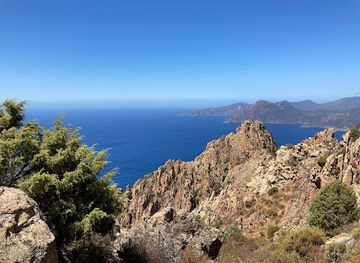
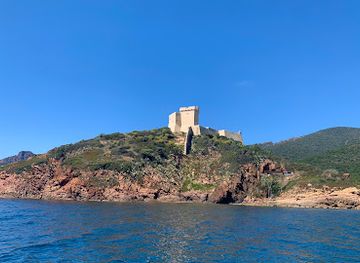
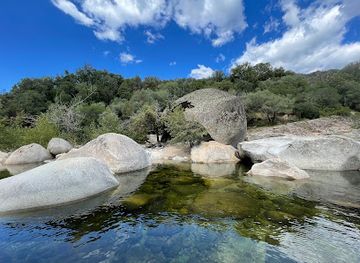
Explore Fesch Museum on the Map
A handpicked selection of must-see spots near Fesch Museum, mapped for you.
Unlock the Best of Fesch Museum
Buy tickets
-
No tickets available
Book tours with entry

Book tours without entry
-
No tours available
Getting There
-
Walking
From Ajaccio city center, the Fesch Museum is easily accessible on foot. If you are near the Ajaccio Market or the Tourist Office, stroll along Rue du Cardinal Fesch. The museum is located at 50-52 Rue Cardinal Fesch, approximately a 5-minute walk. Look for the imposing Palais Fesch building; you can't miss it. This is a free option.
-
Public Transport
Several bus lines (L1, L2, L3, L4, and 7) stop near the Fesch Museum. The closest bus stop is 'St Roch' on the T21 road. From the bus stop, it's a short walk to the museum. A single bus fare is approximately €1.50.
-
Taxi/Ride-Share
A taxi or ride-share from anywhere in central Ajaccio to the Fesch Museum is a convenient option. The ride should take about 5-10 minutes, depending on traffic. Expect to pay around €10-€15 for the trip.
-
Driving
If driving, approach Ajaccio via the T21 from the east or the D111 along the coast from the west. Note that the museum does not have dedicated parking. Paid parking is available at Parking Diamant (a 10-minute walk) or Chamber of Commerce parking lot (a 7-minute walk). Parking fees typically range from €2-€3 per hour.
Discover more about Fesch Museum













Your all‑in‑one travel companion app
Explore expert travel guides, compare and book tours, experiences, hotels, and more—all from the palm of your hand. Download now for seamless trip planning wherever your wanderlust takes you.


Explore More of Corsica
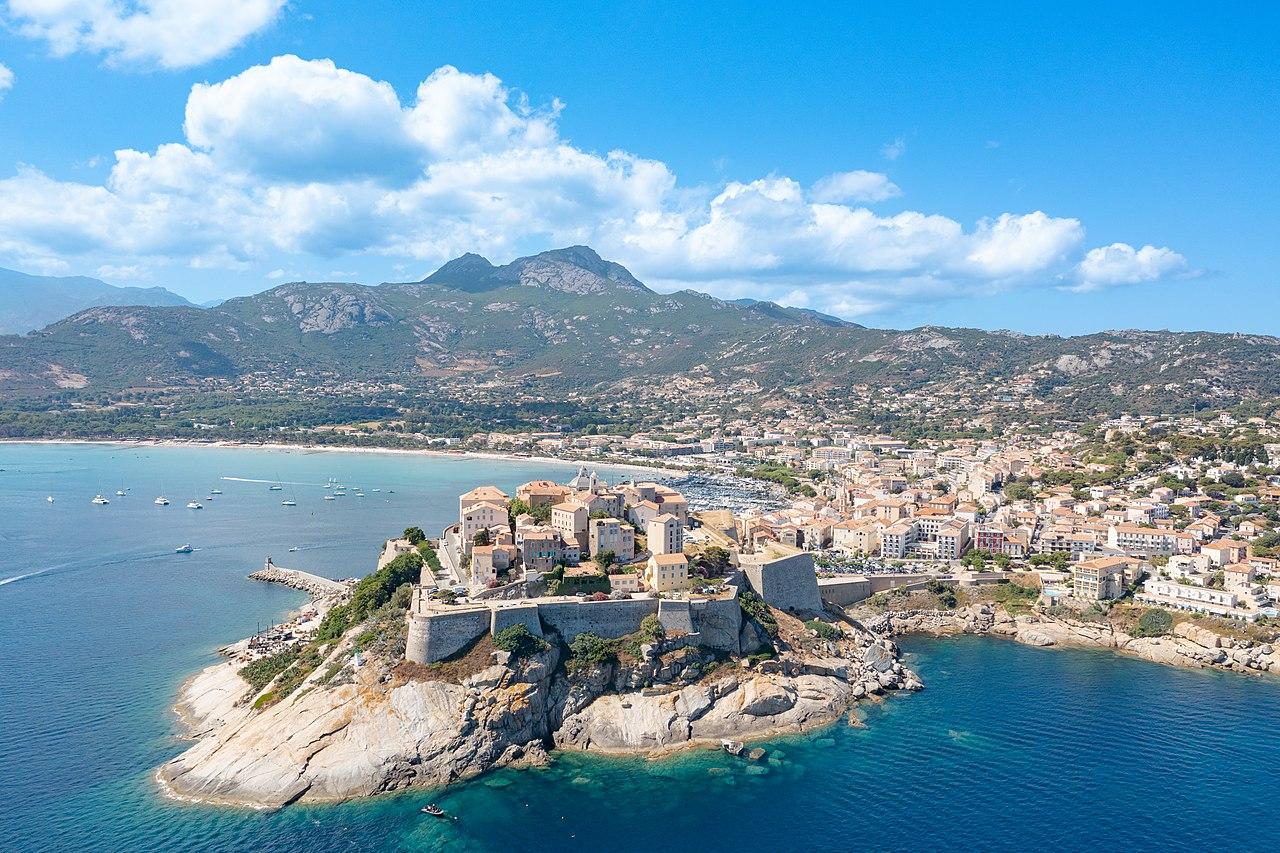
Looking beyond Fesch Museum? Discover Corsica for broader travel guides, local hot-spots, and regional highlights.
Explore Corsica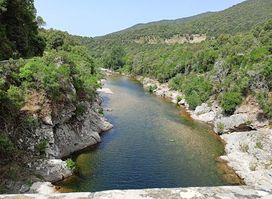
Discover the serene beauty of Pont de Truggia in Lopigna, Corsica, offering breathtaking views and a tranquil escape into the heart of the Liamone Valley's unspoiled nature.
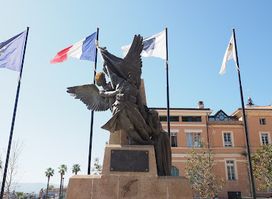
Experience the vibrant heart of Ajaccio at Place César Campinchi, a lively square brimming with local culture, historical charm, and a bustling daily market, right next to the City Hall.