

Free Corsica Travel Guide & Mobile App
Explore Corsica with free travel guides. Discover regional history, expert tips, proposed trips, and audio guides on web or mobile app.


Corsica combines French Mediterranean beaches, mountain trails, Genoese towns, distinctive cuisine and island culture across a dramatic landscape.
Read more about Corsica
When is the best time to visit Corsica?
Best: May–June, September · 23–28°C| Month | High (°C) | Rainfall (mm) |
|---|---|---|
| January | 13 | 71 |
| February | 14 | 65 |
| March | 16 | 56 |
| April | 19 | 62 |
| May (best) | 23 | 51 |
| June (best) | 28 | 40 |
| July | 31 | 35 |
| August | 31 | 39 |
| September (best) | 27 | 46 |
| October | 22 | 61 |
| November | 17 | 68 |
| December | 14 | 73 |
Getting to and around Corsica
How to get there
Transportation
Best attractions in Corsica
Corsica's attractions range from prehistoric archaeology and Genoese fortifications to dramatic protected coastlines and high mountain valleys. At Filitosa in the south-west, carved menhirs and prehistoric remains provide an insight into the island's distant past, while Aléria on the eastern plain presents Corsica's Greek and Roman heritage. Bastia, Calvi, Bonifacio and Ajaccio each offer historic citadels, old quarters and waterfront culture, but their architectural character differs according to location and history. Inland, Corte is the principal base for exploring the Restonica Valley and the mountainous landscapes of the regional natural park. Walkers can tackle sections of the GR20 or choose gentler routes through chestnut forests and village country. Boat excursions reveal the red-rock coastline and marine environment of the Scandola Nature Reserve, while the Lavezzi archipelago near Bonifacio offers rocky islets and clear surrounding waters. Beaches are especially prominent around Balagne, the south and parts of the east coast, but quieter experiences are often found by travelling beyond the busiest summer resorts. Museums, village churches, craft workshops and food producers add cultural depth beyond the coast.
-
National park
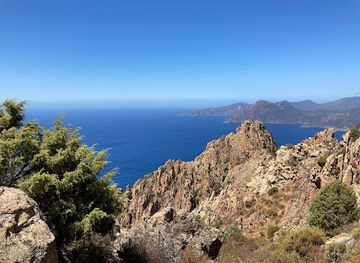
Parc naturel régional de Corse
Discover Corsica's wild heart in the Parc Naturel Régional: a stunning landscape of mountains, forests, and coastline, rich in biodiversity and cultural heritage.
-
Tourist attraction
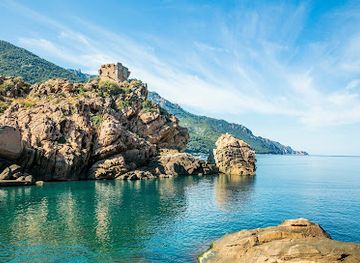
Calanques de Piana
Discover the Calanques de Piana, a UNESCO World Heritage site in Corsica, where red granite cliffs meet turquoise waters, offering breathtaking views and unforgettable experiences.
-
Zoo
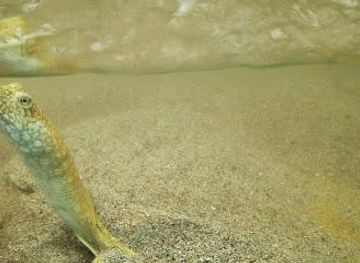
A Cupulatta
Discover a world of turtles and tortoises at A Cupulatta in Corsica, a leading European conservation center dedicated to protecting these fascinating creatures in a natural and educational environment.
-
National museum
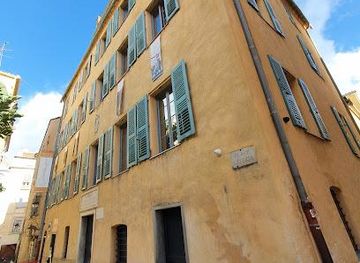
Maison Bonaparte
Explore the birthplace of Napoleon Bonaparte in Ajaccio, Corsica, and step back in time to discover the roots of a legendary emperor and his family's Corsican heritage.
Best landmarks in Corsica
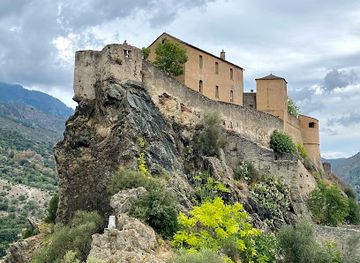
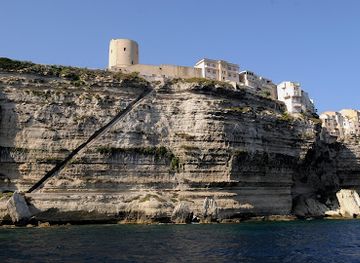
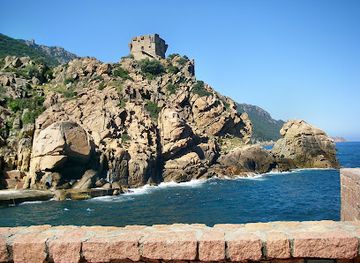
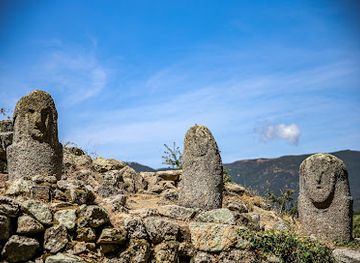
Bonifacio's citadel occupies a dramatic limestone promontory above the Strait of Bonifacio, with houses and defensive walls perched above the sea; its famous stairway cut into the cliff is a separate paid attraction whose access may vary. Bastia's citadel and old quarter reflect the city's long Genoese history, while the Old Port remains one of the island's most recognisable urban settings. In Ajaccio, the Maison Bonaparte marks the birthplace of Napoleon and provides a direct link to the city's eighteenth-century past. Corte's citadel, set above the meeting of mountain valleys, symbolises the inland political history associated with Pasquale Paoli. The Genoese watchtowers scattered along the coastline, including those around Cap Corse and the west, form a distinctive defensive landscape built to monitor maritime movement and raids. Near Filitosa, prehistoric carved standing stones preserve an older and more enigmatic landmark tradition. The granitic peaks and valleys of the interior, together with the red volcanic cliffs of the Scandola coastline, are geographical landmarks as much as scenic ones, revealing the sharp contrast between Corsica's mountains and its Mediterranean shores.
-
National park
Parc naturel régional de Corse
Experience the unspoiled beauty of Corsica's national park, where majestic mountains meet the azure sea in a breathtaking natural landscape.
-
Tourist attraction
Escalier du Roy d'Aragon
Descend into history on Bonifacio's Escalier du Roy d'Aragon, a cliffside staircase offering breathtaking views and a unique Mediterranean experience.
-
Tourist attraction
Calanques de Piana
Discover the breathtaking Calanques de Piana in Corsica: a UNESCO World Heritage Site with stunning red rock formations and turquoise waters.
-
Historical landmark
Prehistoric station Filitosa
Uncover Corsica's ancient past at Filitosa, an open-air museum featuring megalithic sculptures and prehistoric monuments in a stunning natural setting.
Explore Corsica on the map
Plan your trip on one map. See where the top cities, national parks and sights are, and book hotels and experiences in a few clicks.
Best hotels in Corsica
Best restaurants in Corsica
Corsican food combines mountain pastoral traditions with Mediterranean produce. Brocciu, a fresh whey cheese made from sheep's or goat's milk, appears in savoury dishes and desserts, while chestnuts are used in flour, cakes, biscuits and other specialities, particularly in the island's forested interior. Menus may include cured meats such as prisuttu and coppa, wild boar preparations, beans, lentils, herbs, aubergines, local honey and fish from coastal communities. Restaurants in Ajaccio, Bastia, Calvi, Bonifacio and other larger towns offer contemporary interpretations alongside traditional cooking, while village auberges and rural inns often focus on hearty regional dishes. Coastal restaurants commonly serve Mediterranean seafood, although local sourcing varies. Corsican wines come from several appellations and include distinctive island varieties, with vineyards around Patrimonio, the eastern plain, Ajaccio and other areas. Markets and specialist food shops are useful for buying cheese, charcuterie, preserves, olive oil, chestnut products and seasonal fruit.
-
Restaurant
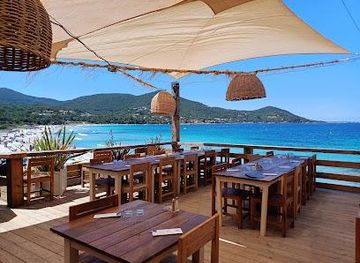
La Plage d'Argent (en Corse)
Sun-kissed paillote on Corsica's silver sands, where fresh Mediterranean bites meet turquoise seas, epic sunsets, and festive beach nights under the stars.
-
French
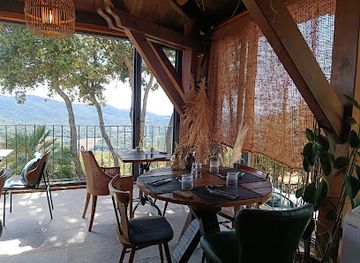
The Sheepfold of Acciola
Discover authentic French and Mediterranean cuisine at The Sheepfold of Acciola in Sartène—a true taste of Corsican tradition.
-
Restaurant
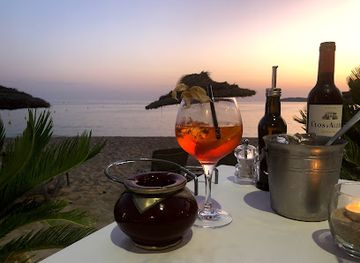
A Chabraka
Discover the flavors of Mediterranean cuisine at A Chabraka in Porto-Vecchio – where every dish tells a story.
-
French
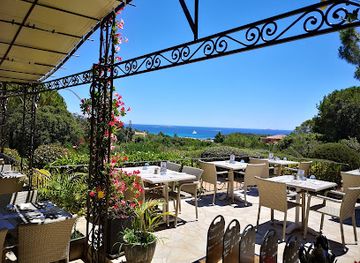
Le Santana
Experience exquisite French cuisine at Le Santana in Coggia—where every meal comes with breathtaking sea views.
Best bars in Corsica
Corsican nightlife is concentrated in the larger coastal towns and holiday resorts rather than spread evenly across the island. Bastia and Ajaccio provide the broadest choice of wine bars, cafés, restaurants, live music and late evening venues, while Calvi, Porto-Vecchio, Bonifacio and parts of the Balagne develop a more seasonal social scene during the summer. Historic squares and waterfronts often fill with café tables early in the evening, and some beach and marina areas host music-led venues without resembling a large mainland club district. Inland towns such as Corte tend to centre their evenings on cafés, bars and student life rather than extensive late-night entertainment. Local wines, beers and spirits can be sampled in moderation, but alcohol is not necessary to participate in Corsican evening culture. Opening patterns and entertainment programmes change considerably between the high and low seasons, so visitors should check locally rather than rely on out-of-date listings.
-
Bar
Licciola
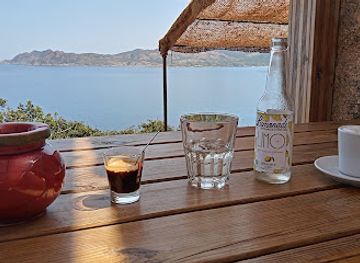
Explore Licciola, a charming bar and cafe in Palasca, where local flavors and stunning views create an unforgettable experience.
-
Restaurant
Le Lodge
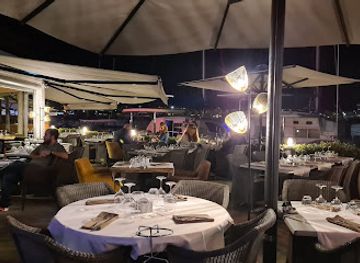
Experience the vibrant culinary and cultural scene at Le Lodge in Ajaccio. Indulge in tapas, fine wines, and live music for an unforgettable evening.
-
Bar
Sea lounge
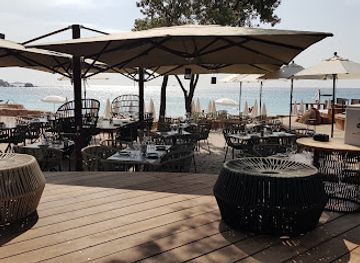
Experience culinary excellence at Sea Lounge, Porto-Vecchio’s premier bar and Mediterranean restaurant on the idyllic Palombaggia beach.
-
Bar
Café Les Platanes
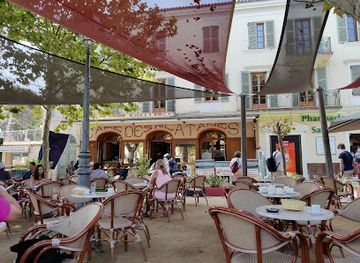
Experience the vibrant atmosphere and local flavors at Café Les Platanes in L'Île-Rousse, the perfect spot for relaxation and enjoyment.
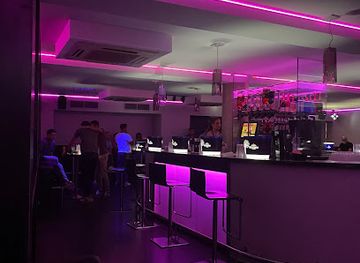
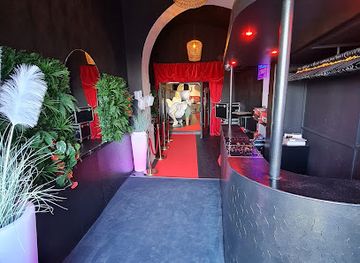
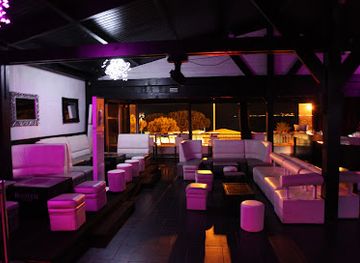
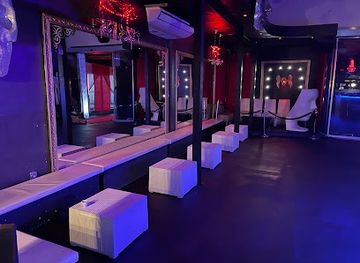
Best nightclubs in Corsica
Corsican nightlife is concentrated in the larger coastal towns and holiday resorts rather than spread evenly across the island. Bastia and Ajaccio provide the broadest choice of wine bars, cafés, restaurants, live music and late evening venues, while Calvi, Porto-Vecchio, Bonifacio and parts of the Balagne develop a more seasonal social scene during the summer. Historic squares and waterfronts often fill with café tables early in the evening, and some beach and marina areas host music-led venues without resembling a large mainland club district. Inland towns such as Corte tend to centre their evenings on cafés, bars and student life rather than extensive late-night entertainment. Local wines, beers and spirits can be sampled in moderation, but alcohol is not necessary to participate in Corsican evening culture. Opening patterns and entertainment programmes change considerably between the high and low seasons, so visitors should check locally rather than rely on out-of-date listings.
-
Night club
Clint
Discover the vibrant nightlife at Clint in Porto-Vecchio, where music, dance, and unforgettable experiences await every night.
-
Disco club
Le vintage club - Bastia
Experience the vibrant nightlife of Bastia at Le Vintage Club, a must-visit disco destination filled with energy and excitement.
-
Night club
Disco Sun
Experience unforgettable nights at Disco Sun, a premier night club in Grosseto-Prugna, where music and dance come alive.
-
Night club
Dusty Rose Club - Biguglia
Discover the electrifying atmosphere of Dusty Rose Club, Biguglia’s vibrant nightlife destination, perfect for dancing and socializing into the early hours.
Best shops in Corsica
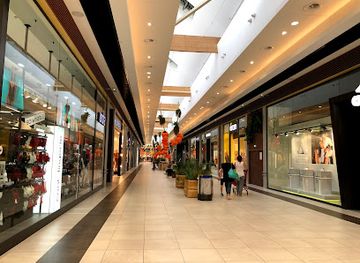
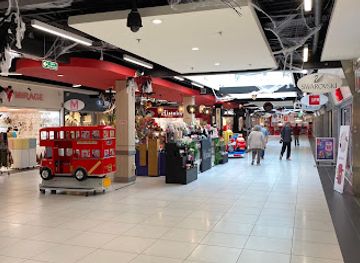
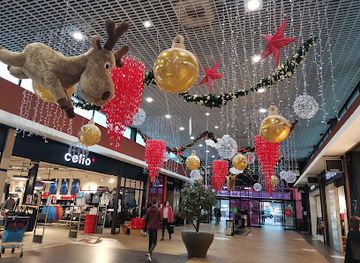
Shopping in Corsica is strongest in the old quarters and market streets of Bastia, Ajaccio, Calvi, Bonifacio, L'Île-Rousse and other established towns, where independent food shops, fashion outlets, bookshops and craft sellers serve both residents and visitors. Markets are useful for seasonal fruit, vegetables, cheese, honey, olive oil, preserves and cured meats, although opening days and size vary by town and season. Regional products make more meaningful souvenirs than generic beach merchandise: look for chestnut flour and biscuits, Corsican wines, myrtle products, soaps, ceramics, leather goods, knives, textiles and locally made jewellery. Village workshops and farm shops provide opportunities to buy directly from producers, particularly in the interior and mountain districts. Coastal resorts offer more holiday-oriented retail and galleries, while Bastia and Ajaccio have the broadest everyday choice. Check labelling and transport rules before buying food products, especially fresh cheese or meat, for a journey beyond France.
-
Shopping mall
L’Atrium
Discover L’Atrium, Corsica's premier shopping destination, offering a blend of fashion, dining, and cultural experiences for every visitor.
-
Shopping mall
La Galerie - La Rocade Furiani
Discover an exceptional shopping experience at La Galerie - a vibrant mall with boutiques, dining, and entertainment options in Furiani.
-
Shopping mall
La Rocade Mezzavia
Discover a vibrant shopping experience at La Rocade Mezzavia in Ajaccio, featuring boutiques, hypermarkets, and delicious restaurants to explore.
-
Shopping mall
Grand Ajaccio Baléone - Centre Commercial
Explore the vibrant shopping scene at Grand Ajaccio Baléone, a must-visit mall in Sarrola-Carcopino, combining retail therapy with exquisite dining and entertainment.
Get your free copy of our complete guide to Corsica, delivered straight to you.
Everything on this page, from attractions and restaurants to essentials and local phrases, in one PDF you can read offline, print or share.
Already have an account? Sign in
Your Corsica guide is ready.
We'll send it to · Not you? Sign out

Getting your guide ready…
We are putting together a fresh copy of the Corsica guide. This can take up to a minute.
This can take a few moments. If your browser asks, choose Allow so the download can start. You'll find the guide in your Downloads folder.
Nothing happened? Download it again
Sorry, the guide is taking longer than usual. Please try again in a minute, or get it by email instead.
Corsica essentials
Currency and Payment
Safety
Emergency Situations
Do's and Don'ts
Local Tips
From Eve
Local phrases worth knowing
You don't need to get them perfect. A few words go a long way, and locals appreciate the effort.
Basics
| English | Local | Say it |
|---|---|---|
| Hello | Bonghjornu | [bohn-jor-noo] |
| Goodbye | A revè | [ah reh-veh] |
| Yes | Iè | [ee-eh] |
| No | Ùn | [oon] |
| Please/You’re welcome | Per piacè | [pehr pyah-cheh] |
| Thank you | Grazie | [grah-tsee-eh] |
| Excuse me/Sorry | Mi scusi | [mee skoo-zee] |
| How are you? | Cumu stai? | [koo-moo stai] |
| Fine. And you? | Bene. È tù? | [beh-neh eh too] |
| Do you speak English? | Parli inglese? | [par-lee een-gleh-zeh] |
| I don't understand | Non capiscu | [nohn kah-pees-koo] |
Eating & Drinking
| English | Local | Say it |
|---|---|---|
| I'd like to see the menu, please | Vogliu vede u menù, per piacè | [voh-lyoo veh-deh oo meh-noo pehr pyah-cheh] |
| I don't eat meat | Non manghju carne | [nohn mahn-joo kar-neh] |
| Cheers! | Salute! | [sah-loo-teh] |
| I would like to pay, please | Vogliu pagà, per piacè | [voh-lyoo pah-gah pehr pyah-cheh] |
Emergencies
| English | Local | Say it |
|---|---|---|
| Help! | Aiutu! | [ah-yoo-too] |
| Go away! | Andate via! | [ahn-dah-teh vee-ah] |
| Call the Police! | Chjama a pulizia! | [kyah-mah ah poo-lee-tsee-ah] |
| Call a doctor! | Chjama un duttore! | [kyah-mah oon doo-tor-eh] |
| I'm lost | Sò persu | [soh pehr-soo] |
| I'm ill | Sò malatu | [soh mah-lah-too] |
Shopping
| English | Local | Say it |
|---|---|---|
| I'd like to buy... | Vogliu cumprà... | [voh-lyoo koom-prah] |
| I'm just looking | Sò solu à guardà | [soh soh-loo ah gwahr-dah] |
| How much is it? | Quant'hè? | [kwahn-teh] |
| That's too expensive | Hè troppu caru | [eh troh-poo kah-roo] |
| Can you lower the price? | Pò abbassà u prezzu? | [poh ah-bah-sah oo preh-tsoo] |
Time & Numbers
| English | Local | Say it |
|---|---|---|
| What time is it? | Chì ora hè? | [kee oh-rah eh] |
| It's one o'clock | Hè l'una | [eh loo-nah] |
| Half past (10) | Mez'ora (10) | [mehz-oh-rah] |
| Morning | Matina | [mah-tee-nah] |
| Afternoon | Dopu meziornu | [doh-poo meh-zee-oh-noo] |
| Evening | Sera | [seh-rah] |
| Yesterday | Ieri | [yeh-ree] |
| Today | Oghje | [oh-jay] |
| Tomorrow | Dumane | [doo-mah-neh] |
| 1 | Unu | [oo-noo] |
| 2 | Dui | [doo-ee] |
| 3 | Tre | [treh] |
| 4 | Quattru | [kwah-troo] |
| 5 | Cinci | [chin-chee] |
| 6 | Sei | [say] |
| 7 | Sette | [seh-tay] |
| 8 | Ottu | [oh-too] |
| 9 | Nove | [noh-veh] |
| 10 | Dieci | [dee-eh-chee] |
Transport & Directions
| English | Local | Say it |
|---|---|---|
| Where's a/the...? | Ind'è un/una...? | [een-deh oon oo-nah] |
| What's the address? | Chì hè l'indirizzu? | [kee eh leen-dee-ree-tsoo] |
| Can you show me (on the map)? | Pò mostrà mi (sul mappa)? | [poh mohs-trah mee sool mah-pah] |
| When's the next (bus)? | Quandu hè u prossimu (bus)? | [kwahn-doo eh oo proh-see-moo] |
| A ticket (to ....) | Un bigliettu (per ....) | [oon bee-lyet-too pehr] |
History of Corsica
Prehistoric Corsica and the Megalithic Tradition
Corsica was settled in prehistoric periods by communities that farmed, herded and traded across the western Mediterranean. The island contains numerous menhirs, dolmens and fortified prehistoric settlements, including the important archaeological site of Filitosa in the south-west. Its carved standing stones are among the most recognisable evidence of prehistoric Corsican culture, although their precise meanings remain debated. Bronze Age communities also built fortified villages and maintained maritime contacts with neighbouring islands and mainland coastlines. These remains establish a long history of local settlement before the island became incorporated into the political systems of Rome, Genoa or France.
Greek, Roman and Early Medieval Influences
Ancient Corsica was connected to the wider Mediterranean through trade and successive periods of influence. Greek settlers established Alalia, generally identified with modern Aléria, on the eastern coast, and the site later became important under Roman rule. Roman Corsica developed agricultural estates, roads and settlements, while Christianity gradually spread across the island. After the decline of Roman authority, Corsica experienced the political instability common to the western Mediterranean, with influence from successive regional powers and seaborne raiders. The archaeological site and museum at Aléria help explain this early history, although much of the island remained rural and difficult to control from any single centre.
Pisan and Genoese Rule
From the Middle Ages, Corsica became closely tied to maritime powers based in Italy. Pisa influenced the island's churches and administration before Genoa secured predominant control. Genoese authority lasted for centuries, though it was uneven and frequently challenged by local communities and rival powers. Genoa founded or strengthened coastal settlements, including Bastia, Calvi, Bonifacio and Ajaccio, and constructed watchtowers and defensive citadels to protect shipping and settlements from attack. The island's Romanesque churches, fortified towns and coastal towers reflect this period, while the difficult relationship between central authority and local communities continued to shape Corsican politics.
Pasquale Paoli and the Corsican Republic
In the eighteenth century, resistance to Genoese rule developed into a major political movement led by Pasquale Paoli. Paoli became the leading figure of an independent Corsican government from 1755, establishing institutions associated with the short-lived Corsican Republic and making Corte its political centre. The movement is remembered for its attempt to create representative government and for promoting Corsican identity. Genoa, unable to restore effective control, transferred its claims to France, which intervened militarily. French forces defeated Paoli's supporters at the Battle of Ponte Novu in 1769, bringing the republic's independence to an end.
Corsica under France and the Birth of Napoleon
Following the French conquest, Corsica was incorporated into the French state, although resistance and political tension continued. Napoleon Bonaparte was born in Ajaccio in 1769, the same year as the decisive French victory over Paoli's forces. His family belonged to the island's lesser provincial nobility, and his birthplace is now preserved as the Maison Bonaparte. Napoleon's later career made Corsica internationally prominent, but the island's history cannot be reduced to his biography. Ajaccio's museums and civic spaces present both the imperial connection and the broader social and political setting of eighteenth-century Corsica.
Corsica in the Nineteenth and Early Twentieth Centuries
Modern French administration brought new roads, schools and administrative structures, but Corsica remained relatively poor and geographically isolated compared with much of mainland France. Mountain agriculture, chestnut cultivation, pastoralism, olive growing and maritime activity remained important, while many islanders emigrated to mainland France or abroad. Coastal towns expanded gradually, and the island's strategic position gave it military significance. The First and Second World Wars affected Corsican communities through mobilisation, occupation and resistance. Bastia and other ports also retained commercial links across the Tyrrhenian Sea, reinforcing Corsica's connections with Italy and the wider Mediterranean.
Tourism, Regional Identity and Contemporary Corsica
From the later twentieth century, improved ferry links, airports, roads and holiday infrastructure transformed Corsica's economy. Tourism brought substantial development to coastal areas, especially around Porto-Vecchio, Calvi, the Balagne and the Ajaccio region, while many inland villages remained more lightly visited. At the same time, campaigns for greater cultural recognition and political autonomy strengthened the public presence of the Corsican language and historical memory. Contemporary Corsica is therefore both a French region and a strongly expressed island society, balancing mass summer tourism with protected landscapes, agricultural traditions, heritage conservation and efforts to manage pressure on coasts and mountain environments.
Corsica in Photos
Browse through our photo collection highlighting the charm and character of the destination.
Neighbouring regions of Corsica
The closest regions to Corsica, if you have time for more than one.
-

-

-

-

-


Swipe for more regions
Explore more

Explore more of France
Explore France: A land of romance, history, and unparalleled beauty, from the iconic streets of Paris to the serene landscapes of Provence and the luxury of the French Riviera.
Explore France