

Kergüntuil gallery grave, Côte De Granit Rose Travel Guide
Explore the mysteries of Brittany's Neolithic past at the Kergüntuil gallery grave, an ancient burial site adorned with intriguing carvings and steeped in history near Trégastel.
The Kergüntuil gallery grave, dating back to around 2000 BC, offers a fascinating glimpse into Brittany's Neolithic past. This megalithic monument, also known as an "allée couverte" (covered alley), features a burial chamber constructed of large stone slabs. What sets Kergüntuil apart are the intriguing sculpted breast-like protuberances and a U-shaped line engraved on some of the pillars, believed by archaeologists to represent a Neolithic Mother Goddess. The site provides a tangible connection to the ancient people who inhabited this region, offering insights into their burial practices, beliefs, and artistic expression. Located near Trégastel, it's easily accessible and provides a unique historical experience. While simple in its layout, the site's atmosphere and the surrounding landscape evoke a sense of mystery and reverence for the past. The Kergüntuil gallery grave is a must-see for history enthusiasts and anyone seeking to connect with Brittany's rich prehistoric heritage.
A brief summary to Kergüntuil gallery grave
- 4 Rte de Kerianegan, Pleumeur-Bodou, 22560, FR

Know before you go
Hi, I'm Eve. Here are a few practical things to know before exploring Kergüntuil gallery grave.
- Wear comfortable shoes, as the ground around the site can be uneven.
- Visit during off-peak hours to avoid crowds and enjoy a more peaceful experience.
- Bring a camera to capture the unique carvings and the surrounding landscape.
- Check the weather forecast before you go, as the site is exposed to the elements.
Do you manage this location?
Take control to get all the benefits, like improved information, better appearance, and stronger visibility across AI-powered discovery. Learn more about listing your business on Evendo
Activate your presenceOther nearby places you may find interesting
The closest places of the same kind, if this one is not quite what you had in mind.
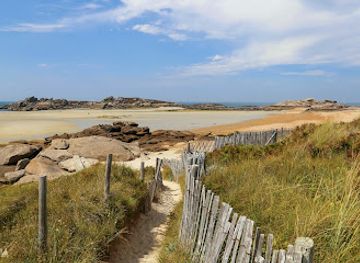
Explore Kergüntuil gallery grave on the Map
A handpicked selection of must-see spots near Kergüntuil gallery grave, mapped for you.
Getting There
-
Driving
From Pleumeur-Bodou, follow signs towards Trégastel. The Kergüntuil gallery grave is located approximately 3 km from Trégastel, near the D88 road. Look for signs indicating 'Allée couverte de Kergüntuil'. Limited free parking is available on-site. Be mindful of narrow roads in the area.
-
Public Transport
From Lannion, take the TiLT bus line to Pleumeur-Bodou. From Pleumeur-Bodou, you can take another bus towards Trégastel and get off at a stop near the D88 road. From there, it's approximately a 15-20 minute walk to the gallery grave. A single bus fare is around €2.
-
Taxi/Ride-Share
Taxis are available in Lannion and Pleumeur-Bodou. A taxi ride from Lannion to the Kergüntuil gallery grave will cost approximately €16-€18. Ride-sharing services may also be available, but their availability can be limited.
Discover more about Kergüntuil gallery grave
More to explore near Kergüntuil gallery grave













Your all‑in‑one travel companion app
Explore expert travel guides, compare and book tours, experiences, hotels, and more—all from the palm of your hand. Download now for seamless trip planning wherever your wanderlust takes you.


Explore More of Côte De Granit Rose
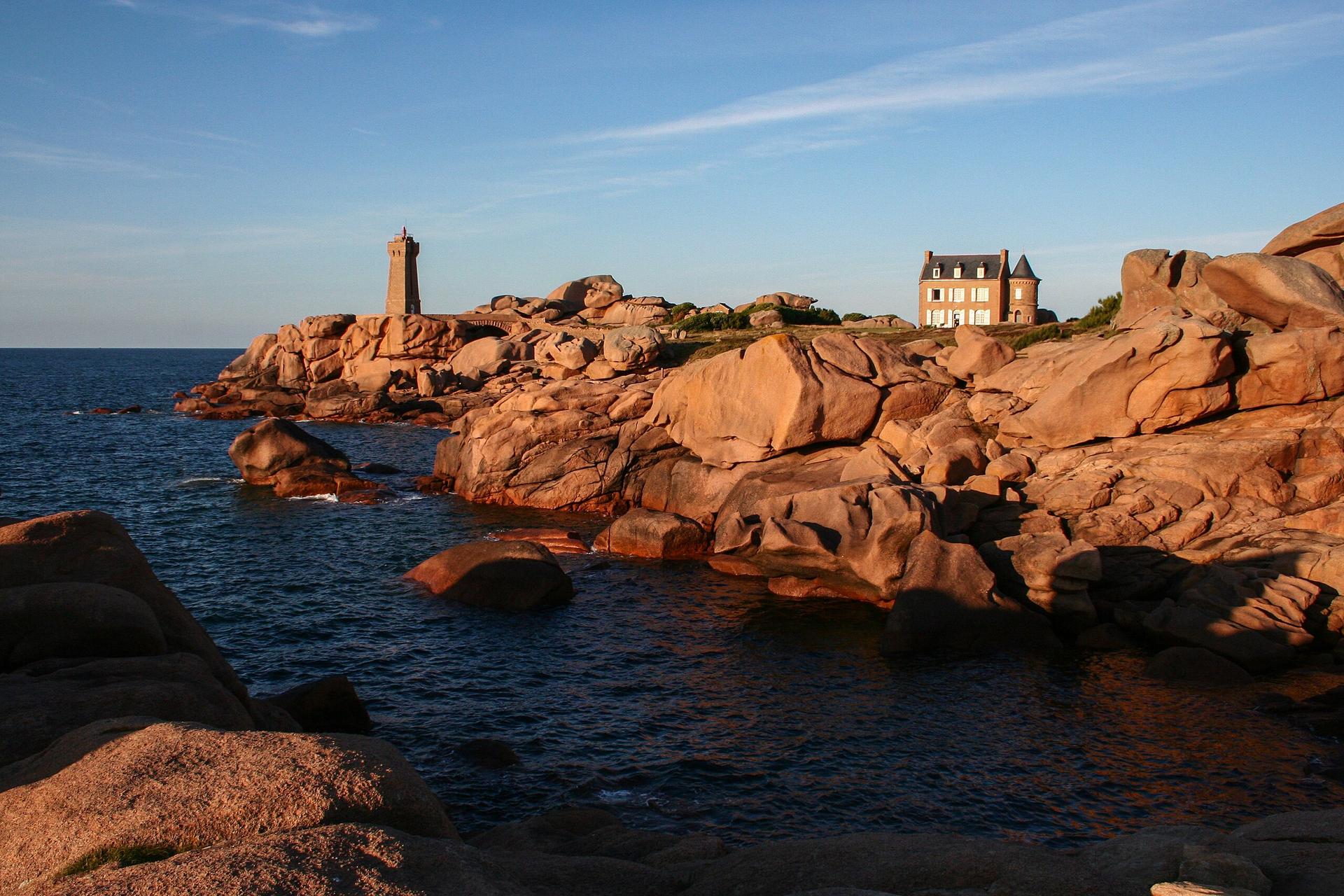
Looking beyond Kergüntuil gallery grave? Discover Côte De Granit Rose for broader travel guides, local hot-spots, and regional highlights.
Explore Côte De Granit Rose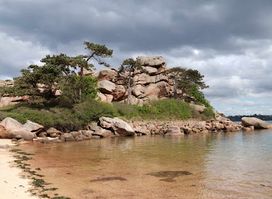
Discover the Tête du Géant de Fer, an iconic rock formation on Brittany's Pink Granite Coast, offering breathtaking views, tranquil walks, and a unique geological experience in Perros-Guirec.
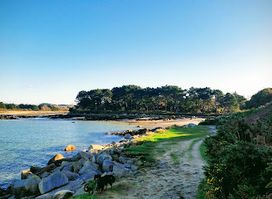
Escape to the tranquil shores of Plage du Grannec in Trégastel, Brittany, and discover a serene coastal paradise amidst the stunning Pink Granite Coast, perfect for relaxation and exploration.
