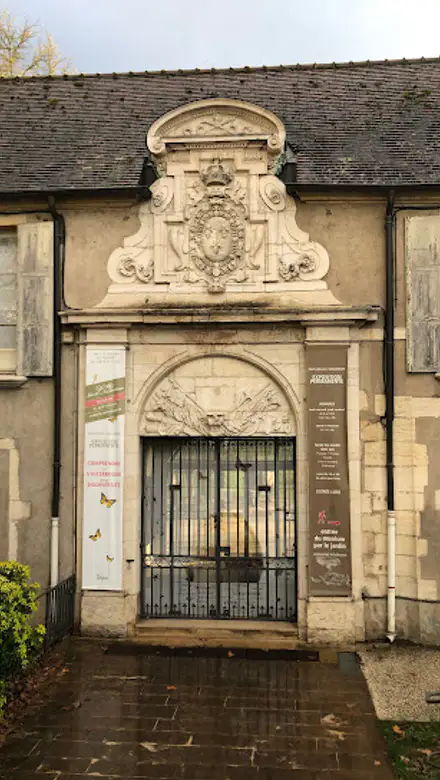
Natural History Museum, Dijon Travel Guide
Free Guide: Explore Earth's biodiversity at Dijon's Natural History Museum, nestled in the beautiful Jardin des Sciences.


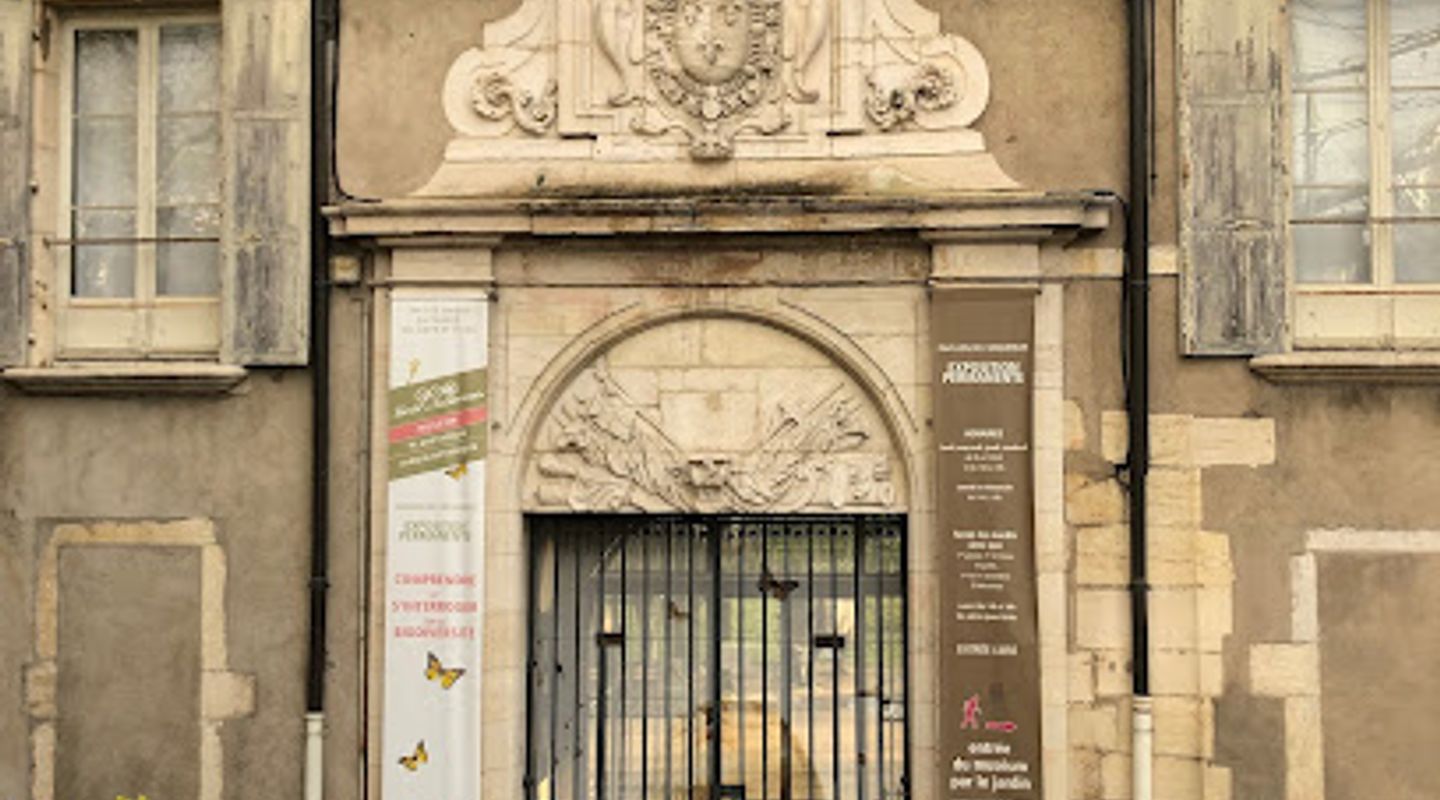
A brief summary of Natural History Museum
Explore Earth's biodiversity at Dijon's Natural History Museum, nestled in the beautiful Jardin des Sciences.
Located in the Parc de l'Arquebuse, the Dijon Natural History Museum, established in 1836, offers an immersive exploration of the natural world. Housed in a former arquebusiers' barracks, the museum features diverse exhibits from regional geology to global ecosystems. It's part of the Jardin des Sciences, along with a planetarium and botanical garden.
Opening hours
- Mon9 am–12:30 pm, 2 pm–6 pm
- TueClosed
- Wed9 am–12:30 pm, 2 pm–6 pm
- Thu9 am–12:30 pm, 2 pm–6 pm
- Fri9 am–12:30 pm, 2 pm–6 pm
- Sat2 pm–6 pm
- Sun2 pm–6 pm
Opening hours as listed on the venue’s Google Business Profile. Hours can change for services and special events, so check with the venue before you go.
- Address
- Muséum d'histoire naturelle, 1 Av. Albert 1er, 21000 Dijon
- Phone
- Website
Getting there
Walking
Public Transport
Taxi
Discover more about Natural History Museum
Overview
The Dijon Natural History Museum (Muséum d'Histoire Naturelle de Dijon) invites visitors to discover the wonders of the natural world within the verdant Parc de l'Arquebuse. Founded in 1836 by naturalist Léonard Nodot, the museum is located in the former pavilion of Arquebuse, once barracks for arquebusiers built around 1608. Today, it forms a scientific hub along with the Hubert Curien Planetarium and the Botanical Garden of Arquebuse, collectively known as the Jardin des Sciences.The museum's exhibits span three floors, showcasing a vast collection of specimens. The ground floor features regional geology and fossils, while the second floor explores diverse animal ecosystems, and the third is dedicated to entomology. Exhibits include fossils, minerals, preserved specimens, and interactive displays that cater to all ages. Temporary exhibitions and events are held regularly. The museum also participates in programs focusing on preservation, restoration, and digitization of its collections.Adjacent to the museum, the Jardin de l'Arquebuse offers further exploration with botanical displays, including insect hotels and domestic beehives. The garden itself covers five hectares and contains over 3,000 species of plants from Burgundy and around the world.
Evendo Review Centre
 Google
Guest reviews
Explore Natural History Museum on the map
A handpicked selection of must-see spots near Natural History Museum, mapped for you.
Get your free copy of our complete guide to Natural History Museum, delivered straight to you.
Everything on this page, from opening hours and how to get there to Eve’s tips and the best time to go, in one PDF you can read offline, print or share.
Already have an account? Sign in
Your Natural History Museum guide is ready.
We'll send it to · Not you? Sign out

Getting your guide ready…
We are putting together a fresh copy of the Natural History Museum guide. This can take up to a minute.
This can take a few moments. If your browser asks, choose Allow so the download can start. You'll find the guide in your Downloads folder.
Nothing happened? Download it again
Sorry, the guide is taking longer than usual. Please try again in a minute, or get it by email instead.
Other nearby places you may find interesting
The closest places of the same kind, if this one is not quite what you had in mind.
-
-
-

-
-


Swipe for more places
More to explore near Natural History Museum

 Best experiences near Natural History Museum
 Best hotels near Natural History Museum
 Best landmarks near Natural History Museum
 Best attractions near Natural History Museum
 Best shops near Natural History Museum
 Best restaurants near Natural History Museum
 Best bars near Natural History Museum
Do you manage this location?
Take control to get all the benefits, like improved information, better appearance, and stronger visibility across AI-powered discovery.
Explore more

Explore more of Dijon
Discover Dijon, a charming city in the heart of Burgundy, where history, culture, and gastronomy create an unforgettable experience for every visitor.
Explore Dijon
Explore more of France
Explore France: A land of romance, history, and unparalleled beauty, from the iconic streets of Paris to the serene landscapes of Provence and the luxury of the French Riviera.
Explore France