William Gate, Dijon Travel Guide
Free Guide: Discover Dijon's iconic 18th-century triumphal arch, Porte Guillaume, a neoclassical masterpiece and a gateway to the city's historic heart.


A brief summary of William Gate
Discover Dijon's iconic 18th-century triumphal arch, Porte Guillaume, a neoclassical masterpiece and a gateway to the city's historic heart.
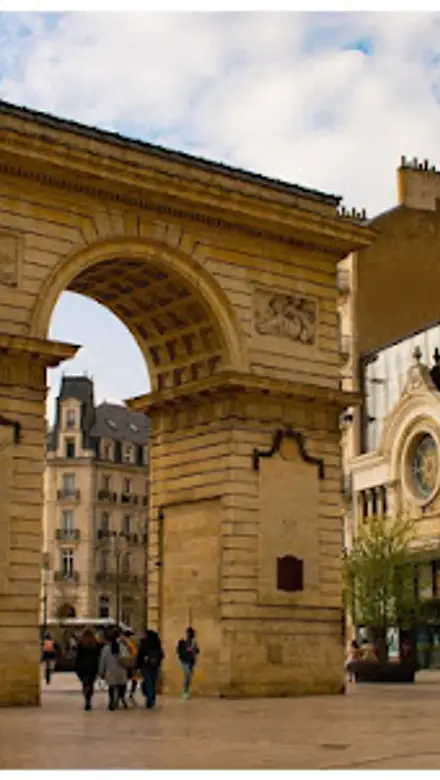
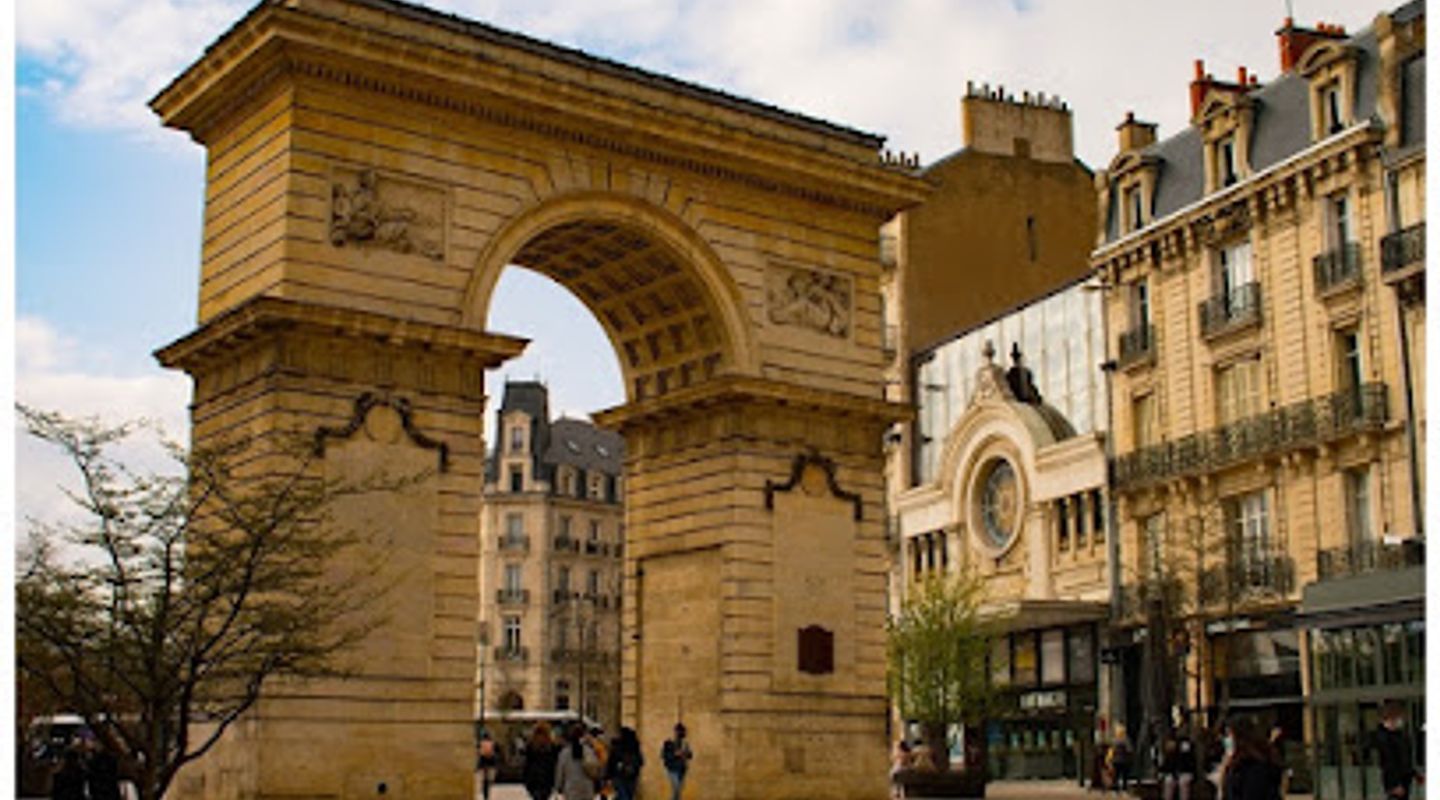
The Porte Guillaume, often called Dijon's triumphal arch, is an 18th-century monument built on the site of a former medieval gate. Honoring Guillaume de Volpiano, it showcases neoclassical architecture with intricate carvings and sculptures. Located in Place Darcy, it serves as a gateway to Dijon's historic center and a reminder of the city's rich past.
- Address
- 13 Pl. Darcy, 21000 Dijon
- Phone
- Website
Getting there
Walking
Public Transport
Discover more about William Gate
Overview
The Porte Guillaume, a prominent landmark in Dijon, stands as a testament to the city's rich history and architectural evolution. Constructed between 1786 and 1788 by architect Jean-Philippe Maret, it was originally named Porte Condé, honoring Prince Louis V Joseph de Bourbon-Condé, the governor of Burgundy. The gate is located in Place Darcy, marking the entrance to the historic city center.Built on the site of a 12th-century medieval gateway, the Porte Guillaume has undergone several transformations throughout its history. During the French Revolution in 1791, it was renamed Arc de la Liberté to reflect the ideals of freedom. By the 19th century, it was renamed Porte Guillaume, in honor of Guillaume de Volpiano, an abbot of Saint-Bénigne Abbey who contributed to the construction of the abbey.The gate features a large arched arcade flanked by jambs adorned with continuous table bosses. Above these jambs, a Doric-style entablature is embellished with triglyphs and metopes. Four bas-reliefs by sculptor Claude-François Attiret decorate both sides of the monument. On the Place Darcy side, one relief shows a Genius presenting the arms of the Prince of Condé to Burgundy, while another depicts a Genius offering a document to Minerva, the goddess of wisdom. On the opposite side, the reliefs illustrate the Muse of History recording the Prince's military deeds and an allegory of the City of Dijon.Over the centuries, the Porte Guillaume has remained a symbol of Dijon's cultural heritage, witnessing political changes and urban developments. Today, it serves as a welcoming gateway for visitors exploring Dijon's attractions, including the nearby Ducal Palace and charming streets.
Evendo Review Centre
 Google
Guest reviews
Explore William Gate on the map
A handpicked selection of must-see spots near William Gate, mapped for you.
Get your free copy of our complete guide to William Gate, delivered straight to you.
Everything on this page, from opening hours and how to get there to Eve’s tips and the best time to go, in one PDF you can read offline, print or share.
Already have an account? Sign in
Your William Gate guide is ready.
We'll send it to · Not you? Sign out

Getting your guide ready…
We are putting together a fresh copy of the William Gate guide. This can take up to a minute.
This can take a few moments. If your browser asks, choose Allow so the download can start. You'll find the guide in your Downloads folder.
Nothing happened? Download it again
Sorry, the guide is taking longer than usual. Please try again in a minute, or get it by email instead.
Unlock the best of William Gate
Skip-the-line tickets, guided tours with entry, and walking tours of the area, booked in a few clicks.


Other nearby places you may find interesting
The closest places of the same kind, if this one is not quite what you had in mind.
-
-

-
-
-


Swipe for more places
More to explore near William Gate

 Best experiences near William Gate
 Best hotels near William Gate
 Best landmarks near William Gate
 Best attractions near William Gate
 Best shops near William Gate
 Best restaurants near William Gate
 Best bars near William Gate
Do you manage this location?
Take control to get all the benefits, like improved information, better appearance, and stronger visibility across AI-powered discovery.
Explore more

Explore more of Dijon
Discover Dijon, a charming city in the heart of Burgundy, where history, culture, and gastronomy create an unforgettable experience for every visitor.
Explore Dijon
Explore more of France
Explore France: A land of romance, history, and unparalleled beauty, from the iconic streets of Paris to the serene landscapes of Provence and the luxury of the French Riviera.
Explore France