The Owl of Dijon: A Whimsical Wish Granter
Rub the Owl of Dijon for luck! A centuries-old tradition in the heart of Burgundy's capital.
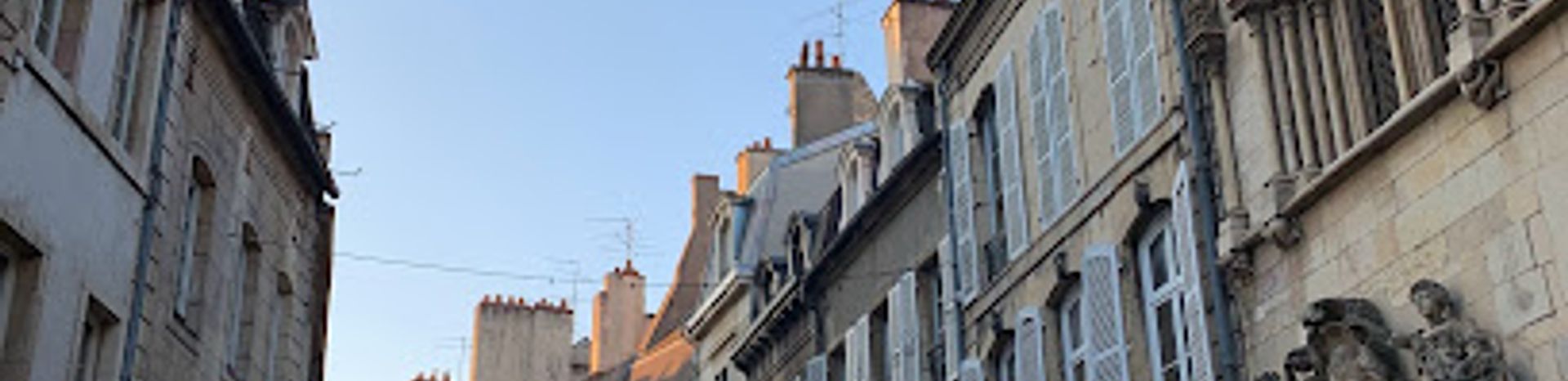
Carved into the corner of Notre-Dame de Dijon, the Owl of Dijon is a small stone carving that has become the city's beloved symbol. For centuries, visitors have touched it with their left hand while making a wish, hoping for good fortune.
A brief summary to The Owl of Dijon
- 11 Rue de la Chouette, Dijon, 21000, FR
- Visit website
Local tips
- Touch the owl with your left hand while making a wish to follow local tradition.
- Follow the Owl Trail marked by brass owl plaques on the sidewalks to discover Dijon's historic center.
- Visit the Owl at night for a quieter experience and a different perspective on the illuminated Notre-Dame church.

Getting There
-
Walking
The Owl of Dijon is located on Rue de la Chouette, just off Rue de la Préfecture in the heart of Dijon's historic center. From Place de la Libération, walk north along Rue de la Liberté, then turn left onto Rue de la Préfecture. Rue de la Chouette will be on your right, a narrow pedestrian street leading directly to the Owl. The Owl is located on the north side of the Notre-Dame church. This route is entirely pedestrian-friendly and free.
-
Public Transport
Dijon's public transport network, Divia, includes trams and buses that serve the city center. From the Dijon train station (Gare de Dijon), take the T1 tram to the Darcy stop. From there, walk through the Porte Guillaume monumental arch and along Rue de la Liberté, then turn onto Rue de la Préfecture. Rue de la Chouette will be on your right. A single ticket on the Divia network costs approximately €1.40. Alternatively, the free city center shuttle connects to the tram and Liane lines. The walk from Darcy to the Owl is approximately 10 minutes.
-
Taxi/Ride-Share
Taxis and ride-sharing services like Uber are readily available in Dijon. A taxi from the Dijon train station (Gare de Dijon) to the Notre-Dame area, where the Owl is located, will cost approximately €15-€20, depending on traffic. The journey typically takes 5-10 minutes. Be sure to specify 'Rue de la Chouette' as your destination for the closest drop-off point. Uber average price from Gare Dijon-Ville is €17.
-
Parking
If driving, parking is available in several underground car parks near Notre-Dame. Options include Parking Dauphine and Parking Darcy-Liberté. Hourly rates range from €0.50-€0.70 per 15 minutes , with daily maximums around €11. Street parking is available but limited and metered Monday to Saturday. Parking in the street is to pay from Monday to Saturday between 09:00 and 12:30, and from 14:00 to 19:00. The rates are: 0.80€ for 30 minutes, 1.80€ for 60 minutes, 4.10€ for 2 hours. Parking in the street is free on Sundays and public holidays.
Discover more about The Owl of Dijon
Iconic landmarks you can’t miss

Rue de la Chouette
0.0 km
Discover Dijon's lucky charm on Rue de la Chouette, where a touch of the owl brings good fortune and a glimpse into history.
Maison Millière - Restaurant Boutique Bar à vin et Salon de thé
0.0 km
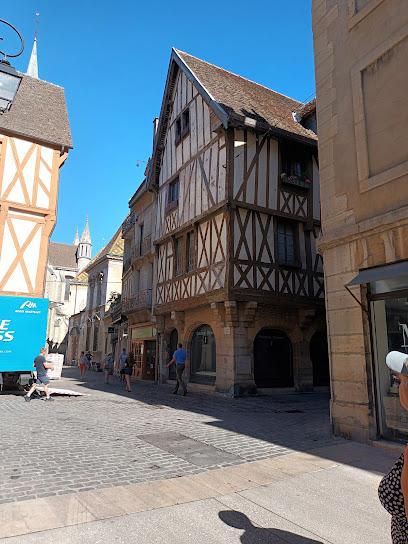
Step back in time at Dijon's Maison Millière, a beautifully preserved 15th-century building housing a restaurant, tea room, and local boutique.
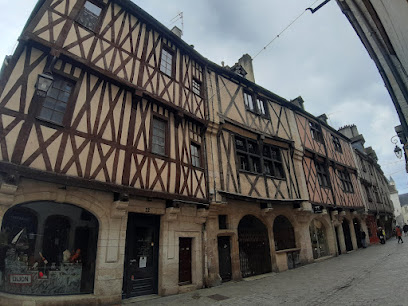
Rue Verrerie
0.1 km
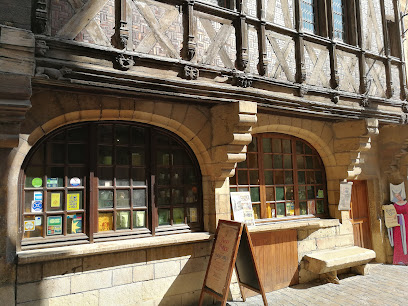
Step back in time on Rue Verrerie, a charming pedestrian street in Dijon's historic center, showcasing well-preserved medieval architecture.
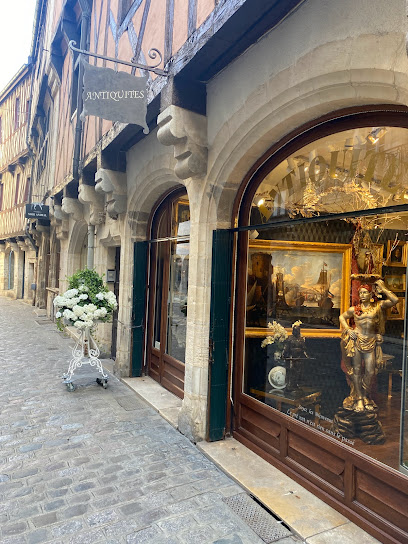
Antiquités PORRO
0.1 km
Discover unique 19th-century antiques and vintage treasures at Antiquités PORRO, nestled in Dijon's historic antique district on Rue Verrerie.
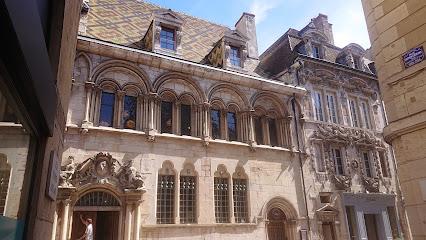
Rue des Forges
0.1 km
Explore Dijon's medieval heart on Rue des Forges, a charming street with stunning architecture, boutiques, and a vibrant atmosphere.
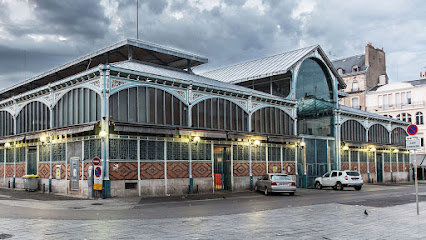
Dijon central indoor market hall
0.2 km
Experience the vibrant atmosphere & culinary delights of Dijon at Les Halles, a historic market brimming with regional specialties & local charm.
La Maison des Cariatides
0.2 km
Discover Dijon's architectural history at La Maison des Cariatides, a restaurant housed in a building adorned with unique sculptures.
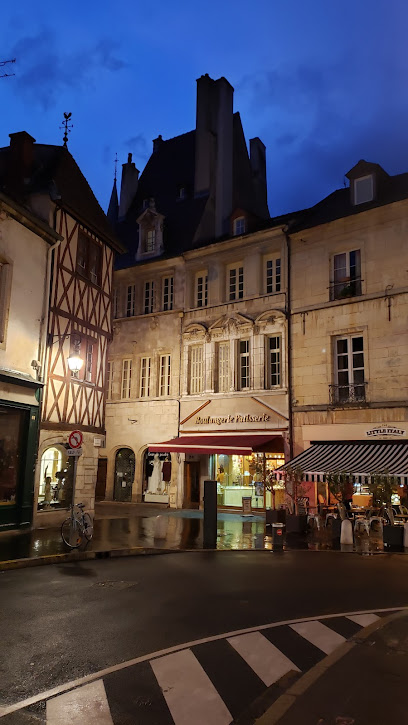
Fondation du patrimoine - Délégation Bourgogne-Franche-Comté à Dijon
0.2 km
Preserving local French heritage in the Bourgogne-Franche-Comté region through fundraising, partnerships, and community engagement.
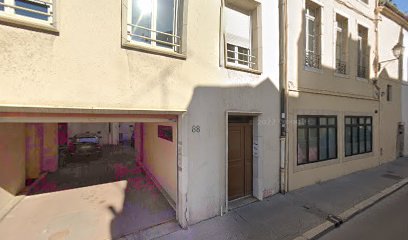
Place Francois Rude 2nd Carousel
0.2 km
Experience the charm of Dijon at Place François Rude, a historic square with a delightful carousel and vibrant atmosphere.
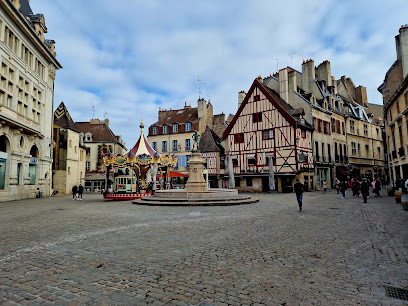
La Fontaine Place François Rude
0.2 km
Experience the charm of Dijon at Place François Rude, a historic square with a lively atmosphere and iconic fountain.
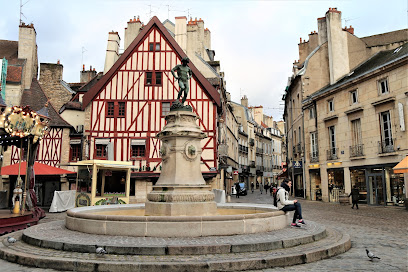
Pl. François Rude
0.2 km
Discover the charm of Place François Rude in Dijon, a vibrant square filled with rich history, stunning architecture, and local culinary delights.
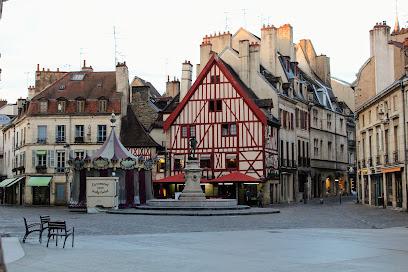
Pl. du Bareuzai
0.2 km
Experience the charm of Dijon at Place François Rude, a historic square with a lively atmosphere, iconic fountain, and delightful cafes.
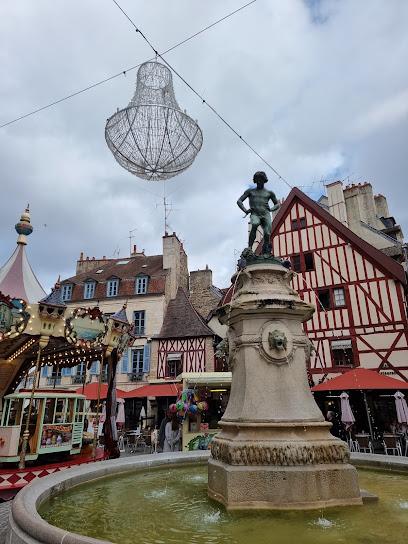
Loiseau des Ducs
0.2 km
Experience Michelin-starred dining in a historic Dijon setting, where Burgundian tradition meets modern culinary artistry.
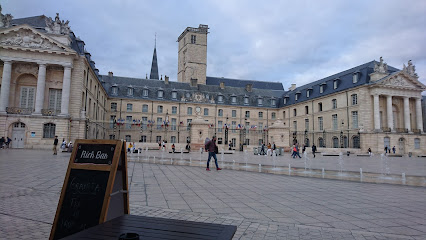
Saint Nicolas Tower of Dijon
0.3 km
Explore the Tour Saint-Nicolas in Dijon, a captivating medieval landmark with a rich history and stunning architecture, a sentinel of time.
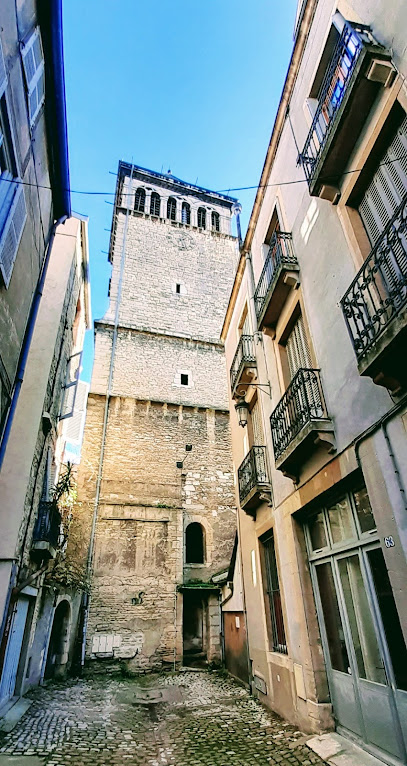
Tour Saint-Nicolas
0.3 km
Discover the Tour Saint-Nicolas in Dijon, a striking medieval tower and a lasting symbol of the city's historical and cultural heritage.
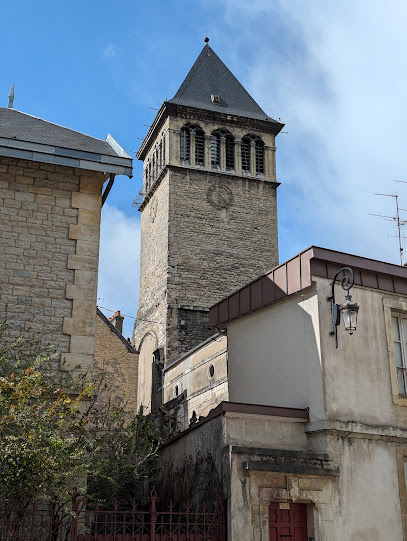
Unmissable attractions to see

Church of Our Lady
0.0 km
Discover the stunning Gothic architecture and serene atmosphere of the Church of Our Lady in Dijon, a must-visit landmark for every traveler.
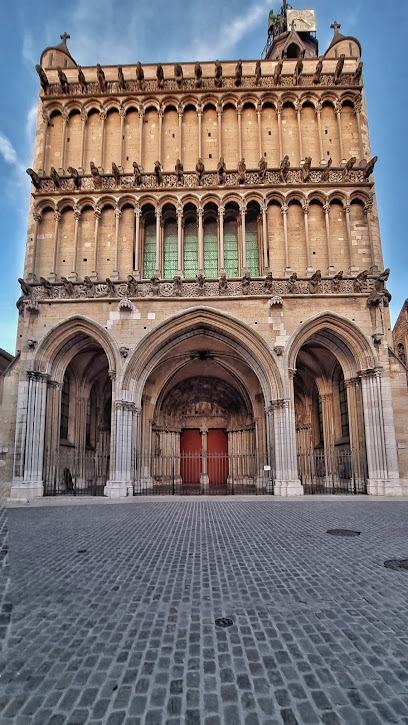
Église Notre-Dame
0.0 km
Discover the breathtaking architecture and rich history of Église Notre-Dame in the heart of Dijon, a must-visit for every traveler.
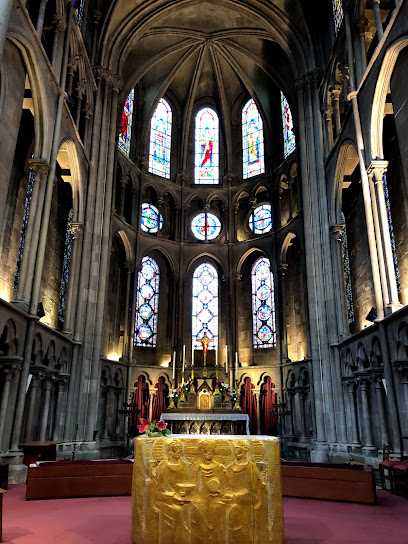
Vogüé Hotel
0.0 km
Discover the historic charm of Vogüé Hotel in Dijon, a perfect blend of heritage and modern comfort in the heart of Burgundy.
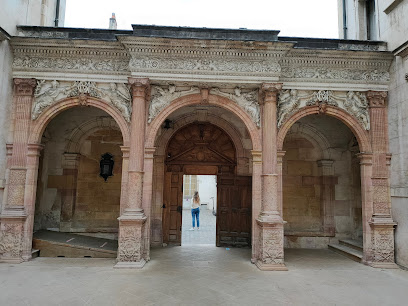
Place notre Dame
0.1 km
Discover the charm of Place Notre Dame in Dijon, a stunning square showcasing historical architecture and vibrant local culture.
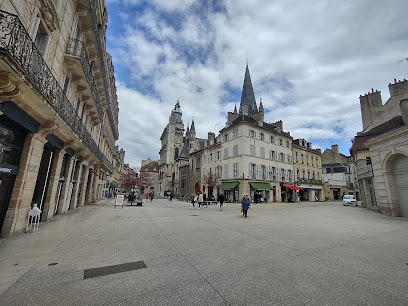
Дижон
0.1 km
Explore Dijon, the charming capital of Burgundy, rich in history, culture, and exquisite culinary experiences, perfect for every discerning traveler.
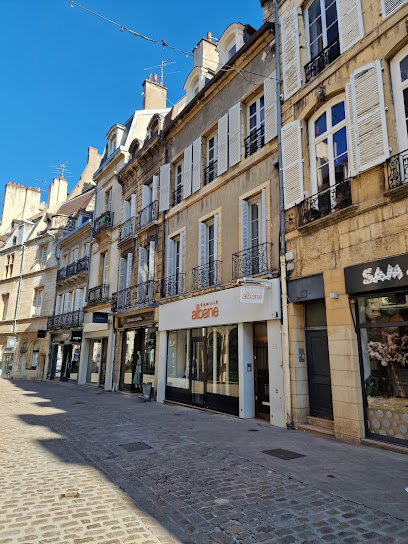
Tour Philippe le Bon
0.1 km
Experience the breathtaking views and rich history from the iconic Tour Philippe le Bon in the heart of Dijon, a must-visit for every traveler.
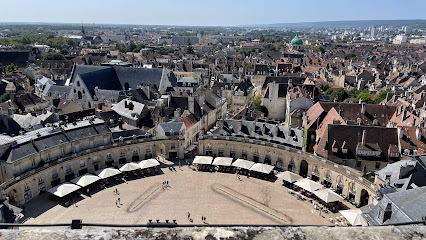
Chapelle des Élus
0.1 km
Explore the Chapelle des Élus in Dijon, a stunning fusion of art and history that invites reflection and appreciation.
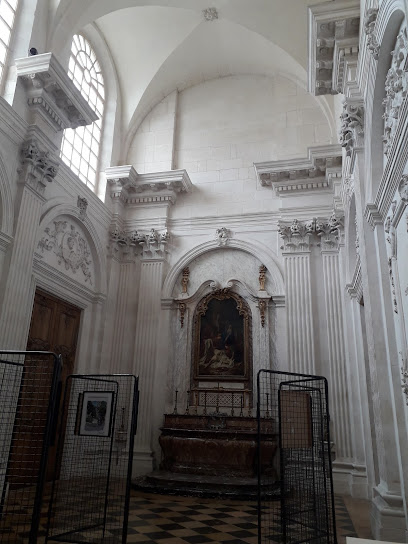
Dukes Square
0.1 km
Explore the beauty of Dukes Square, a serene park in Dijon, where nature meets history in a picturesque setting.
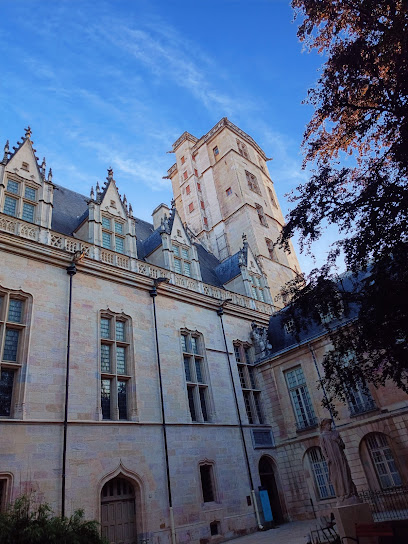
Office Du Tourisme
0.1 km
Explore Dijon’s rich culture and history at the Office Du Tourisme – your gateway to unforgettable experiences in the heart of Burgundy.
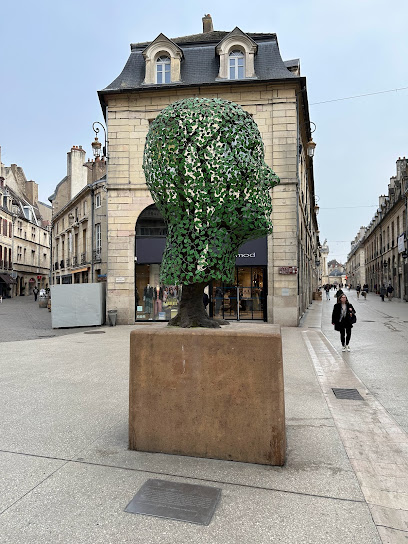
Tourist Information Center
0.1 km
Discover Dijon with ease at the Tourist Information Center, your go-to resource for navigating the city's rich history and vibrant culture.
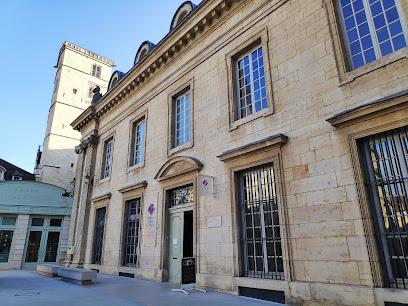
Palais des Ducs et des États de Bourgogne
0.1 km
Explore the grandeur of Palais des Ducs et des États de Bourgogne, a historical landmark in Dijon that embodies the rich culture and heritage of Burgundy.
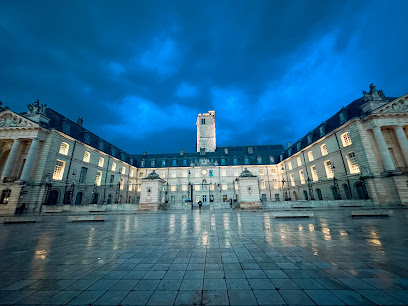
Maison Maillard dit Milsand
0.1 km
Explore the historical beauty of Maison Maillard dit Milsand in Dijon, a captivating tourist attraction showcasing exquisite architecture and rich cultural heritage.
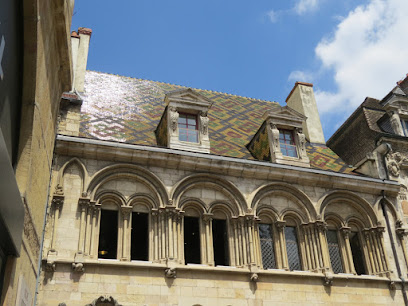
Hôtel Aubriot
0.1 km
Experience the rich history and charm of Hôtel Aubriot in the heart of Dijon, a captivating landmark offering a glimpse into France's vibrant past.
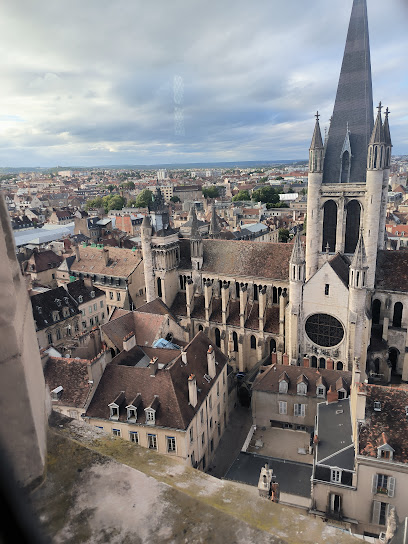
Les Halles Market
0.1 km
Discover the vibrant flavors of Burgundy at Les Halles Market, a culinary gem in the heart of Dijon, where local produce and rich traditions await.
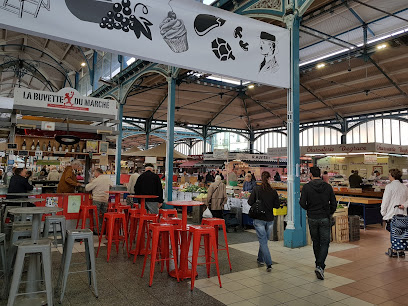
Museum of Fine Arts Dijon
0.2 km
Discover the exquisite art collection at the Museum of Fine Arts Dijon, where history and culture blend in a stunning architectural setting.

Essential places to dine

Dr. Wine
0.1 km
Experience the essence of Burgundy at Dr. Wine – where exquisite cuisine meets exceptional local wines in a charming setting.
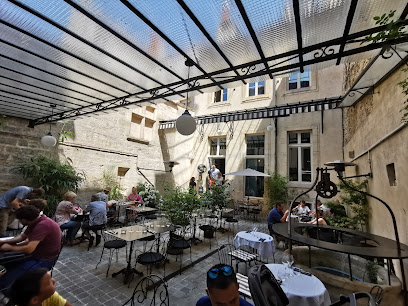
L'un des sens
0.1 km
Experience authentic French cuisine at L'un des sens in Dijon – where local flavors meet exquisite culinary artistry.
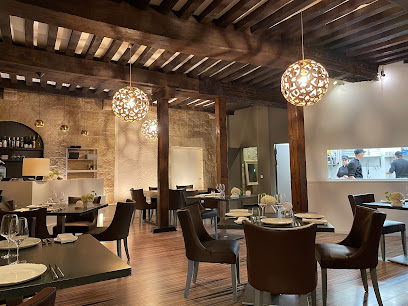
Les Fils à Maman Dijon
0.1 km
Experience authentic French cuisine with a modern twist at Les Fils à Maman Dijon—perfect for brunch or dinner in a vibrant setting.
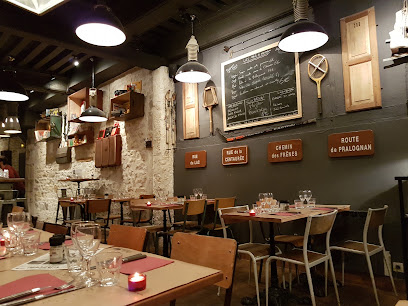
DZ’envies
0.2 km
Experience authentic French cuisine at DZ’envies in Dijon—where tradition meets taste in a charming atmosphere.
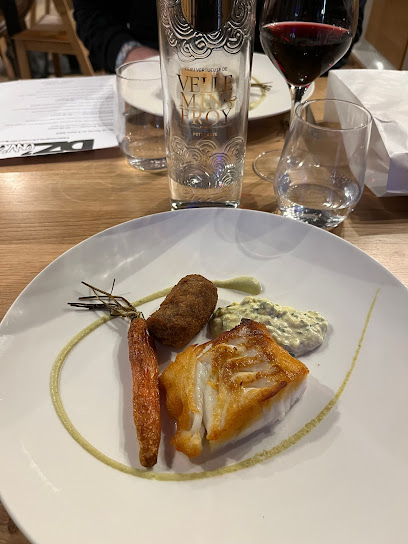
CaféGourmand
0.2 km
Discover CaféGourmand in Dijon - where exquisite French cuisine meets fine wines in an inviting atmosphere.
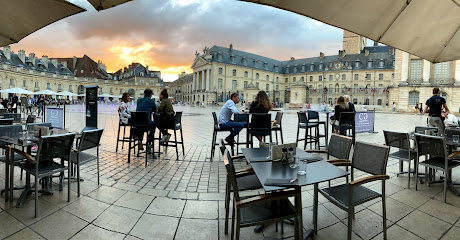
Le Pré aux Clercs
0.2 km
Discover Le Pré aux Clercs in Dijon: A delightful French brasserie offering authentic cuisine and a warm atmosphere in the heart of Burgundy.
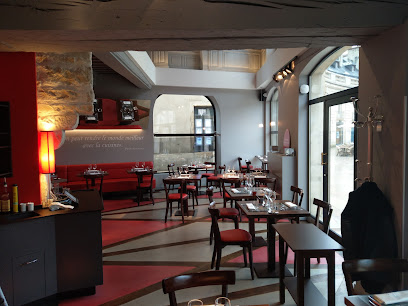
L'BOUT D' LA RUE
0.2 km
Discover authentic French cuisine at L'BOUT D' LA RUE in Dijon - where tradition meets innovation.
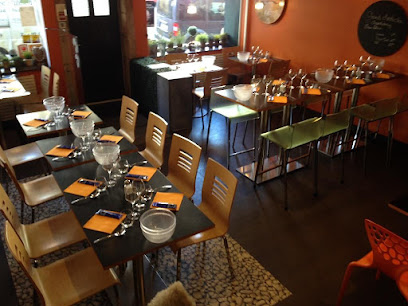
SPICA
0.2 km
Experience exquisite French cuisine at SPICA in Dijon – where every dish tells a story of local flavors and culinary passion.
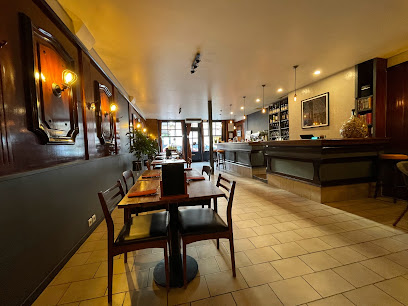
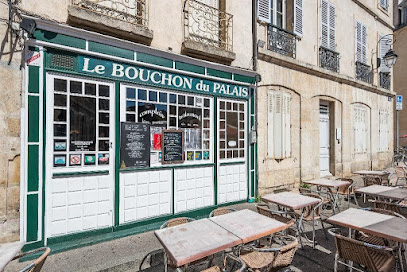
Le Bouchon Du Palais
0.2 km
Savor authentic French cuisine at Le Bouchon Du Palais in Dijon - where culinary tradition meets cozy elegance.
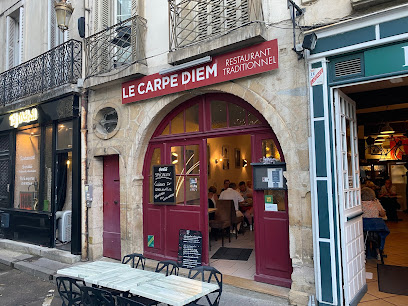
Restaurant Le Carpe Diem
0.3 km
Experience exquisite French cuisine at Restaurant Le Carpe Diem in Dijon, where tradition meets innovation in every delicious dish.
Villa Vauban
0.3 km
Discover Villa Vauban in Dijon: where traditional French cuisine meets modern elegance for an unforgettable dining experience.
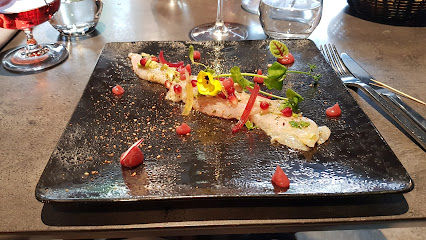
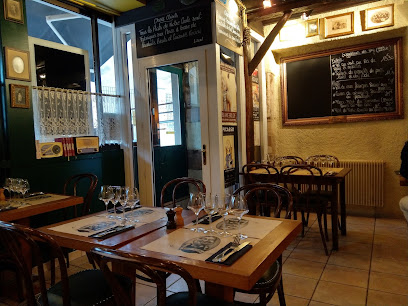
Restaurant Chez Léon
0.3 km
Experience authentic French cuisine at Restaurant Chez Léon in Dijon, where tradition meets flavor in every delightful dish.
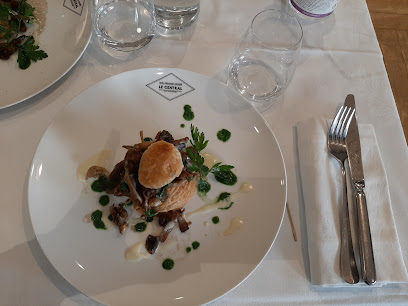
LE CENTRAL PLACE
0.3 km
Experience authentic French cuisine at Le Central Place in Dijon—where culinary tradition meets modern elegance.
CIBO restaurant gastronomique à Dijon
0.3 km
Experience haute French cuisine at CIBO in Dijon - where culinary artistry meets local flavors for an unforgettable dining experience.
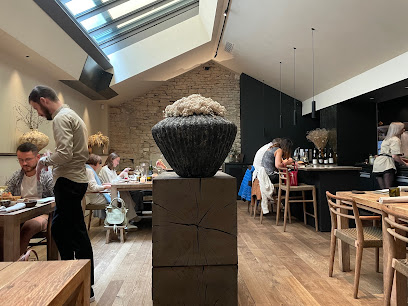
L'Aspérule DIJON
0.3 km
Discover the essence of fine dining at L'Aspérule in Dijon - where exquisite French cuisine meets elegant ambiance.
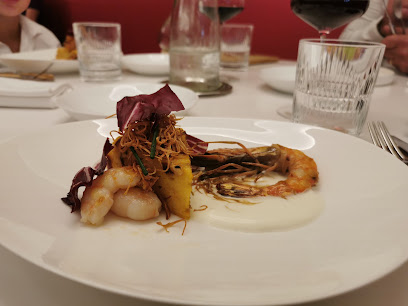
Markets, malls and hidden boutiques

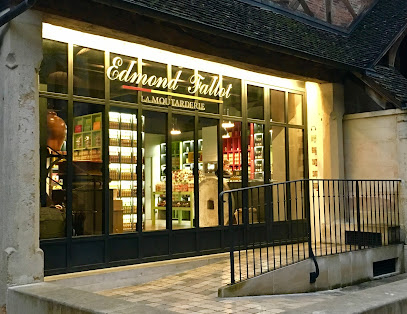
La Moutarderie Fallot - Boutique Atelier Dijon
0.0 km
Discover the art of mustard-making and savor the flavors of Dijon at La Moutarderie Fallot, a gourmet shop steeped in tradition.
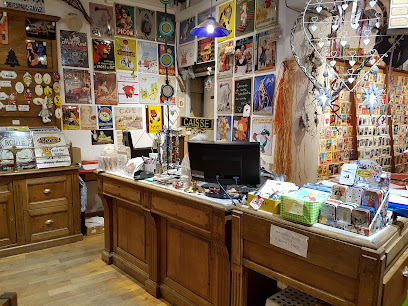
Mémoire d'un Mur
0.1 km
Discover unique gifts and local treasures at Mémoire d'un Mur, a charming shop in the heart of Dijon, perfect for every tourist's souvenir needs.
La Burgonde
0.1 km
Explore the charm of Dijon at La Burgonde, your destination for unique gifts and local treasures that reflect Burgundy's rich culture.
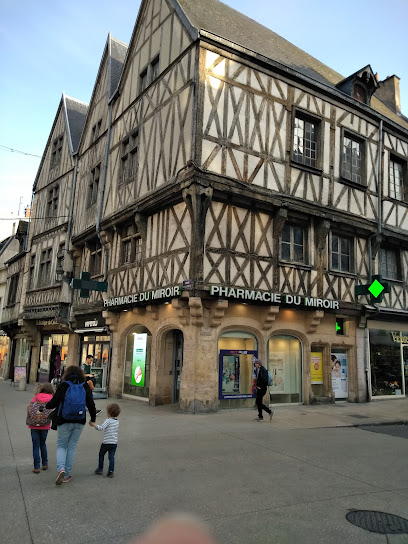
centre commercial
0.1 km
Explore a treasure trove of unique souvenirs and local artisan products in the heart of Dijon, capturing the essence of Burgundy's rich culture.
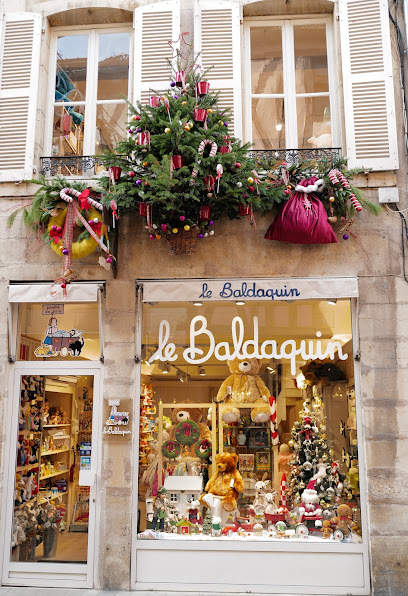
Le Baldaquin
0.1 km
Explore Le Baldaquin in Dijon, a whimsical toy store offering a unique selection of toys that spark joy and imagination for all ages.
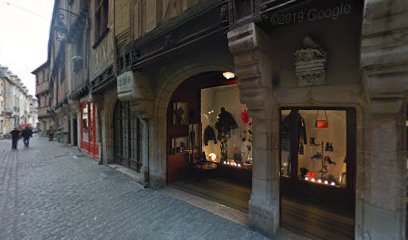
L'atelier Du Fennec
0.1 km
Discover the unique artisanal treasures of Burgundy at L'atelier Du Fennec, a charming store in the heart of Dijon offering a taste of local craftsmanship.
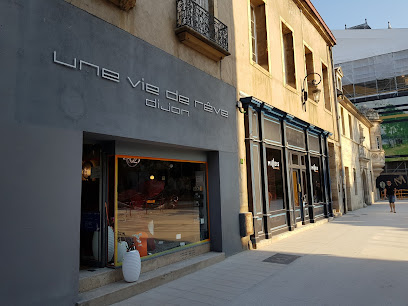
A dream life
0.1 km
Explore 'A Dream Life' in Dijon for unique gifts, local artistry, and exquisite home decor that captures the essence of French creativity.
Counter Japan
0.1 km
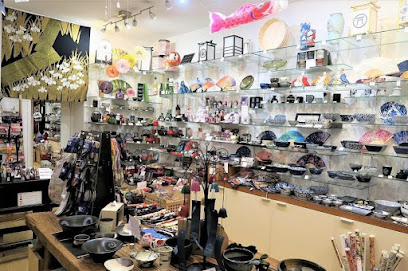
Explore authentic Japanese culture at Counter Japan in Dijon, offering unique gifts and traditional crafts that celebrate Japan's rich heritage.
ANTIQUITÉS MAISON GOSSOT
0.1 km
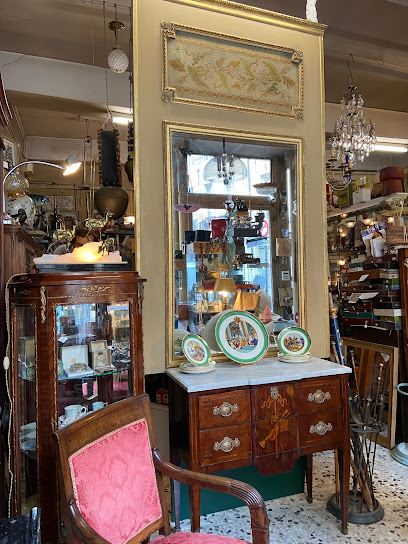
Discover the charm of antiquity at Antiquités Maison Gossot, a premier destination for antique furniture and historical artifacts in Dijon.
La Boutique des Escargots et de la Truffe
0.2 km
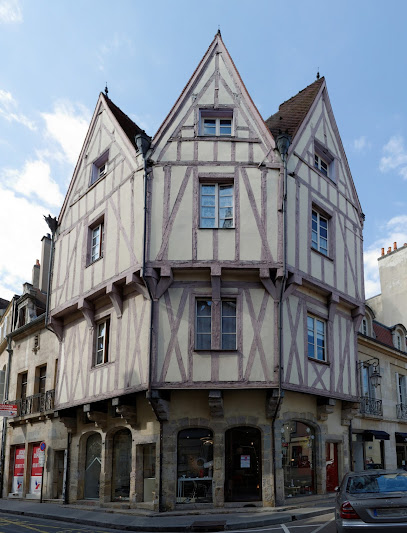
Explore the exquisite flavors of Burgundy at La Boutique des Escargots et de la Truffe, featuring gourmet truffles and traditional escargots.
Plaisirs de France
0.2 km
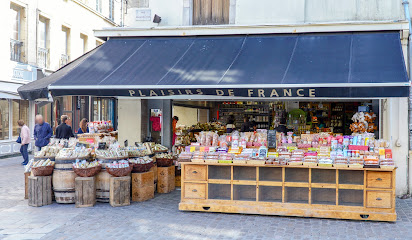
Discover the best of French gourmet products at Plaisirs de France, a culinary treasure in the heart of Dijon, known for its exquisite local delicacies and fine wines.
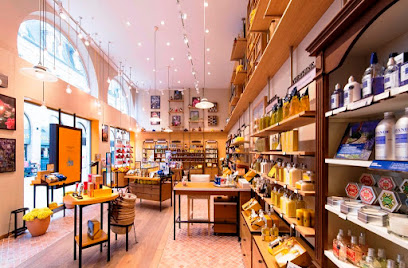
L'OCCITANE EN PROVENCE
0.2 km
Discover the essence of Provence at L'OCCITANE EN PROVENCE in Dijon, where beauty and nature blend seamlessly in luxurious skincare and fragrances.
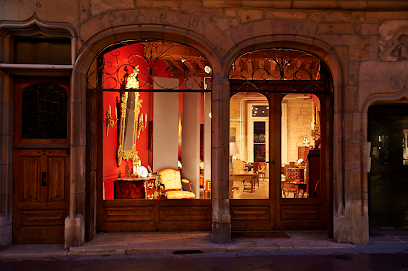
Damidot Patrick
0.2 km
Explore the enchanting world of antiques at Galerie Damidot in Dijon, where history and artistry come together to create timeless treasures.
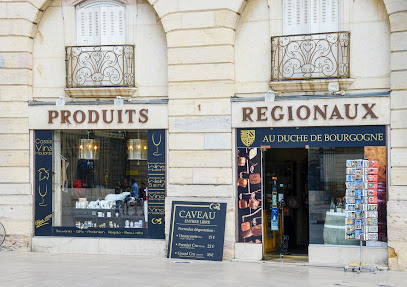
Au Duché de Bourgogne
0.2 km
Experience the finest Burgundy wines at Au Duché de Bourgogne in Dijon, where tradition meets passion in every bottle.
Fouchet Didier
0.2 km
Explore the enchanting antique store, Fouchet Didier, in Dijon, where timeless treasures await discovery.
Essential bars & hidden hideouts

Le Terrier
0.1 km
Discover Le Terrier, a vibrant bar in Dijon offering a delightful selection of drinks and a lively atmosphere for tourists and locals alike.
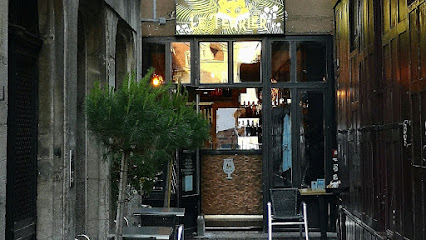
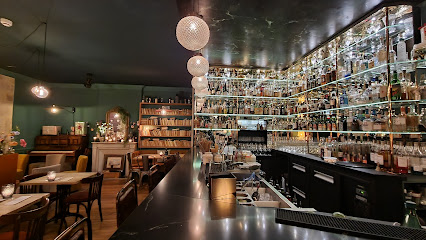
Monsieur Moutarde
0.1 km
Experience the vibrant nightlife of Dijon at Monsieur Moutarde, where exquisite cocktails and a chic atmosphere await.
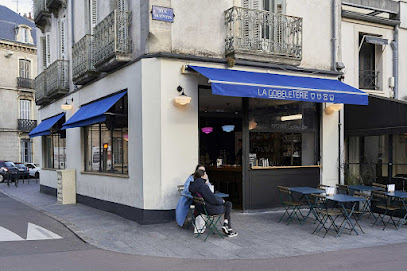
La Gobeleterie
0.2 km
Experience the vibrant nightlife of Dijon at La Gobeleterie, where expertly crafted cocktails meet a lively atmosphere.
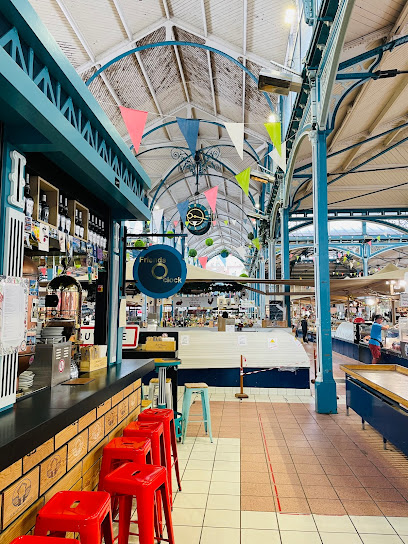
La Buvette des Halles
0.2 km
Experience the heart of Dijon at La Buvette des Halles, where local flavors and a vibrant atmosphere come together in a charming bar setting.
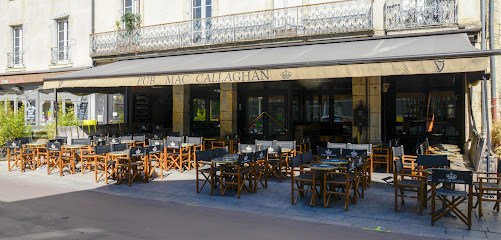
Pub Mac Callaghan
0.2 km
Discover the vibrant atmosphere and delicious offerings at Pub Mac Callaghan, a must-visit pub and cafe in the heart of Dijon, France.
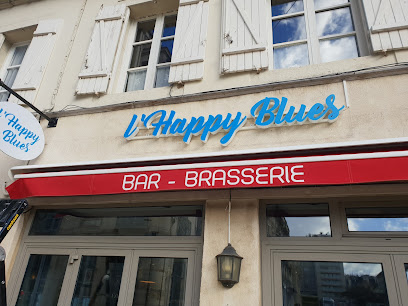
L'Happy Blues, café brasserie
0.2 km
Discover the charm of Dijon at L'Happy Blues, a cozy café brasserie offering delightful dishes and a welcoming atmosphere for every traveler.
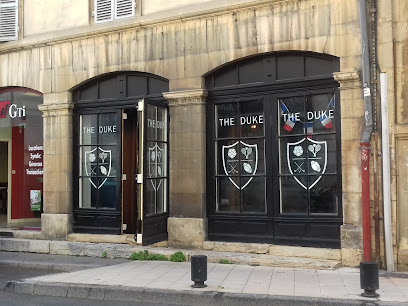
The Duke
0.2 km
Discover The Duke, a vibrant bar in Dijon offering exquisite drinks and a lively atmosphere perfect for unwinding after a day's exploration.
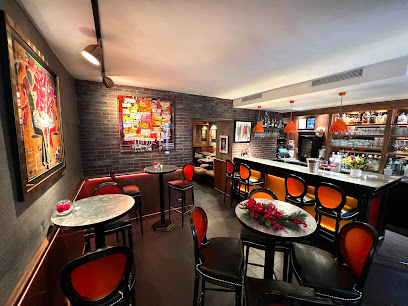
Caveau de la Chouette
0.2 km
Discover the exquisite flavors of Burgundy at Caveau de la Chouette, a premier wine bar and restaurant in the heart of Dijon.
La Comédie
0.3 km
Experience the vibrant flavors of Dijon at La Comédie, a charming bar and brasserie offering authentic French cuisine and a lively atmosphere.
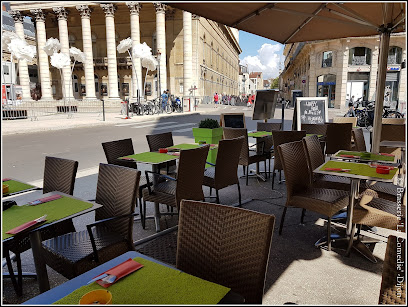
BamJam
0.3 km
Experience the vibrant ambiance of BamJam, Dijon’s top live music bar, where great drinks and unforgettable performances await every night.
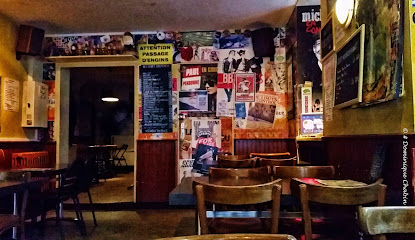
Trinidad
0.3 km
Experience the vibrant nightlife of Dijon at Trinidad, a lively bar offering a diverse drink menu and a welcoming atmosphere for all.
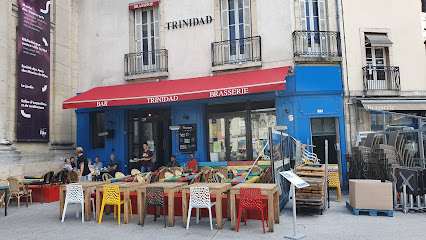
La Cave Se Rebiffe
0.3 km
Experience the charm of La Cave Se Rebiffe, a delightful wine bar in Dijon known for its extensive selection and cozy atmosphere.
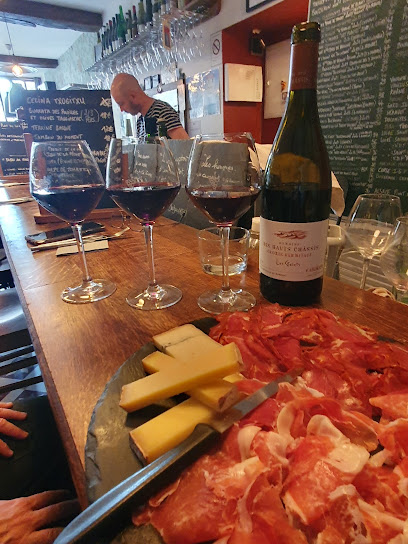
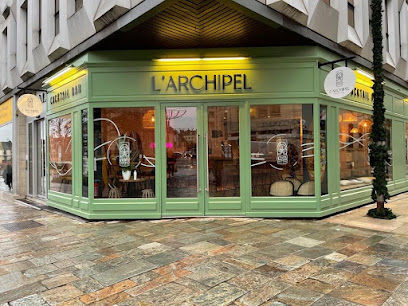
L'Archipel Cocktail Bar
0.4 km
Experience the art of mixology at L'Archipel Cocktail Bar in Dijon, where every cocktail tells a story and every visit feels like a celebration.
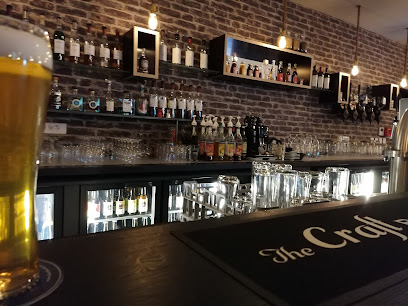
The CRAFT BEER PUB
0.4 km
Discover the vibrant craft beer scene at The CRAFT BEER PUB in Dijon, where local flavors and a lively atmosphere await every visitor.
Barberousse Dijon
0.4 km
Discover the vibrant cocktail culture at Barberousse Dijon, where creativity meets a lively ambience for an unforgettable night out.