
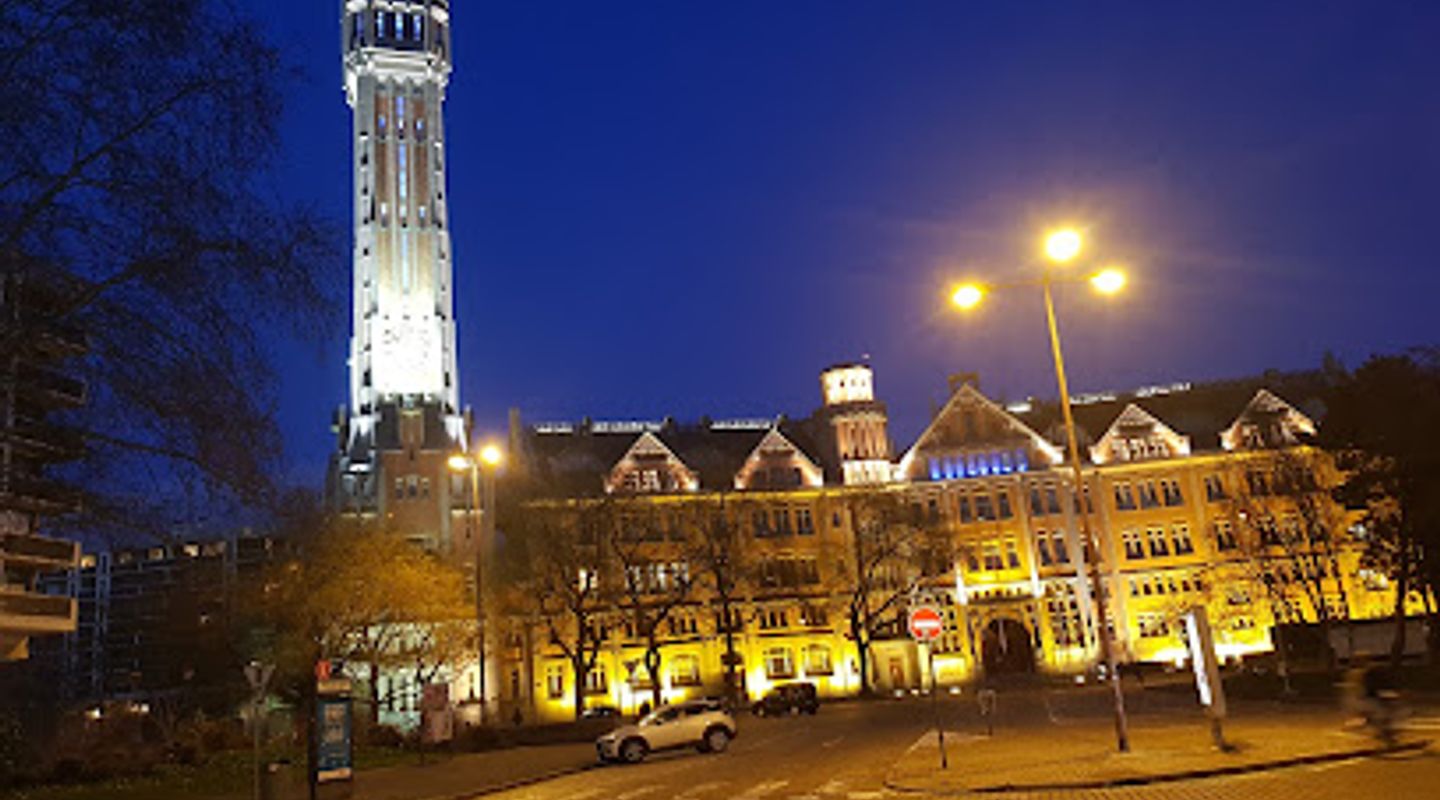
Natural History Museum, Lille Travel Guide
Explore the natural world and human history at Lille's Natural History Museum, one of France's oldest and most diverse museums.
The Natural History Museum of Lille, established in 1822, is one of France's oldest natural history museums. It houses extensive zoological, geological, ethnographic, and industrial collections, offering visitors a glimpse into the world's biodiversity and the region's industrial past.
A brief summary to Natural History Museum
- 23 Rue Gosselet, Lille, 59000, FR
- Click to display
- Click to display

Know before you go
Hi, I'm Eve. Here are a few practical things to know before exploring Natural History Museum.
- Visit on weekdays to avoid large crowds, especially during school holidays.
- Check the museum's website for special events, exhibitions, and workshops.
- Photography is allowed, but be mindful of museum policies.
Do you manage this location?
Take control to get all the benefits, like improved information, better appearance, and stronger visibility across AI-powered discovery. Learn more about listing your business on Evendo
Activate your presenceOther nearby places you may find interesting
The closest places of the same kind, if this one is not quite what you had in mind.
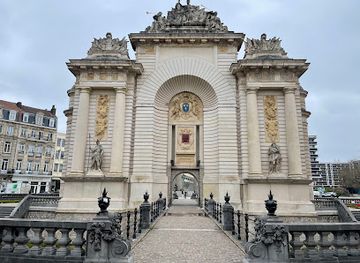
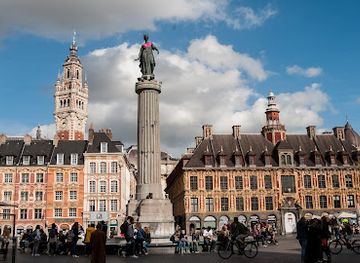
Explore Natural History Museum on the Map
A handpicked selection of must-see spots near Natural History Museum, mapped for you.
Getting There
-
Public Transport
The Natural History Museum is easily accessible via public transport. The closest metro station is République Beaux-Arts on Line 1, about a 10-minute walk away. Several bus routes, including 10, 34, and 12, stop near the République Beaux-Arts station. A single ticket costs €1.80 and is valid for 1 hour on the whole network. A day pass costs €5.30.
-
Walking
From Lille Flandres Train Station, the museum is approximately a 20-minute walk. From the République Beaux-Arts metro station, it's a 10-minute walk. Follow Rue de Bruxelles to the museum.
-
Taxi/Ride-share
A taxi or ride-share from Lille Flandres Train Station to the museum typically costs between €8 and €12, depending on traffic.
Discover more about Natural History Museum













Your all‑in‑one travel companion app
Explore expert travel guides, compare and book tours, experiences, hotels, and more—all from the palm of your hand. Download now for seamless trip planning wherever your wanderlust takes you.


Explore More of Lille
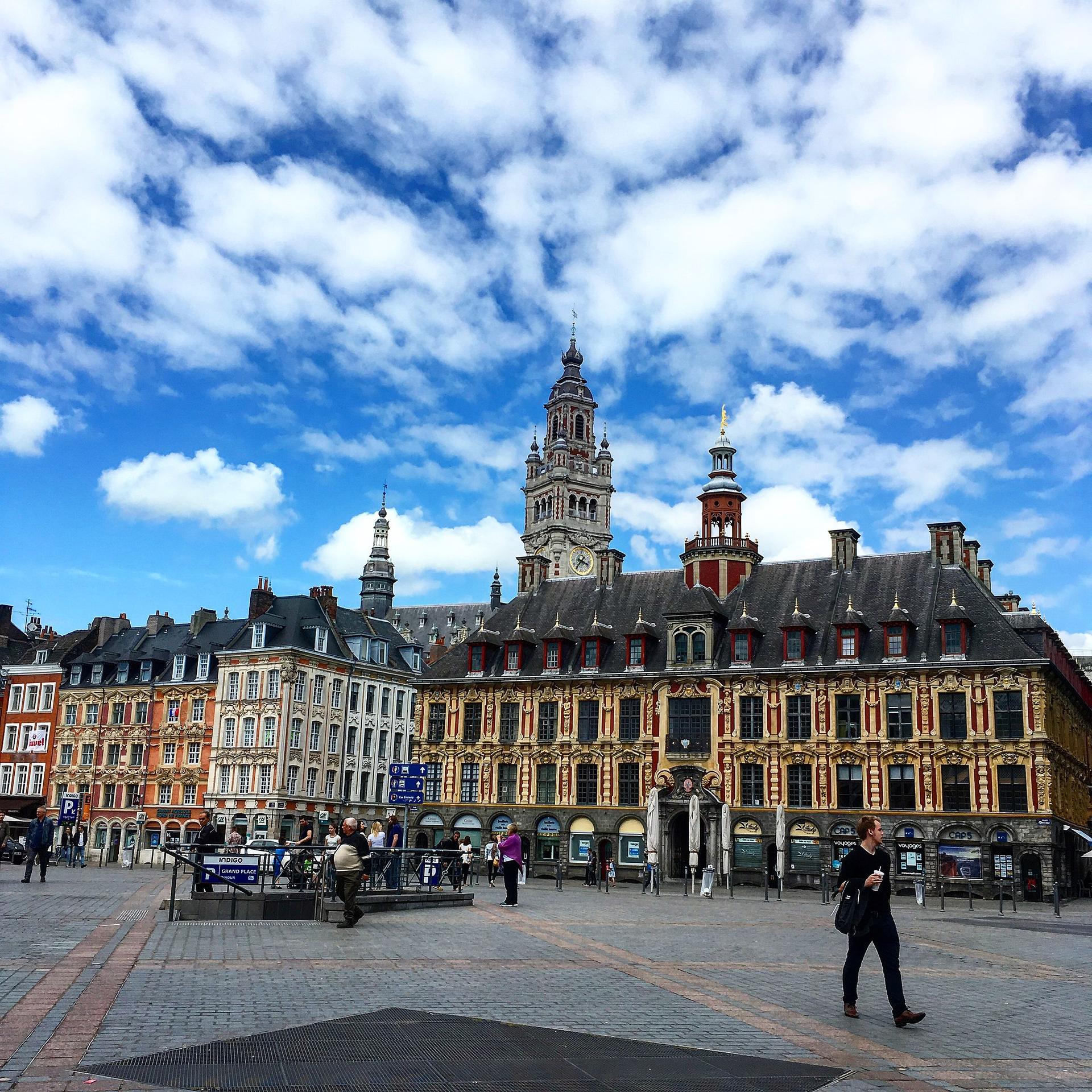
Looking beyond Natural History Museum? Discover Lille for broader travel guides, local hot-spots, and regional highlights.
Explore Lille
Discover the architectural elegance and historical charm of Les Cariatides, a centrally located homestay in Lille's vibrant city center.
Experience the rich history and vibrant culture of Lille, a charming city in Northern France known for its stunning architecture and delightful gastronomy.
