Lorraine Regional Natural Park
Discover Lorraine Regional Natural Park: Explore diverse landscapes, historical sites, and charming villages in a protected haven of natural beauty and cultural heritage.
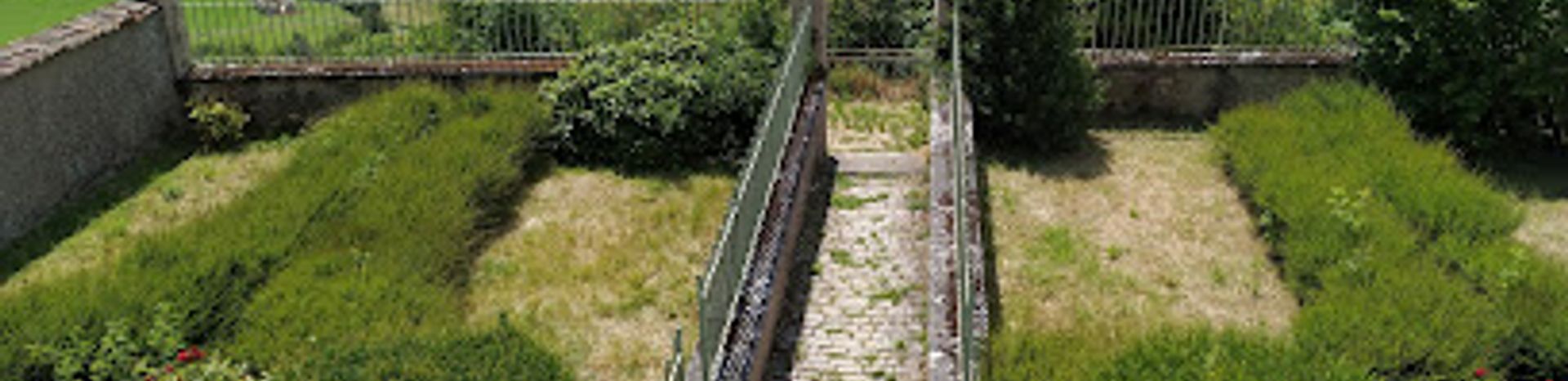
Escape to the Lorraine Regional Natural Park, a sprawling sanctuary of natural beauty and cultural heritage. Encompassing diverse landscapes from lush forests and serene lakes to traditional villages, the park offers a haven for outdoor enthusiasts and those seeking tranquility. Explore well-marked trails perfect for hiking and cycling, observe diverse wildlife, or immerse yourself in local traditions. The park is divided into two distinct areas, each offering unique experiences. The western part features rolling hills and river valleys, while the eastern part is characterized by numerous ponds and wetlands, making it a haven for birdwatchers. Whether you're interested in history, nature, or local culture, the Lorraine Regional Natural Park provides an unforgettable experience.
A brief summary to Parc naturel régional de Lorraine
- 1 Rue du Quai, Pont-à-Mousson, 54700, FR
- +33383816767
- Visit website
- Monday 8 am-12 pm
- Tuesday 8 am-12 pm
- Wednesday 8 am-12 pm
- Thursday 8 am-12 pm
- Friday 8 am-12 pm
Local tips
- Visit the Étang de Lindre in the eastern part of the park for exceptional birdwatching opportunities, especially during migration seasons.
- Explore the Côtes de Meuse for scenic hiking trails and panoramic views of the surrounding countryside.
- Visit the Maison du Parc in Pont-à-Mousson to gather information about trails, activities, and local events.

Getting There
-
Public Transport
From Pont-à-Mousson, the park's headquarters is easily accessible by local bus. Several bus lines connect the train station and the city center with various points within the park. Check local bus schedules for the most up-to-date information. A single bus fare costs approximately €2.
-
Taxi/Ride-Share
Taxis and ride-sharing services are available in Pont-à-Mousson. A short taxi ride from the train station to the Maison du Parc or other locations within the town costs approximately €10-€15. Ride-sharing services may offer slightly lower fares, depending on availability.
-
Walking
The Maison du Parc is located within walking distance of the Pont-à-Mousson city center. From the train station, follow the signs towards the Abbaye des Prémontrés. The Maison du Parc is located in the abbey complex, approximately a 15-20 minute walk. The route is mostly flat and well-paved.
Discover more about Parc naturel régional de Lorraine
Iconic landmarks you can’t miss

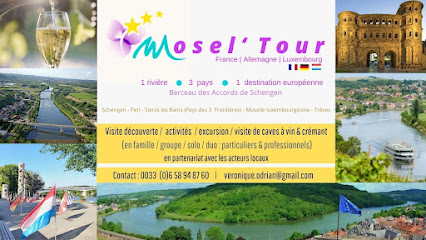
Mosel'Tour France/Allemagne/Luxembourg
20.5 km
Explore the beautiful Mosel region with Mosel'Tour, your gateway to scenic adventures across France, Germany, and Luxembourg.
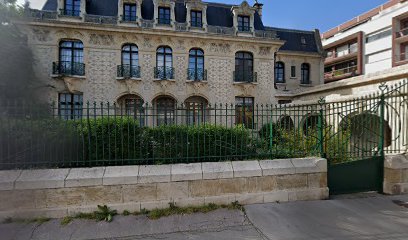
Maison Luc
23.0 km
Discover the enchanting Maison Luc in Nancy, a historical landmark showcasing exquisite architecture and rich cultural heritage.
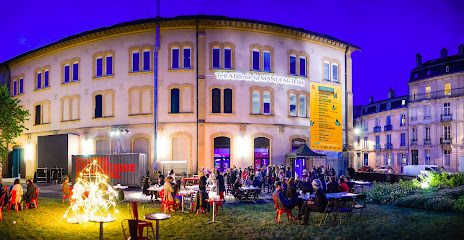
Théâtre de la Manufacture
23.2 km
Discover the vibrant cultural life of Nancy at Théâtre de la Manufacture, a premier destination for performing arts enthusiasts.
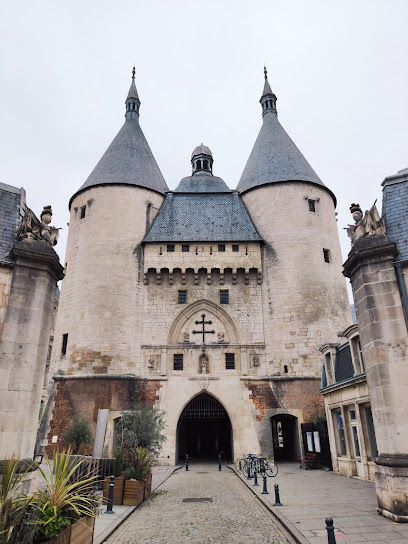
Porte de la Craffe
23.2 km
Explore the grandeur of Porte de la Craffe, a historical landmark in Nancy, France, showcasing medieval architecture and rich cultural heritage.
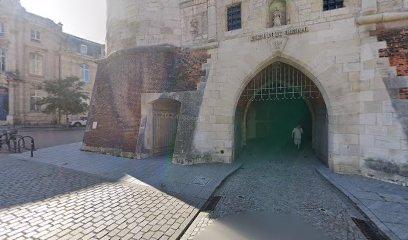
Porte de la Craffe & Grande Rue
23.2 km
Experience the historic ambiance of Porte de la Craffe & Grande Rue in Nancy, where medieval charm meets a vibrant modern culture.
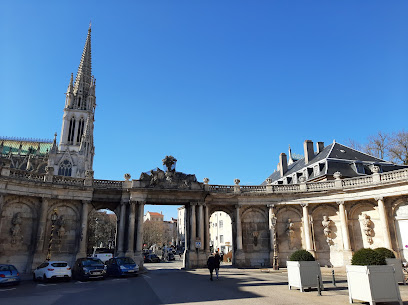
Nancy Jazz Pulsations
23.2 km
Experience the vibrant rhythms of Nancy Jazz Pulsations, an annual festival celebrating the rich tapestry of jazz in the beautiful city of Nancy, France.
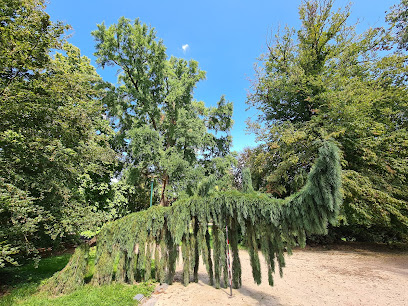
Spektakulärer Baum
23.4 km
Explore the Spektakulärer Baum in Nancy, a stunning historical landmark that captivates with its grandeur and rich heritage.
Le sens de la visite — Visites guidées sur Nancy
23.5 km
Explore Nancy's rich history and breathtaking architecture with expert-guided tours from Le Sens de la Visite, your gateway to the city's hidden gems.
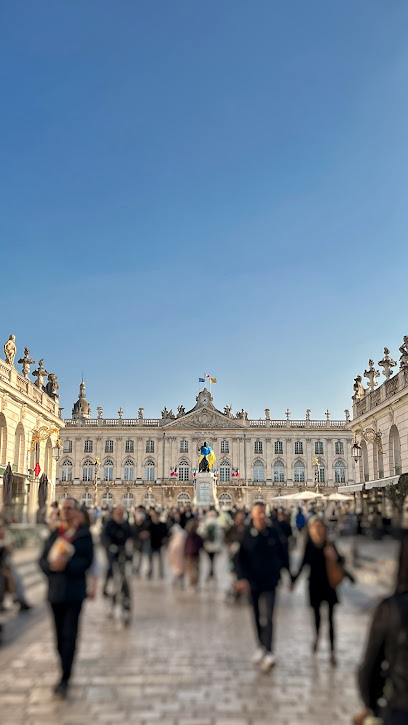
Place Saint-Epvre
23.5 km
Discover the charm of Place Saint-Epvre, a historic town square in Nancy, France, blending stunning architecture with lively local culture.
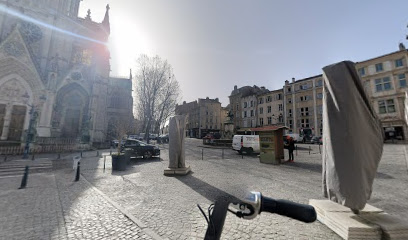
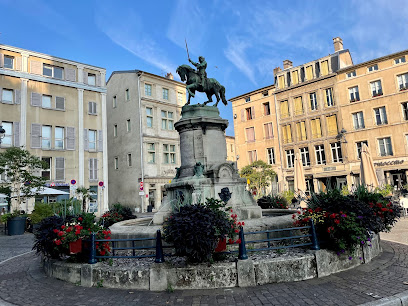
Monument à René II de Lorraine.
23.5 km
Explore the historical significance of the Monument à René II de Lorraine in Nancy, a captivating cultural landmark that reflects the region's rich heritage.
Espace animalier
23.5 km
Discover the beauty of wildlife at Espace Animalier, a serene animal park in Nancy that offers an unforgettable experience for families and nature lovers.
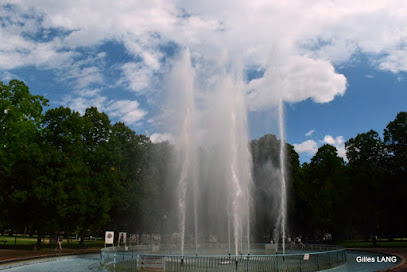
Hôtel du Marquis de Ville
23.6 km
Experience the charm and elegance of Hôtel du Marquis de Ville, a historical landmark in Nancy, France, steeped in rich heritage and architectural beauty.
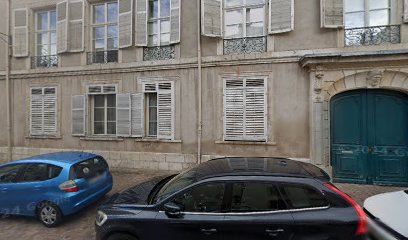
Saint Léon
23.8 km
Experience the vibrant culture and rich history of Nancy, France, starting from the convenient Saint Léon bus stop, your gateway to exploration.
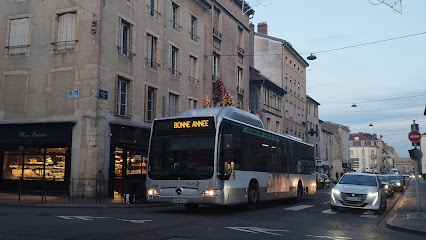
Stanislas Gate of Nancy
23.8 km
Discover the Stanislas Gate of Nancy, a stunning historical landmark showcasing 18th-century French architecture and rich cultural heritage.
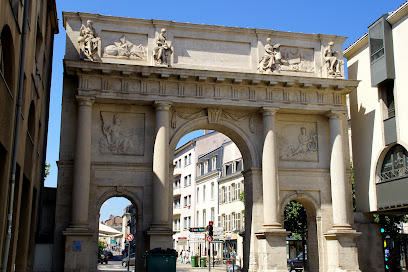
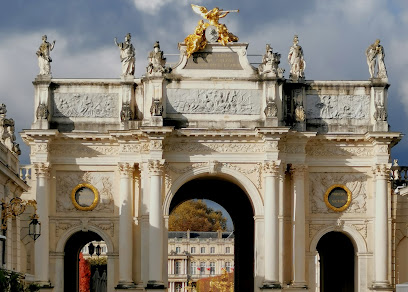
Arc Héré
23.8 km
Explore the Arc Héré in Nancy: A historical landmark showcasing stunning neoclassical architecture and rich cultural heritage.
Unmissable attractions to see

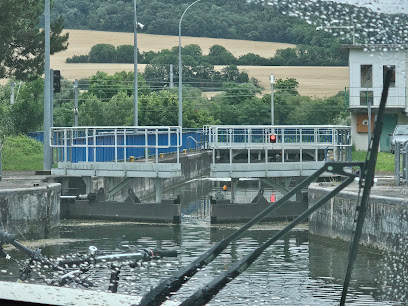
Ecluse de Blenod-les-Pont-a-Mousson
6.2 km
Experience the serene charm of Ecluse de Blenod-les-Pont-a-Mousson, a historical lock along the picturesque Moselle River, perfect for leisurely explorations.
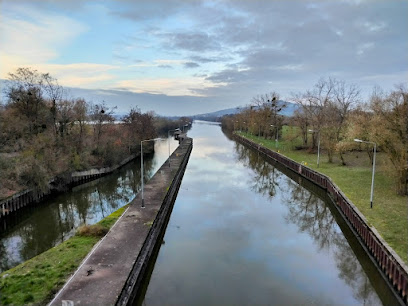
Ecluse no7 de Pont-a-Mousson
6.2 km
Explore Ecluse no7 de Pont-a-Mousson, an enchanting lock that combines natural beauty with historical significance in the heart of Lorraine, France.
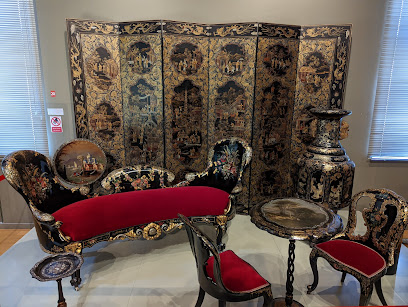
Musée au Fil du Papier
6.4 km
Explore the fascinating history of papermaking at Musée au Fil du Papier in Pont-à-Mousson, a unique destination for culture and creativity.
Fontaine Rouge
7.6 km
Explore Fontaine Rouge in Pont-à-Mousson, a stunning historical landmark reflecting the rich heritage and charm of French culture.
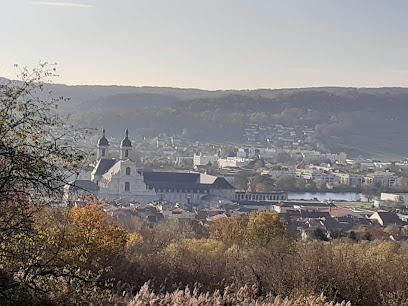
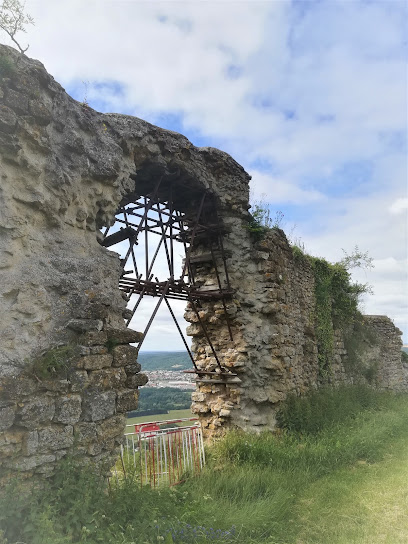
Château de Mousson
7.9 km
Discover the stunning Château de Mousson, a historical castle offering breathtaking views and rich heritage in the heart of Lorraine, France.
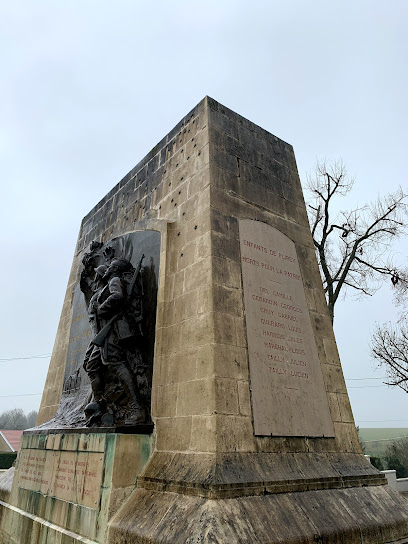
Monument to the Liberating American Divisions
10.3 km
Honoring American and French soldiers who fought for liberation in WWI, this monument in Flirey stands as a symbol of enduring Franco-American friendship and sacrifice.
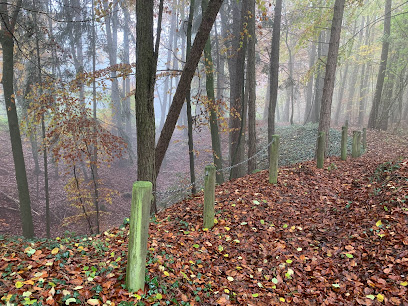
Les entonnoirs de Flirey
10.6 km
Explore the haunting landscape of Les Entonnoirs de Flirey, a poignant reminder of the intense battles and enduring scars of World War I in the heart of Lorraine, France.
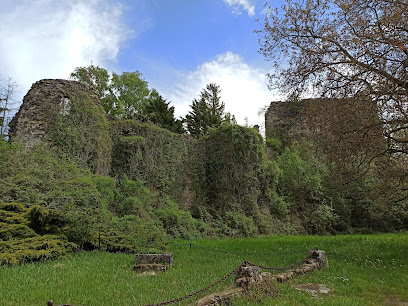
Château de Prény
12.5 km
Experience the beauty and history of Château de Prény, a stunning castle in the heart of the French countryside, perfect for sightseeing and relaxation.
Ecluse de Custines
13.2 km
Experience the serene charm and historical significance of Ecluse de Custines, a beautiful lock on the Moselle River in Marbache, France.
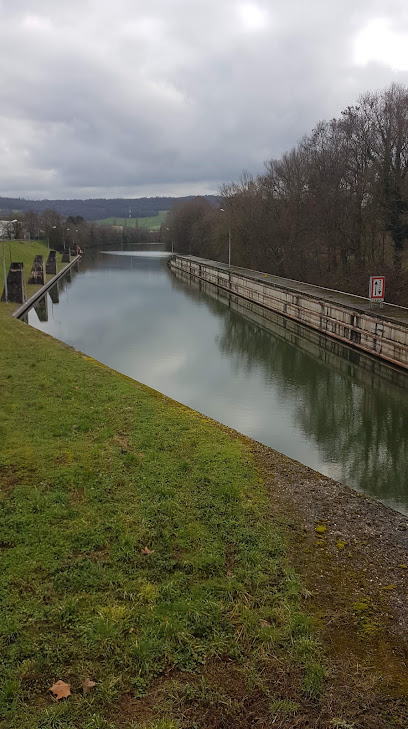
Ecluse de Pagny-sur-Moselle
13.4 km
Experience the serene charm of Ecluse de Pagny-sur-Moselle, a scenic lock on the Moselle River, perfect for nature lovers and boating enthusiasts.
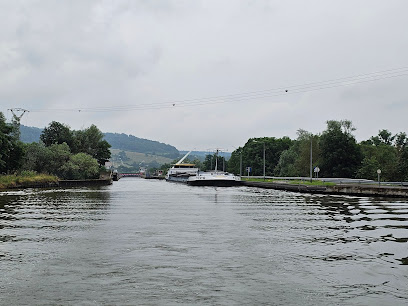
Château de Morey
13.5 km
Discover the enchanting Château de Morey in Belleau, a luxurious bed and breakfast offering an authentic taste of French elegance and hospitality.

Corbin Castle
13.9 km
Discover the breathtaking views and rich history of Corbin Castle in Liverdun, France, an essential stop for every traveler.
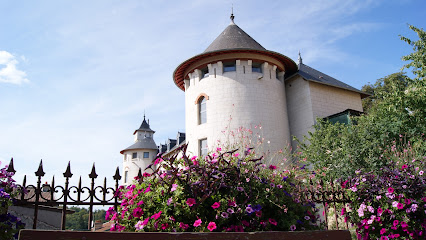
Boucles de la Moselle
14.2 km
Discover the serene beauty of Boucles de la Moselle, a scenic haven for nature lovers and adventure seekers in Liverdun, France.
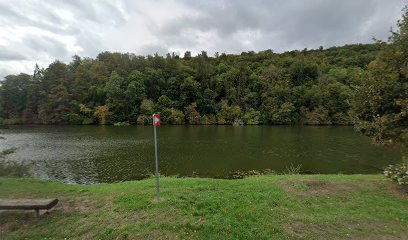
Ecluse n.8 de Pagny-sur-Moselle
14.5 km
Explore the serene beauty and historical significance of Ecluse n.8 de Pagny-sur-Moselle, a picturesque lock along the Moselle River in France.
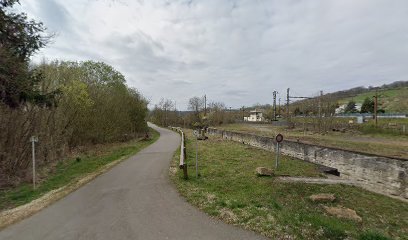
Ecluse n.27 de jonction Port de Nancy-Frouard
16.6 km
Experience the serene beauty and rich maritime history at Ecluse n.27 de jonction Port de Nancy-Frouard, a hidden gem in Frouard, France.
Essential places to dine

Le Petit Gourmandin
6.9 km
Discover authentic French cuisine at Le Petit Gourmandin in Pont-à-Mousson—where every dish tells a delicious story.
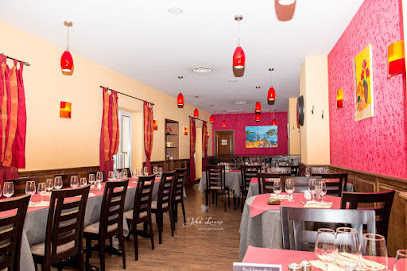
Rest'Authentik
13.3 km
Experience authentic French cuisine at Rest'Authentik in Pagny-sur-Moselle - A culinary journey you won't forget.
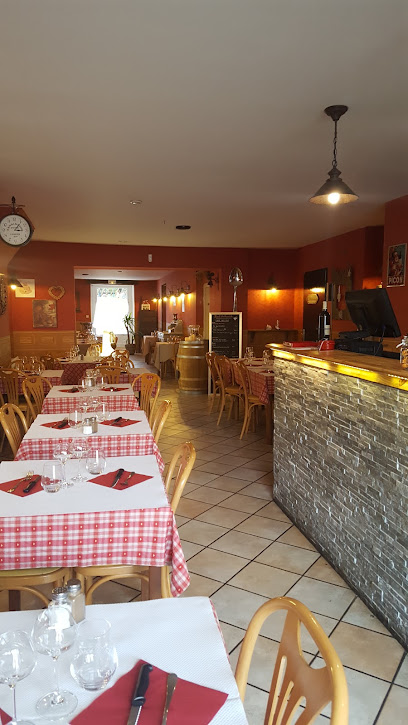
La Mangeoire - Restaurant
18.0 km
Discover exquisite French cuisine at La Mangeoire in Nonsard-Lamarche - where every dish tells a story of culinary artistry.
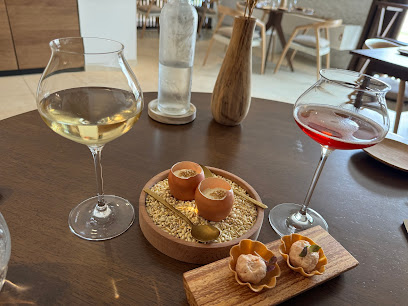
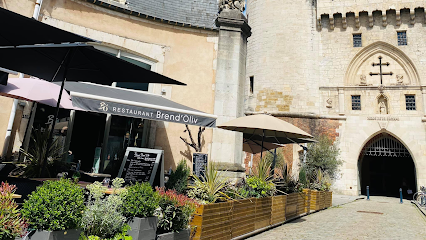
Restaurant Brend'Oliv
23.2 km
Discover exquisite French cuisine at Restaurant Brend'Oliv in Nancy – a delightful blend of tradition and innovation awaits every foodie.
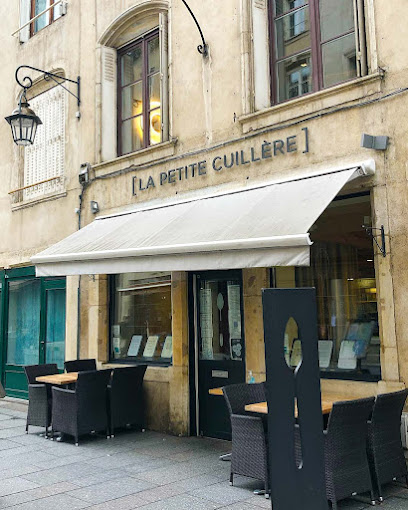
La Petite Cuillere
23.3 km
Experience authentic French country cuisine at La Petite Cuillere in Nancy, where every dish celebrates local flavors and culinary traditions.
L'Arsenal
23.4 km
Discover L'Arsenal in Nancy – where exquisite French cuisine meets elegant dining for an unforgettable culinary journey.
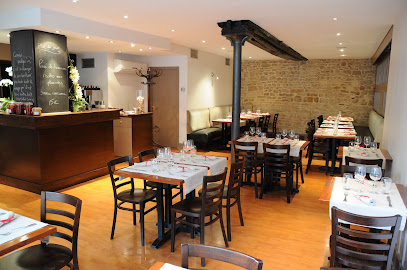
Restaurant des Frères Marchand
23.4 km
Experience authentic French cuisine at Restaurant des Frères Marchand in Nancy - where culinary tradition meets modern elegance.
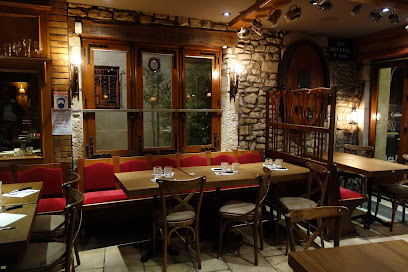
Le Comptoir St Michel
23.5 km
Experience the essence of French cuisine at Le Comptoir St Michel in Nancy - where tradition meets flavor in every dish.
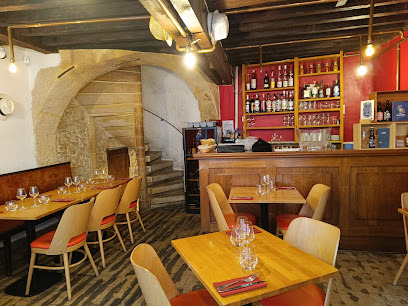
Le V-Four
23.5 km
Experience the essence of French cuisine at Le V-Four in Nancy, where every dish tells a story and every meal becomes a celebration.
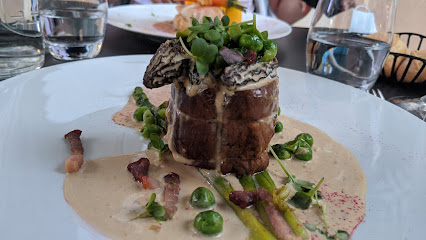
Au Bistronome
23.5 km
Experience authentic French cuisine at Au Bistronome in Nancy - where tradition meets modern culinary artistry.
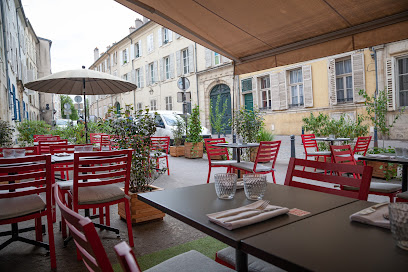
Aux Délices du Palais
23.5 km
Experience the exquisite fusion of French and Mediterranean flavors at Aux Délices du Palais in Nancy.
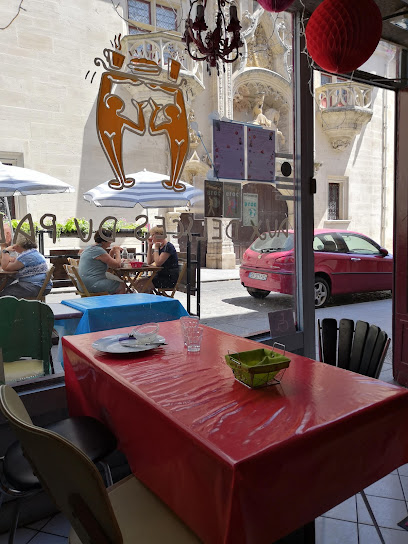
La Toq'
23.5 km
Experience exquisite French cuisine at La Toq', Nancy's premier fine dining destination known for its artistic dishes and exceptional service.
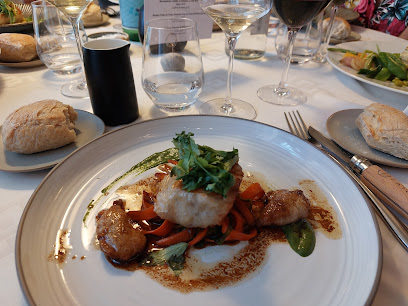
Au Coin de la Rue
23.6 km
Discover exquisite French cuisine at Au Coin de la Rue in Nancy – a must-visit culinary destination for every food lover.
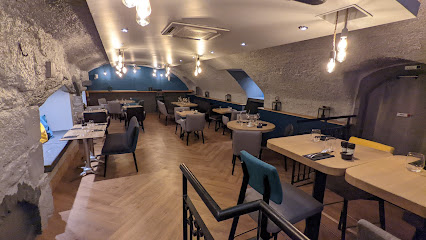
CHEZ VASSILI
23.7 km
Experience the rich flavors of Georgian and Russian cuisine at Chez Vassili in Nancy – a culinary delight for every traveler.
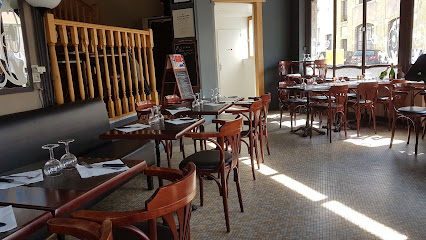
L'amusette
23.7 km
Experience authentic French cuisine at L'amusette, where tradition meets modernity in the heart of Nancy.
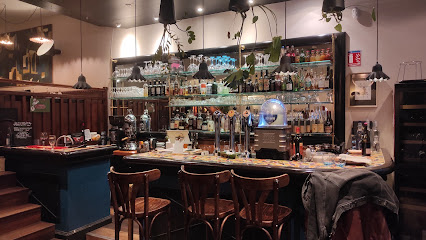
Markets, malls and hidden boutiques

Lez' Arts Boutic
13.3 km
Explore the charm of Lez' Arts Boutic in Pagny-sur-Moselle, a delightful women's clothing store featuring chic styles and personalized service.
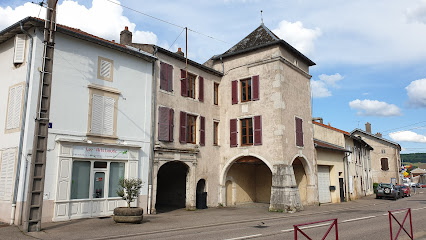
Un Monde à Lui
22.9 km
Discover Un Monde à Lui in Nancy, where style meets sophistication in men's fashion and accessories for the discerning traveler.
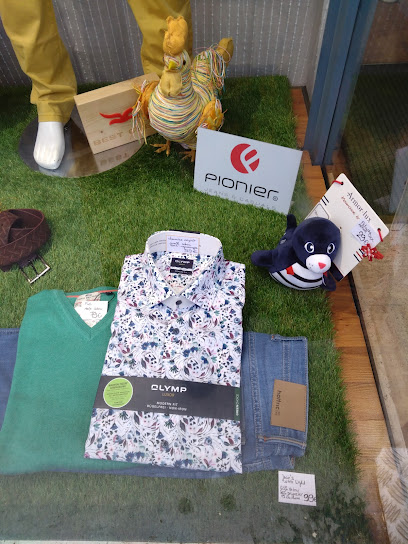
Les Zinzolines
23.3 km
Explore the enchanting world of handicrafts at Les Zinzolines in Nancy, where local artistry meets unique souvenirs.
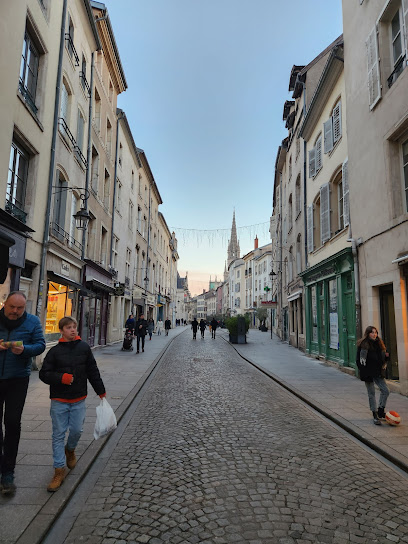
Sorbet Citron
23.4 km
Explore Sorbet Citron in Nancy, where artisanal sweets meet unique gifts, creating a delightful shopping experience for every visitor.
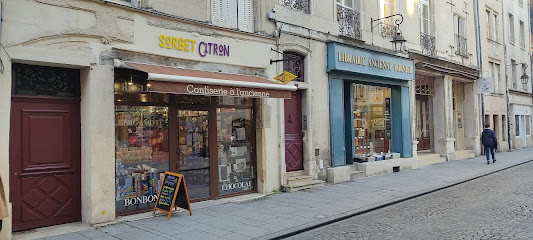
La Boîte A Photos
23.4 km
Explore La Boîte A Photos for unique gifts and souvenirs that capture the spirit of Nancy, France's artistic charm.
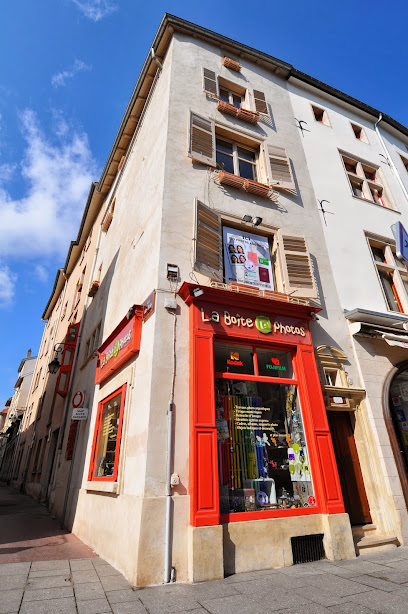
La Reserve
23.4 km
Experience the essence of chic fashion at La Reserve, Nancy's premier clothing store offering a curated selection of stylish apparel.
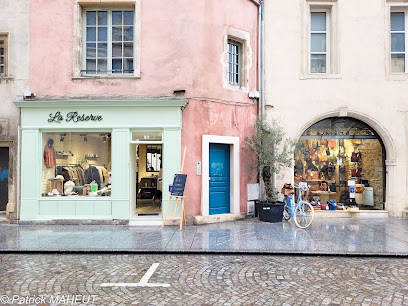
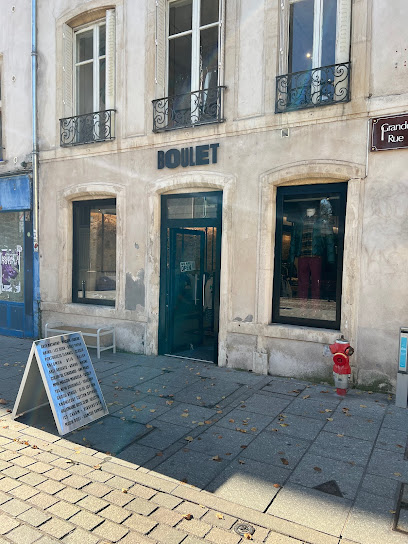
Boulet
23.6 km
Discover the essence of contemporary fashion at Boulet Store in Nancy, where style meets sophistication and local trends flourish.
Threadogs
23.7 km
Immerse yourself in the stylish world of Threadogs Boutique in Nancy, where unique fashion meets local charm for an unforgettable shopping experience.
Tabac Presse Saint Léon
23.8 km
Explore the cultural essence of Nancy at Tabac Presse Saint Léon, a charming tobacco shop and newsstand offering local flavors and unique souvenirs.
Concept Store Atypic Nancy
23.8 km
Explore the vibrant fashion scene at Concept Store Atypic Nancy, your destination for unique clothing and accessories in the heart of the city.
Les Nabis
23.8 km
Explore Les Nabis in Nancy for a unique shopping experience filled with local artistry, perfect gifts, and unforgettable souvenirs.
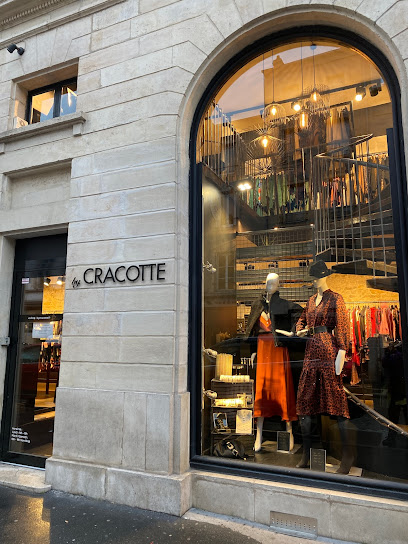
by CRACOTTE
23.8 km
Explore by CRACOTTE in Nancy for unique costume jewelry and stylish women's clothing, celebrating French craftsmanship and design.
American Bazar
23.9 km
Unleash your style at American Bazar in Nancy, a trendy clothing and accessories store for women and men alike, perfect for every fashion enthusiast.
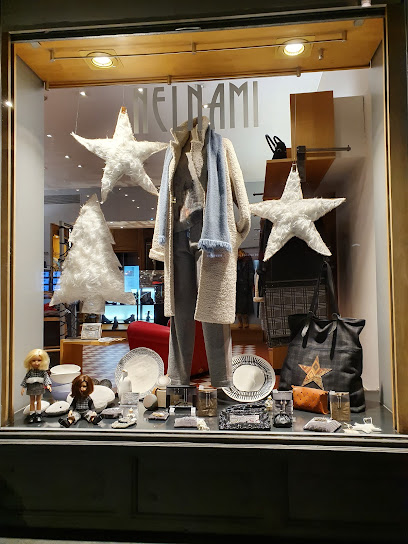
Boutique NELNAMI
23.9 km
Discover the essence of French fashion at Boutique NELNAMI in Nancy, where style meets comfort in a chic shopping experience.
Cristalleries Daum
23.9 km
Explore the exquisite craftsmanship of Cristalleries Daum in Nancy, where glass art meets unmatched elegance and creativity.
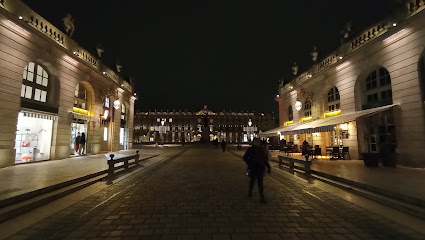
Essential bars & hidden hideouts

Fox Den
23.2 km
Discover Fox Den, the charming bar in Nancy offering a cozy atmosphere and a delightful selection of drinks perfect for unwinding after sightseeing.
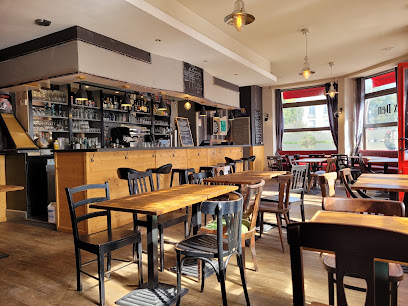
Hops Bar
23.3 km
Discover the vibrant cocktail culture at Hops Bar in Nancy, where creativity meets flavor in a cozy and lively setting.
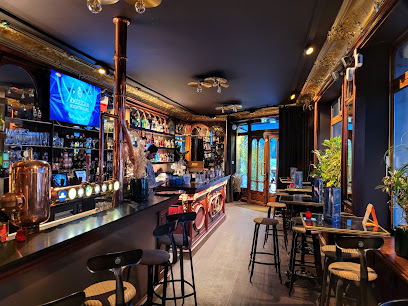
Barami
23.3 km
Discover the local culinary culture at Barami, a cozy bar and café in Nancy offering delicious food and an extensive beverage selection.
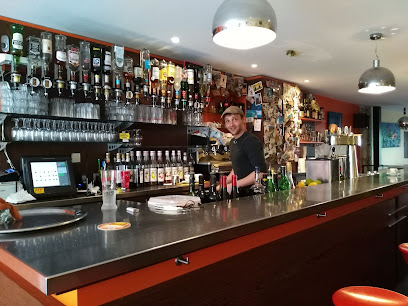
Le Médiéval
23.5 km
Experience the vibrant nightlife of Nancy at Le Médiéval, where medieval charm meets modern mixology in a lively bar atmosphere.
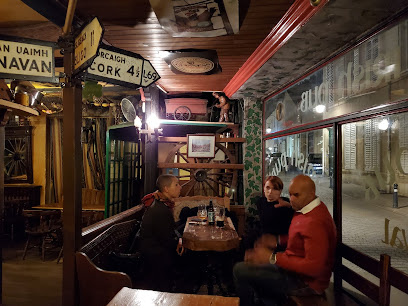
Le Gavroche
23.5 km
Discover the cozy charm of Le Gavroche in Nancy, where delightful beverages meet a welcoming atmosphere, perfect for any traveler.
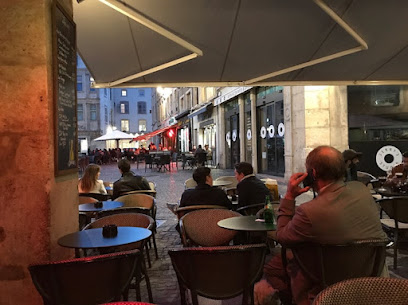
Le Ch'timi
23.5 km
Experience the rich flavors of Lorraine at Le Ch'timi, a lively beer hall and café in the heart of Nancy offering local brews and traditional cuisine.
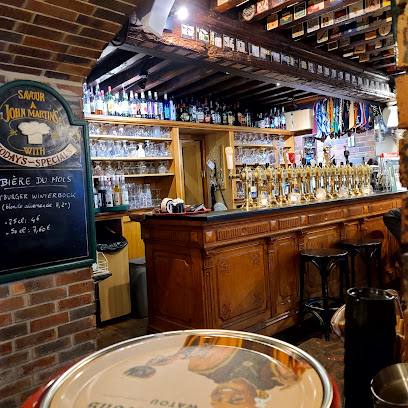
MiMi Saint Epvre
23.5 km
Discover the vibrant atmosphere and unique drinks at MiMi Saint Epvre, a must-visit bar in the heart of Nancy, France.
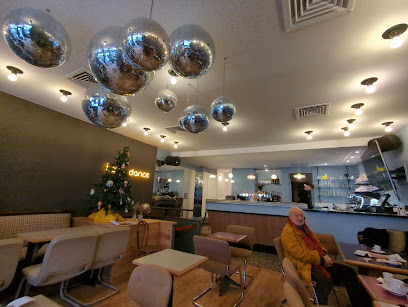
54 Cocktails Bar - Nancy
23.7 km
Experience the vibrant cocktail culture at 54 Cocktails Bar in Nancy, where creativity and flavor blend seamlessly in every drink.
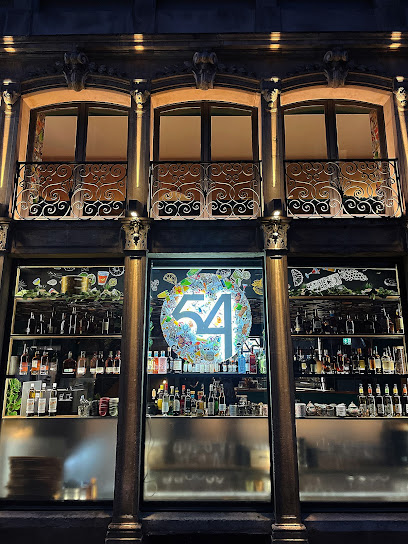
Bar Lounge Le Comptoir
23.8 km
Discover the lively atmosphere and exquisite drinks at Bar Lounge Le Comptoir, the perfect spot for nightlife in Nancy.
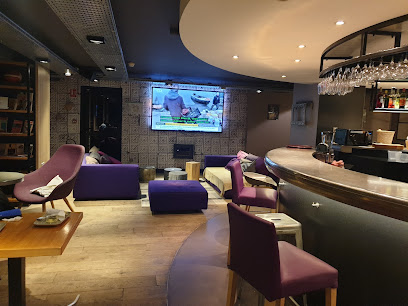
Nirvana Pub Club
23.8 km
Experience Nancy's vibrant nightlife at Nirvana Pub Club, where lively music and refreshing cocktails await you along the scenic Meurthe River.
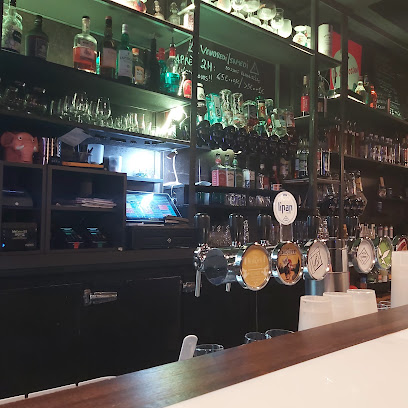
Rhumerie La Plantation
23.8 km
Experience the vibrant fusion of Caribbean cocktails and artistic ambiance at Rhumerie La Plantation in Nancy.
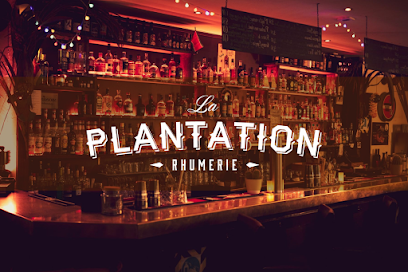
Pub Mac Carthy
23.8 km
Discover the authentic Irish experience at Pub Mac Carthy, a lively pub in Nancy, perfect for indulging in hearty meals and delightful drinks.
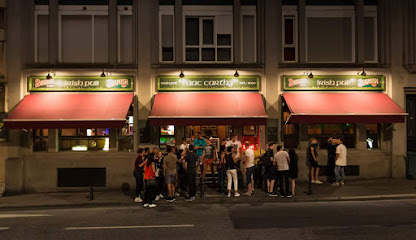
L'Ambassy
23.8 km
Experience the perfect blend of café charm and vibrant bar culture at L'Ambassy in Nancy, where every sip is a delight.
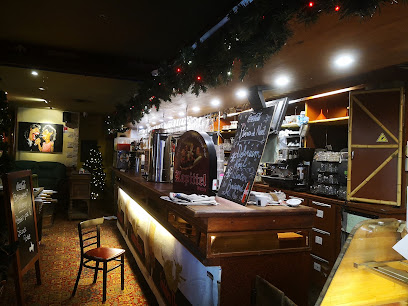
Bagatelle
23.9 km
Discover the vibrant atmosphere of Bagatelle, a bar in Nancy offering a unique blend of local culture and refreshing beverages in a cozy setting.
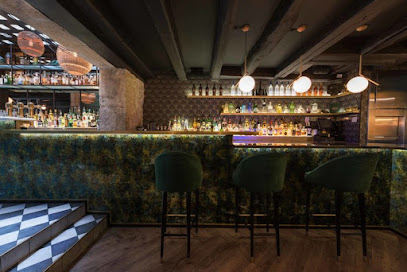
Les Artistes Café
23.9 km
Discover the charm of Les Artistes Café in Nancy, where local flavors meet a warm atmosphere in this artistic café-bar haven.
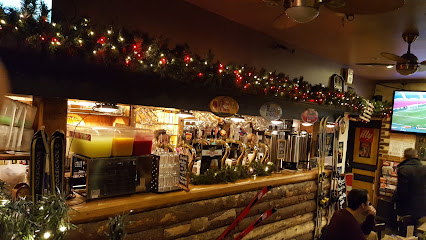
Nightclubs & after hour spots

Le Live Super Club
22.2 km
Unleash your inner party animal at Le Live Super Club, Vigneulles-lès-Hattonchâtel's premier disco destination for unforgettable nightlife experiences.
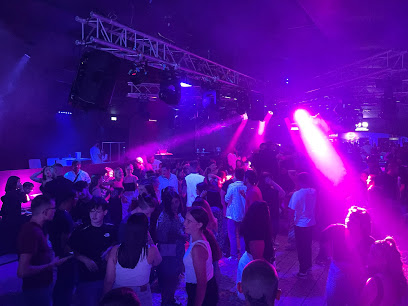
L'Arq
23.9 km
Experience the vibrant nightlife of Nancy at L'Arq, a stylish night club renowned for its eclectic music and lively atmosphere.
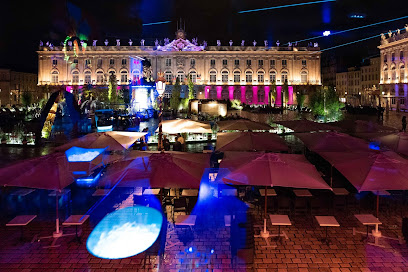
La Place
23.9 km
Experience the vibrant nightlife of Nancy at La Place, a top night club and bar where music, dancing, and fun come together for an unforgettable evening.
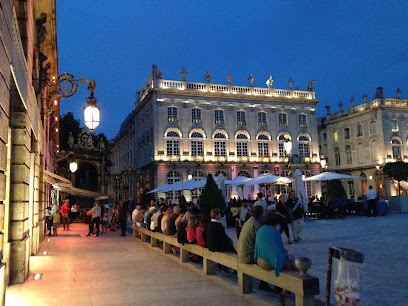
MC FLY
23.9 km
Discover the chic ambiance and vibrant nightlife at MC FLY, Nancy's premier lounge destination for tourists and locals alike.
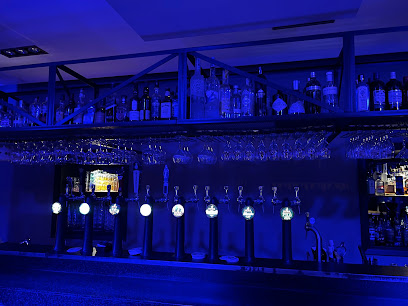
Discoloc
24.0 km
Experience the electrifying nightlife at Discoloc, Nancy's hottest night club, where music and excitement come alive until dawn.
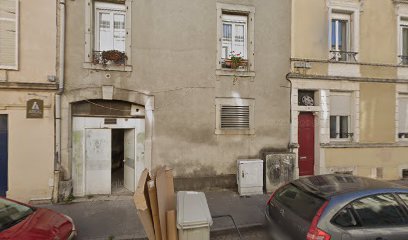
Mojo
24.1 km
Discover Mojo, the ultimate night club in Nancy, where vibrant energy, great music, and unforgettable experiences await you.
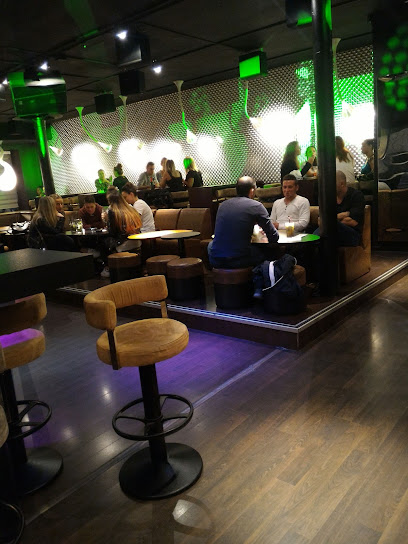
Dnm
24.1 km
Discover Dnm, a lively bar in Nancy, where you can enjoy a vibrant atmosphere and a delightful selection of drinks, perfect for unwinding after a day of exploration.
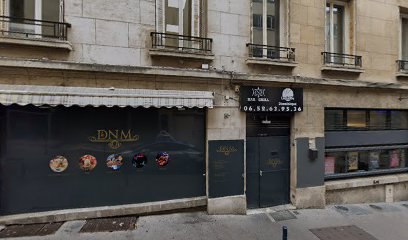
LE CARGO
24.1 km
Discover the heart of Nancy's nightlife at LE CARGO, where music, dancing, and unforgettable memories await.
totemem
24.1 km
Discover Nancy's nightlife at Totemem, a vibrant night club with an electric atmosphere perfect for dancing and socializing.
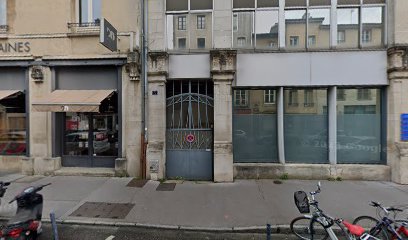
Le Snooz
24.2 km
Experience the vibrant nightlife at Le Snooz, Nancy's leading night club where disco beats and dancing await until dawn.
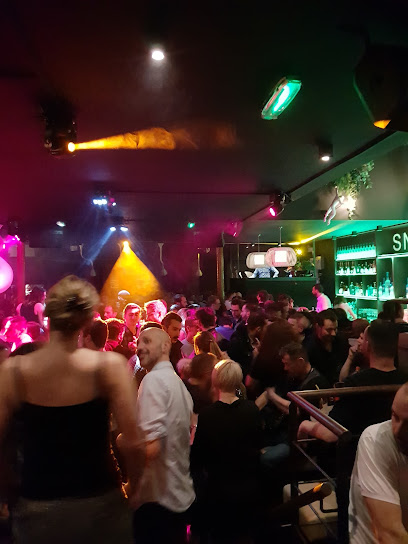
The black Cat
24.2 km
Experience the vibrant nightlife of Nancy at The Black Cat, the city's premier disco club, where music, dancing, and unforgettable moments await.
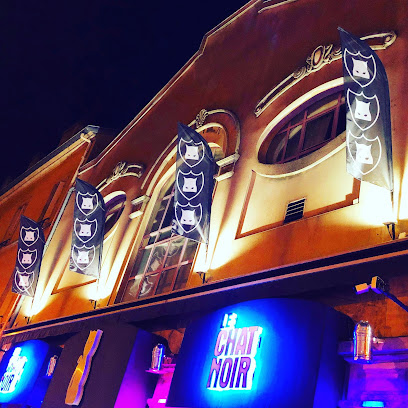
The Electric Sheep
24.3 km
Experience the vibrant nightlife of Nancy at The Electric Sheep, where eclectic decor meets an extensive drink menu for a memorable evening.
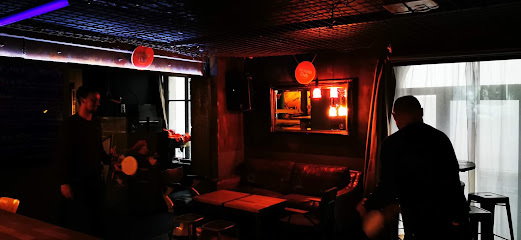
Le Dolls Club
24.3 km
Discover the nightlife at Le Dolls Club in Nancy, where vibrant atmosphere meets stylish cocktails for an unforgettable evening.
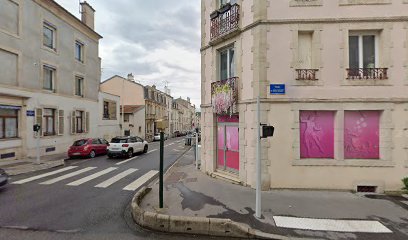
Le Black Baron
24.6 km
Discover the chic ambiance of Le Black Baron, a stylish lounge in Nancy, offering a diverse drink menu and light bites in a relaxed setting.
Ostra Club
24.7 km
Immerse yourself in the vibrant nightlife at Ostra Club, Nancy's premier disco club, featuring top DJs and an electrifying atmosphere.