

Free Lorraine Travel Guide & Mobile App
Explore Lorraine with free travel guides. Discover regional history, expert tips, proposed trips, and audio guides on web or mobile app.


Explore Lorraine for Nancy’s grand architecture, Metz’s heritage, Verdun’s memorials, Vosges forests and distinctive northeastern French food.
Read more about Lorraine
When is the best time to visit Lorraine?
Best: June–August · 23–24°C| Month | High (°C) | Rainfall (mm) |
|---|---|---|
| January | 5 | 40 |
| February | 8 | 35 |
| March | 12 | 40 |
| April | 15 | 45 |
| May | 20 | 55 |
| June (best) | 23 | 60 |
| July (best) | 24 | 65 |
| August (best) | 24 | 60 |
| September | 20 | 55 |
| October | 14 | 45 |
| November | 9 | 40 |
| December | 6 | 35 |
Getting to and around Lorraine
How to get there
Transportation
Top city travel guides in Lorraine
The cities of Lorraine, and the easiest places to base yourself.
-

-

-

-


Swipe for more cities
Destinations in Lorraine
Resorts, valleys and scenic spots worth a trip of their own.
-

-

-
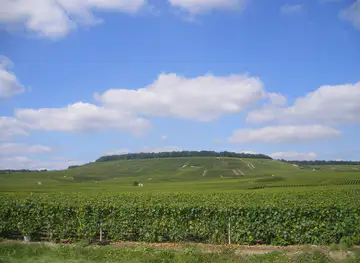


Swipe for more destinations
Best attractions in Lorraine
Lorraine’s attractions range from carefully planned urban spaces to forests, military landscapes and traditional craft centres. In Nancy, the Place Stanislas ensemble and the collections associated with the École de Nancy reveal two very different phases of artistic ambition. Metz offers the Centre Pompidou-Metz, the cathedral and a layered historic centre, while Lunéville is known for its château and former court associations. Verdun’s battlefield landscape includes forts, memorials and museums spread across wooded terrain, requiring more than a single short visit. In the Meuse, Domrémy-la-Pucelle provides historical context for Joan of Arc. The Vosges bring a different emphasis: hiking, cycling, lakes, ridges and winter activities around towns such as Gérardmer and La Bresse. Industrial heritage is visible in former iron and steel districts, textile valleys and the glass and crystal traditions of eastern Lorraine. Visitors can combine museums and architecture with vineyards around Toul, thermal heritage in selected spa towns, and quiet rural journeys through villages and forested uplands.
-
 Landmark
Place Stanislas
Discover Place Stanislas in Nancy, a UNESCO World Heritage site, where 18th-century architecture, gilded gates, and stunning fountains create a royal experience.
-
Castle
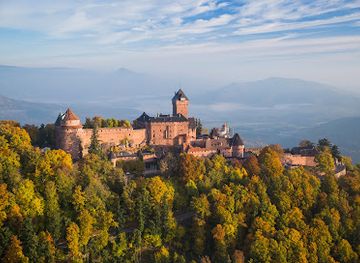
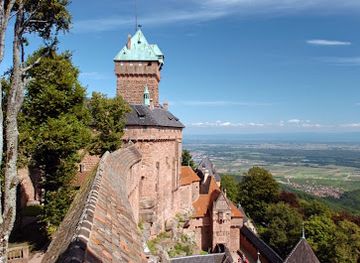
Château du Haut-Kœnigsbourg
Experience the grandeur of Château du Haut-Kœnigsbourg, a historic castle offering stunning views and rich medieval heritage in the heart of Alsace.
-
Zoo
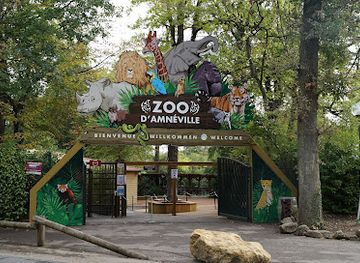
Zoo d'Amnéville
Explore the incredible wildlife and engaging exhibits at Zoo d'Amnéville, a family-friendly paradise in the heart of France.
-
Animal park
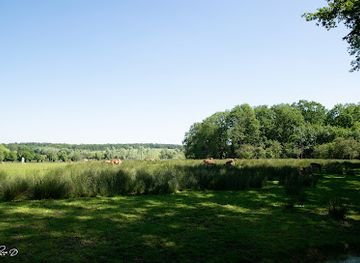
Parc animalier de Sainte-Croix
Explore the enchanting Parc Animalier de Sainte-Croix, a premier animal park in France, showcasing diverse wildlife and breathtaking natural landscapes.
Best landmarks in Lorraine
Nancy’s Place Stanislas is Lorraine’s defining civic landmark, framed by gilded ironwork and monumental buildings that express the ambitions of the 18th-century court. The connected Place de la Carrière and Place d’Alliance complete an unusually coherent urban composition. Metz Cathedral, known for its extensive stained glass and soaring Gothic structure, dominates the historic centre and reflects the city’s long ecclesiastical importance. In Verdun, the Ossuary of Douaumont, Fort Douaumont and the surrounding memorial landscape embody the scale and memory of the 1916 battle. The Château de Lunéville recalls Lorraine’s princely court, while the medieval fortifications and hilltop setting of Vaudémont evoke the region’s older defensive geography. The Basilica of Bois-Chenu near Domrémy-la-Pucelle commemorates Joan of Arc’s birthplace and later national importance. In the Vosges, the wooded ridges and high points of the Route des Crêtes function as natural landmarks, offering a clear sense of the mountain geography that distinguishes eastern Lorraine from the open Meuse and Moselle plains.
-
Landmark
Place Stanislas
Discover Place Stanislas in Nancy, a UNESCO World Heritage site with stunning 18th-century architecture, gilded gates, and vibrant cultural events.
-
Castle
Château du Haut-Kœnigsbourg
Explore a magnificent medieval fortress in Alsace with panoramic views, rich history, and stunning architecture. A must-see landmark!
-
Animal park
Parc animalier de Sainte-Croix
Discover European wildlife and global biodiversity at Parc Animalier de Sainte-Croix, an immersive nature experience in the heart of Lorraine.
-
Cathedral
Metz Cathedral
Discover Metz Cathedral, a magnificent Gothic landmark with the world's largest collection of stained glass windows, illuminating centuries of art and history.
Explore Lorraine on the map
Plan your trip on one map. See where the top cities, national parks and sights are, and book hotels and experiences in a few clicks.
Best hotels in Lorraine
Best restaurants in Lorraine
Lorraine’s food culture is associated with robust pastries, fruit, dairy products and dishes that suit its cool northeastern climate. Quiche lorraine is the best-known regional speciality, while pâté lorrain, tourtes and savoury tarts appear in traditional bakeries and restaurants. Mirabelle plums are central to the region’s late-summer produce, used in tarts, preserves and spirits; bergamot sweets are closely associated with Nancy, and macarons de Nancy provide another established confectionery tradition. Munster Géromé cheese comes from the Vosges area, where farm products and mountain-style cooking are prominent. Around Toul, Côtes de Toul wines accompany a modest but distinctive vineyard culture. Restaurants range from brasseries and cafés in Nancy and Metz to village inns, market stalls and contemporary kitchens using local ingredients. Rural markets are useful for discovering cheeses, charcuterie, fruit and bakery products, while traditional cafés offer a more everyday view of regional eating than formal dining alone.
-
Brasserie
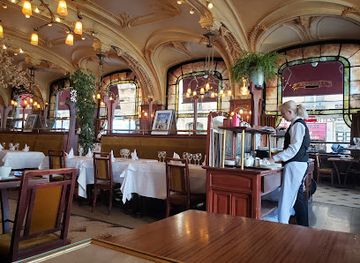
Brasserie L'Excelsior
Experience authentic French cuisine in the elegant ambiance of Brasserie L'Excelsior, Nancy's iconic dining destination.
-
Fine Dining
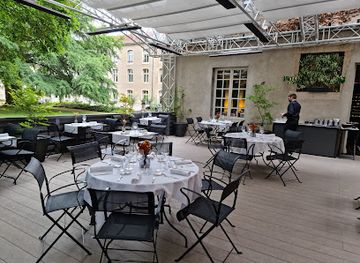
La _ Maison dans le Parc
Savor the essence of French fine dining at La Maison dans le Parc in Nancy - where culinary artistry meets elegance.
-
French
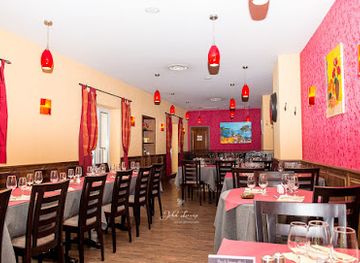
Le Petit Gourmandin
Discover authentic French cuisine at Le Petit Gourmandin in Pont-à-Mousson—where every dish tells a delicious story.
-
French
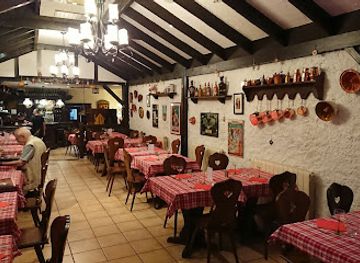
La Winstub
Experience the charm of traditional French cuisine at La Winstub in Metz—where every dish tells a story.
Best bars in Lorraine
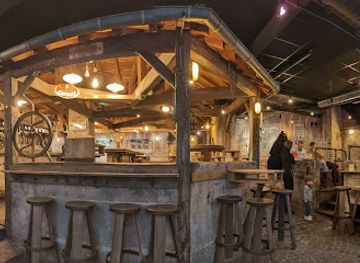
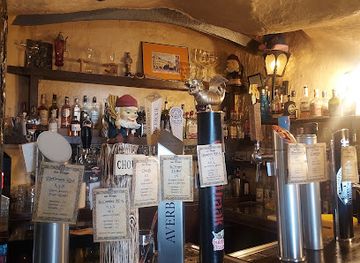
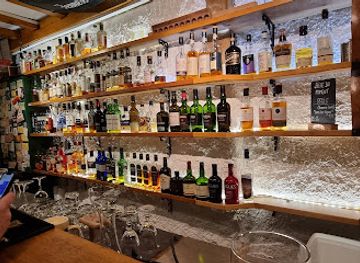
Evening life in Lorraine is concentrated in Nancy and Metz, with smaller scenes in Épinal, Verdun and other university or market towns. Nancy has the broadest choice of cafés, wine bars, beer bars, live music spaces and late-night venues, while Metz combines historic-centre restaurants and bars with a more measured evening atmosphere. Traditional cafés and brasseries remain important across the region, and local breweries provide opportunities to explore beers alongside the area’s French and cross-border influences. In the Vosges and rural Meuse, evenings generally centre on restaurants, hotel bars, village cafés and occasional live music rather than a large club scene. Check current arrangements locally, especially outside the main cities and during winter, when some rural establishments operate on reduced schedules.
-
Beer hall
Vivian's Pub Fairy
Discover the enchanting atmosphere of Vivian's Pub Fairy in Metz, where exceptional beers and delightful cuisine meet a warm, inviting ambiance.
-
Bar
Les Berthom
Experience the lively ambiance of Les Berthom in Metz, a vibrant bar perfect for enjoying drinks and socializing with locals and tourists alike.
-
Bar
Aux Paraiges
Discover the vibrant nightlife of Metz at Aux Paraiges, where local flavors and a lively atmosphere await every visitor.
-
Irish pub
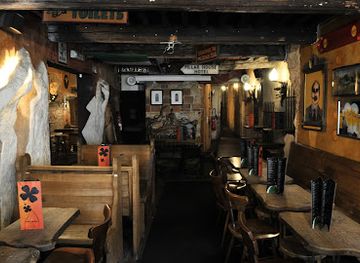
Irish-Pub
Discover the vibrant atmosphere of the Irish Pub in Metz, where authentic drinks and live music create unforgettable memories.
Best nightclubs in Lorraine
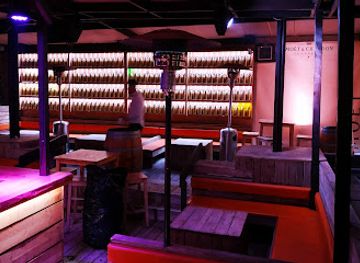
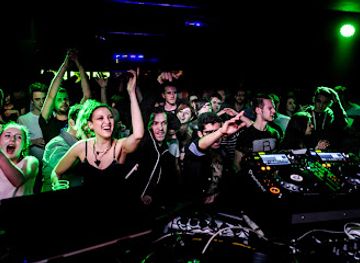
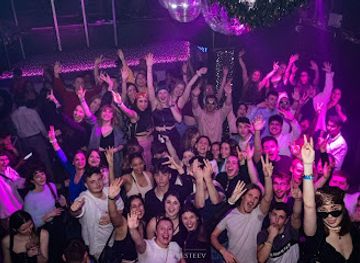
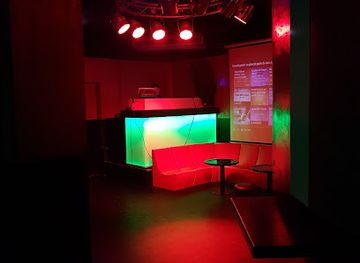
Evening life in Lorraine is concentrated in Nancy and Metz, with smaller scenes in Épinal, Verdun and other university or market towns. Nancy has the broadest choice of cafés, wine bars, beer bars, live music spaces and late-night venues, while Metz combines historic-centre restaurants and bars with a more measured evening atmosphere. Traditional cafés and brasseries remain important across the region, and local breweries provide opportunities to explore beers alongside the area’s French and cross-border influences. In the Vosges and rural Meuse, evenings generally centre on restaurants, hotel bars, village cafés and occasional live music rather than a large club scene. Check current arrangements locally, especially outside the main cities and during winter, when some rural establishments operate on reduced schedules.
-
Lounge
PRIVE CLUB
Discover the vibrant nightlife at PRIVE CLUB in Moulins-lès-Metz, where chic ambiance meets exquisite cocktails and memorable experiences.
-
Disco club
Ostra Club
Ostra Club in Nancy: Your destination for an electrifying nightlife experience with vibrant music, cocktails, and an unforgettable atmosphere.
-
Night club
L'Endroit
Experience the vibrant nightlife of Metz at L'Endroit, where music, dance, and unforgettable memories await you.
-
Night club
Prince's Club
Discover the electrifying nightlife of Thionville at Prince's Club, where music, dancing, and fun await until dawn.
Best shops in Lorraine
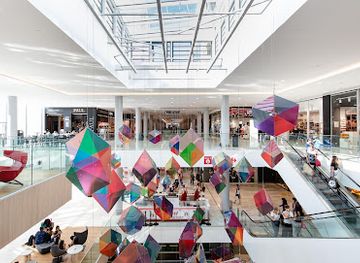
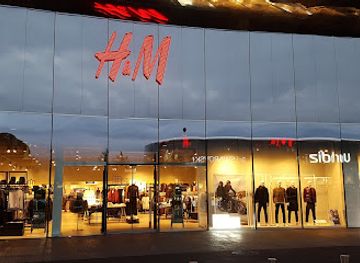
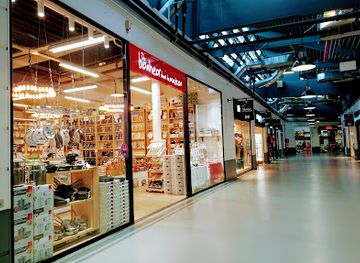
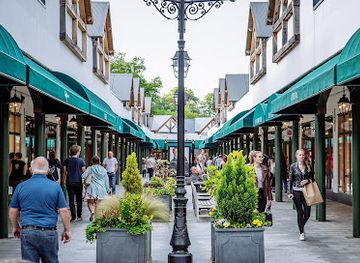
Shopping in Lorraine is strongest in the historic centres of Nancy and Metz, where established high streets, department stores, independent boutiques, bookshops, galleries and food shops occupy streets around the main squares and cathedral districts. Nancy is particularly associated with Art Nouveau-inspired design and the region’s bergamot sweets, while local delicatessens sell mirabelle products, regional cheeses, pâté and wines from around Toul. Metz provides a wider urban retail mix, with practical shopping alongside specialist food and craft outlets. In smaller towns, weekly markets and village food shops are more useful than large retail complexes for finding local produce. Baccarat and surrounding Meurthe-et-Moselle are linked to fine crystal, though specialist purchases should be made through established retailers. In the Vosges, look for textiles, woodwork and farm products, while rural markets across the region offer seasonal fruit, preserves and bakery goods. Retail hours can be more limited in small settlements, particularly outside market days.
-
Shopping mall
Muse
Discover the Muse Shopping Mall in Metz: A modern retail hub offering fashion, food, and fun for all visitors.
-
Shopping mall
Waves Actisud
Discover Waves Actisud: A vibrant shopping mall in Moulins-lès-Metz with diverse shops, dining options, and entertainment for an unforgettable experience.
-
Shopping mall
Marques Avenue Talange
Explore the best outlet shopping at Marques Avenue Talange, where great deals and unique brands await in a vibrant atmosphere.
-
Outlet mall
Designer Outlet Luxembourg
Explore unbeatable fashion deals at Designer Outlet Luxembourg, where style meets affordability in a vibrant shopping atmosphere.
Get your free copy of our complete guide to Lorraine, delivered straight to you.
Everything on this page, from attractions and restaurants to essentials and local phrases, in one PDF you can read offline, print or share.
Already have an account? Sign in
Your Lorraine guide is ready.
We'll send it to · Not you? Sign out

Getting your guide ready…
We are putting together a fresh copy of the Lorraine guide. This can take up to a minute.
This can take a few moments. If your browser asks, choose Allow so the download can start. You'll find the guide in your Downloads folder.
Nothing happened? Download it again
Sorry, the guide is taking longer than usual. Please try again in a minute, or get it by email instead.
Lorraine essentials
Currency and Payment
Safety
Emergency Situations
Do's and Don'ts
Local Tips
From Eve
Local phrases worth knowing
You don't need to get them perfect. A few words go a long way, and locals appreciate the effort.
Basics
| English | Local | Say it |
|---|---|---|
| Hello | Salut | [sah-loo] |
| Goodbye | Au revoir | [oh ruh-vwahr] |
| Yes | Oui | [wee] |
| No | Non | [noh] |
| Please/You’re welcome | S'il vous plaît | [seel voo pleh] |
| Thank you | Merci | [mehr-see] |
| Excuse me/Sorry | Excusez-moi | [ex-kew-zay mwah] |
| How are you? | Comment ça va? | [koh-mohn sah vah] |
| Fine. And you? | Bien. Et vous? | [byehn. eh voo] |
| Do you speak English? | Parlez-vous anglais? | [par-lay voo ahn-glay] |
| I don't understand | Je ne comprends pas | [zhuh nuh kom-pron pah] |
Eating & Drinking
| English | Local | Say it |
|---|---|---|
| I'd like to see the menu, please | Je voudrais voir le menu, s'il vous plaît | [zhuh voo-dray vwar luh muh-nu, seel voo pleh] |
| I don't eat meat | Je ne mange pas de viande | [zhuh nuh mahnj pah duh vyahnd] |
| Cheers! | Santé! | [sahn-tay] |
| I would like to pay, please | Je voudrais payer, s'il vous plaît | [zhuh voo-dray pay-ay, seel voo pleh] |
Emergencies
| English | Local | Say it |
|---|---|---|
| Help! | Au secours! | [oh suh-koor] |
| Go away! | Allez-vous en! | [ah-lay voo ahn] |
| Call the Police! | Appelez la police! | [ah-peh-lay lah poh-lees] |
| Call a doctor! | Appelez un médecin! | [ah-peh-lay uhn may-deh-sin] |
| I'm lost | Je suis perdu | [zhuh swee pair-doo] |
| I'm ill | Je suis malade | [zhuh swee mah-lahd] |
Shopping
| English | Local | Say it |
|---|---|---|
| I'd like to buy... | Je voudrais acheter... | [zhuh voo-dray ah-sheh-tay] |
| I'm just looking | Je regarde juste | [zhuh ruh-gard zhoost] |
| How much is it? | C'est combien? | [seh kohm-byen] |
| That's too expensive | C'est trop cher | [seh troh shair] |
| Can you lower the price? | Pouvez-vous baisser le prix? | [poo-vay voo beh-say luh pree] |
Time & Numbers
| English | Local | Say it |
|---|---|---|
| What time is it? | Quelle heure est-il? | [kel uhr eh-teel] |
| It's one o'clock | Il est une heure | [eel eh ewn uhr] |
| Half past (10) | Dix heures et demie | [dees uhr eh deh-mee] |
| Morning | Matin | [mah-tahn] |
| Afternoon | Après-midi | [ah-pray mee-dee] |
| Evening | Soir | [swahr] |
| Yesterday | Hier | [ee-ehr] |
| Today | Aujourd'hui | [oh-zhoor-dwee] |
| Tomorrow | Demain | [duh-mahn] |
| 1 | Un | [uhn] |
| 2 | Deux | [duh] |
| 3 | Trois | [trwah] |
| 4 | Quatre | [katr] |
| 5 | Cinq | [sank] |
| 6 | Six | [sees] |
| 7 | Sept | [seht] |
| 8 | Huit | [weet] |
| 9 | Neuf | [nuhf] |
| 10 | Dix | [dees] |
Transport & Directions
| English | Local | Say it |
|---|---|---|
| Where's a/the...? | Où est un/une...? | [oo eh uhn/oon] |
| What's the address? | Quelle est l'adresse? | [kel eh luh-dress] |
| Can you show me (on the map)? | Pouvez-vous me montrer (sur la carte)? | [poo-vay voo muh mohn-tray (sur lah kart)] |
| When's the next (bus)? | Quand est le prochain (bus)? | [kahn eh luh pro-shan (boos)] |
| A ticket (to ....) | Un billet (pour ....) | [uhn bee-yay (poor ....)] |
History of Lorraine
Roman Divodurum and the Ancient Frontier
The area became an important part of Roman Gaul. Divodurum, the settlement that developed into modern Metz, stood at a significant crossroads and was associated with the Mediomatrici, while roads connected the Moselle valley with other centres of the empire. Roman urban infrastructure, trade and administration left an enduring foundation for later settlement. Archaeological remains and the region’s strategic position help explain why Metz and the surrounding Moselle corridor remained important long after Roman authority disappeared.
The Medieval Duchy of Lorraine
During the medieval period, Lorraine emerged as a duchy situated between powerful French and German-speaking political worlds. Its rulers competed and negotiated with neighbouring kingdoms, bishops and imperial authorities, while towns such as Nancy developed as centres of administration and court life. Fortifications, churches and monastic institutions shaped the landscape. The duchy’s position on a political frontier brought both opportunity and insecurity, establishing a pattern in which Lorraine’s identity was influenced by several cultural and linguistic spheres.
The Battle of Nancy and the Rise of the Lorraine Dynasty
The Battle of Nancy in 1477 was a decisive event in European dynastic history. Charles the Bold of Burgundy was defeated and killed outside Nancy by forces supporting René II, Duke of Lorraine, whose victory preserved the duchy’s independence from Burgundian expansion. The event strengthened the prestige of the House of Lorraine, which later produced influential figures in European politics. Nancy’s public spaces, monuments and historical collections continue to recall this formative struggle over the duchy’s survival.
Stanislas and the Eighteenth-Century Transformation
In 1737, Stanislas Leszczynski, the former king of Poland and father-in-law of Louis XV, became Duke of Lorraine. Under his rule Nancy acquired its celebrated 18th-century ensemble of squares, designed to connect the medieval old town with the newer city. Place Stanislas, Place de la Carrière and Place d’Alliance express the ideals of ceremonial urban planning and remain the region’s most recognisable architectural achievement. After Stanislas’s death in 1766, Lorraine was incorporated into the Kingdom of France.
Iron, Coal and Industrial Lorraine
From the 19th century, iron ore, coal, railways and manufacturing transformed northern and eastern Lorraine. The Moselle and Meurthe-et-Moselle areas developed major iron and steel works, while the Vosges became associated with textiles and other valley industries. Industrial towns, workers’ housing, rail corridors and factory remains still reveal this economic history. The later decline of heavy industry brought substantial social and environmental change, but museums and preserved sites continue to interpret the labour, technology and migration that shaped modern Lorraine.
The Franco-Prussian War and the Annexation of 1871
The defeat of France in the Franco-Prussian War led to the annexation of much of Alsace and the north-eastern part of Lorraine, including the area around Metz, into the German Empire. The boundary created a lasting political and cultural division within the historic region. Metz acquired new German imperial buildings, while language, citizenship and migration became contentious issues. After the First World War, the annexed territory returned to France, but its mixed architectural and linguistic inheritance remains visible, particularly in Moselle.
Verdun and the First World War
The Battle of Verdun in 1916 became one of the defining and most destructive confrontations of the First World War. Fighting extended across a wide zone of forts, villages and woodland east and north of Verdun, with enormous losses on both sides. The battlefield is now marked by memorials, cemeteries, forts and the Ossuary of Douaumont. Verdun’s significance is not limited to military history: it has become a place of remembrance, reconciliation and study of the human consequences of industrialised warfare.
Occupation, Liberation and Post-war Change
Lorraine again became a major strategic zone during the Second World War. Moselle was incorporated into Nazi Germany, while other parts of the region experienced occupation, resistance and military disruption. The liberation of 1944–45 was followed by reconstruction and the reorganisation of industry. In the later 20th century, the decline of coal mining, steel and textiles altered the region’s economy, encouraging new investment in services, heritage, technology, culture and cross-border links with Luxembourg, Belgium and Germany.
Lorraine in Photos
Browse through our photo collection highlighting the charm and character of the destination.
Neighbouring regions of Lorraine
The closest regions to Lorraine, if you have time for more than one.
-

-

-

-

-


Swipe for more regions
Explore more

Explore more of France
Explore France: A land of romance, history, and unparalleled beauty, from the iconic streets of Paris to the serene landscapes of Provence and the luxury of the French Riviera.
Explore France