Cathédrale La Major, Marseille Travel Guide
Discover Marseille's Cathédrale La Major: A stunning 19th-century cathedral blending Romanesque and Byzantine styles, a symbol of the city's rich history and cultural fusion.
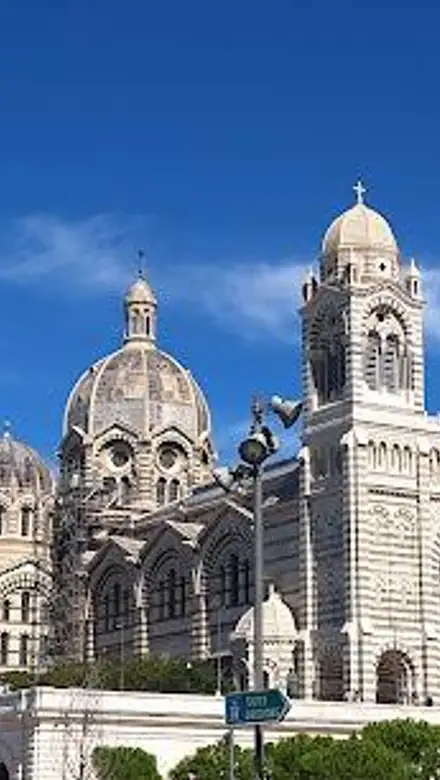
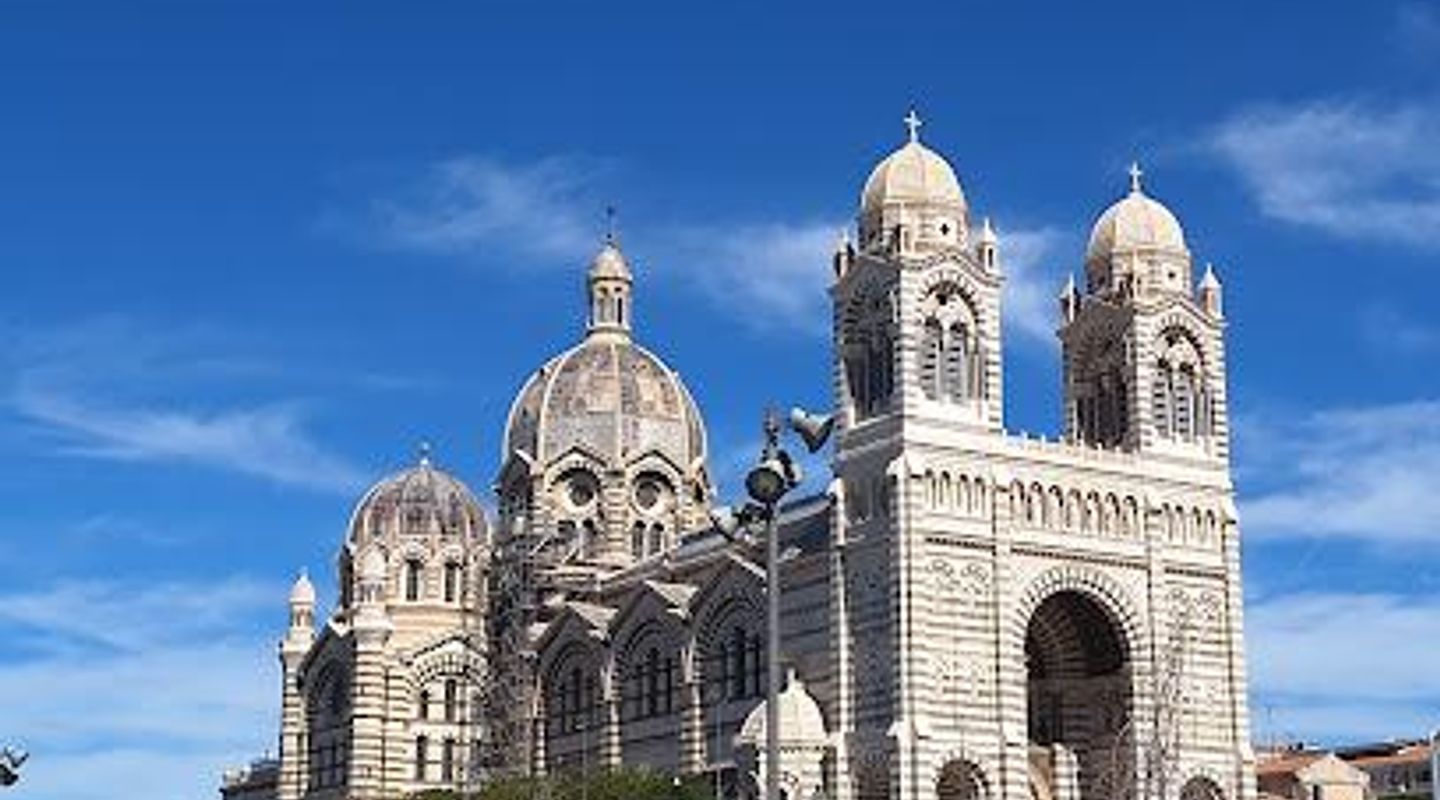
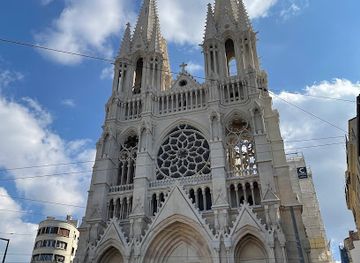
Cathédrale La Major, or Marseille Cathedral, is a stunning architectural landmark that embodies the city's rich history and multicultural identity. Built in the 19th century, it stands as the only cathedral constructed in France during that era, making it a unique and significant monument. Its Romanesque-Byzantine style, grand scale, and intricate detailing, featuring white marble from Carrara, green stone from Florence, and mosaics from Venice, create a breathtaking visual experience. Located on the Place de la Major, near the Old Port and the MuCEM, the cathedral is easily accessible and offers visitors a glimpse into Marseille's spiritual and architectural heritage. With its imposing presence and historical importance, Cathédrale La Major is a must-see attraction for anyone visiting Marseille, offering a blend of artistic beauty and cultural significance.
A brief summary to Cathédrale La Major
- Pl. de la Major, Marseille, 13002, FR
- Click to display
- Click to display
- Monday 10 am-5:30 pm
- Tuesday 10 am-5:30 pm
- Wednesday 10 am-5:30 pm
- Thursday 10 am-5:30 pm
- Friday 10 am-5:30 pm
- Saturday 10 am-5:30 pm
- Sunday 10 am-5:30 pm

Know before you go
Hi, I'm Eve. Here are a few practical things to know before exploring Cathédrale La Major.
- Visit during the shoulder season (spring or fall) for pleasant weather and fewer crowds.
- Take a guided tour to learn about the cathedral's history and architectural details.
- Combine your visit with a trip to the nearby MuCEM and Fort Saint-Jean for a full day of cultural exploration.
- Dress respectfully when visiting the cathedral, as it is a place of worship.
- Check the cathedral's website for information on special events or services that may be taking place during your visit.
Do you manage this location?
Take control to get all the benefits, like improved information, better appearance, and stronger visibility across AI-powered discovery. Learn more about listing your business on Evendo
Activate your presenceOther nearby places you may find interesting
The closest places of the same kind, if this one is not quite what you had in mind.

Explore Cathédrale La Major on the Map
A handpicked selection of must-see spots near Cathédrale La Major, mapped for you.
Unlock the Best of Cathédrale La Major
Buy tickets
-
No tickets available
Book tours with entry


Getting There
-
Public Transport
From Marseille's city center (e.g., Vieux-Port), take Metro Line 2 to Joliette station. From Joliette, it's approximately a 10-minute walk to the cathedral. Follow the signs towards 'La Major'. Alternatively, several bus lines (49, 55, 82, 83) stop near the cathedral. A single metro or bus fare is around €1.60.
-
Taxi/Ride-Share
A taxi or ride-share from the Vieux-Port area to Cathédrale La Major typically costs between €10-€15, depending on traffic. The journey usually takes about 5-10 minutes.
-
Walking
If you are near the Old Port (Vieux-Port), walking to the Cathédrale La Major is a pleasant option. Head north along the waterfront, following signs for La Joliette. The walk is approximately 15-20 minutes and offers scenic views. No costs involved.
-
Driving
If driving, use the address Place de la Major, 13002 Marseille for your GPS. Parking is available near the cathedral, including the Parking Vieux-Port/La Major. Parking rates typically range from €2-€3 per hour.
Discover more about Cathédrale La Major













Your all‑in‑one travel companion app
Explore expert travel guides, compare and book tours, experiences, hotels, and more—all from the palm of your hand. Download now for seamless trip planning wherever your wanderlust takes you.


Explore More of Marseille
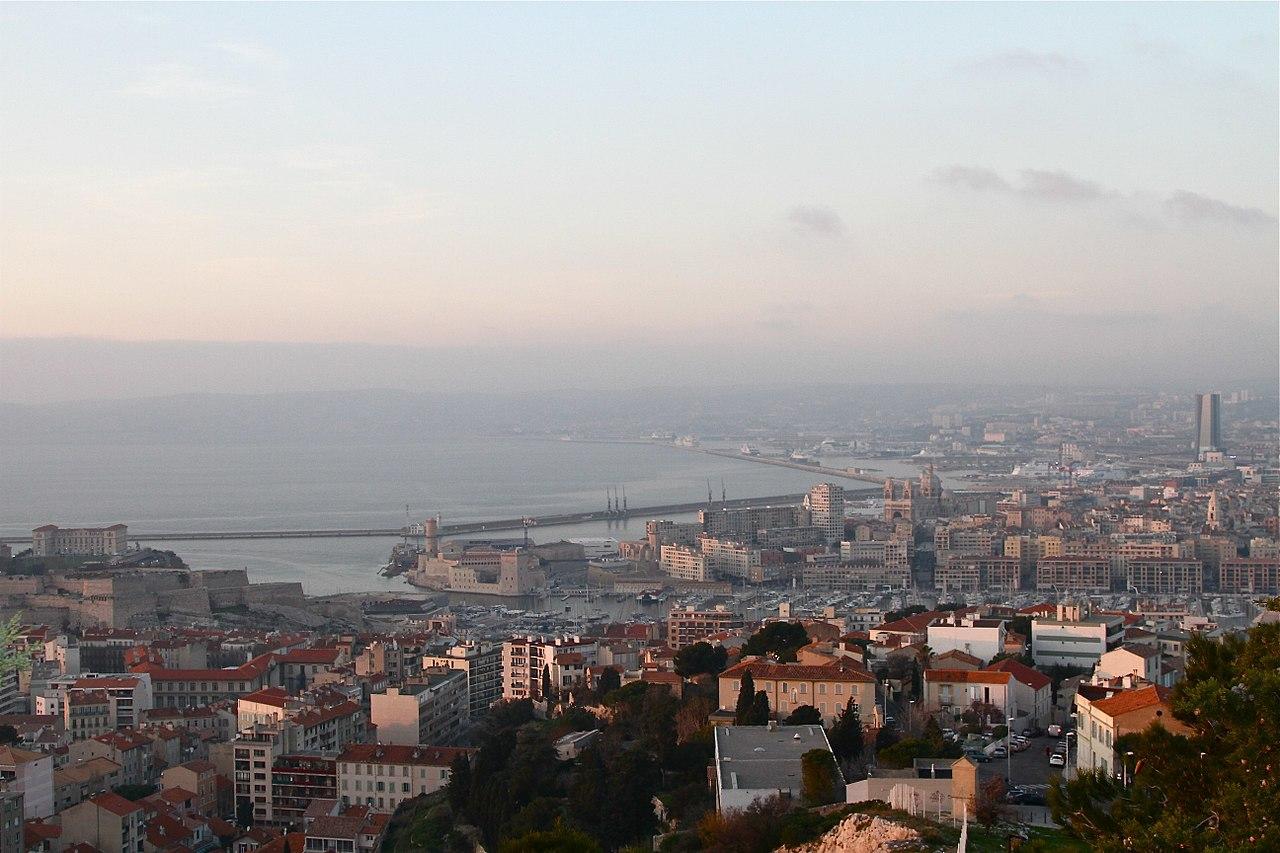
Looking beyond Cathédrale La Major? Discover Marseille for broader travel guides, local hot-spots, and regional highlights.
Explore Marseille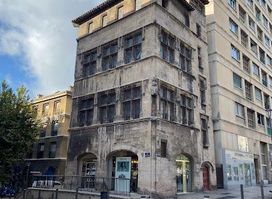
Discover Marseille's oldest house, the Hôtel de Cabre, a stunning blend of Gothic and Renaissance architecture that has survived centuries of history and urban transformation.
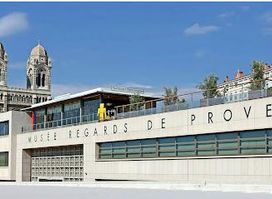
Discover Provençal and Mediterranean art in a historic setting with panoramic port views at Musée Regards de Provence, a cultural gem in the heart of Marseille's waterfront.