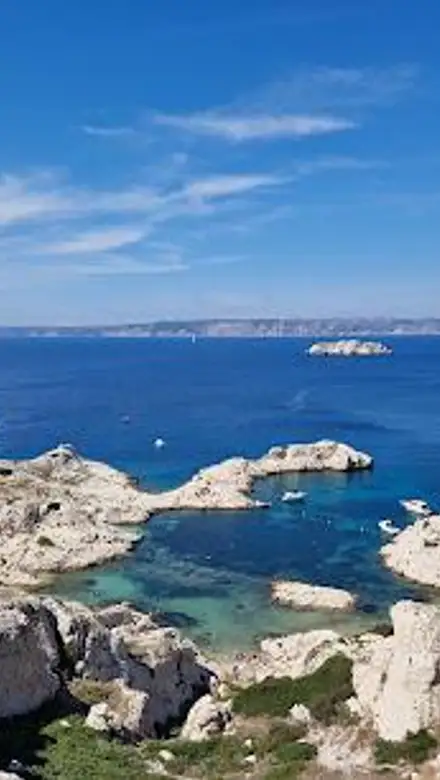
Frioul archipelago, Marseille Travel Guide
Free Guide: Discover Marseille's island escape: the Frioul archipelago offers history, nature, and stunning Mediterranean beauty just a short ferry ride from the city's vibrant Vieux Port.


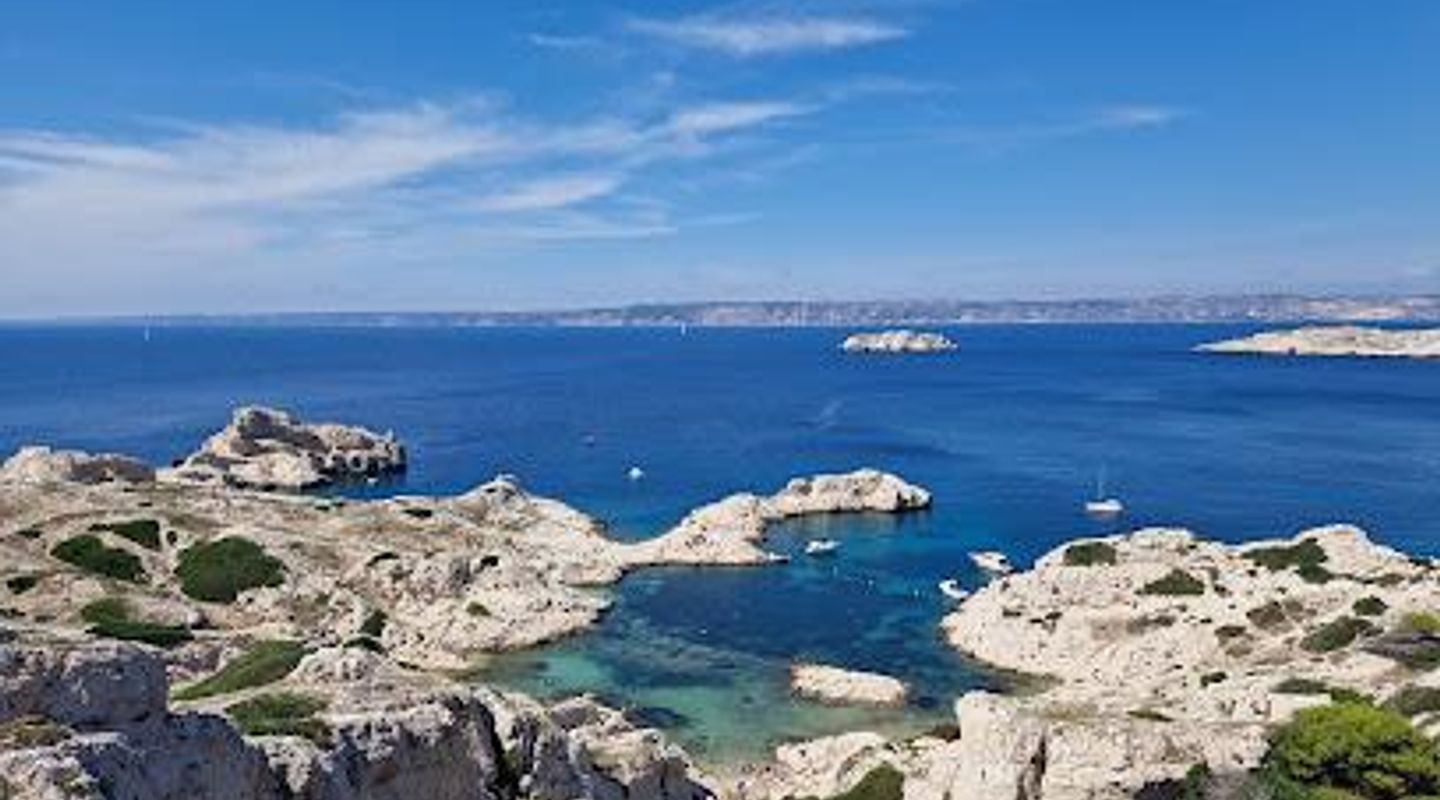
A brief summary of Frioul archipelago
Discover Marseille's island escape: the Frioul archipelago offers history, nature, and stunning Mediterranean beauty just a short ferry ride from the city's vibrant Vieux Port.
Escape the bustling city of Marseille with a visit to the Frioul archipelago, a collection of four islands offering a unique blend of natural beauty, historical intrigue, and tranquil island life. Just a short ferry ride from the Vieux Port, these islands provide a refreshing contrast to the mainland, with rugged coastlines, secluded coves, and diverse flora and fauna. Explore remnants of fortifications and quarantine stations, wander along scenic trails, or simply relax on one of the pristine beaches. Whether you're seeking outdoor adventure, historical exploration, or a peaceful retreat, the Frioul archipelago promises an unforgettable Mediterranean experience, showcasing a different facet of Marseille's rich heritage and captivating coastal charm. The islands are a haven for hikers, swimmers, and nature enthusiasts, offering a diverse range of activities and sights to discover.
- Address
- 13007 Marseille
Getting there
Ferry
Discover more about Frioul archipelago
Overview
The Frioul archipelago, a cluster of four islands just off the coast of Marseille, presents a captivating blend of natural beauty, historical significance, and tranquil island life. Comprising Pomègues, Ratonneau, If, and Tiboulen, this archipelago offers a refreshing escape from the urban energy of Marseille, inviting visitors to explore its rugged landscapes, discover its rich history, and immerse themselves in its unique island atmosphere. Historically, the Frioul Islands have played a crucial role in the defense and sanitation of Marseille. Fortifications dating back to the 16th century stand as silent witnesses to the islands' strategic importance in protecting the city from maritime threats. The Caroline Hospital, built in the 19th century, served as a quarantine station for ships arriving from distant lands, safeguarding Marseille from devastating epidemics. These historical remnants offer a glimpse into the islands' past, adding depth and intrigue to the visitor experience. The Château d'If, perched on the island of If, is perhaps the most iconic landmark of the Frioul archipelago. Immortalized by Alexandre Dumas in his classic novel The Count of Monte Cristo, this imposing fortress has served as a prison for centuries, housing political prisoners, revolutionaries, and other figures deemed undesirable by the ruling powers. Today, the Château d'If is a popular tourist destination, attracting visitors from around the world who come to explore its formidable walls, learn about its fascinating history, and imagine the daring escape of Edmond Dantès. The islands of Ratonneau and Pomègues, connected by a dyke built in the 19th century, offer a diverse range of landscapes and activities. Ratonneau, the more developed of the two, is home to Port Frioul, a charming village with restaurants, shops, and a marina. Visitors can stroll along the harbor, savor fresh seafood, and soak up the lively atmosphere. Numerous hiking trails crisscross the island, leading to secluded coves, scenic viewpoints, and historical sites. Pomègues, in contrast, remains largely undeveloped, offering a more rugged and natural experience. The island's wild coastline is dotted with hidden beaches, perfect for swimming, sunbathing, and snorkeling. Hikers can explore the island's interior, discovering unique flora and fauna adapted to the arid Mediterranean climate. The Tour de Pomègues, a 16th-century tower, offers panoramic views of the archipelago and the surrounding sea. The Frioul archipelago is a haven for nature lovers, boasting a diverse array of plant and animal life. The islands' unique microclimate supports a variety of rare and endemic species, including sea birds, wildflowers, and aromatic herbs. The archipelago is also part of the Calanques National Park, ensuring the protection of its natural heritage for future generations. Visitors to the Frioul archipelago can enjoy a wide range of activities, from hiking and swimming to boating and diving. The islands' clear waters are ideal for snorkeling and scuba diving, offering the chance to explore vibrant marine ecosystems. Boat tours around the archipelago provide stunning views of the coastline and the Château d'If. For those seeking relaxation, the islands' beaches offer a tranquil escape from the hustle and bustle of city life. The Frioul archipelago is easily accessible by ferry from Marseille's Vieux Port. Several companies operate regular services to the islands, making it a convenient day trip or weekend getaway. Whether you're interested in history, nature, or simply relaxing by the sea, the Frioul archipelago offers something for everyone. It's a destination that captures the essence of the Mediterranean, inviting visitors to discover its hidden treasures and create lasting memories. Beyond the well-known Château d'If, the Caroline Hospital stands as a testament to Marseille's historical efforts to combat disease. Built in the 19th century, this former quarantine station offers a unique glimpse into the city's past, highlighting the measures taken to protect its population from epidemics. Exploring the hospital's architecture and learning about its role in maritime health provides a fascinating historical perspective. For those seeking a more active experience, the Frioul archipelago offers a variety of water sports activities. Kayaking and paddleboarding are popular ways to explore the coastline, allowing visitors to discover hidden coves and enjoy the crystal-clear waters. Several companies offer rentals and guided tours, catering to all skill levels. The islands' unique geological formations and diverse ecosystems make them a paradise for hikers and nature enthusiasts. The trails wind through rugged terrain, offering stunning views of the Mediterranean Sea and the surrounding landscapes. Keep an eye out for the local flora and fauna, including rare plant species and seabirds that call the archipelago home. As the sun sets over the Frioul archipelago, the islands transform into a magical setting. Find a secluded spot along the coast and watch as the sky explodes with color, casting a warm glow over the landscape. It's a moment of pure tranquility, a perfect way to end a day of exploration and adventure. The Frioul archipelago is more than just a collection of islands; it's a living testament to Marseille's rich history, natural beauty, and vibrant culture. Whether you're a history buff, a nature lover, or simply seeking a relaxing escape, the Frioul archipelago promises an unforgettable experience. It's a destination that will capture your heart and leave you longing to return.
Evendo Review Centre
 Google
Guest reviews
Explore Frioul archipelago on the map
A handpicked selection of must-see spots near Frioul archipelago, mapped for you.
Get your free copy of our complete guide to Frioul archipelago, delivered straight to you.
Everything on this page, from opening hours and how to get there to Eve’s tips and the best time to go, in one PDF you can read offline, print or share.
Already have an account? Sign in
Your Frioul archipelago guide is ready.
We'll send it to · Not you? Sign out

Getting your guide ready…
We are putting together a fresh copy of the Frioul archipelago guide. This can take up to a minute.
This can take a few moments. If your browser asks, choose Allow so the download can start. You'll find the guide in your Downloads folder.
Nothing happened? Download it again
Sorry, the guide is taking longer than usual. Please try again in a minute, or get it by email instead.
Unlock the best of Frioul archipelago
Skip-the-line tickets, guided tours with entry, and walking tours of the area, booked in a few clicks.


Other nearby places you may find interesting
The closest places of the same kind, if this one is not quite what you had in mind.
-
-
-
-
-


Swipe for more places
More to explore near Frioul archipelago

 Best experiences near Frioul archipelago
 Best hotels near Frioul archipelago
 Best landmarks near Frioul archipelago
 Best attractions near Frioul archipelago
 Best shops near Frioul archipelago
 Best restaurants near Frioul archipelago
 Best bars near Frioul archipelago
Do you manage this location?
Take control to get all the benefits, like improved information, better appearance, and stronger visibility across AI-powered discovery.
Explore more

Explore more of Marseille
Discover Marseille: A captivating blend of ancient history, vibrant culture, and stunning Mediterranean landscapes. Explore the Old Port, historic landmarks, and lively markets.
Explore Marseille
Explore more of France
Explore France: A land of romance, history, and unparalleled beauty, from the iconic streets of Paris to the serene landscapes of Provence and the luxury of the French Riviera.
Explore France