Background

Château d'If: Fortress of History and Legend

Explore the legendary Château d'If in Marseille: a historic fortress and prison immortalized by *The Count of Monte Cristo*, offering stunning views and a glimpse into France's past.

4.6

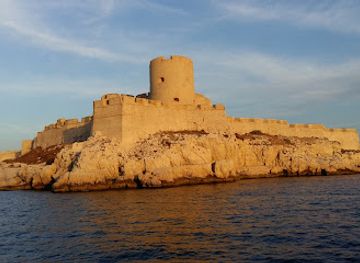
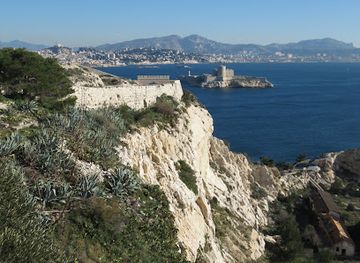
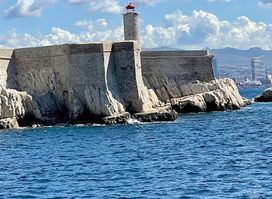
The Château d'If, a formidable fortress perched on a small island in the Bay of Marseille, is steeped in history and legend. Built in the early 16th century by King Francis I, it served as a strategic defense and later as a notorious state prison. Immortalized by Alexandre Dumas in *The Count of Monte Cristo*, the château draws visitors eager to explore its imposing walls, grim cells, and panoramic views. Accessible only by boat, a visit to the Château d'If offers a unique glimpse into France's past, blending historical intrigue with literary mystique. Explore the ramparts, discover the graffiti left by former prisoners, and imagine the daring escape of Edmond Dantès. The island itself, part of the Frioul archipelago, adds to the allure, offering a rugged landscape and stunning vistas of Marseille and the surrounding coastline. Despite its forbidding history, the Château d'If stands as a testament to Marseille's resilience and enduring appeal.

A brief summary to Phare du château d'If

  • Monday 12 am-12 am
  • Tuesday 12 am-12 am
  • Wednesday 12 am-12 am
  • Thursday 12 am-12 am
  • Friday 12 am-12 am
  • Saturday 12 am-12 am
  • Sunday 12 am-12 am

Local tips

  • Purchase ferry tickets online in advance, especially during peak season, to avoid long queues at the Vieux-Port.
  • Wear comfortable shoes as the island has uneven terrain and many steps within the Château.
  • Check the ferry schedule in advance, as services can be affected by weather conditions.
  • Bring water and sunscreen, as there is limited shade on the island, particularly during summer.
  • Explore the graffiti left by former prisoners in the cells for a glimpse into the Château's somber past.
widget icon

Getting There

  • Ferry

    The Château d'If is accessible only by ferry from the Vieux-Port (Old Port) of Marseille. Several companies operate regular services. Head to the Quai de la Fraternité on the Vieux-Port. Look for signs for 'Château d'If' or 'Île d'If'. Purchase a round-trip ferry ticket from one of the maritime companies; Compagnies Maritimes Calanques et Château d'If and Marseille - RTM are two options. A round-trip ticket typically costs around €11 per person, but this may not include the entrance fee to the Château. The ferry journey takes approximately 20 minutes. Upon arrival at the Île d'If, follow the signs to the Château entrance. Entrance to the Château d'If costs €7 for a full-price ticket and €5.50 for a reduced-price ticket.

Unlock the Best of Phare du château d'If

Buy tickets

    No tickets available

Book tours with entry

    No tours available

Book tours without entry

    No tours available

Discover more about Phare du château d'If

Rising dramatically from the azure waters of the Bay of Marseille, the Château d'If is more than just a fortress; it's a symbol of intrigue, injustice, and enduring human spirit. Built in the early 16th century, this imposing structure has witnessed centuries of French history, serving as both a strategic defense and a notorious prison. Commissioned by King Francis I in 1524, the Château d'If was initially conceived as a coastal defense against potential invaders. Its strategic location on the Île d'If, the smallest island in the Frioul archipelago, provided a commanding view of the sea, allowing it to guard the entrance to Marseille's harbor. The fortress, completed in 1531, boasts a square design with three cylindrical towers, each equipped with large gun embrasures. However, despite its formidable appearance, the Château d'If never faced a direct attack, its mere presence serving as a deterrent to would-be invaders. It wasn't long before the Château d'If transitioned from a defensive stronghold to a state prison, a role it would fulfill for over 300 years. Its isolated location and imposing architecture made it an ideal place to incarcerate political prisoners, religious dissidents, and other enemies of the state. Over the centuries, countless individuals were confined within its walls, their stories adding to the château's dark and fascinating history. Among the Château d'If's most famous (and infamous) residents were figures like the Chevalier Anselme, accused of plotting against the monarchy, and Honoré Mirabeau, a prominent figure in the French Revolution. Protestants during the Wars of Religion, and Republicans after the riots of 1848 and the coup d'état of December 2, 1851, also found themselves within the Chateau's walls. Some cells bear graffiti from former prisoners, bearing witness to their daily lives, history, and dreams. However, it was Alexandre Dumas's 1844 novel, *The Count of Monte Cristo*, that cemented the Château d'If's place in popular culture. The novel tells the story of Edmond Dantès, a young sailor wrongly accused of treason and imprisoned in the château. Dantès's daring escape and subsequent quest for revenge captivated readers around the world, transforming the Château d'If into a symbol of injustice, resilience, and the triumph of the human spirit. Today, the Château d'If is a popular tourist destination, drawing visitors from far and wide who come to explore its historic walls and immerse themselves in the world of *The Count of Monte Cristo*. As you wander through the château's ramparts and courtyards, you can almost hear the echoes of its past, the whispers of prisoners, and the clang of iron gates. The cells themselves offer a glimpse into the harsh realities of prison life. Some are small and dark, with only a narrow slit for light and air, while others are more spacious, offering a modicum of comfort for wealthier prisoners. Many of the cells are adorned with graffiti left by former inmates, their names, dates, and messages etched into the stone walls. One of the most popular attractions is the cell believed to have housed Edmond Dantès, where visitors can imagine the young sailor plotting his escape. The château also features a small museum dedicated to *The Count of Monte Cristo*, showcasing artifacts and memorabilia related to the novel. Beyond its literary connections, the Château d'If offers stunning panoramic views of Marseille and the surrounding coastline. From the ramparts, you can see the city's bustling harbor, the distant mountains, and the sparkling waters of the Mediterranean Sea. The Île d'If itself is a rugged and windswept island, adding to the château's dramatic setting. The island is home to a variety of plant and animal life, including seabirds, lizards, and unique Mediterranean flora. The Frioul archipelago, to which Île d'If belongs, has been attached to Calanques National Park to protect its remarkable fauna and flora. A visit to the Château d'If is an unforgettable experience, offering a unique blend of history, literature, and natural beauty. Whether you're a fan of *The Count of Monte Cristo*, a history buff, or simply looking for a stunning view, the Château d'If is sure to leave a lasting impression. Practical Information: The Château d'If is accessible by ferry from the Vieux-Port (Old Port) of Marseille. Several companies offer round-trip service, with departures throughout the day. The ferry ride takes approximately 20 minutes. The château is open to visitors year-round, with varying hours depending on the season. It is closed on Mondays from January 2 to April 1 and from October 2 to December 31, as well as on January 1, May 1, and December 25. It is also closed in case of bad weather. There is an entrance fee to visit the château. Tickets can be purchased online or at the ticket office on the island. Consider purchasing tickets online in advance to avoid queues during peak season. Allow at least one hour for your visit to the château. Guided tours are available in multiple languages. Wear comfortable shoes, as the terrain on the island is uneven and there are many steps to climb. Bring water and sunscreen, especially during the summer months. Be aware that there are no lockers on the island, and suitcases and large backpacks are prohibited. The Château d'If is not accessible to visitors with reduced mobility. Respect the environment and do not litter on the island. The Château d'If is more than just a historical monument; it's a living testament to the power of storytelling, the resilience of the human spirit, and the enduring allure of the Mediterranean coast.

Popular Experiences near Phare du château d'If

Popular Hotels near Phare du château d'If

Select Currency