Vestiges du Téléscaphe, Marseille Travel Guide
Discover the remnants of Marseille's audacious underwater cable car, the Téléscaphe, at the Calanque de Callelongue, offering a unique blend of history and stunning coastal scenery within the Calanques National Park.
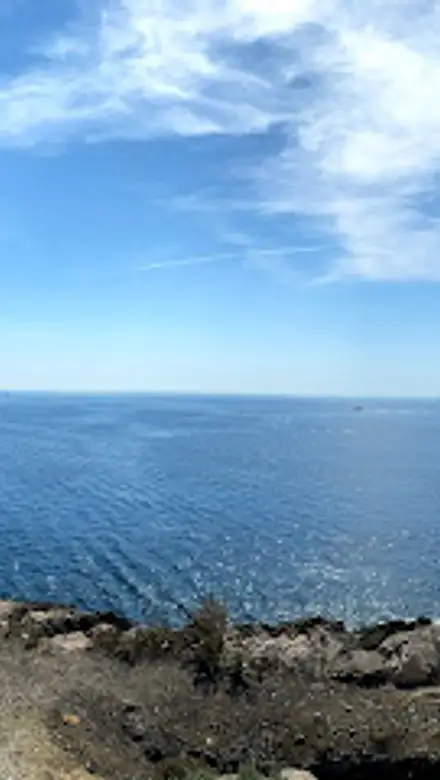
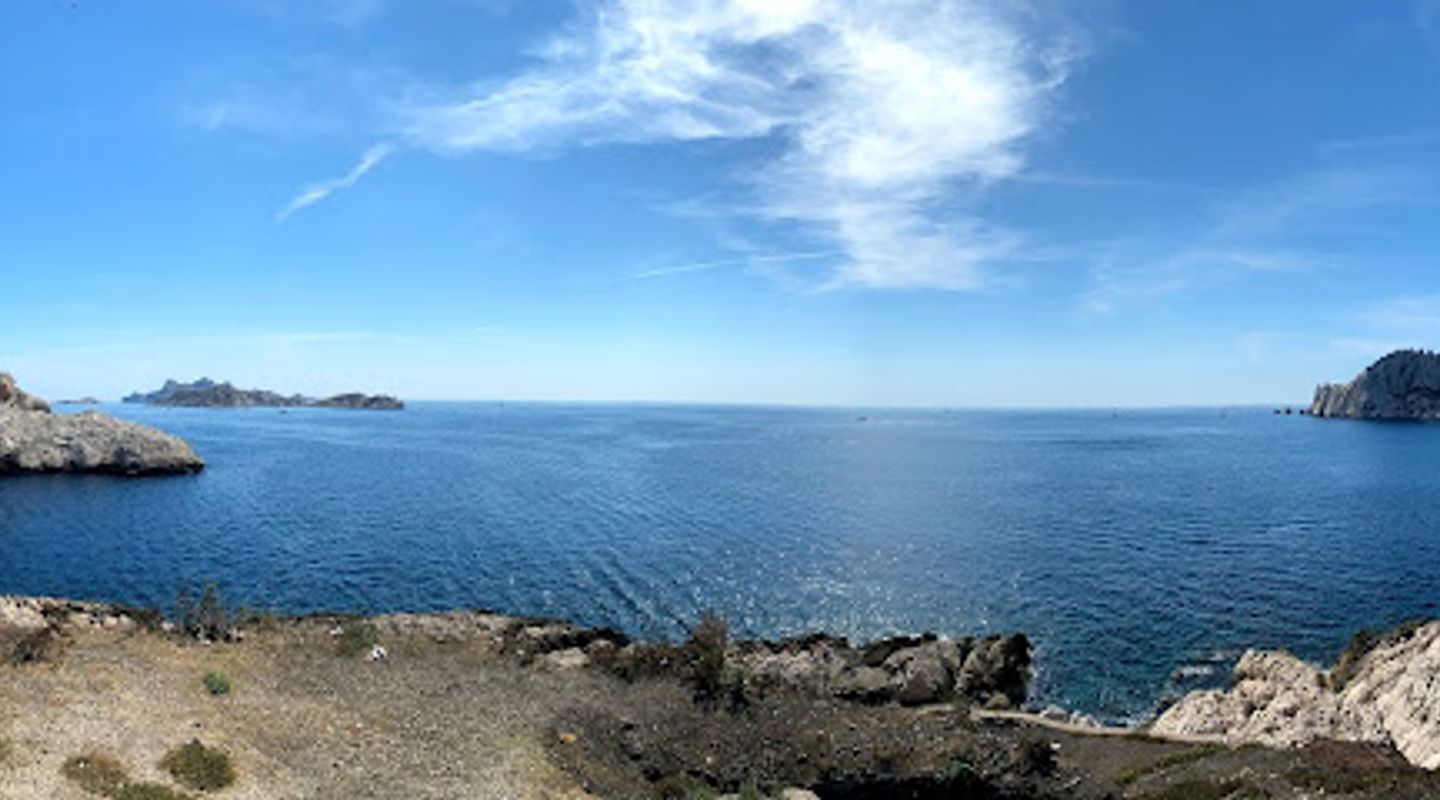
Explore the haunting remnants of the Téléscaphe, a pioneering underwater cable car that briefly graced the Calanque de Callelongue in the late 1960s. Conceived by a former ski champion and an engineer, this ambitious project aimed to offer tourists a unique glimpse into the Mediterranean's depths without getting wet. Though short-lived due to operational challenges, the Téléscaphe captured the public's imagination, even earning a Mondovision broadcast. Today, the weathered ruins of the boarding station and massive, rusting wheels serve as a poignant reminder of this innovative, yet ultimately unsustainable, venture. The site offers stunning coastal views and a tangible connection to Marseille's history of daring innovation, making it a worthwhile stop for history buffs and curious travelers exploring the Calanques National Park. The location is easily accessible and provides a unique photo opportunity.
A brief summary to Vestiges du Téléscaphe
- Marseille, FR
- Click to display

Know before you go
Hi, I'm Eve. Here are a few practical things to know before exploring Vestiges du Téléscaphe.
- Wear sturdy shoes, as the terrain around the vestiges is rocky and uneven, especially if you plan to hike any of the nearby trails.
- Bring water and snacks, as there are limited amenities directly at the site. Stock up in Marseille or Les Goudes before heading to Callelongue.
- Check the access restrictions to the Calanques National Park, especially during the summer months, due to fire risks. Access may be limited or prohibited on certain days.
- Visit early in the morning or late in the afternoon to avoid crowds and enjoy the best lighting for photography. Sunset views from Callelongue are particularly stunning.
- Consider combining your visit with a hike to the nearby Sémaphore de Callelongue for panoramic views or explore the GR 51-98 trail for a longer trek through the Calanques.
Do you manage this location?
Take control to get all the benefits, like improved information, better appearance, and stronger visibility across AI-powered discovery. Learn more about listing your business on Evendo
Activate your presenceOther nearby places you may find interesting
The closest places of the same kind, if this one is not quite what you had in mind.

Explore Vestiges du Téléscaphe on the Map
A handpicked selection of must-see spots near Vestiges du Téléscaphe, mapped for you.
Getting There
-
Public Transport
From central Marseille (e.g., Place Castellane), take bus number 19 to its terminus, Madrague de Montredon. From there, transfer to bus number 20, which will take you directly to Callelongue. The Vestiges du Téléscaphe are a short walk from the Callelongue bus stop, near the waterfront. A single bus fare is approximately €2. The journey takes about 1 hour. Consider purchasing a day pass if you plan to use public transport extensively.
-
Driving
Drive towards the southern coast of Marseille, following signs for Les Goudes. Continue past Les Goudes towards Callelongue. Be aware that the road is narrow and can be congested, especially during peak season. Parking is available at Parking Callelongue haut, but spaces are limited, so arrive early. During certain periods (weekends, holidays, and the summer months from July 1st to August 31st), the road to Callelongue is closed to motorized vehicles between 7 AM and 7 PM. Free parking is available, but it fills up quickly. Consider alternative parking in Les Goudes and walking or taking the bus to Callelongue.
-
Walking
If you are already in Les Goudes, Callelongue is approximately a 15-minute walk. Follow the coastal path from Les Goudes towards the south. The path is well-marked and offers scenic views of the coastline. No costs are associated with walking.
Discover more about Vestiges du Téléscaphe













Your all‑in‑one travel companion app
Explore expert travel guides, compare and book tours, experiences, hotels, and more—all from the palm of your hand. Download now for seamless trip planning wherever your wanderlust takes you.


Explore More of Marseille
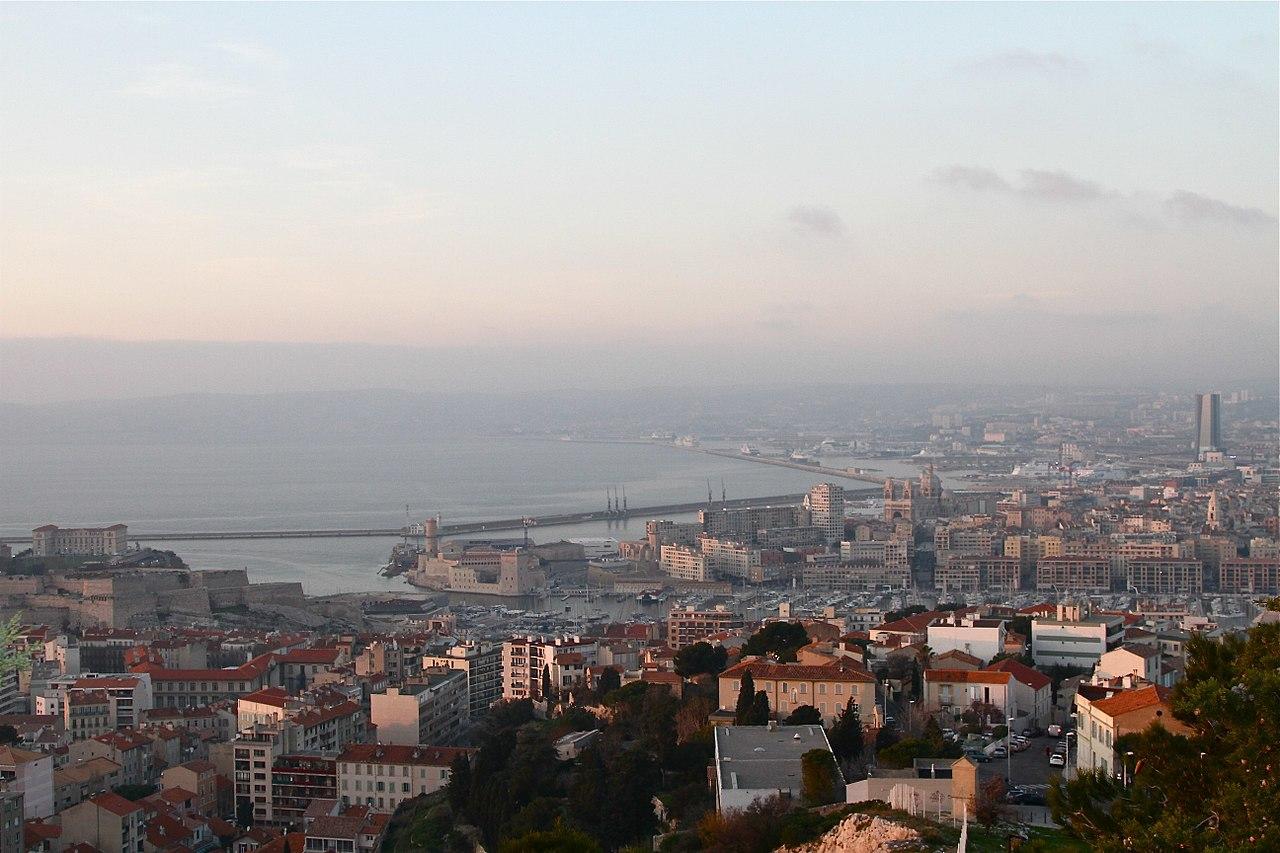
Looking beyond Vestiges du Téléscaphe? Discover Marseille for broader travel guides, local hot-spots, and regional highlights.
Explore Marseille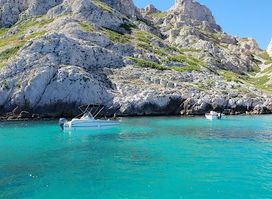
Discover the stunning Île de Riou, a serene island retreat in Marseille with breathtaking views, crystal-clear waters, and endless adventure opportunities.

Discover the unspoiled beauty of Calanque de Callelongue, Marseille's hidden gem, offering breathtaking coastal scenery, hiking trails, and a taste of authentic Provençal charm.