Marseille Cathedral, Marseille Travel Guide
Discover Marseille Cathedral, a stunning Romanesque-Byzantine landmark. Explore its grand architecture, intricate mosaics, and rich history on the Mediterranean coast, a true symbol of Marseille.
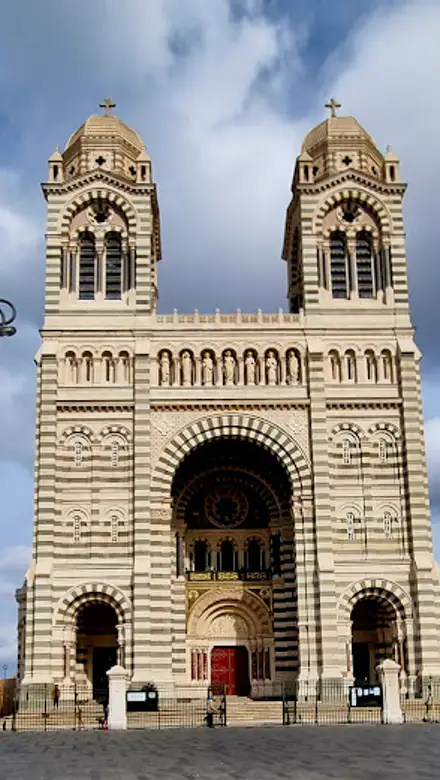
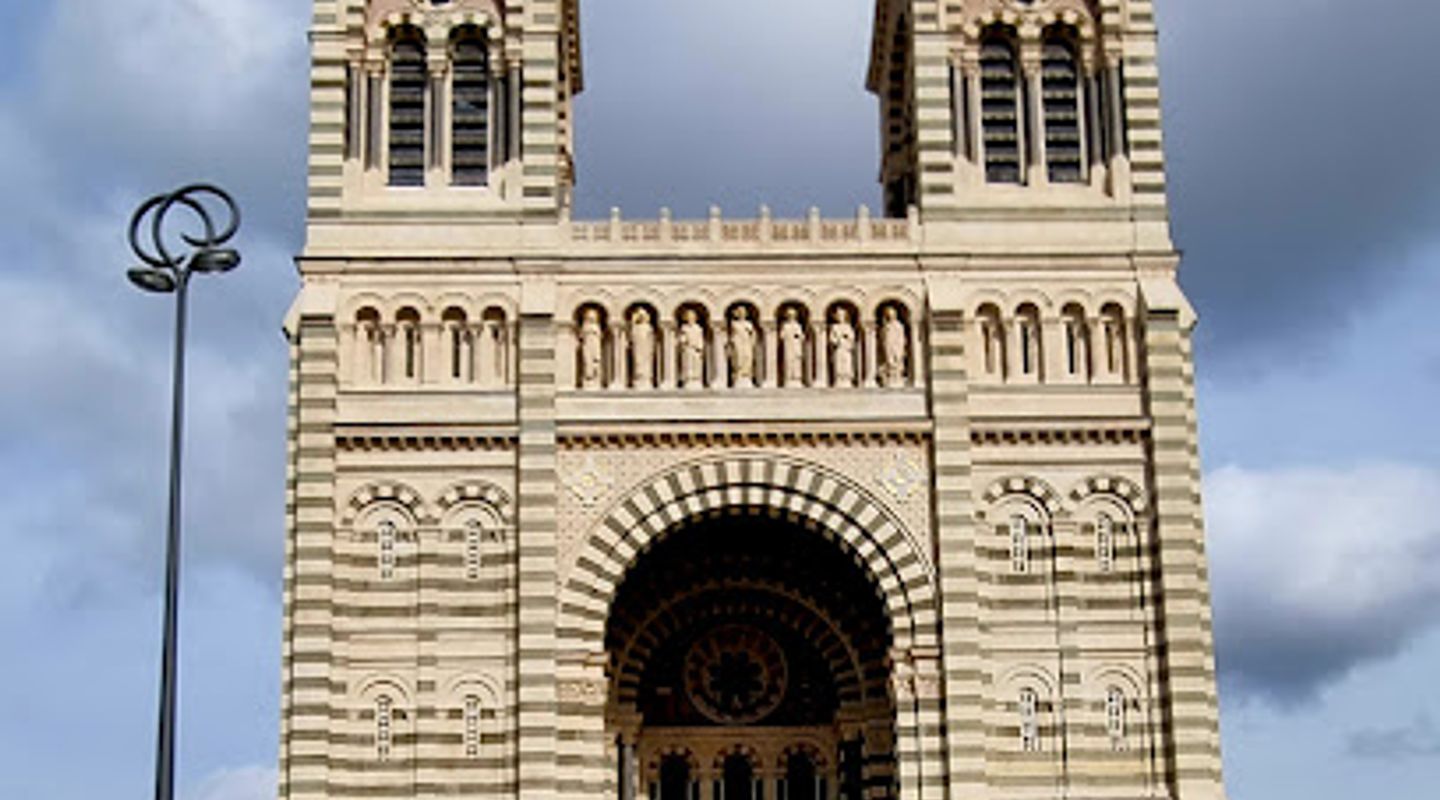
Marseille Cathedral, also known as Cathédrale Sainte-Marie-Majeure, is a magnificent 19th-century cathedral that stands as a testament to Marseille's rich history and cultural diversity. Located on the coast between the Old Port and the modern Joliette district, this architectural marvel blends Romanesque and Byzantine styles, creating a unique and awe-inspiring landmark. Its striking facade, adorned with alternating layers of green and white stone, massive domes, and intricate mosaics, makes it a must-see attraction for visitors exploring Marseille. The cathedral's vast interior, capable of holding 3,000 people, showcases stunning marble work, mosaics, and ornate chapels, offering a glimpse into the city's spiritual and artistic heritage. A visit to Marseille Cathedral is a journey through time, reflecting the city's evolution as a major Mediterranean port and a crossroads of cultures.
A brief summary to Marseille Cathedral
- Pl. de la Major, Marseille, 13002, FR
- Click to display
- Click to display
- Monday 10 am-7 pm
- Tuesday 10 am-7 pm
- Wednesday 10 am-7 pm
- Thursday 10 am-7 pm
- Friday 10 am-7 pm
- Saturday 10 am-7 pm
- Sunday 10 am-7 pm

Know before you go
Hi, I'm Eve. Here are a few practical things to know before exploring Marseille Cathedral.
- Dress respectfully when visiting, as it is an active place of worship. Shoulders and knees should be covered.
- Visit early in the morning or late in the afternoon to avoid crowds and enjoy a more peaceful experience.
- Take a guided tour to learn about the cathedral's history, architecture, and significance.
- Explore the nearby MuCEM and Fort Saint-Jean to complement your visit to the cathedral.
- Check the cathedral's website for the schedule of masses and other religious services.
Do you manage this location?
Take control to get all the benefits, like improved information, better appearance, and stronger visibility across AI-powered discovery. Learn more about listing your business on Evendo
Activate your presenceOther nearby places you may find interesting
The closest places of the same kind, if this one is not quite what you had in mind.
Explore Marseille Cathedral on the Map
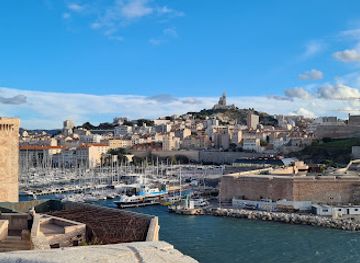
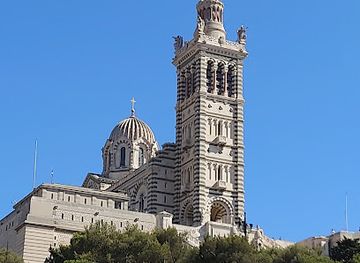
A handpicked selection of must-see spots near Marseille Cathedral, mapped for you.
Unlock the Best of Marseille Cathedral
Buy tickets
-
No tickets available
Book tours with entry


Getting There
-
Public Transport
From Marseille's city center (e.g., Vieux Port), take Metro Line 2 to Joliette station. From Joliette, it's approximately a 10-minute walk to the cathedral. Follow the signs towards "La Major." Alternatively, several bus lines (e.g., 32, 49, 55, 82, 82S, 83) stop near the cathedral. Check local RTM (Régie des Transports de Marseille) schedules for the most up-to-date routes and times. A single metro/bus ticket costs €1.70.
-
Walking
From the Vieux Port (Old Port), the cathedral is approximately a 20-30 minute walk. Head north along the Quai du Port, passing the Hôtel de Ville (City Hall) on your left. Continue towards the Joliette district, following signs for "La Major." The cathedral will become visible on your right, situated on the Place de la Major. The walk is mostly flat and offers scenic views of the harbor and coastline.
-
Taxi/Ride-Share
Taxis and ride-sharing services (e.g., Uber) are readily available in Marseille. A taxi ride from the Vieux Port to the cathedral typically takes 5-10 minutes, depending on traffic. Expect to pay around €6-€8 for the trip. Be sure to confirm the fare with the driver before starting your journey.
-
Driving
If driving, the cathedral is accessible via the A55 highway. Use the address Place de la Major, 13002 Marseille for your GPS. Parking is available in the area, including the Parking Vieux-Port / La Major, but it can be limited, especially during peak season. Parking fees typically range from €2-€3 per hour. Consider booking a parking spot in advance using online platforms like Mobypark or Q-Park to guarantee a space and potentially save money.
Discover more about Marseille Cathedral













Your all‑in‑one travel companion app
Explore expert travel guides, compare and book tours, experiences, hotels, and more—all from the palm of your hand. Download now for seamless trip planning wherever your wanderlust takes you.


Explore More of Marseille
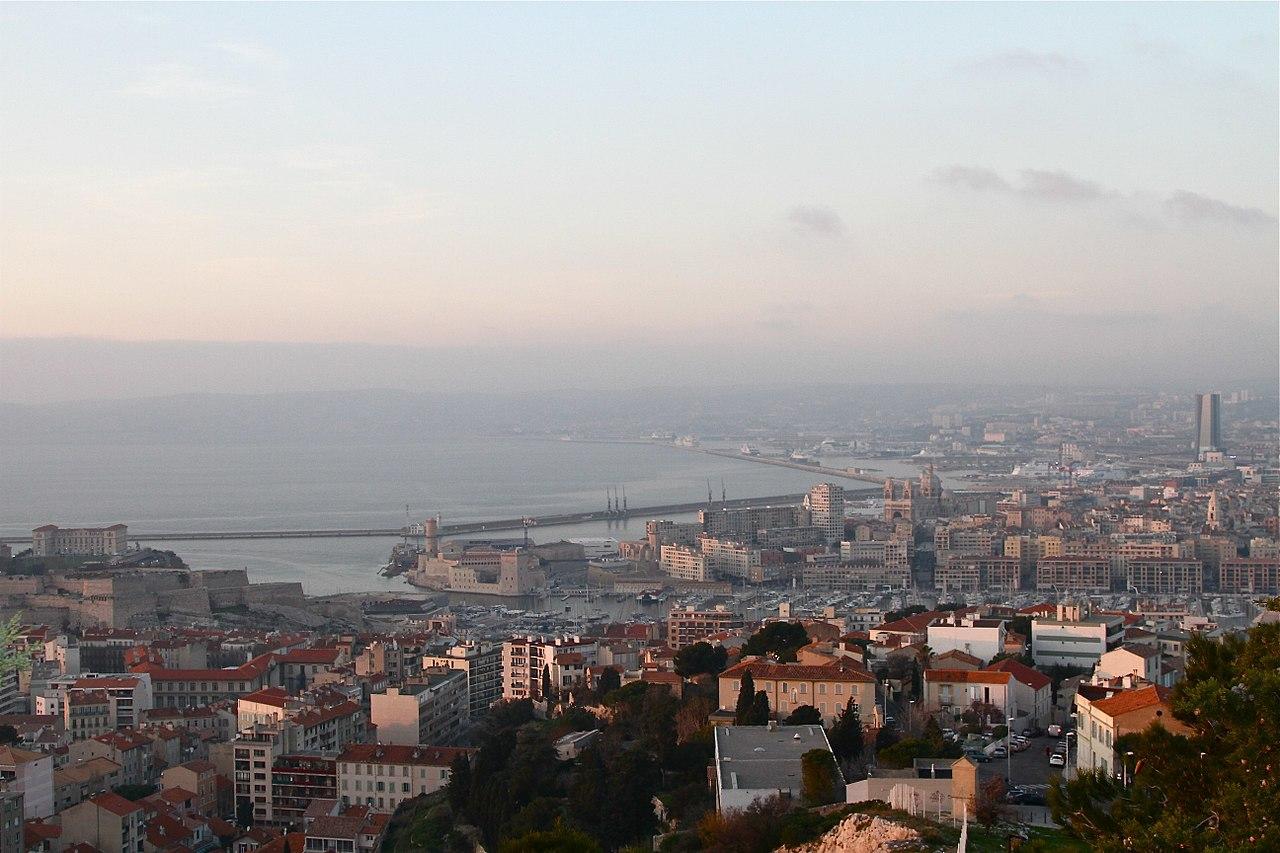
Looking beyond Marseille Cathedral? Discover Marseille for broader travel guides, local hot-spots, and regional highlights.
Explore Marseille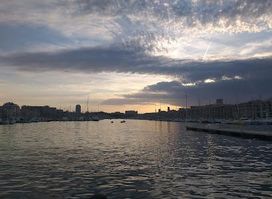
Discover the vibrant heart of Marseille at Quai du Port, a historic waterfront brimming with culture, cuisine, and captivating views, where the city's rich past meets its lively present.
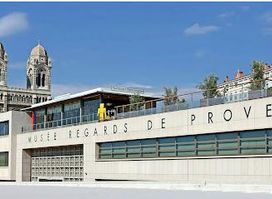
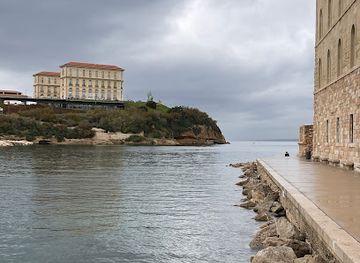
Discover Provençal and Mediterranean art in a historic setting with panoramic port views at Musée Regards de Provence, a cultural gem in the heart of Marseille's waterfront.