Background

Clamouse Cave: A Subterranean Spectacle

Discover the Clamouse Cave, a mesmerizing subterranean world in the Hérault Gorges, featuring stunning concretions, thrilling adventures, and a journey through millions of years of geological history.

4.7

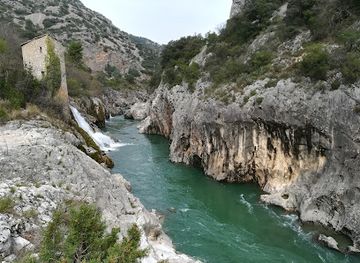
Venture into the heart of the Hérault Gorges and discover the Clamouse Cave, a mesmerizing underground world sculpted over millions of years. Known as the "Cathedral of Time," this geological marvel near Saint-Jean-de-Fos showcases stunning concretions, rare aragonite crystals, and vast galleries illuminated by an eco-friendly LED system. Explore its depths on a guided tour, embark on a thrilling Speleopark adventure, or delve into the cave's history and geology through interactive exhibits. With its breathtaking beauty and diverse activities, Clamouse Cave offers an unforgettable experience for all ages, making it a must-see destination in the Occitanie region. Don't miss the opportunity to witness the "Magnificat poème de Clamouse," a captivating sound and light show within the cave, and enjoy panoramic views of the Hérault Gorges from the terrace.

A brief summary to Clamouse cave

Local tips

  • Wear comfortable shoes and bring a light jacket, as the cave temperature remains a constant 16°C (61°F) year-round.
  • Book your guided tour or Speleopark adventure in advance, especially during peak season, to ensure availability.
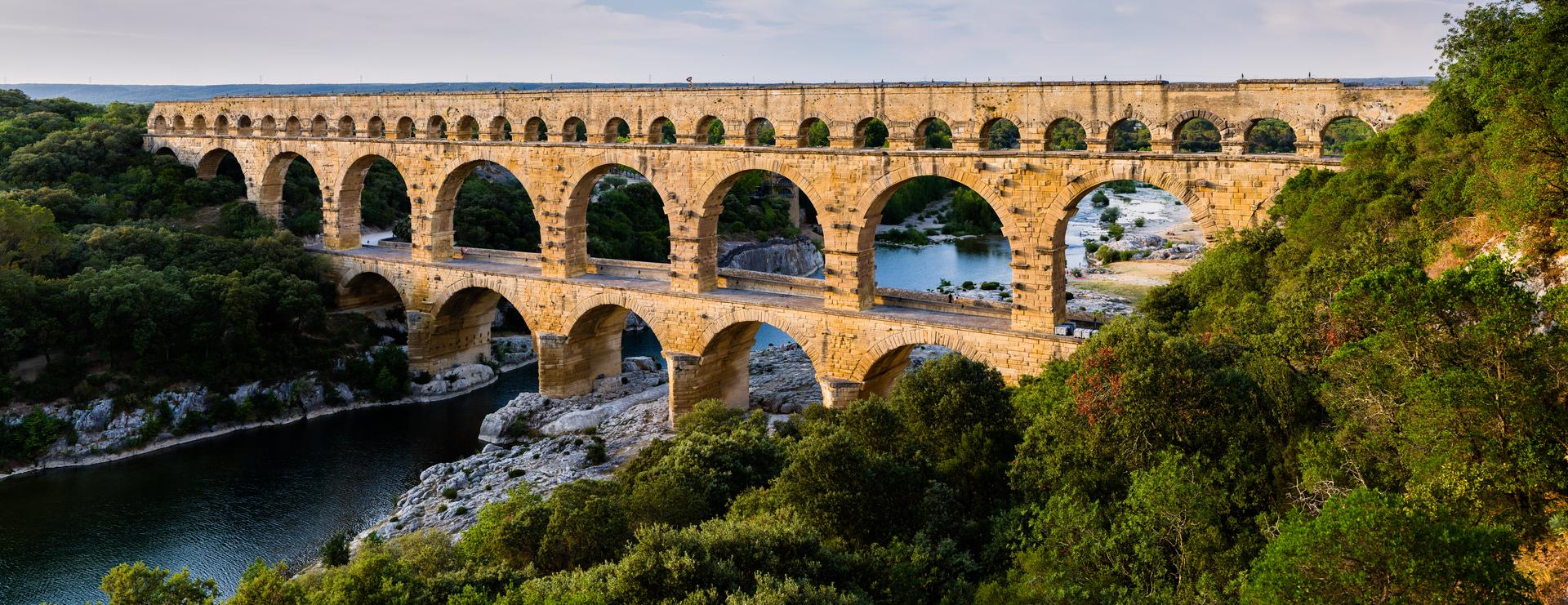
  • Combine your visit to Clamouse Cave with a trip to the nearby Pont du Diable and the medieval village of Saint-Guilhem-le-Désert for a full day of exploration.
  • Arrive early in the morning to avoid crowds and secure parking, especially during the summer months.
  • Check the Hérault Transport website for bus schedules if you plan to use public transportation to reach the cave.
widget icon

Getting There

  • Public Transport

    From Montpellier, take bus line 668 operated by Hérault Transport. The bus stops directly in front of the Clamouse Cave. The journey takes approximately one hour. Check the Hérault Transport website for the most up-to-date schedules. A single bus fare costs approximately €1.60 - €2.

  • Driving

    From Montpellier, take the A750 motorway towards Millau. Exit at Gignac (exit 59) and follow the signs to Saint-Jean-de-Fos. From Gignac, follow D4 to Clamouse Cave. The drive takes approximately 30 minutes. Parking is free for visitors with a ticket to the cave. However, for those not visiting the cave, parking costs €10 per vehicle per day from 10:00 to 19:00. Alternatively, park at the Argileum pottery museum in Saint-Jean-de-Fos (1.7km from the cave) and take the free shuttle to Pont du Diable, which is located near the cave.

  • Taxi/Ride-Share

    From Saint-Jean-de-Fos, a taxi to Clamouse Cave will cost approximately €18-€22 and take around 9 minutes. Ride-sharing services may also be available, but availability can vary. From Montpellier, a taxi to Clamouse Cave will cost approximately €80-€95 and take around 32 minutes.

Unlock the Best of Clamouse cave

Buy tickets

    No tickets available

Book tours with entry

    No tours available

Book tours without entry

    No tours available

Discover more about Clamouse cave

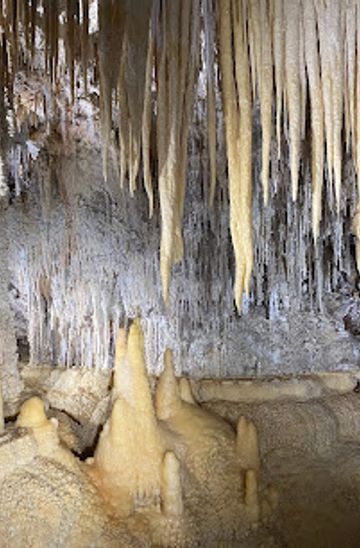
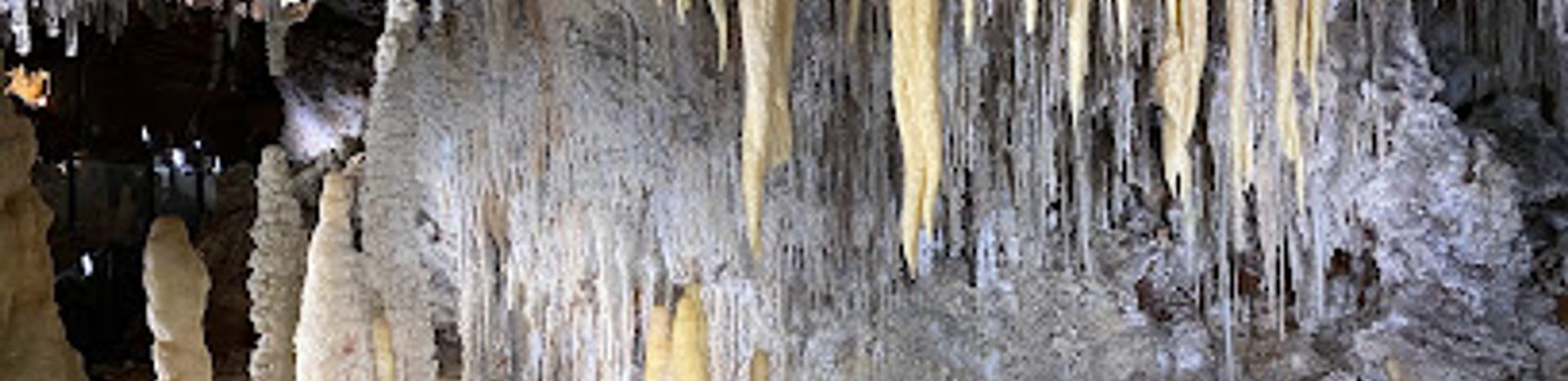
Clamouse Cave, nestled in the picturesque Hérault Gorges near Saint-Jean-de-Fos, is a subterranean wonderland that captivates visitors with its breathtaking beauty and geological significance. Discovered in 1945 by a team of cavers from Montpellier during a period of exceptional drought, this "Cathedral of Time" has since become one of the most studied and celebrated cave systems in France. The cave's history stretches back nearly 5 million years, as the underground river slowly carved its way through the dolomite karst, creating a network of galleries that extends over 17 kilometers. The name "Clamouse" itself is derived from the Latin "Fons Clamosis," meaning "howler," a reference to the resounding noise of water resurgence within the cave system. The Clamouse Cave is renowned for its exceptional concretions, including stalactites, stalagmites, and rare aragonite crystals. These formations, sculpted by the slow and patient work of water and time, adorn the cave's galleries in a dazzling array of shapes and sizes. The White Corridor, one of the most famous sections, is distinguished by its aragonite crystals, while other concretions bear evocative names like the Jellyfish, the Organ, and the Cemetery Buffet. The cave is divided into three distinct levels, each reflecting a different stage in the region's geological history. The upper level, the oldest and richest in formations, features vast chambers adorned with intricate concretions. The intermediate level encompasses the area between the Sand Room and the Dining Room, while the lower level, known as the Labyrinth, is subject to flooding and exhibits a unique, lace-like texture due to the corrosive action of water. In 2005, the Clamouse Cave was recognized for its scientific and scenic value by the Ministry of Ecology. The cave's management is overseen by a group of passionate speleologists and scientists who are committed to preserving its natural beauty and promoting its educational potential. The cave is equipped with a low-energy LED lighting system, the first of its kind in a European tourist cave, which enhances the visitor experience while minimizing environmental impact. Visitors to Clamouse Cave can choose from a variety of activities to suit their interests and abilities. The guided tour, which lasts approximately 1 hour and 20 minutes, takes visitors through 900 meters of the cave's most spectacular galleries. Knowledgeable guides share insights into the cave's history, geology, and the unique formations that adorn its depths. Audio guides are available in multiple languages, including English, German, Spanish, and Italian. For those seeking a more adventurous experience, the Speleopark offers a thrilling opportunity to explore the cave in a unique and engaging way. This "accrobranche"-style course, the first of its kind in France, allows visitors to navigate the cave using zip lines, suspension bridges, and other climbing elements, all under the supervision of qualified instructors. Two Speleopark courses are available, catering to different age groups and skill levels. In addition to its natural wonders, Clamouse Cave also offers a range of services and amenities to enhance the visitor experience. A picnic area, nature trail, snack bar with panoramic terrace, shop, and playground are all available on-site. A digital tool provides a virtual tour of the cave for visitors with disabilities, and audio guides are available for the hearing impaired. The Clamouse Cave is more than just a tourist attraction; it is a living laboratory where scientists continue to study the cave's geology, hydrology, and unique ecosystem. The cave has been the site of numerous scientific experiments, including Michel Siffre's "Out of Time" experiment in 2000, in which the French scientist spent several weeks in the cave to study the effects of isolation on the human body. Beyond the cave itself, the surrounding area offers a wealth of attractions and activities. The nearby Pont du Diable (Devil's Bridge), a UNESCO World Heritage Site, is a stunning example of medieval architecture and a popular spot for swimming and picnicking. The charming village of Saint-Guilhem-le-Désert, also a UNESCO World Heritage Site, is renowned for its medieval abbey and picturesque streets. Whether you are a seasoned caver, a nature enthusiast, or simply looking for a unique and memorable experience, Clamouse Cave is sure to leave you spellbound. Its breathtaking beauty, geological significance, and diverse activities make it a must-see destination in the Hérault Gorges.

Popular Experiences near Clamouse cave

Popular Hotels near Clamouse cave

Select Currency