

Stalin Museum, Gori Travel Guide
Free Guide: Explore the life and legacy of Joseph Stalin at his birthplace in Gori, Georgia.


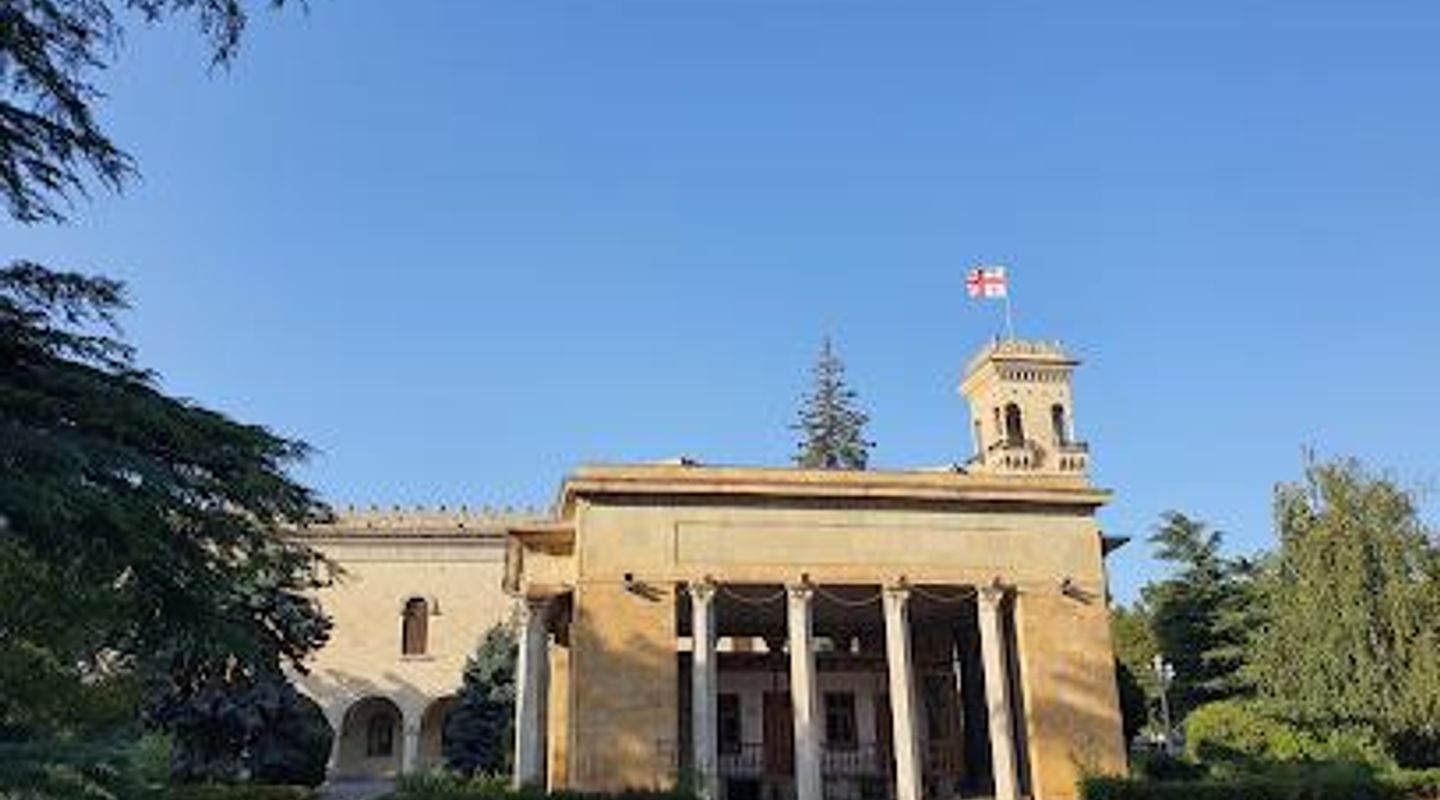
A brief summary of Stalin Museum
Explore the life and legacy of Joseph Stalin at his birthplace in Gori, Georgia.
The Stalin Museum in Gori, Georgia, is dedicated to the life of Joseph Stalin, the Soviet leader born in the city. The museum complex includes Stalin's birthplace, a grand Stalinist-Gothic building housing exhibits, and his personal railway carriage, offering a glimpse into his life and legacy.
Opening hours
- Every day10 am–5 pm
Opening hours as listed on the venue’s Google Business Profile. Hours can change for services and special events, so check with the venue before you go.
- Address
- 32 Stalin Ave, Gori
- Phone
Getting there
Walking
Public Transport
Taxi
Discover more about Stalin Museum
Overview
The Stalin Museum in Gori presents a complex and often controversial look at the life and legacy of Joseph Stalin. Born Ioseb Jughashvili in Gori in 1878, Stalin rose to become one of the most influential and controversial figures of the 20th century.The museum complex, opened in 1957, comprises three main sections: Stalin's birthplace, a small wooden hut preserved within a Greco-Italianate pavilion; a grand Stalinist-Gothic style building that serves as the main museum; and Stalin's personal railway carriage.The main museum building showcases exhibits across six halls, arranged chronologically, featuring artifacts owned or allegedly owned by Stalin. These include his office furniture, personal effects, and gifts received throughout his life. The exhibits also incorporate documentation, photographs, paintings, and newspaper articles. The museum also features a somber display of Stalin's death mask. A separate room is dedicated to the period of repressions.Outside, visitors can view the modest wooden house where Stalin was born and spent his early years, preserved within an elaborate pavilion. Additionally, Stalin's personal railway carriage, used for his travels to Tehran, Yalta, and Potsdam, is on display, offering a glimpse into his travel habits and personal space.The museum has faced controversy due to its perceived glorification of Stalin and its lack of critical examination of his regime's atrocities. While some find it a valuable historical resource, others criticize it as Soviet propaganda.
Evendo Review Centre
 Google
Guest reviews
Explore Stalin Museum on the map
A handpicked selection of must-see spots near Stalin Museum, mapped for you.
Get your free copy of our complete guide to Stalin Museum, delivered straight to you.
Everything on this page, from opening hours and how to get there to Eve’s tips and the best time to go, in one PDF you can read offline, print or share.
Already have an account? Sign in
Your Stalin Museum guide is ready.
We'll send it to · Not you? Sign out

Getting your guide ready…
We are putting together a fresh copy of the Stalin Museum guide. This can take up to a minute.
This can take a few moments. If your browser asks, choose Allow so the download can start. You'll find the guide in your Downloads folder.
Nothing happened? Download it again
Sorry, the guide is taking longer than usual. Please try again in a minute, or get it by email instead.
Unlock the best of Stalin Museum
Skip-the-line tickets, guided tours with entry, and walking tours of the area, booked in a few clicks.
 Tour with entry
Mtskheta and Jvari Gori Uplistsikhe with Georgian Travel Guide
from $14.25 Tour with entry
Uplistsikhe Cave Town Day Tour From Tbilisi
from $20.28 Tour with entry
Full Day Tour of Georgia in Jvari, Mtskheta, Gori and Uplistsikhe
from $26.68 Tour with entry
Full Day Tour Jvari, Mtskheta, Gori, Uplistsikhe with Licensed Guide
from $28.50



Other nearby places you may find interesting
The closest places of the same kind, if this one is not quite what you had in mind.
-
-
-
-
-


Swipe for more places
More to explore near Stalin Museum

 Best experiences near Stalin Museum
 Best hotels near Stalin Museum
 Best landmarks near Stalin Museum
 Best attractions near Stalin Museum
 Best shops near Stalin Museum
 Best restaurants near Stalin Museum
 Best bars near Stalin Museum
Do you manage this location?
Take control to get all the benefits, like improved information, better appearance, and stronger visibility across AI-powered discovery.
Explore more

Explore more of Gori
Discover Gori, Georgia - a city rich in history, from ancient cave towns to Soviet landmarks, and indulge in its vibrant culture and exquisite cuisine.
Explore Gori
Explore more of Georgia
Discover Georgia: A vibrant mix of ancient history, stunning landscapes, and warm hospitality at the crossroads of Europe and Asia.
Explore Georgia
