Pompeus Bridge, Kvemo Kartli Travel Guide
Explore the submerged ruins of Pompeus Bridge in Mtskheta, a historical landmark dating back to the Roman Empire and a UNESCO World Heritage Site.
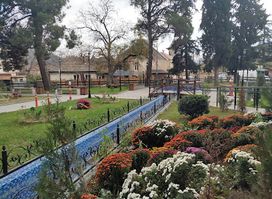
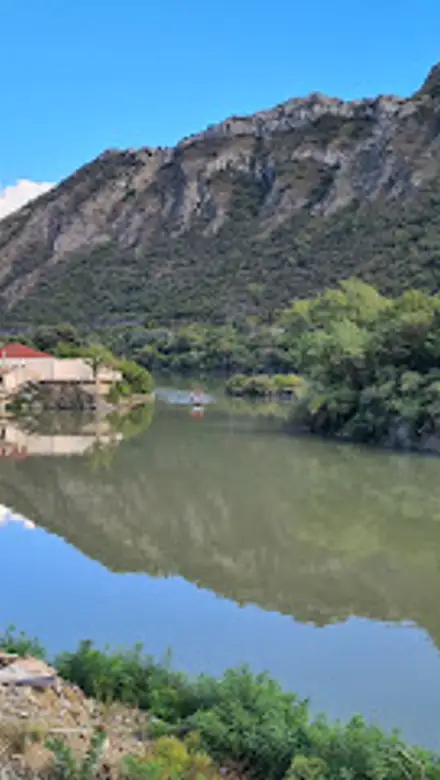
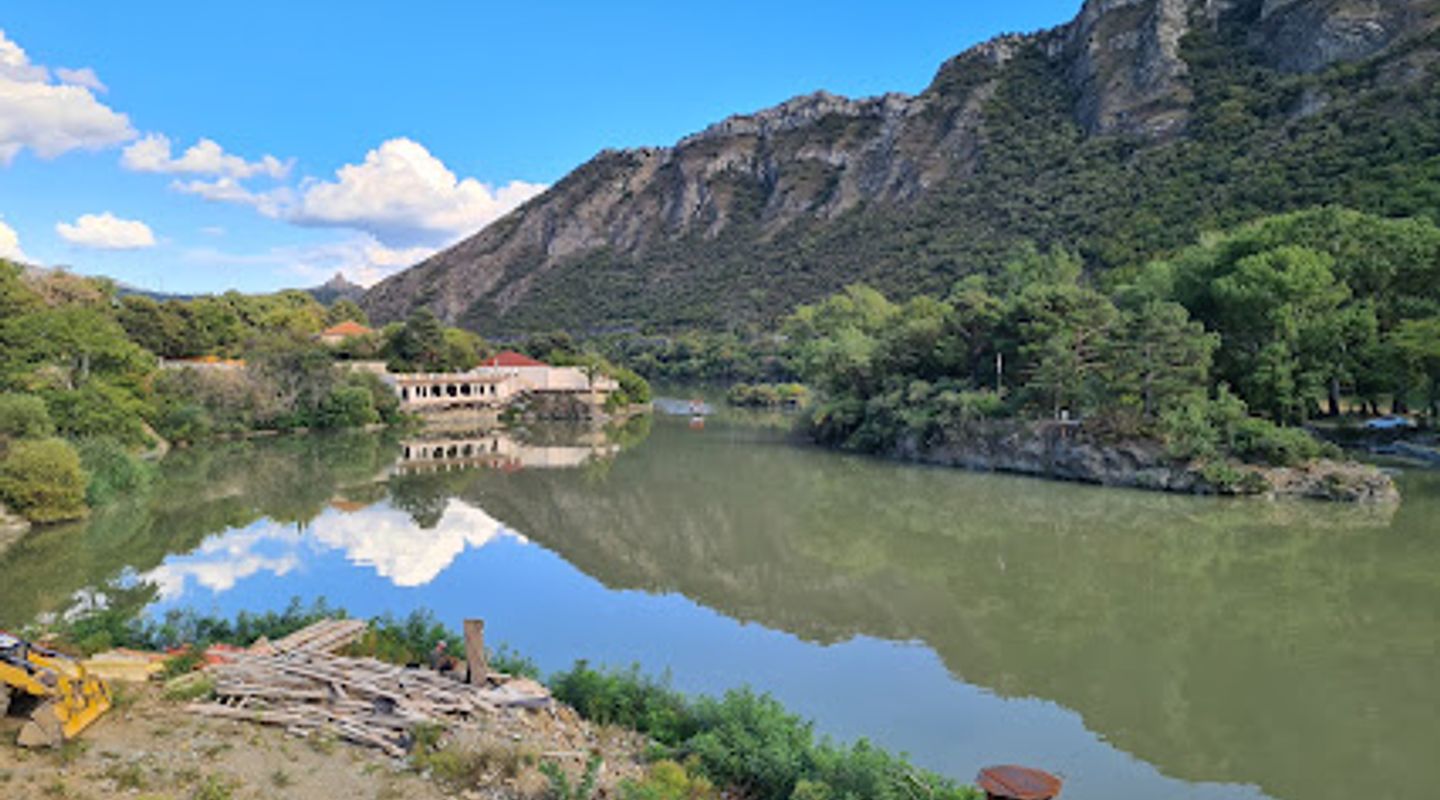
Pompeus Bridge in Mtskheta offers a unique opportunity to witness the remains of a Roman-era bridge, a silent testament to the region's rich history and strategic importance. Though partially submerged, its visible fragments evoke the grandeur of ancient engineering and the passage of countless travelers and armies.
A brief summary to Pompeus Bridge
- RPQ4+HF7, Mtskheta, GE

Know before you go
Hi, I'm Eve. Here are a few practical things to know before exploring Pompeus Bridge.
- Visit early in the morning or late afternoon for the best lighting for photography.
- Wear comfortable shoes as the surrounding area has uneven terrain.
- Take the time to explore nearby historical sites like Svetitskhoveli Cathedral and Jvari Monastery for a fuller experience of Mtskheta's heritage.
- Check local weather conditions in advance to ensure a pleasant visit.
Do you manage this location?
Take control to get all the benefits, like improved information, better appearance, and stronger visibility across AI-powered discovery. Learn more about listing your business on Evendo
Activate your presenceOther nearby places you may find interesting
The closest places of the same kind, if this one is not quite what you had in mind.
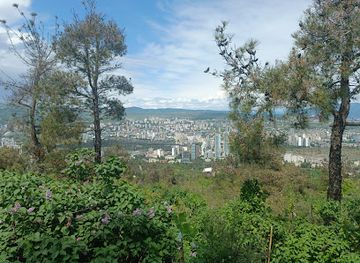
Explore Pompeus Bridge on the Map
A handpicked selection of must-see spots near Pompeus Bridge, mapped for you.
Getting There
-
Walking
From Shota Rustaveli Square in Mtskheta's city center, head southeast towards the main road (A1). Walk along A1 for approximately 600 meters until you reach the intersection with King Mirian Street. Turn right onto King Mirian Street and continue for 300 meters. At the T-junction, turn left onto Kheivani Street. Follow Kheivani Street for 400 meters, where you will see signs leading towards Pompeus Bridge near the confluence of the Aragvi and Mtkvari rivers. The bridge is a short walk from the riverbank.
-
Public Transport
From Mtskheta bus station near the main square, take a minibus (marshrutka) heading towards Jvari village. Ask the driver to stop at Pompeus Bridge. The ride takes 10-15 minutes. From the bus stop, walk towards the river and follow signs to Pompeus Bridge, about a 10-minute walk. The cost of the marshrutka is approximately 1-2 GEL.
-
Taxi
From anywhere in Mtskheta, a taxi can take you to Pompeus Bridge. Negotiate the fare beforehand, but expect to pay around 5-10 GEL for a short trip within the city. Ride-sharing apps like Bolt are also available.
Discover more about Pompeus Bridge













Your all‑in‑one travel companion app
Explore expert travel guides, compare and book tours, experiences, hotels, and more—all from the palm of your hand. Download now for seamless trip planning wherever your wanderlust takes you.


Explore More of Kvemo Kartli
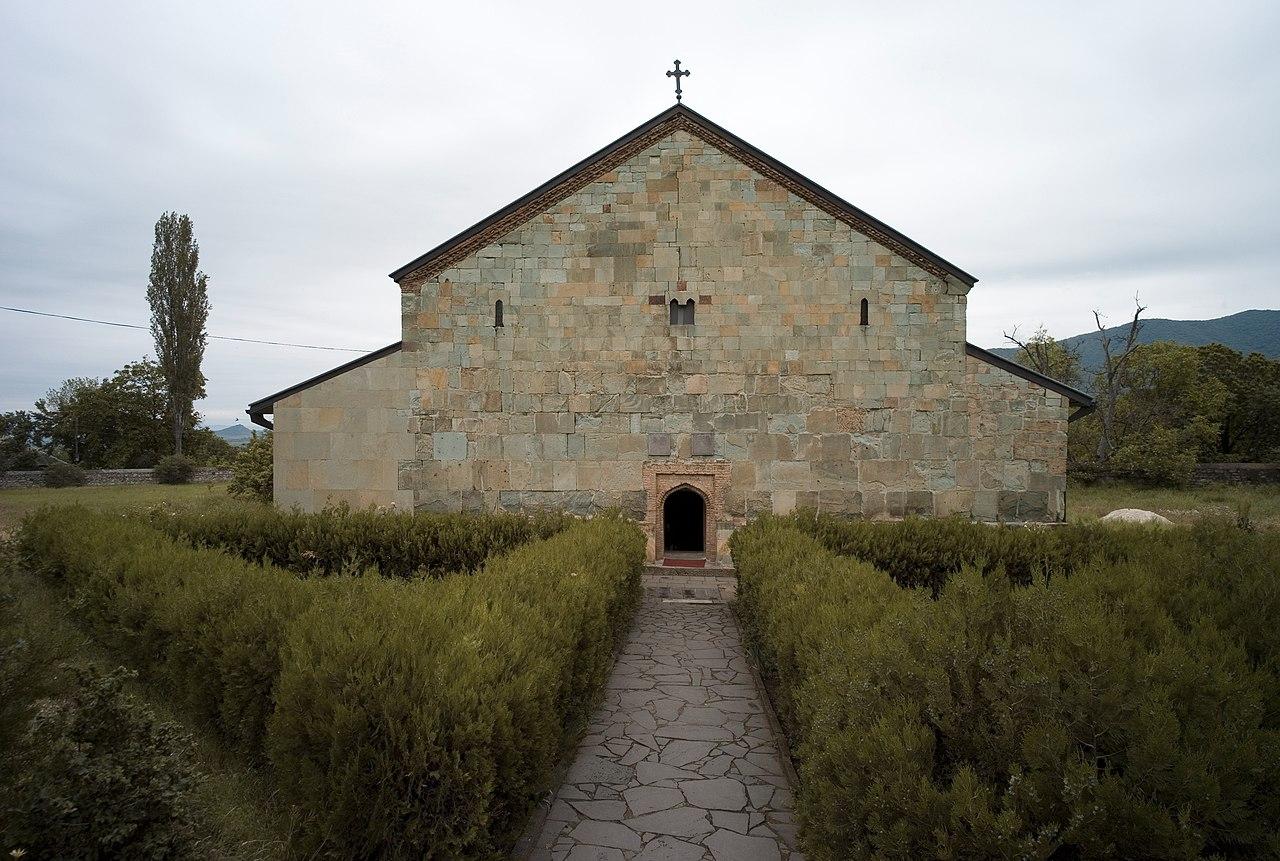
Looking beyond Pompeus Bridge? Discover Kvemo Kartli for broader travel guides, local hot-spots, and regional highlights.
Explore Kvemo Kartli