

Free Kvemo Kartli Travel Guide & Mobile App
Explore Kvemo Kartli with free travel guides. Discover regional history, expert tips, proposed trips, and audio guides on web or mobile app.


Explore Kvemo Kartli for Dmanisi archaeology, medieval churches, multicultural markets, volcanic landscapes and the industrial heritage of Rustavi.
Read more about Kvemo Kartli
When is the best time to visit Kvemo Kartli?
Best: June, August–September · 25–29°C| Month | High (°C) | Rainfall (mm) |
|---|---|---|
| January | 5 | 31 |
| February | 7 | 29 |
| March | 13 | 33 |
| April | 18 | 43 |
| May | 23 | 51 |
| June (best) | 26 | 43 |
| July | 29 | 30 |
| August (best) | 29 | 28 |
| September (best) | 25 | 38 |
| October | 18 | 39 |
| November | 12 | 35 |
| December | 5 | 33 |
Getting to and around Kvemo Kartli
How to get there
Transportation
Top city travel guides in Kvemo Kartli
The cities of Kvemo Kartli, and the easiest places to base yourself.
-

-

-

-

-

-


Swipe for more cities
Destinations in Kvemo Kartli
Resorts, valleys and scenic spots worth a trip of their own.

Swipe for more destinations
Best attractions in Kvemo Kartli
Kvemo Kartli’s attractions span deep prehistory, medieval architecture, industrial history and striking volcanic landscapes. The Dmanisi archaeological site is the region’s internationally important centrepiece, presenting evidence of early human movement into Eurasia alongside the remains of a medieval settlement. Bolnisi Sioni offers a markedly different encounter through its early Christian architecture and inscriptions, while the ruins of Samshvilde and Birtvisi place fortresses within rugged ravines and rocky highlands. Around Tetritskaro, the Algeti area provides forested walking country, and near Tsalka the Dashbashi Canyon attracts visitors with cliffs, waterfalls and the dramatic Khrami valley. Rustavi contributes museums, civic spaces and an industrial urban landscape shaped by twentieth-century steel production. Marneuli and Bolnisi add living cultural interest through markets, agriculture and diverse communities. These experiences are dispersed, so the region is better explored through several short excursions than through a single concentrated sightseeing circuit.
-
City park
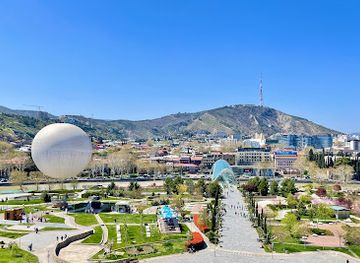
Rike Park
Discover Rike Park in Tbilisi: a modern recreational space with stunning views, unique architecture, and a gateway to the city's attractions.
-
Thermal baths
Sulfur Baths
Experience Tbilisi's historic sulfur baths in Abanotubani, a unique cultural and therapeutic tradition dating back to the city's founding.
-
Produce market
Dezerter Bazaar
Experience the vibrant flavors and authentic culture of Tbilisi at Dezerter Bazaar, a historic marketplace brimming with local produce and delights.
-
Cathedral
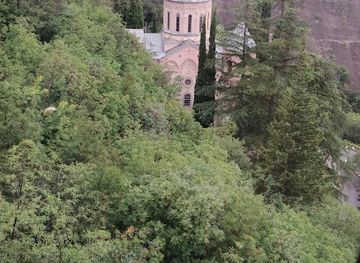
Zion Cathedral of the Dormition of Tbilisi
Discover Tbilisi's spiritual heart at the Sioni Cathedral, a historic landmark with stunning architecture and sacred relics.

Best landmarks in Kvemo Kartli
Bolnisi Sioni is Kvemo Kartli’s defining architectural landmark: the fifth-century church is noted for its early Georgian inscription and restrained stone design, making it important to both religious and linguistic history. The ruined settlement of Samshvilde occupies a powerful natural position between gorges, where fragments of churches, walls and fortifications convey the scale of a former medieval centre. Birtvisi is another memorable defensive landscape, with weathered towers and walls set among steep rock formations rather than on a conventional urban hill. Dmanisi combines an archaeological settlement with a site of global palaeoanthropological importance, linking medieval remains to evidence of early human occupation. In the modern landscape, Rustavi’s industrial skyline and planned urban form stand as a landmark of Soviet Georgia’s steel-making ambitions. Farther west, Dashbashi Canyon and the Khrami valley provide natural landmarks whose cliffs, ravines and waterfalls contrast sharply with the open agricultural plains around Marneuli and Rustavi.
-
 Tourist attraction
Liberty square
Discover the vibrant heart of Tbilisi at Liberty Square, a symbol of Georgian freedom and a gateway to cultural exploration.
-
Historical landmark
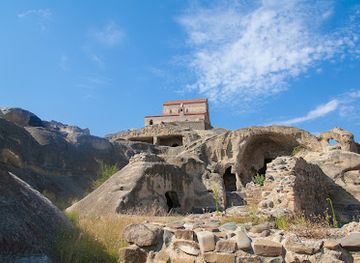
Uplistsikhe
Discover the ancient rock-hewn town of Uplistsikhe in Georgia, a fascinating historical landmark showcasing centuries of culture and breathtaking views.
-
Tourist attraction
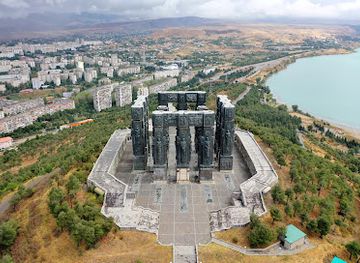
Chronicles of Georgia
Explore the Chronicles of Georgia and immerse yourself in a vivid narrative of Georgian history through stunning art and monumental sculptures.
-
Monument
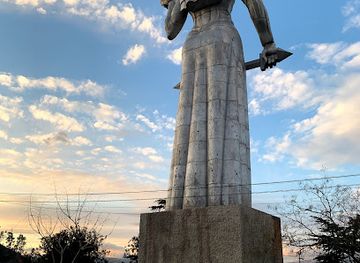
Mother of Georgia
Discover the Mother of Georgia, a majestic monument symbolizing hospitality and strength, offering breathtaking views of Tbilisi and rich cultural history.
Explore Kvemo Kartli on the map
Plan your trip on one map. See where the top cities, national parks and sights are, and book hotels and experiences in a few clicks.
Best hotels in Kvemo Kartli
Best restaurants in Kvemo Kartli
Dining in Kvemo Kartli reflects both Georgia’s broad culinary traditions and the region’s multicultural population. Rustavi and the larger towns offer familiar Georgian dishes such as khinkali, khachapuri, lobio, grilled meats and seasonal salads, while village and market food introduces breads, pastries and savoury preparations associated with Azerbaijani communities. Marneuli’s agricultural hinterland supplies abundant herbs, vegetables and fruit, and local markets are useful places to see the produce that shapes everyday cooking. Bolnisi’s historical association with German settlers adds interest to the area’s agricultural and wine-making story, although local wine culture sits within Georgia’s wider traditions rather than belonging solely to the region. Expect cafés, family-run eateries, bakeries and straightforward restaurants more often than a concentrated fine-dining scene. Menus and service may be less formal outside the main towns, and cash is sensible for market food, roadside stops and small village establishments.
-
Georgian
Shavi Lomi
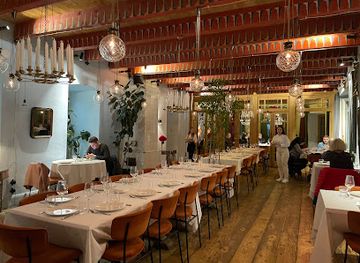
Discover the flavors of Georgia at Shavi Lomi - where tradition meets taste in Tbilisi's heart.
-
Hotel
Hotels & Preference Hualing Tbilisi
Discover luxury and comfort at Hotels & Preference Hualing Tbilisi with stunning views and exceptional service in Georgia's capital.
-
Georgian
Keto & Kote
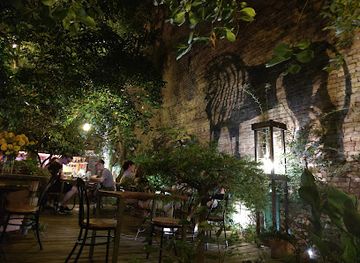
Experience the rich flavors of Georgian cuisine at Keto & Kote in Old Tbilisi - where tradition meets modern dining.
-
Georgian
Georgian cuisine Magnolia
Discover authentic Georgian flavors at Georgian cuisine Magnolia in Kutaisi - a culinary journey through traditional dishes and warm hospitality.

Best bars in Kvemo Kartli
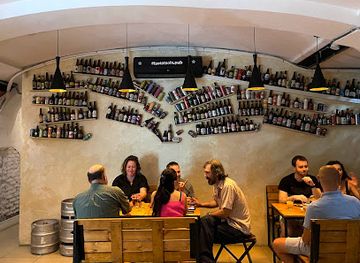
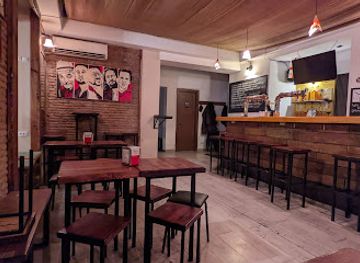
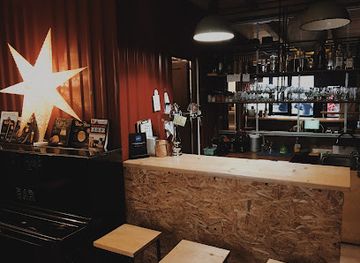
Evening life in Kvemo Kartli is centred more on restaurants, cafés, family gatherings and traditional Georgian taverns than on a large club circuit. Rustavi has the region’s broadest urban choice, with casual bars and places to eat, while smaller towns such as Bolnisi and Marneuli generally become quiet earlier and offer a more local social atmosphere. Georgian wine, beer and chacha may appear alongside tea, coffee and soft drinks, but alcohol is not the sole focus of the region’s evening culture. In rural districts, evenings are best combined with a meal or a walk through a town centre rather than planned around late-night venues. Visitors should expect opening arrangements and entertainment schedules to change, particularly away from Rustavi, and should confirm details locally rather than rely on old listings.
-
Hotel
Hotels & Preference Hualing Tbilisi
Experience the epitome of luxury at Hotels & Preference Hualing Tbilisi, where comfort meets stunning views of Tbilisi Sea.
-
Pub
Tsota Tsota Craft Beer Pub
Discover Tbilisi's craft beer haven at Tsota Tsota Pub, where flavor meets atmosphere for an unforgettable experience.
-
Bar
Black Dog Bar
Discover the energetic charm of Black Dog Bar, a lively spot in Old Tbilisi, offering a great selection of drinks and a welcoming atmosphere.
-
Bar
Sma Craft Beer Bar
Experience the vibrant atmosphere and unique craft beers at Sma Craft Beer Bar, a top gastropub in the heart of Tbilisi's Old Town.
Best nightclubs in Kvemo Kartli
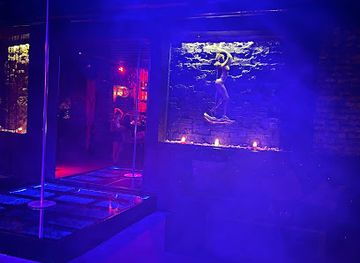
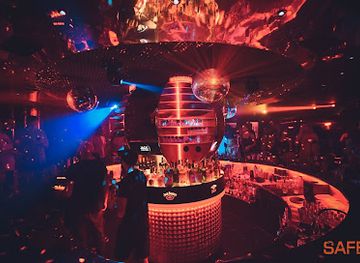
Evening life in Kvemo Kartli is centred more on restaurants, cafés, family gatherings and traditional Georgian taverns than on a large club circuit. Rustavi has the region’s broadest urban choice, with casual bars and places to eat, while smaller towns such as Bolnisi and Marneuli generally become quiet earlier and offer a more local social atmosphere. Georgian wine, beer and chacha may appear alongside tea, coffee and soft drinks, but alcohol is not the sole focus of the region’s evening culture. In rural districts, evenings are best combined with a meal or a walk through a town centre rather than planned around late-night venues. Visitors should expect opening arrangements and entertainment schedules to change, particularly away from Rustavi, and should confirm details locally rather than rely on old listings.
-
Adult entertainment club
Night Life
Experience the pulse of Tbilisi's nightlife at this vibrant adult entertainment club, where music, dance, and fun collide in an unforgettable night out.
-
Night club
Night Office
Experience the vibrant nightlife of Old Tbilisi at Night Office, where music, dance, and culture come together in an unforgettable atmosphere.
-
Night club
Safe Night Club
Dive into Tbilisi's nightlife at Safe Night Club, where music and dance create unforgettable experiences in the heart of the city.
-
Night club
Mtkvarze
Discover the electrifying nightlife of Tbilisi at Mtkvarze, where music, dancing, and unforgettable memories await.

Best shops in Kvemo Kartli
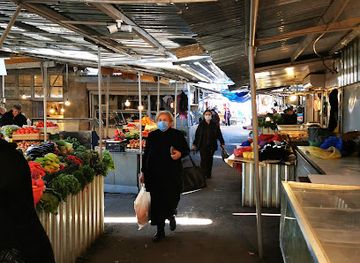
Shopping in Kvemo Kartli is generally practical and local rather than luxury-oriented. Rustavi offers the region’s widest selection of everyday shops, supermarkets and services, while Marneuli is particularly associated with agricultural commerce and busy markets where visitors can find fruit, vegetables, herbs, bread, dairy products and prepared foods. Bolnisi has a smaller-town high-street character, with local businesses and food products rather than extensive retail development. Regional purchases may include churchkhela, preserves, honey, dried fruit, Georgian wine and handmade textiles or ceramics, although availability varies by season and producer. Markets are useful for observing the region’s Georgian and Azerbaijani culinary cultures, but ask before photographing sellers or people. For quality crafts and a wider choice of Georgian souvenirs, Tbilisi remains the more dependable nearby shopping centre outside the region.
-
Shopping mall
Lilo Mall
Explore Lilo Mall in Tbilisi: your ultimate shopping destination combining retail, dining, and entertainment in one vibrant location.
-
Shopping mall
Karvasla
Explore Karvasla, a dynamic shopping mall in Tbilisi, blending local and international brands with delightful dining experiences.
-
Market
Samgori Bazaar
Explore the bustling Samgori Bazaar in Tbilisi, where fresh produce, local delicacies, and vibrant culture come together in a unique market experience.
-
Shopping mall
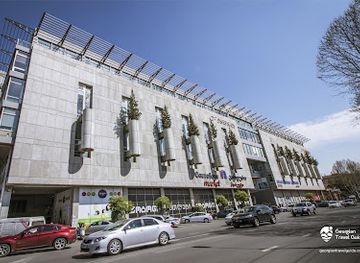
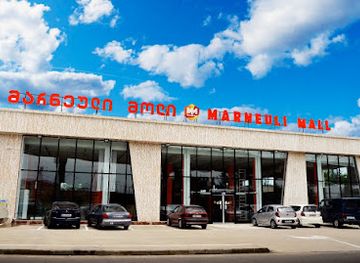
Marneuli Mall
Explore Marneuli Mall, a vibrant shopping destination filled with local culture, dining, and entertainment for an unforgettable experience.

Get your free copy of our complete guide to Kvemo Kartli, delivered straight to you.
Everything on this page, from attractions and restaurants to essentials and local phrases, in one PDF you can read offline, print or share.
Already have an account? Sign in
Your Kvemo Kartli guide is ready.
We'll send it to · Not you? Sign out

Getting your guide ready…
We are putting together a fresh copy of the Kvemo Kartli guide. This can take up to a minute.
This can take a few moments. If your browser asks, choose Allow so the download can start. You'll find the guide in your Downloads folder.
Nothing happened? Download it again
Sorry, the guide is taking longer than usual. Please try again in a minute, or get it by email instead.
Kvemo Kartli essentials
Currency and Payment
Safety
Emergency Situations
Do's and Don'ts
Local Tips
From Eve
Local phrases worth knowing
You don't need to get them perfect. A few words go a long way, and locals appreciate the effort.
Basics
| English | Local | Say it |
|---|---|---|
| Hello | გამარჯობა | [gamardjoba] |
| Goodbye | ნახვამდის | [nakhvamdis] |
| Yes | კი | [ki] |
| No | არა | [ara] |
| Please/You're welcome | გთხოვთ | [gthovt] |
| Thank you | მადლობა | [madloba] |
| Excuse me/Sorry | ბოდიშით | [bodishit] |
| How are you? | როგორ ხარ? | [rogor khar] |
| Fine. And you? | კარგად. შენ? | [k'argad. shen?] |
| Do you speak English? | ინგლისურად საუბრობთ? | [inglisurad saubrobt?] |
| I don't understand | ვერ ვიგებ | [ver vigev] |
Eating & Drinking
| English | Local | Say it |
|---|---|---|
| I'd like to see the menu, please | მენიუს ნახვა მინდა, გთხოვთ | [menius nakhva minda, gthovt] |
| I don't eat meat | ხორცი არ ვჭამ | [khorts'i ar vch'am] |
| Cheers! | მოყუჟ | [moq'uj] |
| I would like to pay, please | გთხოვთ, გადავიხდი | [gthovt, gadavikhdi] |
Emergencies
| English | Local | Say it |
|---|---|---|
| Help! | დახმარება! | [dakhmareba!] |
| Go away! | შეიშლებ! | [sheishleb!] |
| Call the Police! | პოლიციის გამოძახება! | [politsiis gamots'k'heba!] |
| Call a doctor! | ექიმი გამოიძახეთ! | [ekimi gamoidzakh't!] |
| I'm lost | დაკარგული ვარ | [dak'arguli var] |
| I'm ill | ავად ვარ | [avad var] |
Shopping
| English | Local | Say it |
|---|---|---|
| I'd like to buy... | მინდა ვიყიდო... | [minda viq'ido...] |
| I'm just looking | მხოლოდ ვათვალიერებ | [mkholod vathvaliereb] |
| How much is it? | რამდენი ღირს? | [ramdeni ghirs?] |
| That's too expensive | ეს ძალიან ძვირი არის | [es dzalian dzviri aris] |
| Can you lower the price? | შეგიძლიათ ფასის შემცირება? | [shegidzliat phasis shemts'ireba?] |
Time & Numbers
| English | Local | Say it |
|---|---|---|
| What time is it? | რა დროა? | [ra droa?] |
| It's one o'clock | ერთი საათია | [erti saatia] |
| Half past (10) | ნახევარი (10) | [nakhivari (10)] |
| Morning | დილა | [dila] |
| Afternoon | შუადღე | [shuakhe] |
| Evening | საღამოს | [saghamos] |
| Yesterday | გუშინ | [gushin] |
| Today | დღეს | [dghes] |
| Tomorrow | ხვალ | [khval] |
| 1 | 1 | [1] |
| 2 | 2 | [2] |
| 3 | 3 | [3] |
| 4 | 4 | [4] |
| 5 | 5 | [5] |
| 6 | 6 | [6] |
| 7 | 7 | [7] |
| 8 | 8 | [8] |
| 9 | 9 | [9] |
| 10 | 10 | [10] |
Transport & Directions
| English | Local | Say it |
|---|---|---|
| Where's a/the...? | სად არის ... ? | [sad aris ... ?] |
| What's the address? | რა არის მისამართი? | [ra aris misamarti?] |
| Can you show me (on the map)? | შეგიძლიათ მაჩვენოთ (ბალახზე)? | [shegidzliat mach'venot (balakhze)?] |
| When's the next (bus)? | როდის მიდის შემდეგი (ავტობუსი)? | [rodis midis shesakhegi (avtobusi)?] |
| A ticket (to ....) | ბილეთი (....) | [bileti (....)] |
History of Kvemo Kartli
Early Human Settlement at Dmanisi
The archaeological site of Dmanisi preserves one of the most important records of early human expansion beyond Africa. Fossils and stone tools discovered beneath the medieval settlement demonstrate that hominins reached the South Caucasus roughly 1.8 million years ago. The finds, including several remarkably complete skulls, have encouraged scientists to reconsider how early human populations should be classified and how they adapted to long-distance movement. Dmanisi’s significance is not limited to Georgia: it provides evidence for a very early corridor between Africa, the Near East and Eurasia.
Ancient Kartli and the Lower Kura Valley
Kvemo Kartli formed part of the historical Georgian world of Kartli, occupying routes that linked the interior Caucasus with Armenia and the Caspian approaches. Fertile plains, river crossings and mineral resources supported settlement from antiquity, while hilltop sites offered control over movement through the region. The area was influenced by the wider political changes affecting Iberia and the South Caucasus, including contact with Persian, Roman and later Byzantine spheres. Its strategic position helps explain the concentration of fortresses, old settlements and religious buildings across the landscape.
The Christianisation and Medieval Church Building
Christianity shaped Kvemo Kartli’s architecture and political culture from late antiquity onwards. Bolnisi Sioni, built in the fifth century, is among the region’s most important early churches and preserves an early Georgian inscription dated to the 490s. Medieval centres such as Samshvilde and Manglisi developed within a landscape of churches, fortifications and episcopal institutions. These buildings were not merely places of worship: they also marked authority, preserved literacy and anchored communities on contested routes between Georgian kingdoms and neighbouring powers.
Samshvilde and the Medieval Borderlands
Samshvilde grew into a major fortified settlement on a dramatic promontory between river gorges. Its position allowed it to command routes across Kvemo Kartli, and it was contested during the political struggles that shaped medieval Georgia. The settlement’s ruins, churches and defensive remains reflect successive periods of construction and destruction rather than a single lost city. Other fortresses, including Birtvisi, served a similar strategic purpose in controlling ravines and approaches. Together they reveal the region’s importance as a defended borderland.
German Settlements in the Nineteenth Century
In the early nineteenth century, German settlers established agricultural communities in parts of what is now Kvemo Kartli, then within the Russian Empire. The settlement known as Katharinenfeld, now Bolnisi, became a centre of German farming and viticulture, and its legacy remains visible in elements of the town’s built environment and local historical memory. The communities experienced upheaval during the twentieth century, particularly when many Soviet citizens of German origin were deported during the Second World War. Their story forms one layer of the region’s already diverse cultural history.
Soviet Industrialisation and the Foundation of Rustavi
The Soviet period transformed the lower Kvemo Kartli plain through large-scale industry, mining-related development and planned urbanisation. Rustavi was established as a major industrial city in the 1940s, centred on a steelworks and associated engineering and manufacturing. Workers arrived from across Georgia and the Soviet Union, giving the city a strongly urban and industrial character distinct from the region’s older market towns and villages. Although economic conditions changed after independence, Rustavi’s wide streets, factories and civic architecture continue to express the scale of that modernising project.
Post-Soviet Cultural and Economic Change
Since Georgia regained independence, Kvemo Kartli has balanced industrial restructuring with agriculture, cross-border trade and the development of cultural and natural tourism. Rustavi has sought a renewed urban role, while Marneuli and surrounding districts remain important agricultural and commercial centres. Azerbaijani-speaking communities continue to contribute substantially to the region’s social and cultural life, alongside Georgian, Armenian and other residents. Restoration, archaeological research and improved visitor access have increased attention to sites such as Dmanisi, Bolnisi and Samshvilde without erasing the region’s contemporary, working character.
Kvemo Kartli in Photos
Browse through our photo collection highlighting the charm and character of the destination.
Neighbouring regions of Kvemo Kartli
The closest regions to Kvemo Kartli, if you have time for more than one.
-

-

-

-

-


Swipe for more regions
Explore more

Explore more of Georgia
Discover Georgia: A vibrant mix of ancient history, stunning landscapes, and warm hospitality at the crossroads of Europe and Asia.
Explore Georgia