Tsutskhvati Cave: A Journey Through Time
Explore Georgia's ancient Tsutskhvati Cave: a 13-story time capsule revealing Neanderthal and Homo Sapien history.
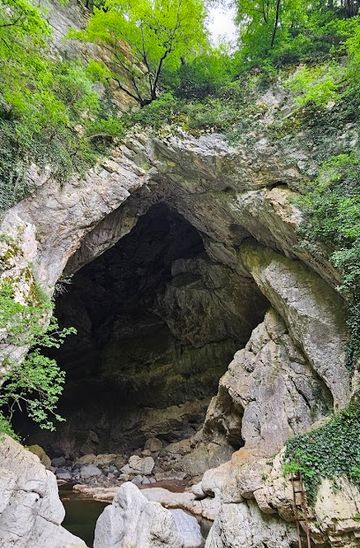
Tsutskhvati Cave, located near Tsutskhvati village in Georgia's Tkibuli Municipality, is a unique 13-story cave complex showcasing millennia of history. It features archaeological finds from the Paleolithic era to the Middle Ages, offering a glimpse into the lives of Neanderthals and early Homo sapiens.
A brief summary to Tsutskhvati cave
- 7VC3+G4, Tsutskhvati, GE

Know before you go
Hi, I'm Eve. Here are a few practical things to know before exploring Tsutskhvati cave.
- Wear sturdy shoes as the cave floor can be slippery and uneven.
- Bring a flashlight or headlamp to explore the darker areas of the cave.
- Check local weather conditions before visiting, as rain may affect cave access.
- Consider visiting during weekdays or off-peak hours for a quieter experience.
Do you manage this location?
Take control to get all the benefits, like improved information, better appearance, and stronger visibility across AI-powered discovery. Learn more
Activate your presence
Getting There
-
Car
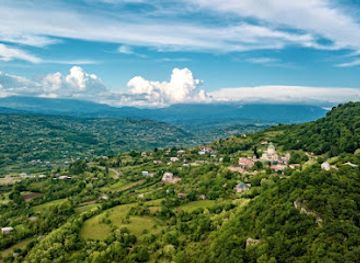
If traveling by car, begin in Kutaisi and head towards Tkibuli. From Tkibuli, follow the road towards Tsutskhvati village. The cave is located approximately 25 km from Kutaisi and about half an hour from Tsutskhvati village. Look for road signs indicating the cave. Once in Tsutskhvati, park in the designated area and walk the remaining 15-20 minutes uphill to the cave entrance. Parking is generally free. Note that the road to Tsutskhvati is in good condition for any car.
-
Public Transport
To reach Tsutskhvati Cave via public transport, take a marshrutka (minibus) from Kutaisi to Tkibuli. From Tkibuli, you may need to take another marshrutka or a taxi to Tsutskhvati village. Inform the driver that you want to get off at Tsutskhvati. From the village, follow signs or ask locals for directions to the cave, which is about a 15-20 minute hike from the nearest drop-off point. The marshrutka fare from Kutaisi to Tkibuli typically ranges from 2-5 GEL. A taxi from Tkibuli to Tsutskhvati may cost around 10-15 GEL.
Discover more about Tsutskhvati cave
Explore the best of what Tsutskhvati cave has to offer













More about Imereti
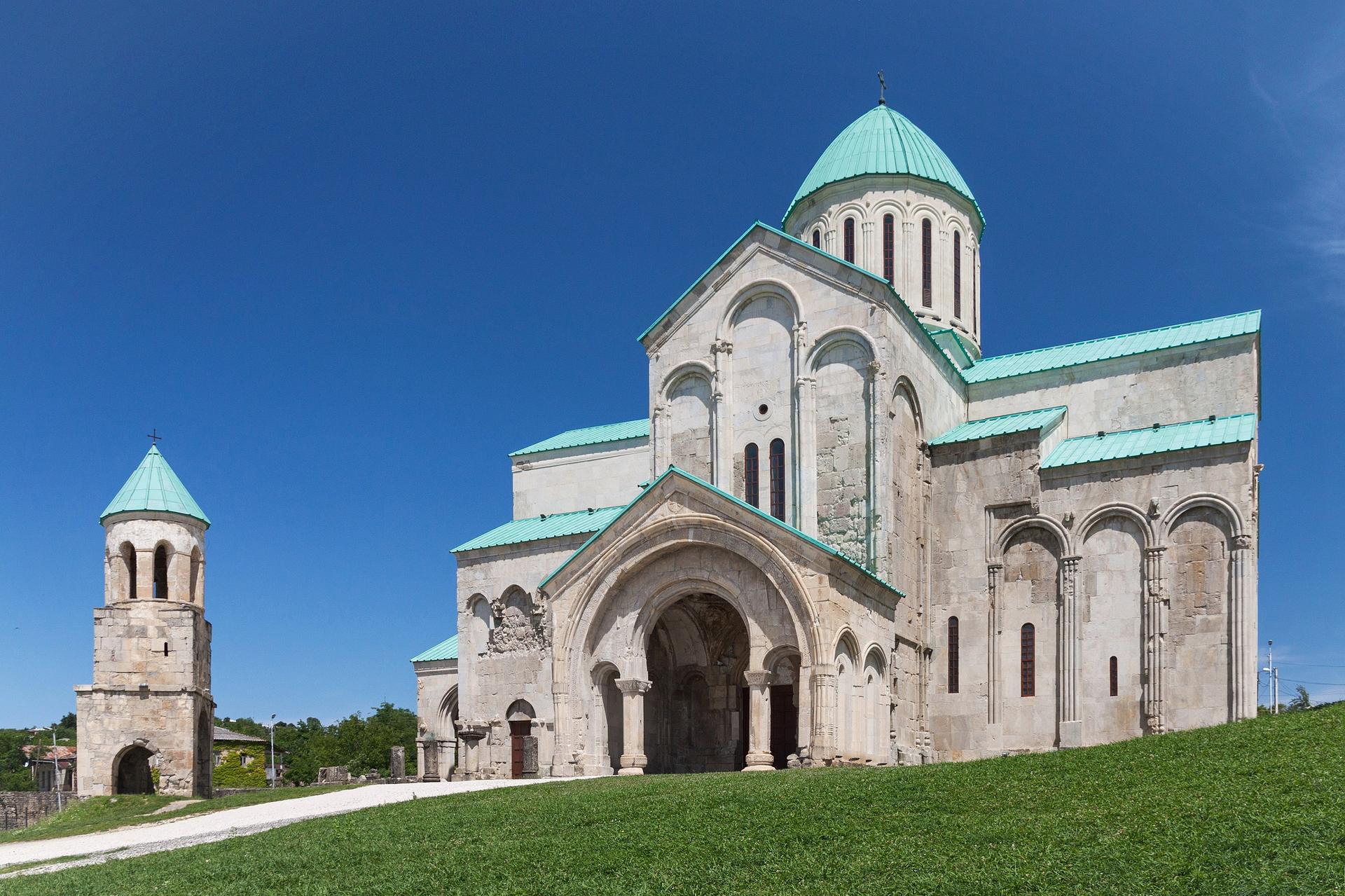
Discover Imereti: Where Georgia’s breathtaking landscapes, ancient history, and rich culinary traditions come together in perfect harmony.
Tell me more about Imereti
Discover Georgia's rich wine culture at Winetage in Kutaisi, offering a curated selection of local wines in a cozy and inviting atmosphere.
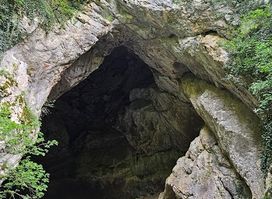
Discover Georgia's ancient secrets within the thirteen stories of Tsutskhvati Cave, a journey through time and nature near Tkibuli.