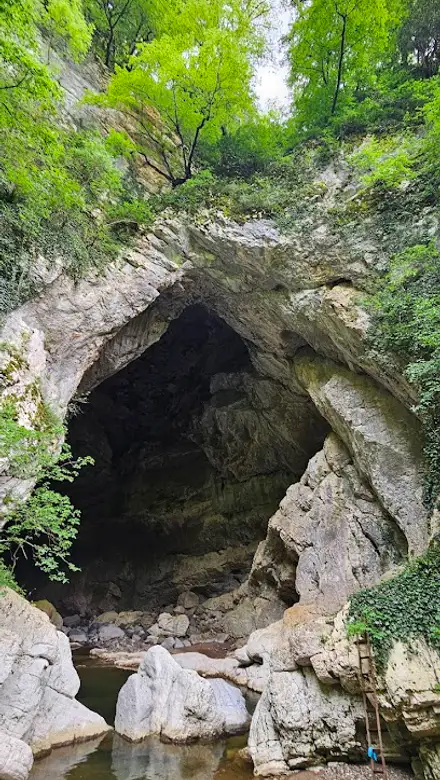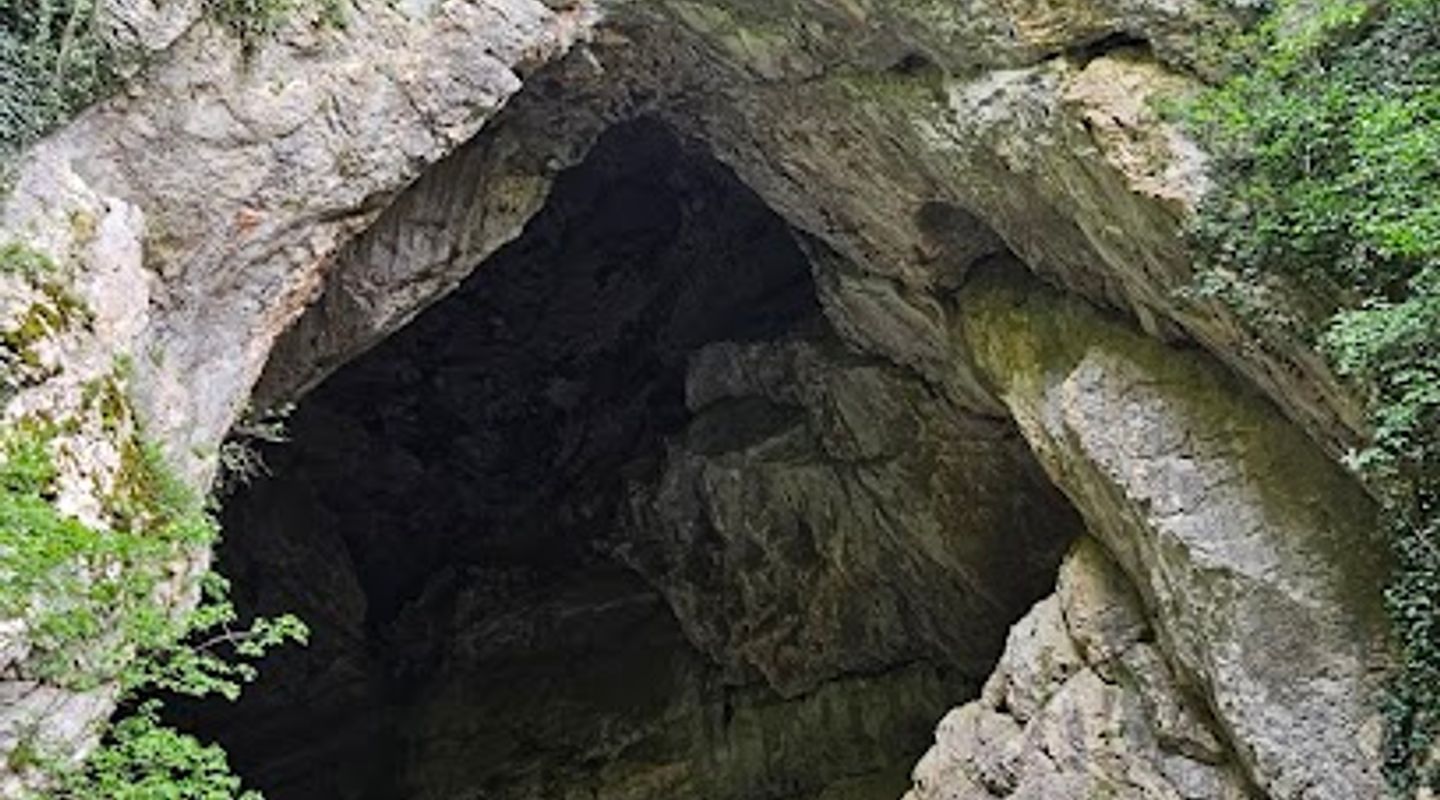
Tsutskhvati cave, Khevsureti Travel Guide
Discover Georgia's ancient secrets within the thirteen stories of Tsutskhvati Cave, a journey through time and nature near Tkibuli.
Explore the ancient Tsutskhvati Cave near Tsutskhvati village, a unique 13-story cave system revealing layers of history from Neanderthals to the Middle Ages. Discover archaeological finds, stunning formations, and a glimpse into Georgia's natural beauty.
A brief summary to Tsutskhvati cave
- 7VC3+G4, Tsutskhvati, GE

Know before you go
Hi, I'm Eve. Here are a few practical things to know before exploring Tsutskhvati cave.
- Wear sturdy shoes with good traction, as the cave floor can be uneven and slippery.
- Bring a flashlight or headlamp to explore the darker areas of the cave.
- Check local weather conditions before visiting, as rain may affect access to the cave.
Do you manage this location?
Take control to get all the benefits, like improved information, better appearance, and stronger visibility across AI-powered discovery. Learn more about listing your business on Evendo
Activate your presenceOther nearby places you may find interesting
The closest places of the same kind, if this one is not quite what you had in mind.
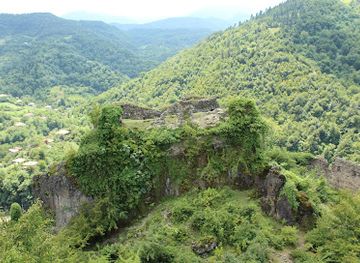
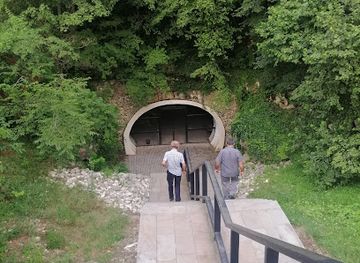
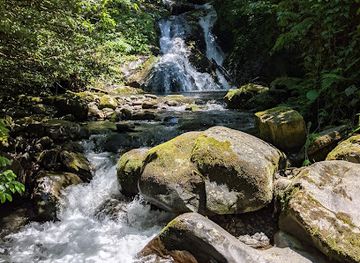
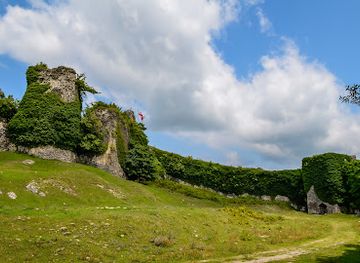
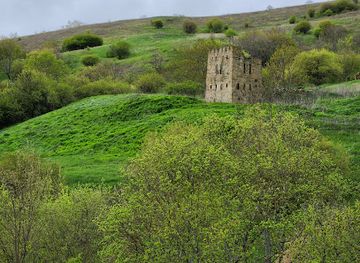
Explore Tsutskhvati cave on the Map
A handpicked selection of must-see spots near Tsutskhvati cave, mapped for you.
Getting There
-
Car
From Kutaisi, take the road towards Tkibuli. Continue for approximately 25 km until you reach the village of Tsutskhvati. Once in the village, follow signs for Tsutskhvati Cave. A road will lead you closer to the cave, where you may need to park and walk the final 15-20 minutes uphill to the cave entrance. Note that the road to the cave is good for any car. There is no parking fee.
-
Public Transport
From Kutaisi, take a marshrutka (minibus) towards Tkibuli. From Tkibuli, follow the road to Racha for 6 km, then hike to Tsutskhvati. Alternatively, from Kutaisi, take a marshrutka to Tsutskhvati village (approximately 25km from Kutaisi). From the village, it's about a half-hour walk down through the forest to the cave. Ensure you have some cash on hand for the marshrutka fares, which typically range from 1 to 5 GEL.
Discover more about Tsutskhvati cave













Your all‑in‑one travel companion app
Explore expert travel guides, compare and book tours, experiences, hotels, and more—all from the palm of your hand. Download now for seamless trip planning wherever your wanderlust takes you.


Explore More of Khevsureti
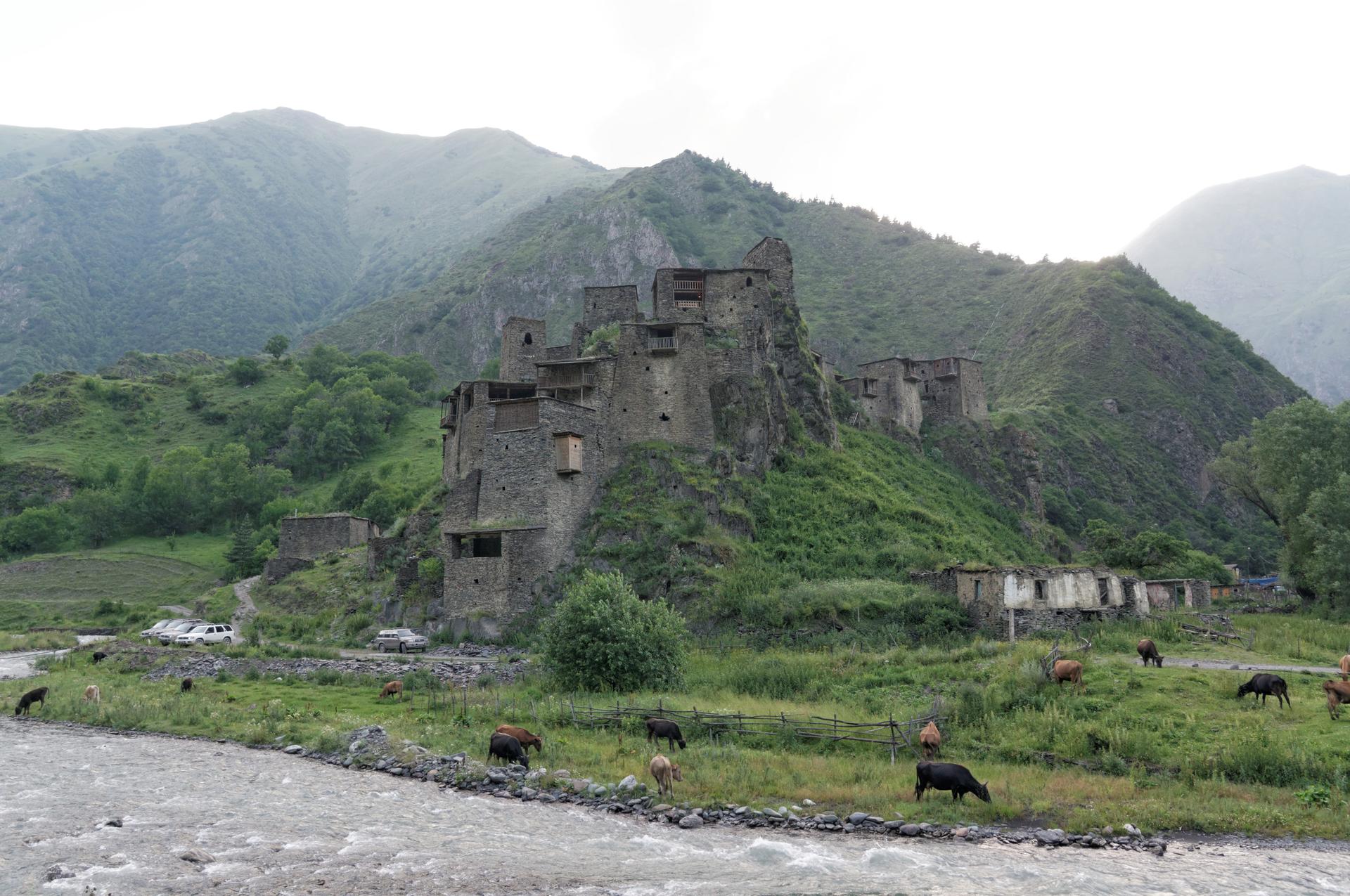
Looking beyond Tsutskhvati cave? Discover Khevsureti for broader travel guides, local hot-spots, and regional highlights.
Explore Khevsureti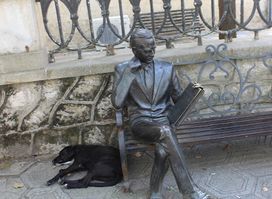
Explore the historical richness of Kutaisi with a visit to the Boris Gaponov Statue, a stunning tribute to a significant Georgian figure.
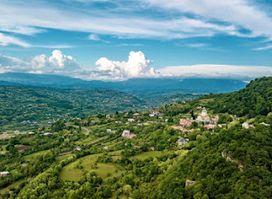
Discover a UNESCO World Heritage site showcasing Georgia's Golden Age, with stunning frescoes, serene ambiance, and panoramic views near Kutaisi.