Jasmund National Park: Where Chalk Cliffs Meet Ancient Beech Forests
Discover Germany's smallest national park: Jasmund, Rügen's natural masterpiece with iconic chalk cliffs, ancient beech forests, and breathtaking Baltic Sea views, a UNESCO World Heritage Site.
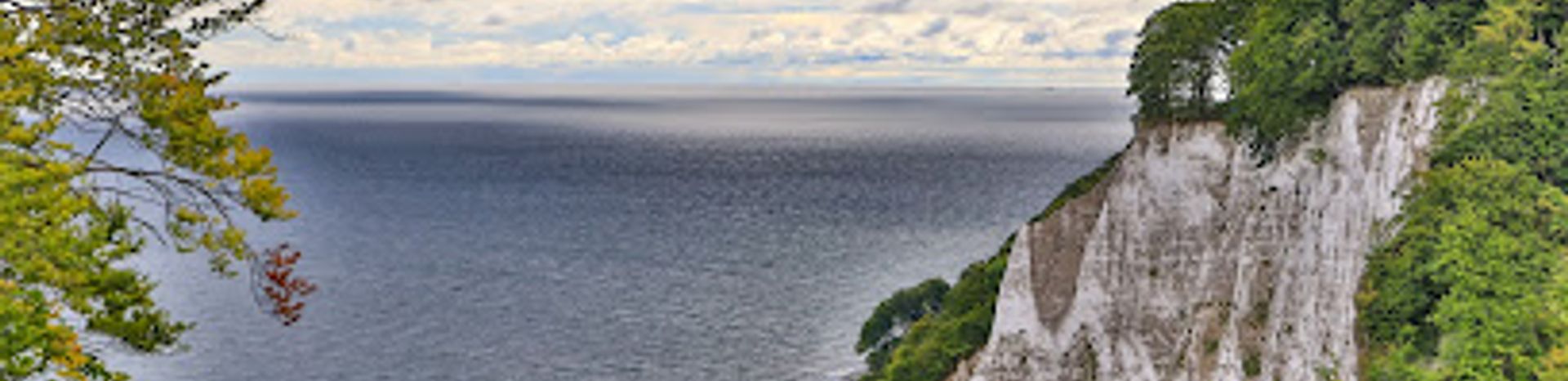
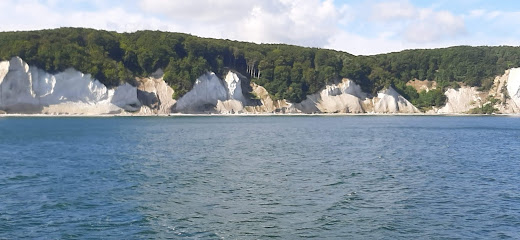
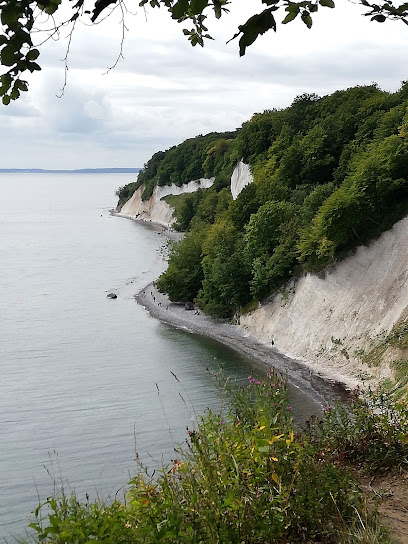
Jasmund National Park, Germany's smallest national park, is a natural wonderland on the island of Rügen, famed for its dramatic white chalk cliffs rising majestically above the Baltic Sea. These iconic cliffs, reaching heights of up to 161 meters, provide breathtaking panoramic views. The park also encompasses ancient beech forests, a UNESCO World Heritage site, creating a unique blend of coastal and woodland ecosystems. Visitors can explore diverse hiking trails, discover rare plants and animals, and immerse themselves in the serene beauty of this protected landscape. The Königsstuhl, the park's most famous chalk cliff, offers stunning vistas and is home to the National Park Centre, providing insights into the park's history, geology, and ecology. Whether you're a nature enthusiast, a hiking aficionado, or simply seeking tranquility, Jasmund National Park promises an unforgettable experience.
A brief summary to Jasmund National Park
- Stubbenkammer 2a, Sassnitz, Stubbenkammer, 18546, DE
- +49382345020
- Visit website
Local tips
- Visit early in the morning or later in the afternoon to avoid the crowds, especially during peak season, and enjoy a more peaceful experience.
- Wear sturdy shoes for hiking, as the trails can be uneven and rocky, especially along the coastal paths.
- Bring a camera to capture the stunning views of the chalk cliffs and the Baltic Sea, particularly at sunrise or sunset.
- Check the weather forecast before your visit and dress accordingly, as the coastal climate can be unpredictable.
- Take advantage of the park's guided tours to learn more about the history, geology, and ecology of the area.

Getting There
-
Public Transport
From Sassnitz, take bus line 23 operated by Verkehrsgesellschaft Vorpommern-Rügen (VVR) directly to the KÖNIGSSTUHL National Park Centre (bus stop "Königsstuhl"). The bus departs from Sassnitz bus station. A single ticket costs approximately €3-5. Alternatively, from the north of Rügen Island, take bus line 14 to the large Hagen parking lot, then transfer to shuttle bus 19 to the KÖNIGSSTUHL National Park Centre. Ensure you check the current bus schedules as they may vary.
-
Driving
Drive towards the National Park Centre Königsstuhl. Parking is available at Parkplatz Hagen, a large car park that marks the start of several trails through the park. From there, you can take shuttle bus 19 to the Königsstuhl National Park Centre. Parking costs €6 for the day. Alternatively, if staying in Sassnitz, use Parkplatz Kreidefelsen, closer to the park's edge. Be aware that access to the park by car is restricted, and during peak season, shuttle buses are encouraged to minimize environmental impact.
-
Walking
From Sassnitz, walk the Hochuferweg trail (approx. 8 km) to the Königsstuhl. Allow around 3 hours, wear sturdy footwear, and observe the national park's path regulations. The path is not barrier-free. You will pass the UNESCO World Heritage Forum along the way. There are no additional costs for walking, but be prepared for a moderately challenging hike.
Discover more about Jasmund National Park
Iconic landmarks you can’t miss

UNESCO-Welterbeforum - Wanderstützpunkt und Infostelle
2.4 km
Explore the UNESCO-Welterbeforum in Sassnitz, your gateway to the stunning Jasmund National Park and its iconic chalk cliffs.
Erlebniswelt U-Boot
4.4 km
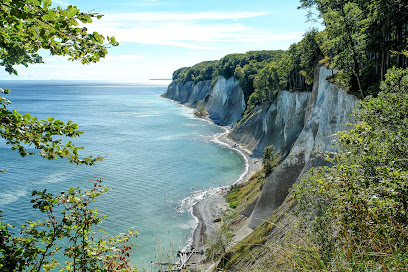
Explore the fascinating world of submarines at Erlebniswelt U-Boot, a maritime museum in Sassnitz showcasing naval history and technology.
DJH Youth Hostel Prora with campsite
12.2 km
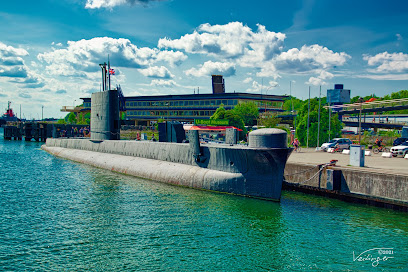
Experience history and beachfront bliss at the DJH Youth Hostel Prora, nestled within the iconic 'Colossus of Rügen' on the stunning island of Rügen, Germany.
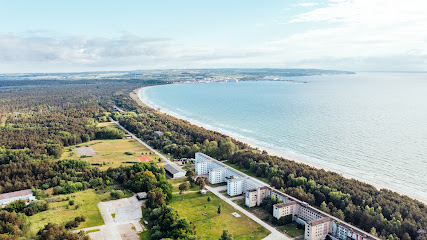
PRORA-ZENTRUM
12.5 km
Explore the historical significance of PRORA-ZENTRUM in Binz, a museum that reveals the past of the iconic Prora complex and its impact on modern history.
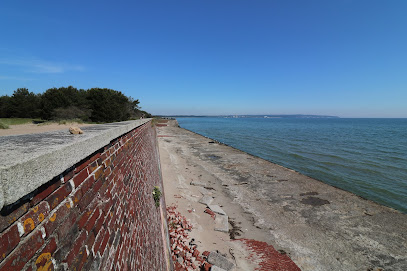
Insel Pulitz
15.8 km
Explore the serene beauty of Insel Pulitz, a nature preserve offering stunning landscapes, diverse wildlife, and peaceful escapes for all nature lovers.
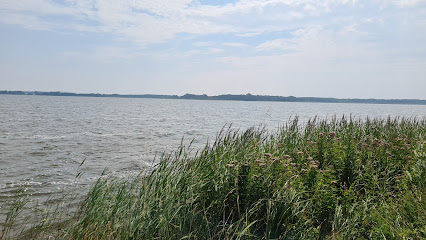
Binzer Strand
16.6 km
Experience the enchanting Binzer Strand, a pristine public beach in Binz, Germany, where sun, sand, and sea come together for an unforgettable getaway.
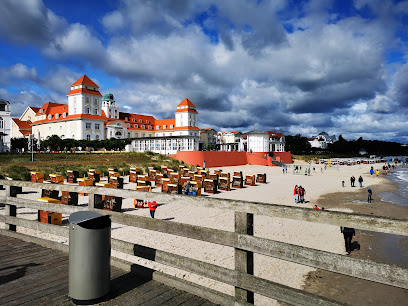
Ostrügen
17.3 km
Explore the breathtaking Ostrügen Nature Preserve, a serene escape in Bergen auf Rügen, perfect for nature lovers and outdoor enthusiasts alike.
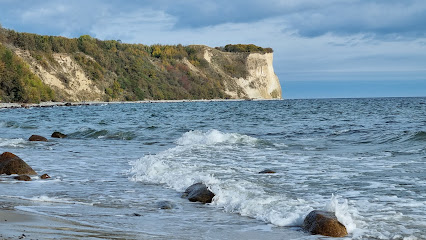
Lift Sellin Pier
18.9 km
Explore the enchanting Lift Sellin Pier, a stunning seaside destination offering breathtaking views, charming architecture, and vibrant local culture on the Baltic Sea.
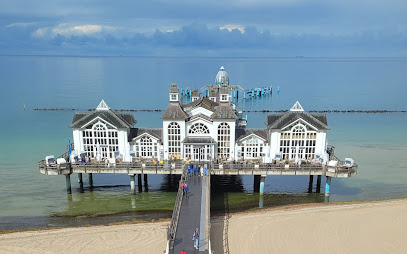
Rugard
19.5 km
Experience breathtaking views and outdoor adventures at Rugard, the majestic mountain peak in Bergen auf Rügen, Germany.
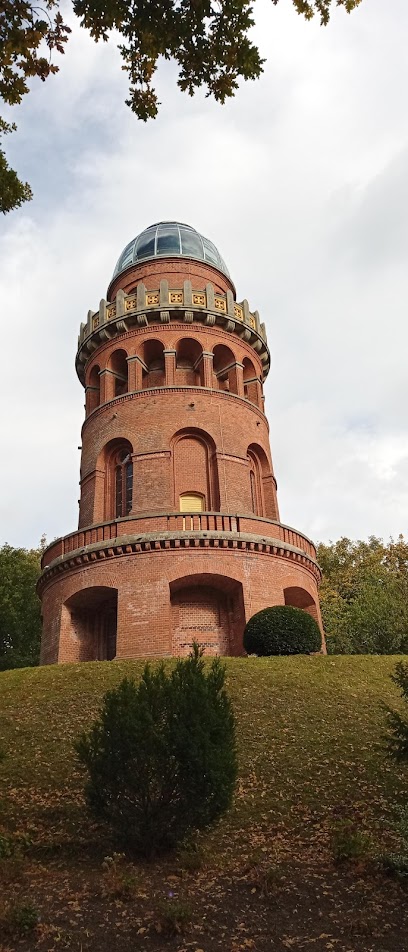
Cape Arkona Lighthouse
19.9 km
Explore the historic Cape Arkona Lighthouse on Rügen Island, where breathtaking views meet rich maritime heritage.
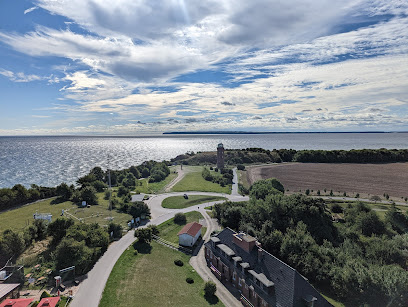
Dolmen Nobbin
19.9 km
Explore Dolmen Nobbin, a prehistoric gem in Altenkirchen, offering a unique glimpse into ancient burial rituals surrounded by stunning natural beauty.
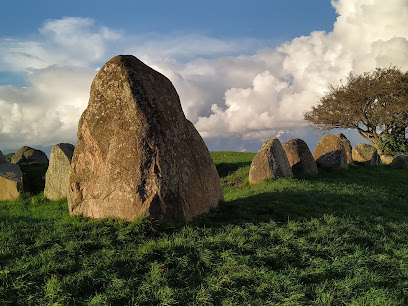
Cape Arkona
20.1 km
Explore the breathtaking Cape Arkona, where natural beauty meets rich history on Rügen Island's stunning peninsula.
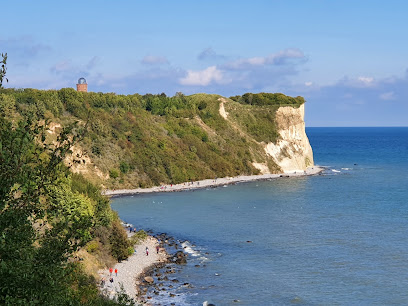
circus obelisk
24.5 km
Discover the Circus Obelisk in Putbus, a historical landmark embodying elegance and rich heritage amidst beautiful gardens.
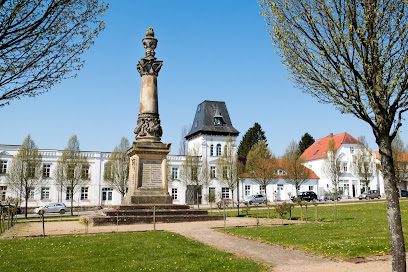
Kreidebrücke Wiek
24.7 km
Explore the Kreidebrücke Wiek, a captivating historical landmark offering stunning coastal views and access to beautiful beaches and trails.
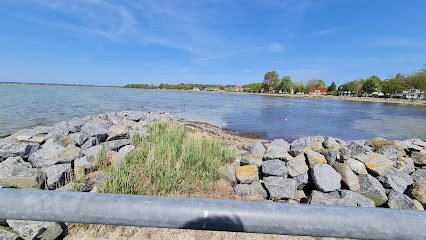
im-jaich Wasserferienwelt
25.0 km
Experience the beauty of Rügen's im-jaich Wasserferienwelt, a picturesque marina offering boating, kayaking, and serene accommodations for every traveler.
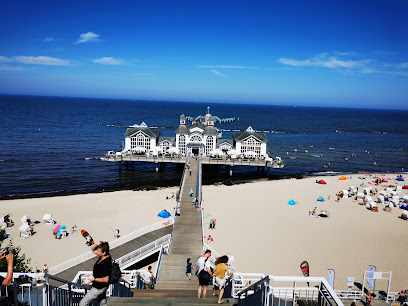
Unmissable attractions to see

Victoria-Sicht
2.5 km
Discover Victoria-Sicht: a stunning observation deck offering breathtaking views of the Baltic Sea and hiking trails in the heart of Sassnitz.
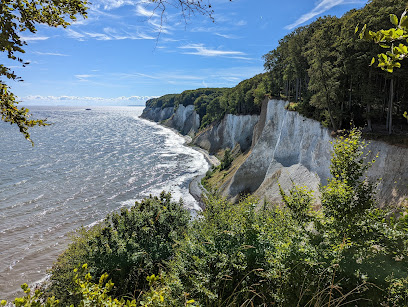
Königsstuhl National Park Centre
2.6 km
Explore the breathtaking beauty and rich biodiversity at Königsstuhl National Park Centre, your gateway to Jasmund National Park's iconic chalk cliffs.
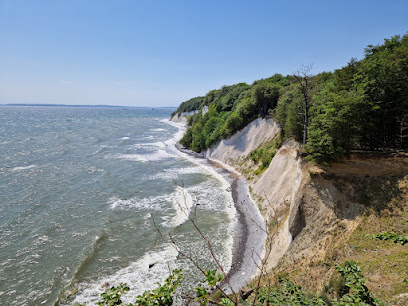
Königsstuhl Kreidefelsen
2.6 km
Discover the awe-inspiring beauty of Königsstuhl Kreidefelsen, where striking chalk cliffs meet the serene Baltic Sea in Germany.
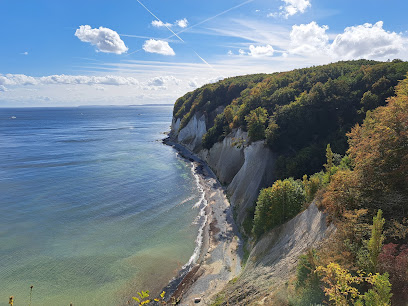
Klein Helgoland Rügen
3.7 km
Explore the idyllic beauty of Klein Helgoland in Rügen, a hidden gem of the Baltic Sea with breathtaking landscapes and vibrant marine life.
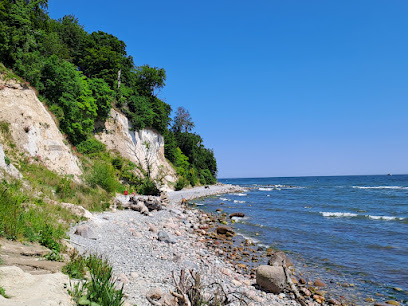
Schwanenstein
4.5 km
Discover the legendary Schwanenstein, a colossal glacial erratic off Rügen's coast, steeped in myth and natural beauty. A must-see landmark!
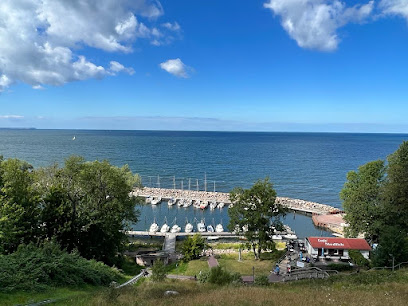
Kreidemuseum Rügen
4.6 km
Explore the Kreidemuseum Rügen, where the fascinating history of chalk mining meets engaging exhibits and interactive experiences on Germany's picturesque island.
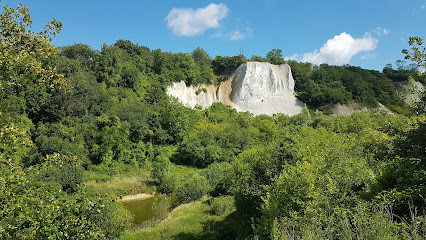
Leuchtturm Sassnitz
5.1 km
Explore the stunning Leuchtturm Sassnitz, a historic lighthouse offering breathtaking views and a glimpse into the maritime heritage of Germany's Baltic coast.
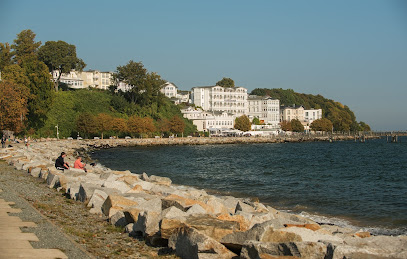
Fürstensteingrab
6.0 km
Explore Fürstensteingrab, a historical burial mound in Sassnitz, where nature meets ancient history along the breathtaking Baltic Sea coastline.
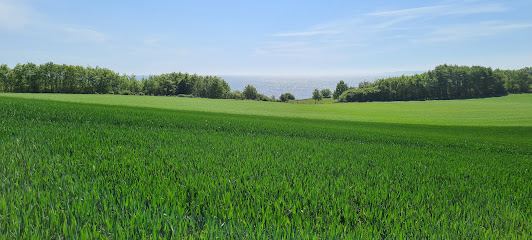
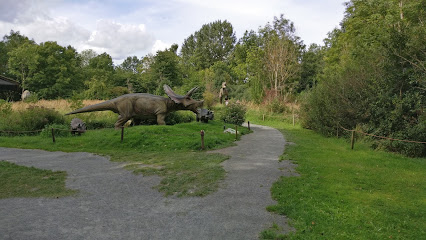
Dinosaur Land
8.0 km
Explore the prehistoric wonders of Dinosaur Land in Glowe, where adventure awaits with life-sized dinosaur replicas and thrilling rides for the whole family.
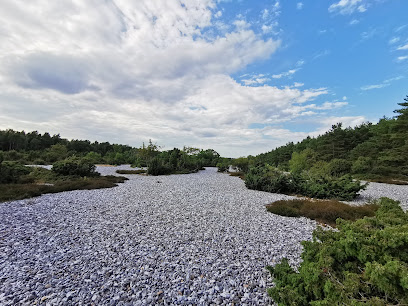
Feuersteinfelder
11.0 km
Experience the breathtaking natural beauty of Feuersteinfelder in Binz, a perfect retreat for nature lovers and a tranquil escape for tourists.
Rügen Railway & Technology Museum
13.0 km
Discover the Rügen Railway & Technology Museum, where history and technology intersect on the scenic island of Rügen, Germany.
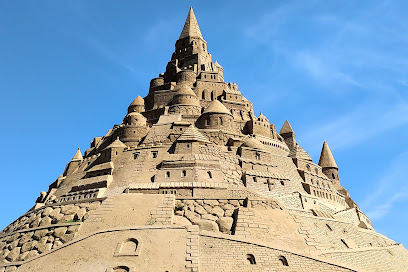
Sand sculpture festival in Binz
13.0 km
Experience the enchanting Sand Sculpture Festival in Binz, where artistry meets the beach in a captivating celebration of creativity and imagination.
Dokumentationszentrum Prora
13.4 km
Discover the profound history of Dokumentationszentrum Prora, a unique museum that unveils the rich past of this historical landmark in Binz, Germany.
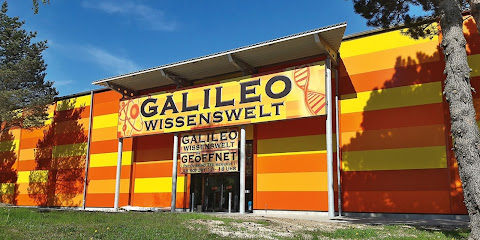
Galileo Wissenswelt Rügen - Museum in Prora - Sehenswürdigkeit
13.4 km
Explore the captivating Galileo Wissenswelt Rügen, where education meets amusement in a family-friendly environment, perfect for curious travelers.
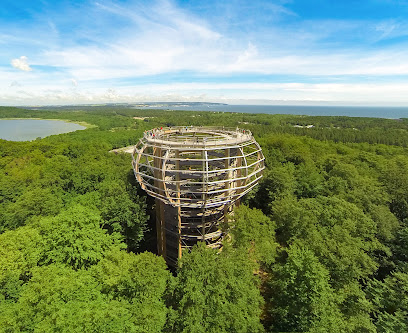
Baumwipfelpfad im Naturerbe Zentrum Rügen
14.2 km
Explore the breathtaking treetop walkway at Baumwipfelpfad in Rügen, where nature meets adventure in stunning surroundings.
Essential places to dine

Gaststätte Am Jasmunder Bodden
8.4 km
Experience authentic German cuisine at Gaststätte Am Jasmunder Bodden in Polchow with stunning views and welcoming ambiance.
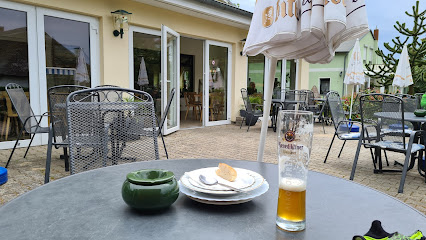
Strandgut Lietzow
11.8 km
Experience authentic German cuisine at Strandgut Lietzow with fresh fish dishes and vibrant atmosphere by the water.
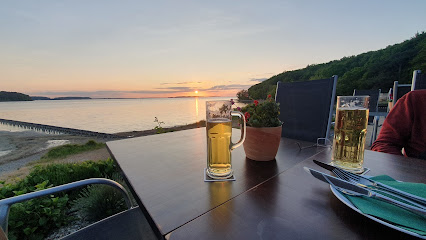
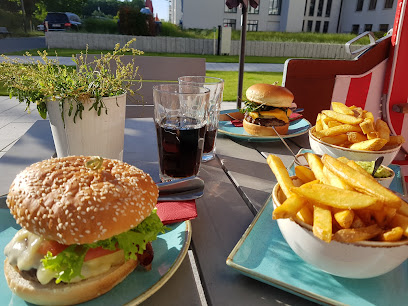
Heimathafen Prora
13.9 km
Experience exquisite hamburgers and American flavors at Heimathafen Prora while enjoying breathtaking views along the Baltic coast.
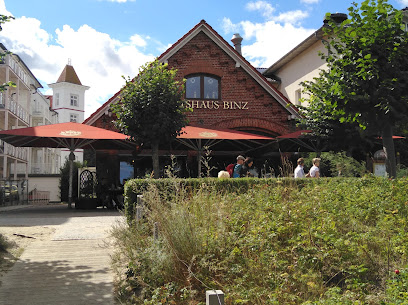
Bootshaus Binz
16.3 km
Indulge in exquisite seafood dishes with stunning views at Bootshaus Binz – where taste meets tranquility along the Baltic Sea.
Strandlücke Restaurant & Bar
16.3 km
Experience exquisite coastal cuisine at Strandlücke Restaurant & Bar in Binz - where fresh flavors meet stunning ocean views.
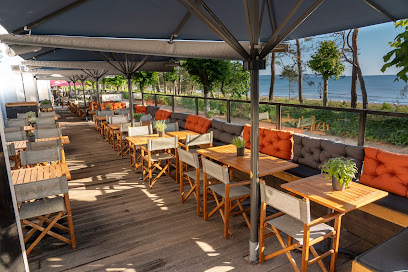
Weltenbummler
16.4 km
Experience exquisite Mediterranean and German cuisine at Weltenbummler in Binz with breathtaking views of the Baltic Sea.
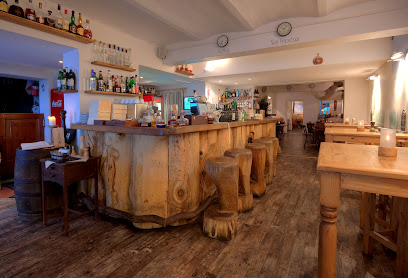
Restaurant & Hotel Villa Salve
16.5 km
Experience culinary delights at Restaurant & Hotel Villa Salve on Binz's beautiful Strandpromenade with breathtaking sea views.
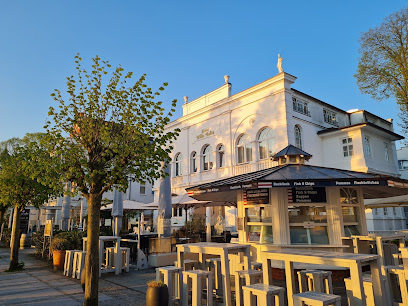
freustil
16.9 km
Experience exquisite fine dining at Freustil in Binz, where culinary artistry meets local flavors for an unforgettable meal.
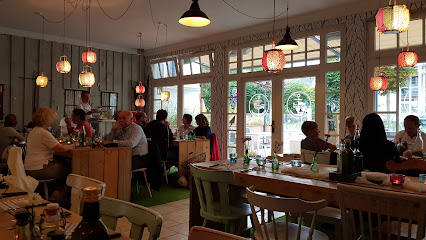
Buddhas Bowl Rügen
16.9 km
Experience exquisite Asian Fusion cuisine at Buddhas Bowl Rügen in Binz—where every dish tells a story.
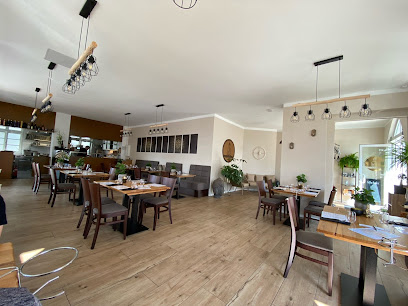
Restaurant Plattdüütsch
16.9 km
Experience authentic European cuisine at Restaurant Plattdüütsch in Binz, where fresh seafood meets traditional flavors on Rügen Island.
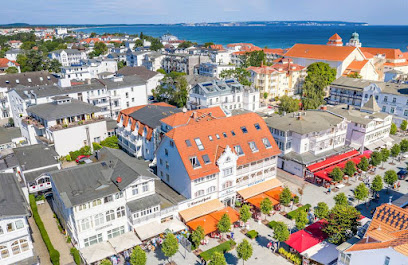
Restaurant Strandhalle
17.1 km
Experience authentic German flavors at Restaurant Strandhalle in Binz with stunning views of the Baltic Sea.
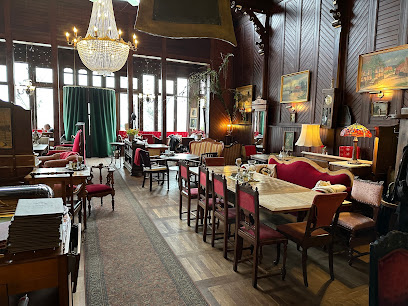
Wirtshaus im Jagdschloss Granitz
19.0 km
Discover authentic German flavors amidst nature at Wirtshaus im Jagdschloss Granitz - where tradition meets tranquility.
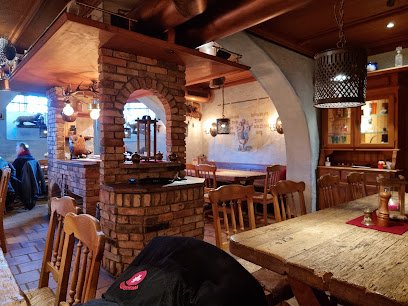
Pension & Restaurant Blockhaus Glückswinkel
19.0 km
Savor traditional German cuisine at Pension & Restaurant Blockhaus Glückswinkel in Sellin – where every meal is a delightful journey through flavors.
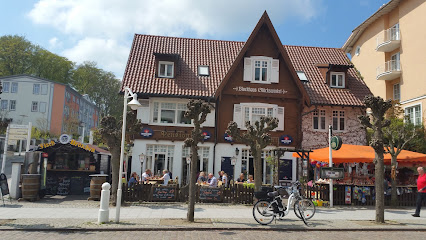
Zur Kajüte Fischrestaurant
19.5 km
Experience the finest seafood at Zur Kajüte Fischrestaurant in Sellin – where fresh flavors meet delightful dining.
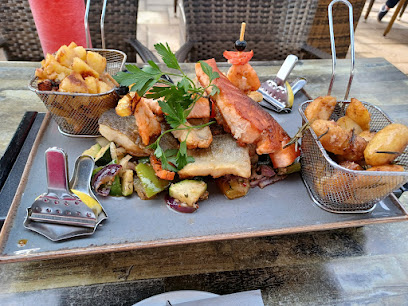
Kleine Melodie
20.2 km
Experience exquisite seafood dining at Kleine Melodie in Sellin, where fresh catches meet European culinary traditions in a stunning seaside setting.
Markets, malls and hidden boutiques

Annas Inselwelt, Anna Rataj
3.5 km
Explore Annas Inselwelt in Sassnitz for unique gifts and souvenirs that capture the spirit of Rügen Island’s rich culture and stunning beauty.
Rügen Galerie
4.0 km
Explore Rügen Galerie, a lively shopping mall in Sassnitz, offering diverse shops, delightful dining, and unique gifts for every traveler.
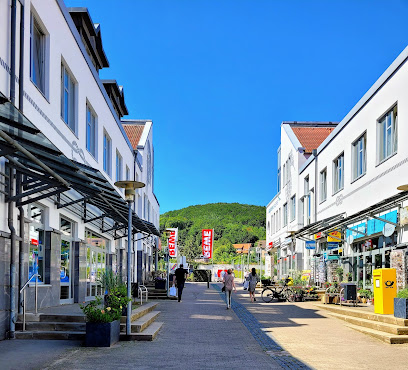
SEASIDE
4.0 km
Explore the Seaside Souvenir Store in Sassnitz for unique gifts and local crafts that embody the spirit of the coast.
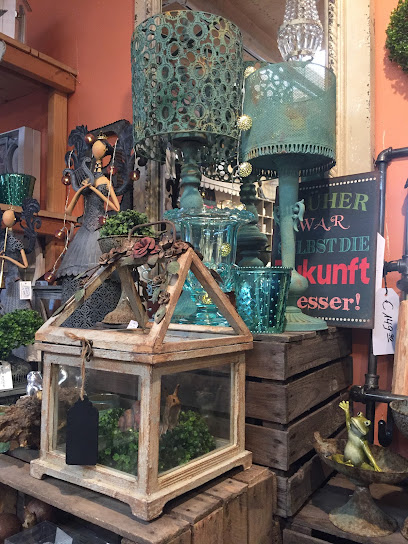
Rügen Sassnitz market / The Original
4.0 km
Explore Rügen Sassnitz Market: A local treasure trove of fresh produce, artisanal goods, and authentic German flavors by the Baltic Sea.
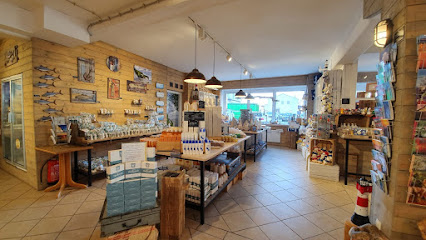
Rügener Anderswelten
4.1 km
Explore Rügener Anderswelten, a mystical supply store in Sassnitz, where spiritual seekers find crystals, tarot cards, and enchanting metaphysical treasures.
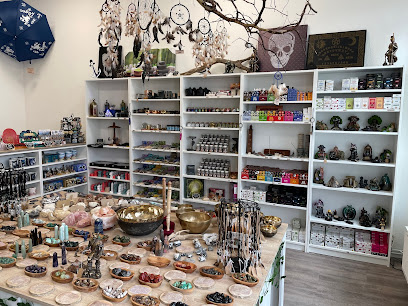
Stein-Ackerdemie & Wohnfühlen
11.8 km
Explore unique home decor and artisanal crafts at Stein-Ackerdemie & Wohnfühlen in Glowe, capturing the essence of local craftsmanship.
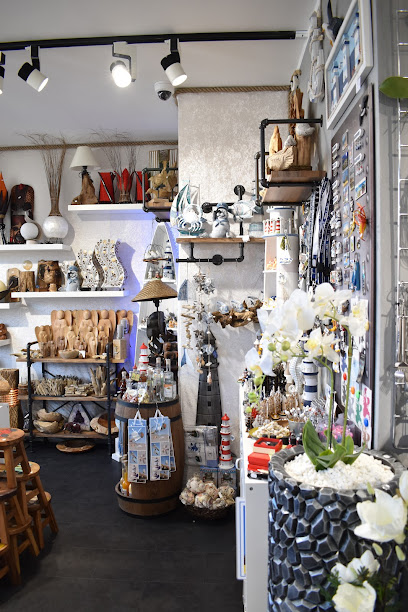
Insel Rügen Markt
16.8 km
Experience the local charm and unique offerings at Insel Rügen Markt in Binz, the perfect spot for souvenirs and local delicacies.
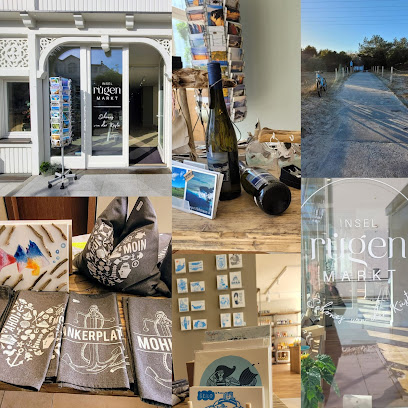
Annette Köllmann Moden Inh. A. Köllmann Kurhaus Binz
16.8 km
Explore the elegant world of Annette Köllmann Moden in Binz, where stylish clothing and personalized service create a unique shopping experience.
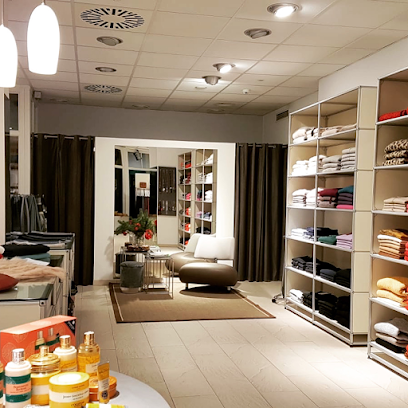
RÜGENFRUCHTIS
16.8 km
Discover local flavors and unique souvenirs at RÜGENFRUCHTIS, the perfect stop for tourists in Binz, Rügen.
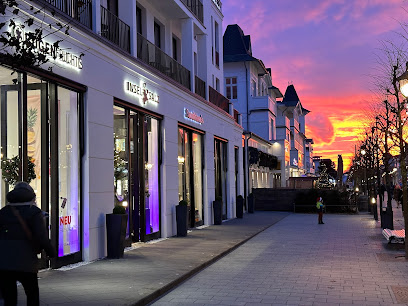
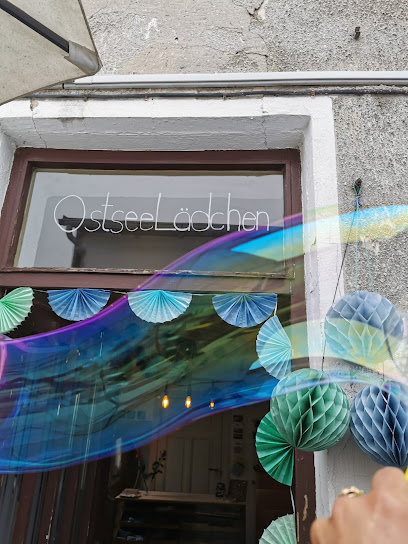
OstseeLädchen - Meer als nur ein Souvenir
17.2 km
Explore OstseeLädchen in Binz for unique souvenirs and local crafts that capture the essence of Rügen's culture and charm.
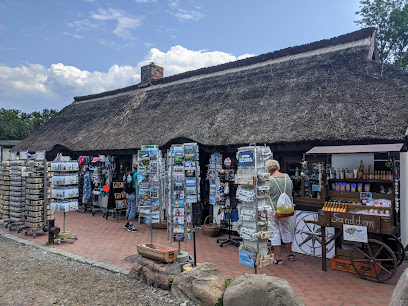
Souvenirladen Vitt
18.9 km
Explore the charm of Rügen at Souvenirladen Vitt, where unique souvenirs and local crafts come together to create lasting memories.
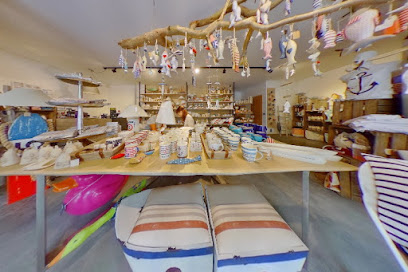
Ankerplatz Rügen
19.2 km
Discover unique souvenirs and handcrafted furniture at Ankerplatz Rügen, a must-visit destination in Sellin for unforgettable keepsakes.
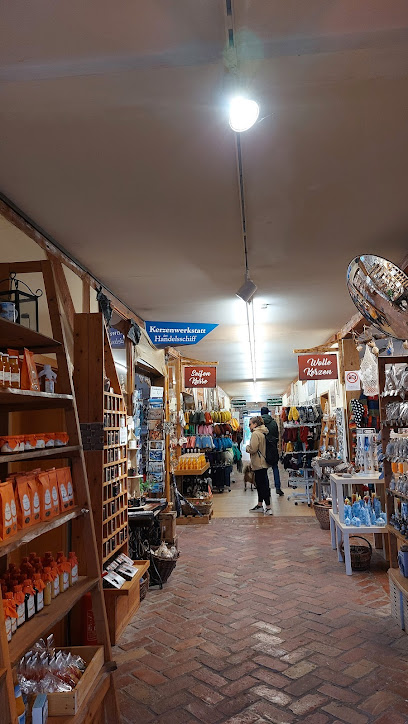
Wondercastle Rügen
20.1 km
Explore Wondercastle Rügen, a charming souvenir store in Putgarten, filled with unique gifts and local treasures that capture the essence of the island.
Rügen-Center
20.5 km
Explore Rügen-Center, the premier shopping mall in Bergen auf Rügen, offering diverse shops, delicious food, and a vibrant atmosphere for all visitors.
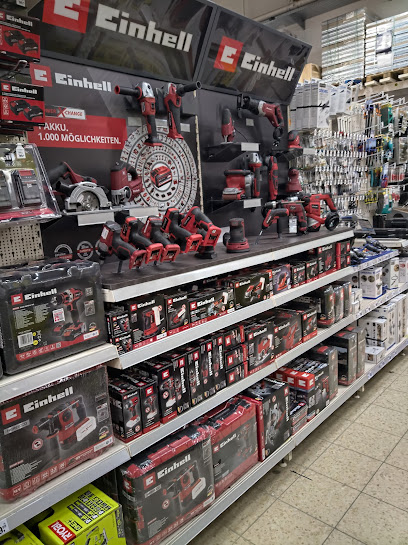
HAUTNAH bodywear
20.5 km
Explore HAUTNAH Bodywear, your ultimate destination for stylish underwear and loungewear in Bergen auf Rügen, offering quality and personalized service.
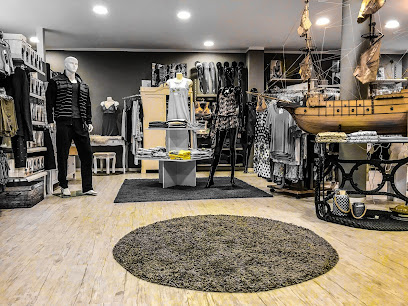
Essential bars & hidden hideouts

Strandbar 28
16.3 km
Experience the vibrant atmosphere and stunning views at Strandbar 28, the perfect beachside bar in Binz for relaxation and enjoyment.
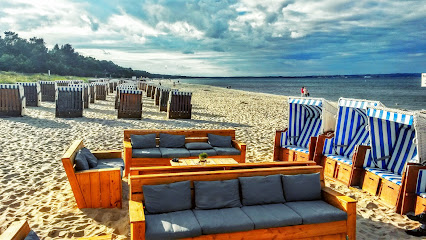
meerbar | restaurant & bar Rügen
16.5 km
Experience the best of Binz at Meerbar, where delightful cuisine meets stunning sea views for an unforgettable dining experience.
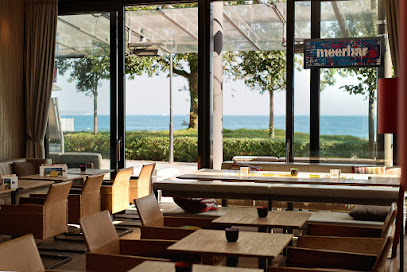
Willis Strandbar
16.6 km
Experience the vibrant beach life at Willis Strandbar, where refreshing drinks and stunning ocean views create the perfect getaway in Binz.
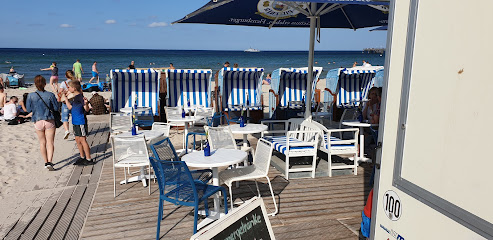
Seebrücken Lounge
16.7 km
Experience the ultimate coastal retreat at Seebrücken Lounge in Binz, where stunning sea views and vibrant nightlife await.
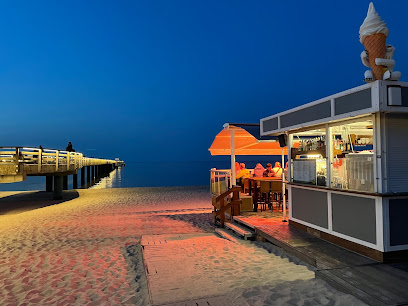
HEIMAAT Bar Lounge
16.7 km
Experience the charm of Heimaat Bar Lounge in Binz, where exceptional drinks meet breathtaking coastal views on the Strandpromenade.
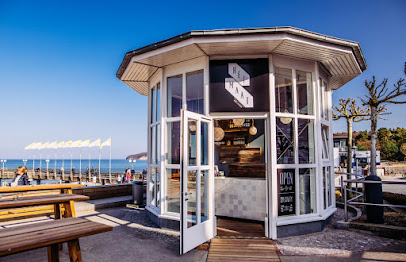
Kakadu Bar
16.8 km
Discover the vibrant atmosphere of Kakadu Bar in Binz, where refreshing drinks meet a welcoming ambiance for a perfect night out.
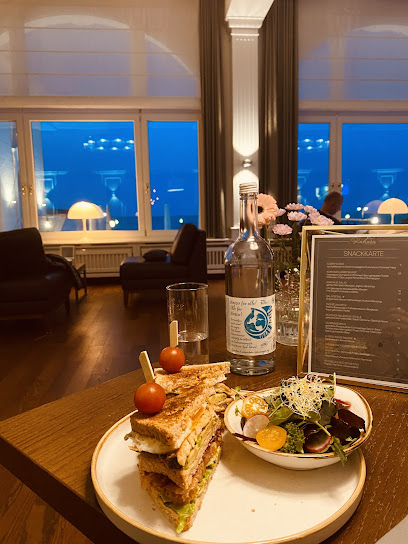
Byntze 1318 Cocktail Bar
16.9 km
Experience the essence of luxury at Byntze 1318 Cocktail Bar in Binz, where expertly crafted cocktails and a chic ambiance await.
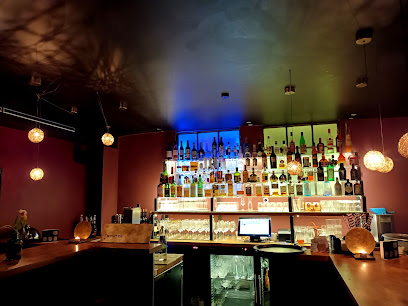
Shaker's Bar
17.1 km
Experience the vibrant atmosphere of Shaker's Bar in Binz, where stunning beach views meet delicious cocktails and great company.
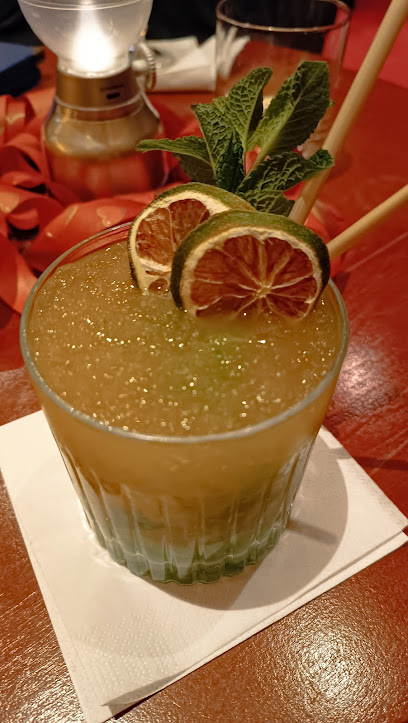
Bar 04 + Seefrieden Binz
17.1 km
Experience the charm of Bar 04 + Seefrieden in Binz, where delicious drinks and stunning lake views come together for an unforgettable experience.
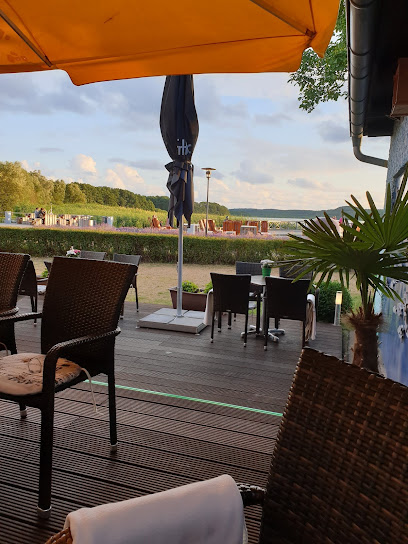
Rügen Strandbar Sven Pukowski
18.7 km
Experience the vibrant beachside atmosphere at Rügen Strandbar, where refreshing drinks and stunning views of the Baltic Sea await you.
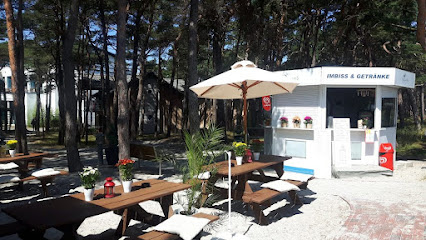
Jules Bar im Romantik ROEWERS Privathotel
19.3 km
Discover the sophisticated ambiance and exquisite drinks at Jules Bar, the perfect place to unwind in Sellin's Romantik ROEWERS Privathotel.
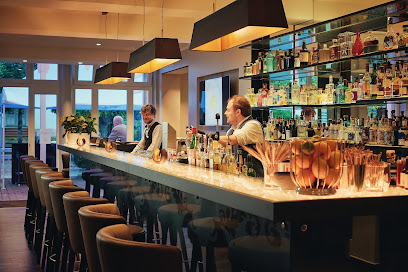
Spiegelbar
20.1 km
Dive into the vibrant atmosphere of Spiegelbar in Sellin, where delightful drinks and captivating performances await every visitor.
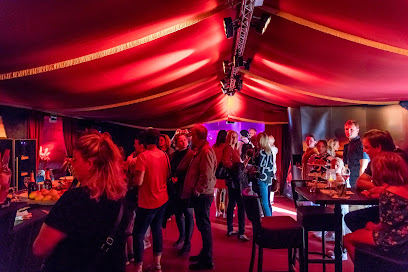
Klangpavillon
20.4 km
Discover Klangpavillon, a tranquil beach bar in Sellin offering stunning sea views, delicious drinks, and a perfect spot to unwind by the coast.
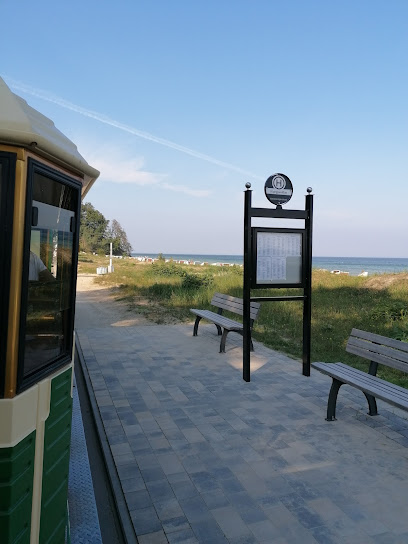
Totti‘s Strandbar
21.1 km
Experience the ultimate beachside relaxation at Totti's Strandbar in Sellin, where stunning views and refreshing drinks await every visitor.
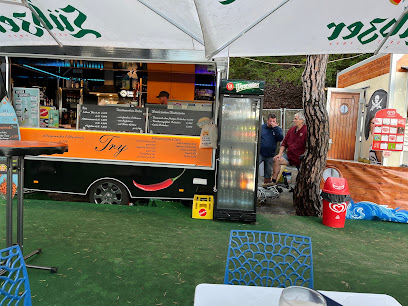
Unter Deck Bierbar
21.5 km
Unter Deck Bierbar: A vibrant bar in Baabe offering a fantastic selection of local and international beers and cocktails in a cozy atmosphere.
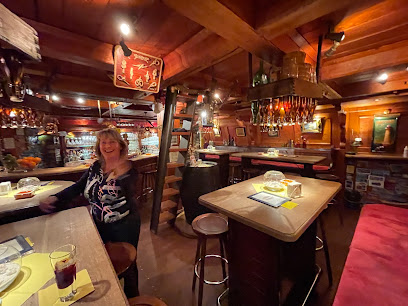
Nightclubs & after hour spots

BAR 24
3.9 km
Discover Sassnitz's nightlife at BAR 24, a vibrant night club and gastropub offering great drinks, delicious food, and a lively atmosphere.
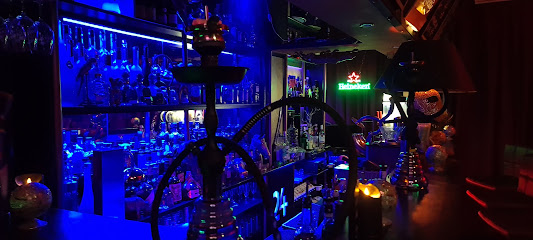
Veranstaltungsservice Junghans
10.6 km
Discover the electrifying nightlife at Veranstaltungsservice Junghans in Glowe, Rügen, where unforgettable DJ performances and vibrant disco vibes await.
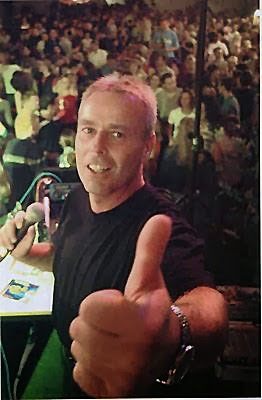
Rügen Vibes
14.6 km
Experience the best of Rügen's nightlife at Rügen Vibes, where electrifying DJ performances meet stunning coastal views.
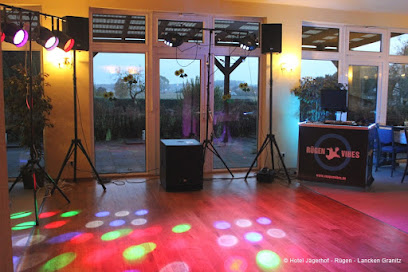
IVA Lounge by CERES
16.8 km
Immerse yourself in the chic ambiance of IVA Lounge by CERES, the perfect spot for drinks and relaxation in Binz, Rügen Island.
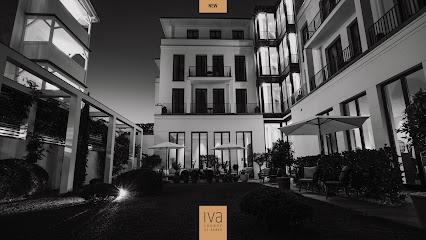
Mönchgut - Biker MF Clubhaus
19.6 km
Experience vibrant nightlife at Mönchgut - Biker MF Clubhaus in Sellin, the ultimate destination for music, drinks, and good company.

Musik Event Rügen Tandem Disco
20.7 km
Dive into the lively nightlife at Musik Event Rügen Tandem Disco, a premier DJ service and disco club in Bergen auf Rügen, where unforgettable nights await.
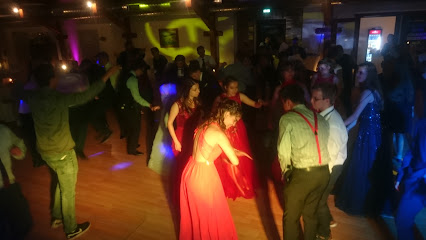
HyperDome
25.1 km
Dive into the nightlife at HyperDome, Sehlen's top disco club with electrifying music and a vibrant atmosphere for unforgettable nights.
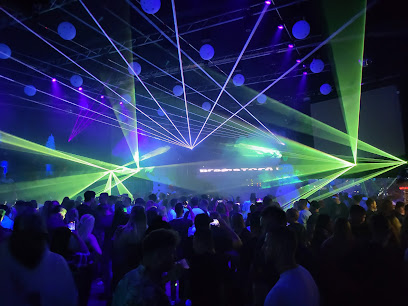
Club KELLÄH
44.2 km
Discover the vibrant nightlife at Club KELLÄH in Stralsund, a premier destination for music, dancing, and unforgettable evenings.
Tanzbar
44.2 km
Experience the vibrant nightlife at Tanzbar in Stralsund, where music, dance, and friendly vibes come together for an unforgettable night out.
Bt 22
55.0 km
Discover the electrifying nightlife of Greifswald at Bt 22, a must-visit night club for unforgettable nights of dancing and socializing.
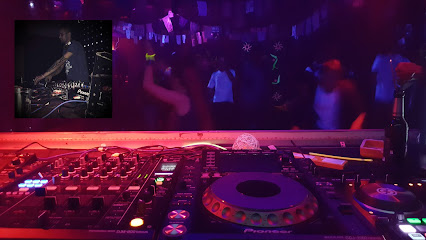
After Dark
90.8 km
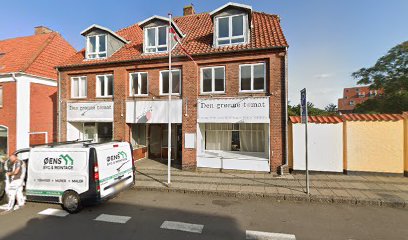
Compact weekend nightclub bringing big-city beats, DJ-driven dancing and a lively bar atmosphere to the otherwise quiet island town of Rønne on Bornholm.
Musikhuzet
91.1 km
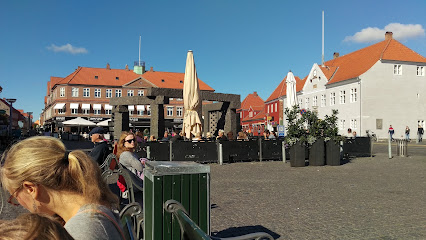
Bornholm’s Musikhuzet in central Rønne offers an ever-changing lineup of live concerts, cultural performances, and community events in a buzzing local landmark venue.
Palæcafeen
91.2 km
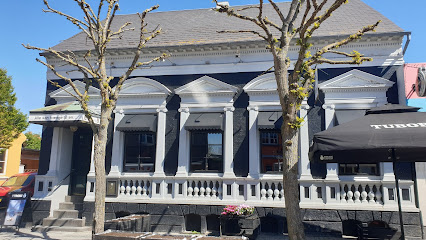
No‑frills late‑night disco bar in central Rønne, mixing local bodega charm with loud music, dancing and affordable drinks on Bornholm’s main island.
Doiazd7 Do Ronne
91.4 km
Compact island nightclub bringing late-night beats, colourful lights and an easygoing local crowd to the harbour town of Rønne on Bornholm.
Diskothek Erlebniswelt
98.4 km
Dance the night away at Diskothek Erlebniswelt, Neukalen's premier disco club with vibrant music, affordable fun, and an electrifying atmosphere.