Schwanenstein, Baltic Sea Coast Travel Guide
Discover the legend of the Schwanenstein, a glacial erratic on Rügen's coast, steeped in folklore and history, offering breathtaking views within Jasmund National Park.
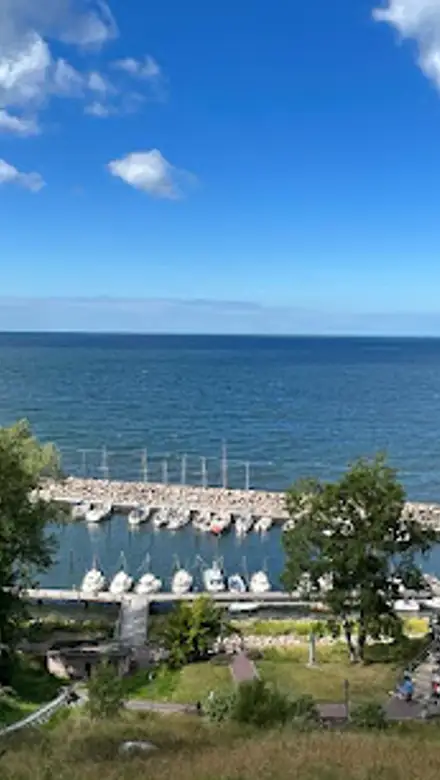
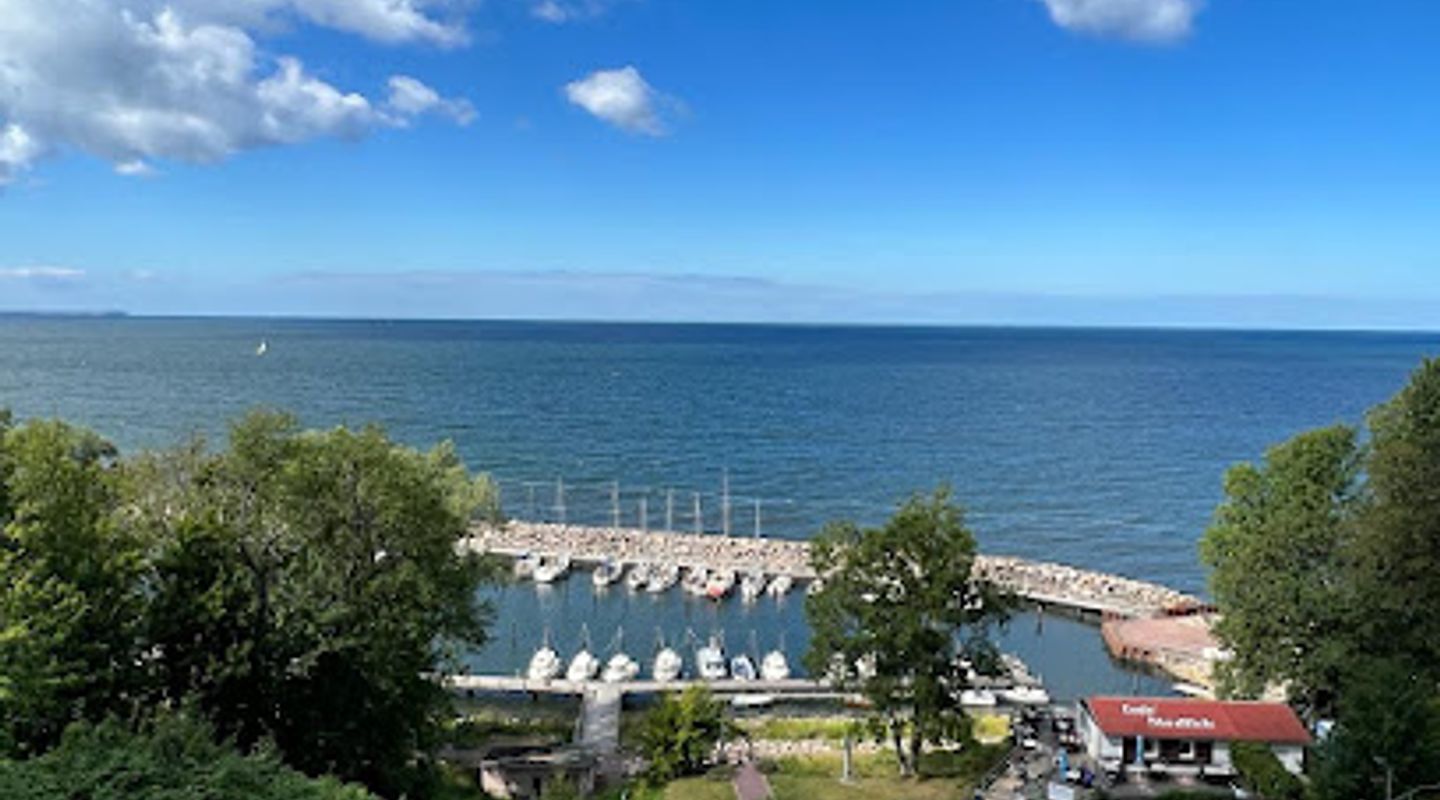
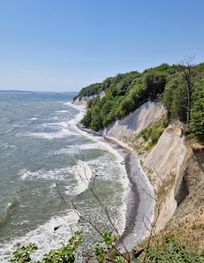
The Schwanenstein, or Swan Stone, is a prominent glacial erratic located just off the coast of Lohme on the island of Rügen. This 162-ton boulder, composed of hammer granite, is a striking feature in the Baltic Sea and a popular subject for photographers and hikers. Its name is derived from local folklore, where swans, rather than storks, deliver babies in the winter, supposedly hiding them within the stone until then. Beyond its geological significance, the Schwanenstein is also a poignant memorial to a tragic event in 1956, when three local boys perished after being stranded on the stone during a sudden storm. Today, it stands as a reminder of the power of nature and a testament to the enduring spirit of the island community, offering stunning views and a tranquil atmosphere for visitors exploring the Jasmund National Park.
A brief summary to Schwanenstein
- Lohme, 18551, DE

Know before you go
Hi, I'm Eve. Here are a few practical things to know before exploring Schwanenstein.
- Wear sturdy shoes for the coastal walk to the Schwanenstein, as the terrain can be uneven and rocky.
- Visit during sunset for stunning photo opportunities as the setting sun casts a golden glow on the stone and the Baltic Sea.
- Combine your visit with a hike along the Hochuferweg, a scenic trail that offers panoramic views of the Jasmund National Park's chalk cliffs.
Do you manage this location?
Take control to get all the benefits, like improved information, better appearance, and stronger visibility across AI-powered discovery. Learn more about listing your business on Evendo
Activate your presenceOther nearby places you may find interesting
The closest places of the same kind, if this one is not quite what you had in mind.


Explore Schwanenstein on the Map
A handpicked selection of must-see spots near Schwanenstein, mapped for you.
Getting There
-
Walking
From the Lohme harbor, the Schwanenstein is visible. Follow the coastal path eastwards for approximately 15-20 minutes. The path is well-marked but can be uneven in places. No special transport or fees are required. The path leads directly to the coastline near the Schwanenstein.
-
Public Transport
If arriving by bus in Lohme, disembark at the Lohme Hafen (harbor) stop. From there, follow the walking directions eastwards along the coastal path to reach the Schwanenstein (approximately 15-20 minutes). A single bus fare within Lohme is typically around €2-3. No additional costs are involved for accessing the Schwanenstein.
-
Driving
If driving, park in the designated parking areas near Lohme harbor. Parking fees vary, but expect to pay around €1-2 per hour or €5-8 for the day. From the parking area, walk eastwards along the coastal path for approximately 15-20 minutes to reach the Schwanenstein. No special transport or tolls are required.
Discover more about Schwanenstein













Your all‑in‑one travel companion app
Explore expert travel guides, compare and book tours, experiences, hotels, and more—all from the palm of your hand. Download now for seamless trip planning wherever your wanderlust takes you.


Explore More of Baltic Sea Coast
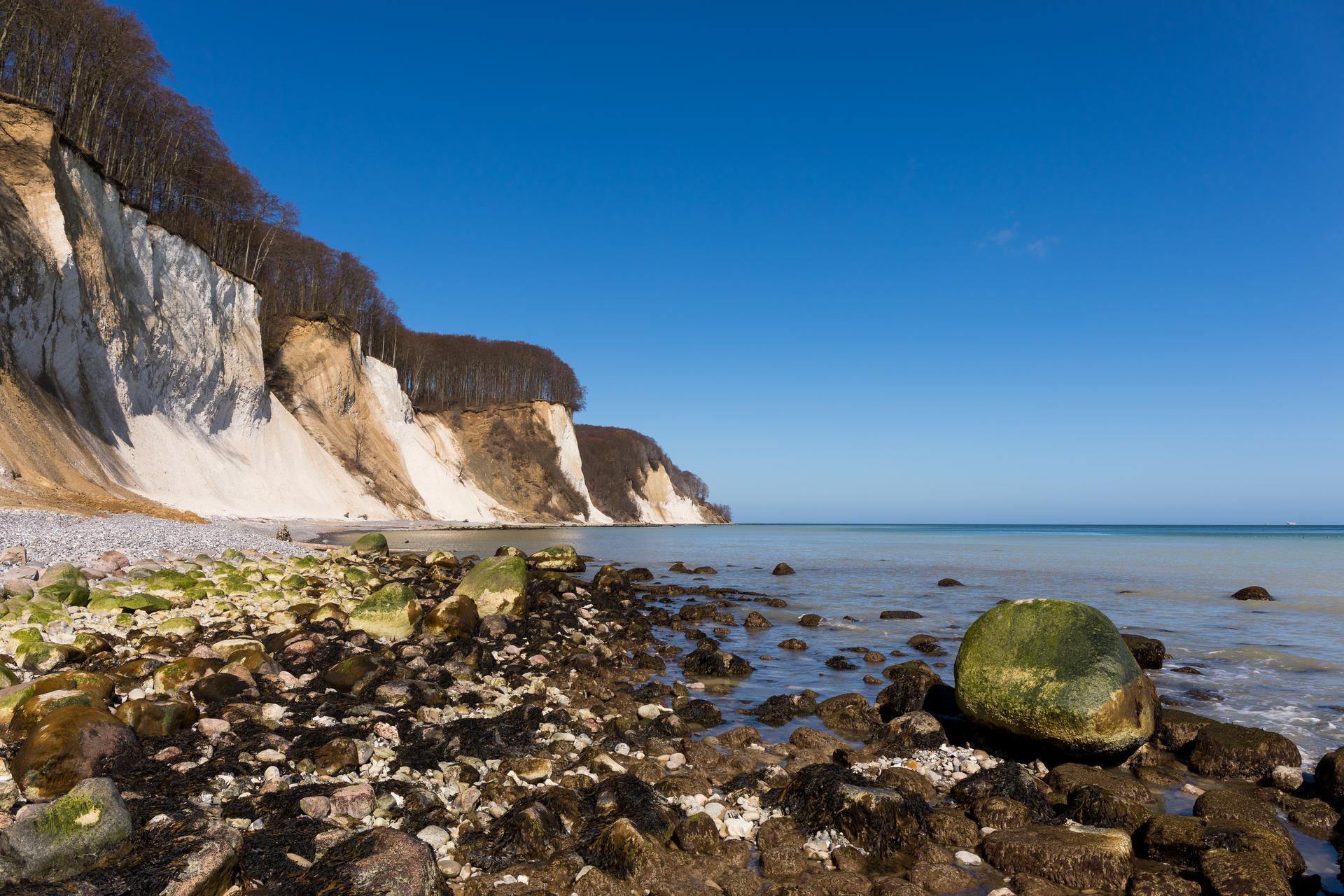
Looking beyond Schwanenstein? Discover Baltic Sea Coast for broader travel guides, local hot-spots, and regional highlights.
Explore Baltic Sea Coast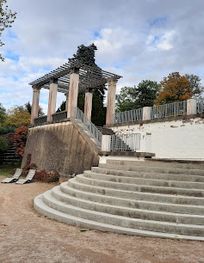
Explore the enchanting Schloss Park in Putbus, a serene green escape adorned with vibrant flowers and historical charm.
Explore the stunning beauty of the Königsstuhl National Park Centre, your gateway to the majestic chalk cliffs of Jasmund National Park.