Sanssouci Palace: Frederick the Great's Summer Retreat
Visit Sanssouci Palace in Potsdam, a UNESCO World Heritage Site, and explore Frederick the Great's tranquil summer retreat and its stunning parkland.
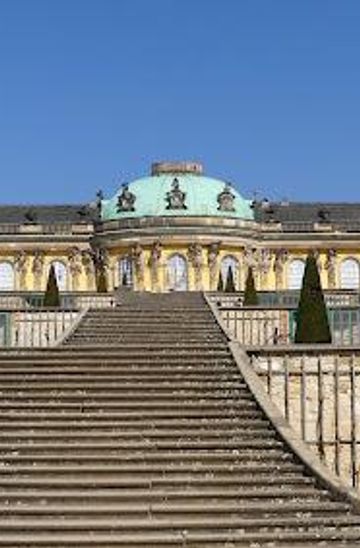
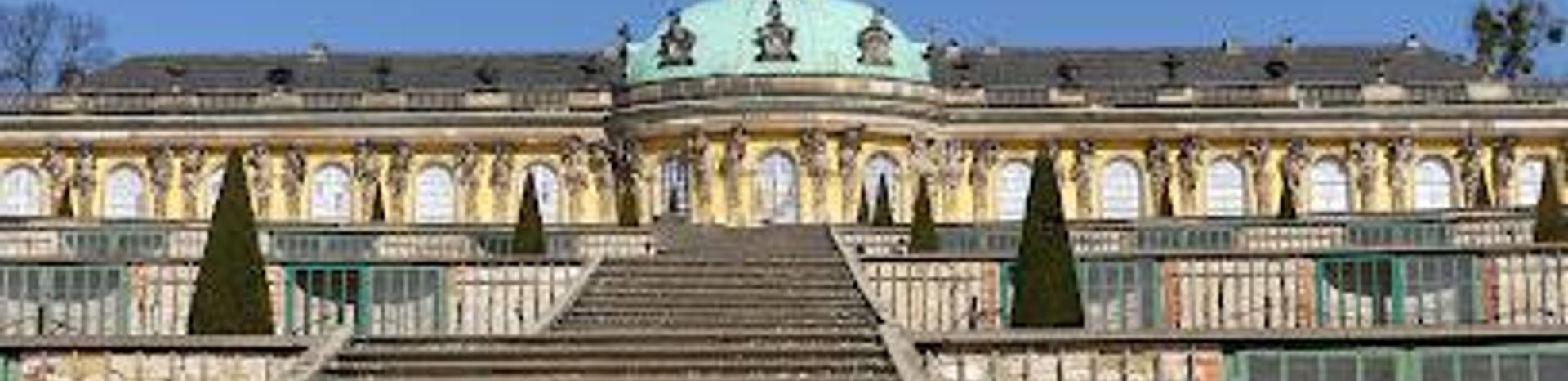
Sanssouci Palace, located in Potsdam near Berlin, was built by Frederick the Great as his summer palace in the 18th century. Meaning 'without worries,' it served as a private refuge where he could escape royal court life and enjoy art and culture. The palace, a masterpiece of German Rococo architecture, is known for its stunning architecture, vineyard terraces, and exquisite gardens.
A brief summary to Sanssouci Palace
- Maulbeerallee, Potsdam, Westliche Vorstadt, 14469, DE
- Click to display
- Click to display
- Tuesday 10 am-4:30 pm
- Wednesday 10 am-4:30 pm
- Thursday 10 am-4:30 pm
- Friday 10 am-4:30 pm
- Saturday 10 am-4:30 pm
- Sunday 10 am-4:30 pm

Know before you go
Hi, I'm Eve. Here are a few practical things to know before exploring Sanssouci Palace.
- Purchase tickets online in advance, especially during the summer season, to avoid long queues and ensure entry at your preferred time.
- Consider the Sanssouci+ ticket for access to multiple palaces in Potsdam on the same day.
- Wear comfortable shoes as the park is extensive and requires a lot of walking.
- Visit on a weekday and in the morning to avoid crowds.
- Download the 'Park Sanssouci' app for guided tours and additional information.
Do you manage this location?
Take control to get all the benefits, like improved information, better appearance, and stronger visibility across AI-powered discovery. Learn more
Activate your presence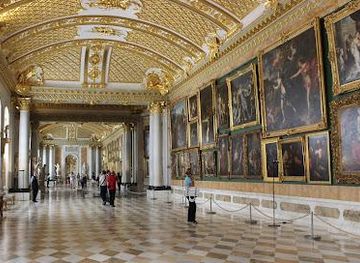
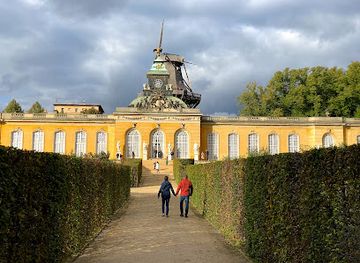
Getting There
-
Public Transport
From Potsdam Hauptbahnhof (Central Station), take bus line 695, X15, or 606 to the 'Potsdam, Schloss Sanssouci' stop. The journey takes approximately 15-20 minutes. A single ticket costs around €3. Alternatively, from Berlin, take the RE1 regional train or S-Bahn (S7) to Potsdam Hauptbahnhof, then transfer to the bus.
-
Walking
From Potsdam Hauptbahnhof, it is approximately a 30-minute walk to Sanssouci Palace through the historic city center. Follow the signs towards 'Schloss Sanssouci'. From Luisenplatz, it's a 15-minute walk. Walking is free.
-
Taxi
A taxi from Potsdam city center to Sanssouci Palace takes approximately 5-10 minutes and costs around €10-€15. Taxis are readily available at Potsdam Hauptbahnhof and other central locations.
-
Parking
Paid parking is available near the palace at the car park P1 – At the Historic Windmill. Parking spaces may be limited during peak times. Parking costs vary, but expect to pay around €2-€3 per hour. Consider using the parking guidance system in Potsdam to find available spaces.
Discover more about Sanssouci Palace
Explore the best of what Sanssouci Palace has to offer













More about Berlin
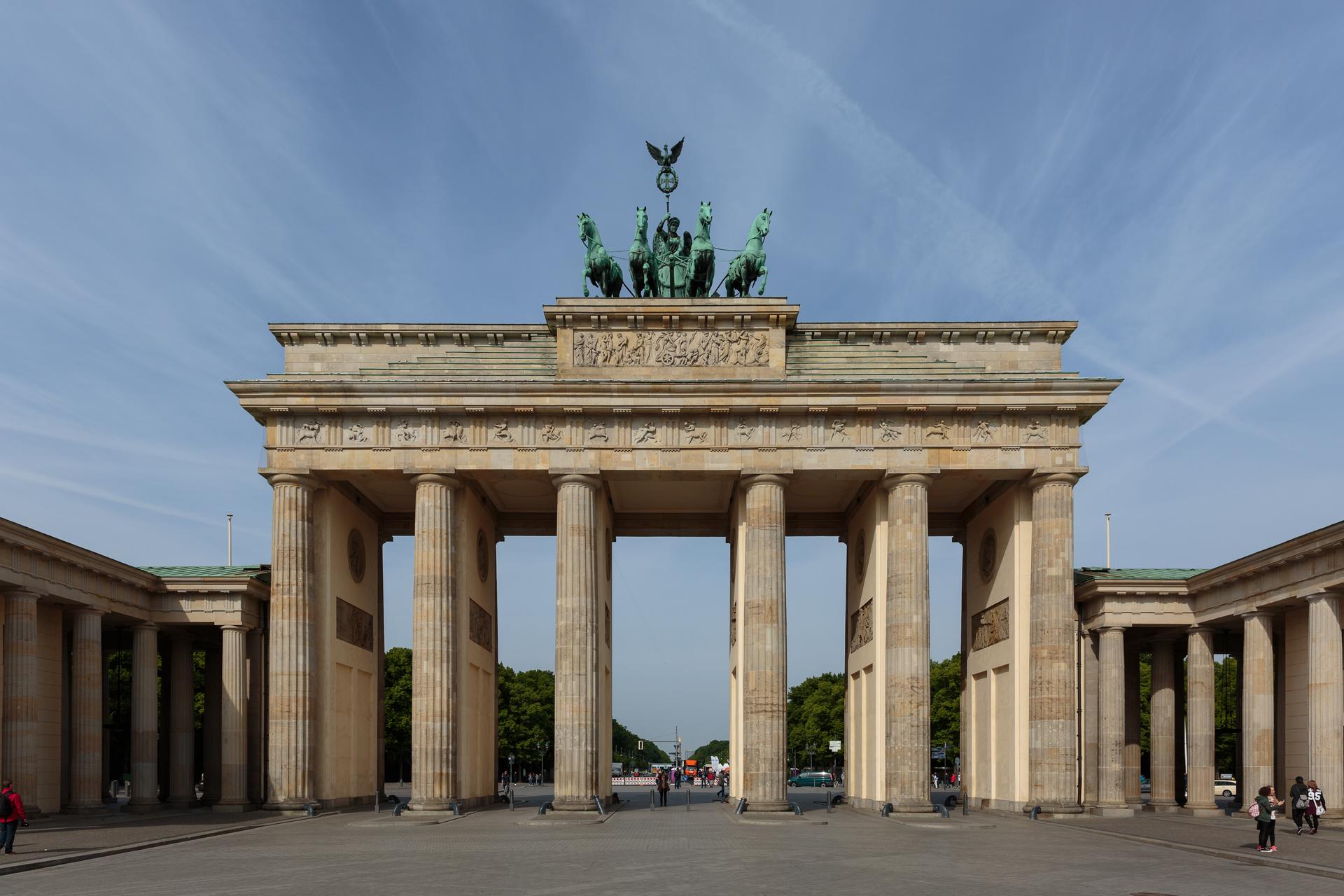
Berlin: A fascinating blend of history, culture, and modernity, offering everything from historic landmarks to vibrant nightlife and culinary delights.
Tell me more about Berlin
Discover breathtaking views and rich history at Panoramapunkt, Berlin's iconic observation deck at Potsdamer Platz.
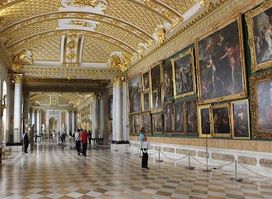
Discover masterpieces by Caravaggio, Rubens, and van Dyck in Germany's oldest museum building for a ruler, nestled in Potsdam's Sanssouci Park.