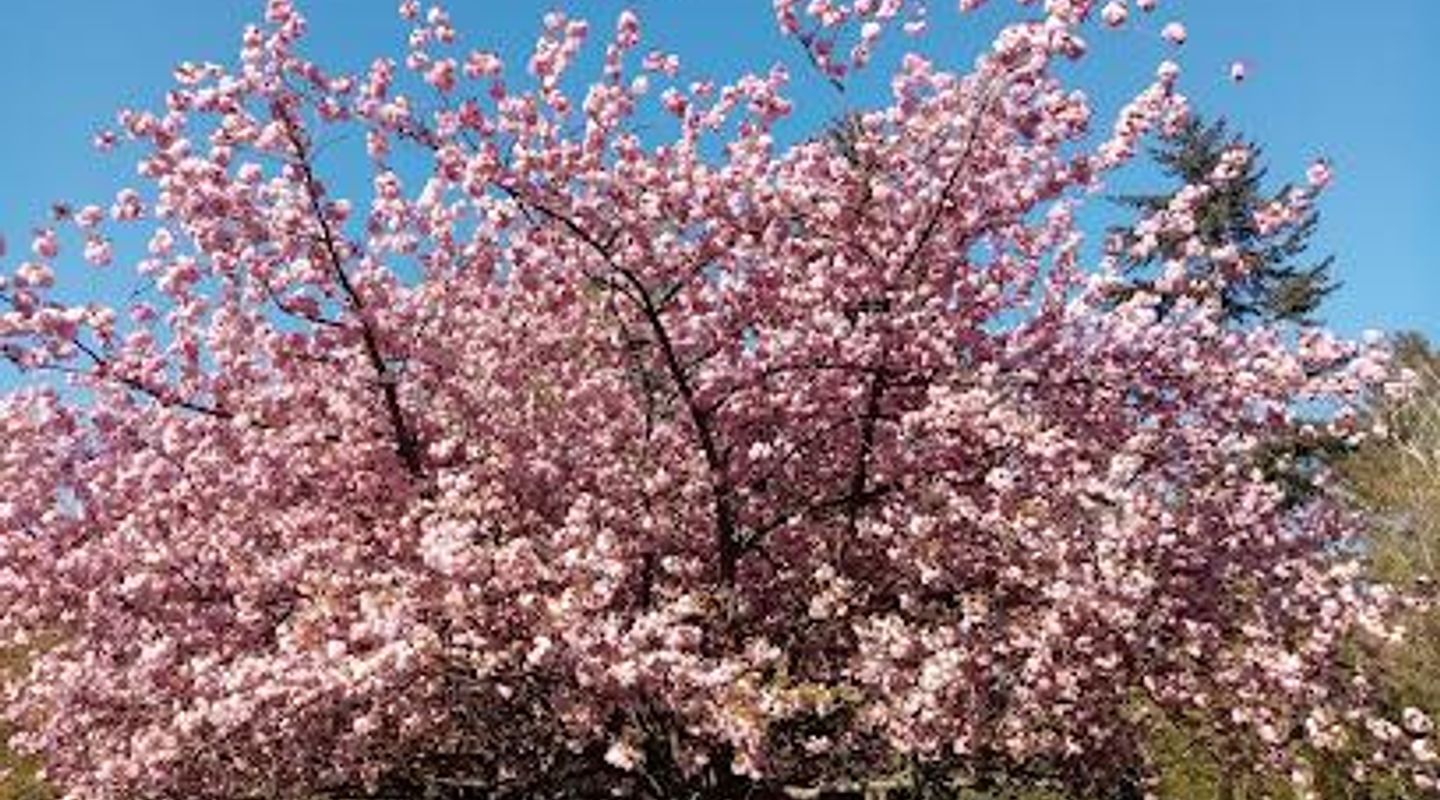
Bornholmer Str., Berlin Travel Guide
Visit Bornholmer Straße in Berlin, the site of the first Berlin Wall opening in 1989, and reflect on the history of a divided city and its joyous reunification.
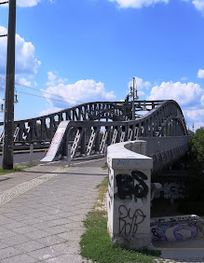
Bornholmer Straße marks the historic site of the first border crossing to open during the fall of the Berlin Wall in November 1989. Today, little remains of the original crossing, but the area serves as a poignant reminder of the events that led to Germany's reunification. Visitors can explore commemorative plaques, information panels, and preserved sections of the Hinterland wall, offering insights into the Wall's impact on the city and its people. The nearby Bösebrücke bridge, once a heavily guarded crossing point, now stands as a symbol of unity, inviting reflection on the past and celebration of freedom. While physical remnants are scarce, the location's historical significance and the stories it holds make it a compelling stop for those seeking to understand Berlin's divided past and its triumphant reunification. The area is easily accessible by public transport, making it a convenient and meaningful addition to any Berlin itinerary.
A brief summary to Bornholmer Str.
- Berlin, DE

Know before you go
Hi, I'm Eve. Here are a few practical things to know before exploring Bornholmer Str..
- Take time to walk across the Bösebrücke bridge, imagining the crowds that surged across it on the night the Wall fell.
- Visit the Platz des 9. November 1989 to learn more about the history of the border crossing and the events of that pivotal night.
- Look for the preserved section of the Hinterland wall near the eastern end of the Bösebrücke bridge for a tangible reminder of the division that once existed.
- Explore the surrounding Prenzlauer Berg district, known for its charming streets, cafes, and cultural attractions.
- Consider visiting the Berlin Wall Memorial on Bernauer Straße to gain a deeper understanding of the Wall's history and impact.
Do you manage this location?
Take control to get all the benefits, like improved information, better appearance, and stronger visibility across AI-powered discovery. Learn more about listing your business on Evendo
Activate your presenceOther nearby places you may find interesting
The closest places of the same kind, if this one is not quite what you had in mind.
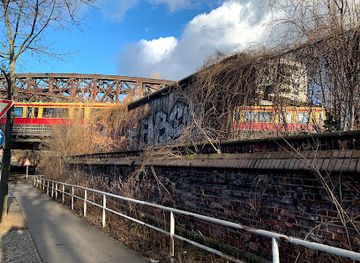
Explore Bornholmer Str. on the Map
A handpicked selection of must-see spots near Bornholmer Str., mapped for you.
Unlock the Best of Bornholmer Str.
Buy tickets
-
No tickets available
Book tours with entry

Book tours without entry
-
No tours available
Getting There
-
Public Transport
The easiest way to reach Bornholmer Straße is by public transport. Take the S-Bahn to Bornholmer Straße station (lines S1, S2, S25, S26, S8, S85). The station is located directly adjacent to the Bösebrücke bridge, the site of the former border crossing. Alternatively, you can take the tram (lines M13, 50) or bus (lines 50, M13, M27, N2) to the Schönhauser Allee/Bornholmer Straße stop, which is a short walk from the bridge. A single ticket for zones A and B costs €3.50.
-
Taxi/Ride-Share
If arriving by taxi or ride-sharing service, simply provide 'Bornholmer Straße' as your destination. Be aware that traffic can be heavy in this area, especially during peak hours. A taxi ride from Alexanderplatz will cost approximately €15-€20, depending on traffic.
-
Walking
If you are already in the Prenzlauer Berg or Wedding districts, walking to Bornholmer Straße is a viable option. From Mauerpark, head north along Schwedter Straße, then turn right onto Bornholmer Straße. The Bösebrücke bridge will be visible in the distance. From the East Side Gallery, take the S-Bahn from Ostbahnhof to Bornholmer Strasse (approx. 25 minutes). Alternatively, take bus 300 from East Side Gallery to the stop 'Philharmonie' and then take the S-Bahn S1, S2 or S25 to Bornholmer Strasse. The walk from the station is very short.
Discover more about Bornholmer Str.













Your all‑in‑one travel companion app
Explore expert travel guides, compare and book tours, experiences, hotels, and more—all from the palm of your hand. Download now for seamless trip planning wherever your wanderlust takes you.


Explore More of Berlin
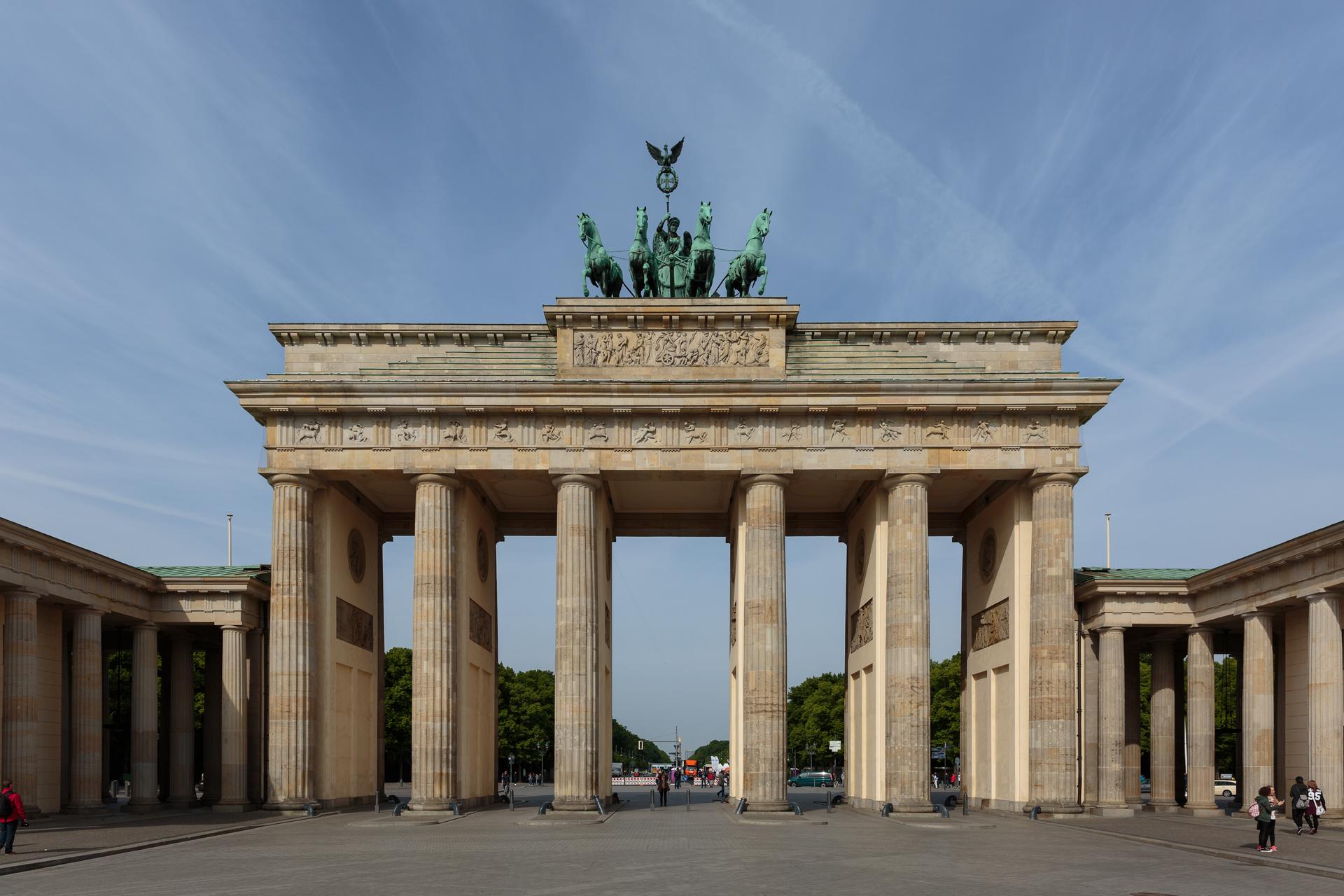
Looking beyond Bornholmer Str.? Discover Berlin for broader travel guides, local hot-spots, and regional highlights.
Explore Berlin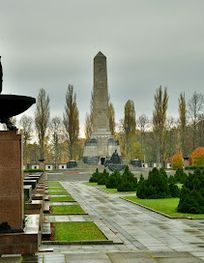
Explore the Soviet War Memorial in Berlin: A serene memorial park honoring the valiant soldiers of World War II amidst lush greenery.
Visit the site where the Berlin Wall first opened on November 9, 1989, marking a pivotal moment in history and the triumph of freedom over division.