Background

Orangerie Palace: A Slice of Italy in Potsdam

Discover Potsdam's Orangerie Palace: A stunning Italian Renaissance-inspired landmark in Sanssouci Park, showcasing Prussian royalty's artistic vision and horticultural passions.

4.8

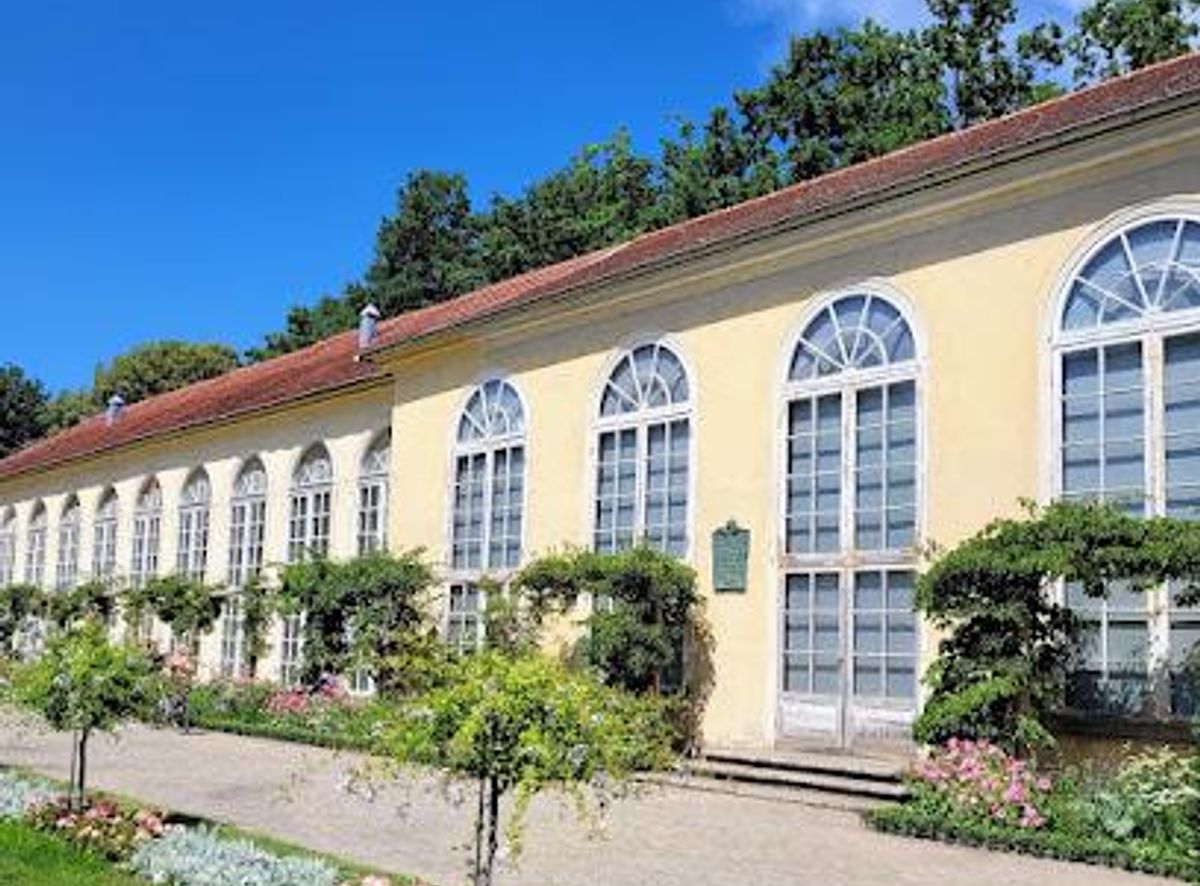
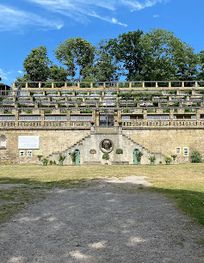
The Orangerie Palace, nestled within Potsdam's sprawling Sanssouci Park, offers a captivating glimpse into Prussian royalty's romantic vision. Commissioned by King Frederick William IV, the "Romantic on the Throne," this Italian Renaissance-style palace served as a winter refuge for exotic plants and a showcase for his art collection. Today, visitors can explore the Raffael Hall, adorned with copies of Renaissance masterpieces, wander through the meticulously designed gardens, and imagine the lavish court life that once unfolded within its walls. Though currently undergoing restoration, the Orangerie remains a must-see landmark, embodying the architectural splendor and historical significance of Potsdam's UNESCO World Heritage site. Its sheer scale and artistic treasures make it a unique destination, transporting visitors to a bygone era of Prussian grandeur and Italian inspiration, all within the serene setting of Sanssouci Park.

A brief summary to Orangerie

  • Im Neuen Garten 6, Potsdam, Nördliche Vorstädte, 14469, DE
  • Visit website

Local tips

  • Check the official SPSG website for updates on the restoration progress and reopening date, as access is currently limited.
  • Purchase a Sanssouci+ ticket online in advance to save time and guarantee entry to other palaces in the park when the Orangerie reopens.
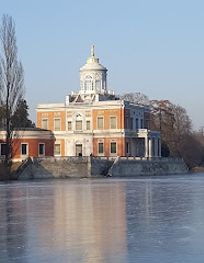
  • Explore the surrounding Neuer Garten, a landscape park with hidden architectural gems like the Marble Palace and Cecilienhof Palace.
  • Visit during the warmer months (May-October) to fully appreciate the meticulously designed Italian Renaissance gardens surrounding the palace.
  • Take bus 695 to the 'Orangerie' stop for convenient access, but be prepared for a short uphill walk to the palace itself.
widget icon

Getting There

  • Public Transport

    From Potsdam Hauptbahnhof (main train station), take tram line 91 or 92 towards 'Kirschallee' or 'Campus Fachhochschule'. Get off at the 'Potsdam, Schloss Sanssouci' stop. From there, it's approximately a 15-minute walk through Sanssouci Park to the Orangerie. Alternatively, take bus 695 from Potsdam Hauptbahnhof to the 'Orangerie' stop, which is closer but still requires a short uphill walk. A single VBB (Verkehrsverbund Berlin-Brandenburg) ticket costs around €3.80.

  • Walking

    From Sanssouci Palace, follow the signs towards the Neues Palais (New Palace). The Orangerie is located further north, past the New Palace. The walk is approximately 20-30 minutes, depending on your pace. The path is mostly paved and relatively flat, but there is a slight incline as you approach the Orangerie. There are no specific costs associated with walking, as access to Sanssouci Park is generally free, but a voluntary contribution to support the preservation of the gardens is welcome.

  • Taxi/Ride-Share

    A taxi or ride-sharing service from Potsdam Hauptbahnhof to the Orangerie takes approximately 10-15 minutes, depending on traffic. The estimated cost is between €15-€20. Be sure to specify 'Orangerie im Neuen Garten' to the driver to avoid confusion with other Orangerie locations in Potsdam. Note that drop-off may not be directly at the entrance, requiring a short walk.

  • Driving

    If driving, follow signs for 'Neuer Garten' and 'Orangerie'. Limited paid parking is available at car park P1 near the Historic Windmill or P3 at the New Palace. Parking fees typically range from €2-€3 per hour. From the parking areas, it's a 10-15 minute walk to the Orangerie. Check www.mobil-potsdam.de for current traffic and parking information.

Unlock the Best of Orangerie

Buy tickets

    No tickets available

Book tours with entry

    No tours available

Book tours without entry

    No tours available

Discover more about Orangerie

The Orangerie Palace, also known as the New Orangery on the Klausberg, stands as a testament to King Frederick William IV's artistic vision and romantic sensibilities. Located in the northern part of Sanssouci Park, Potsdam, this magnificent structure was built between 1851 and 1864, drawing inspiration from the Italian Renaissance. The palace served a dual purpose: to provide a winter home for the royal gardens' collection of exotic plants and to offer a space for the King to display his collection of art, particularly copies of Raphael paintings. Frederick William IV, often called the "Romantic on the Throne," personally sketched designs for the Orangerie, reflecting his deep appreciation for Italian architecture and art. He envisioned a "Road of Triumph" that would connect the palace to the Belvedere on the Klausberg, creating a grand vista across the park. Although the complete vision never materialized due to political unrest and funding constraints, the Orangerie Palace remains a significant landmark, showcasing the King's ambition and artistic inclinations. The palace's architecture is heavily influenced by Italian Renaissance villas, particularly the Villa Medici in Rome and the Uffizi in Florence. The 300-meter-long façade is a striking feature, creating an imposing presence within Sanssouci Park. The complex comprises a central palace building flanked by two long plant halls. These halls, with their expansive windows, were designed to maximize sunlight exposure for the delicate plants housed within. Even today, the plant halls continue to serve their original purpose, providing winter storage for frost-sensitive plants. The heart of the Orangerie Palace is the Raffael Hall, a two-story museum hall modeled after the Sala Regia in the Vatican. This hall houses a collection of over 50 copies of Raphael paintings, meticulously reproduced by Prussian artists in the 19th century. The paintings, displayed in ornate golden frames against a backdrop of red silk damask, create a stunning visual spectacle. The Raffael Hall has always been open to the public, making it one of the most important museum spaces in Potsdam and Germany. Beyond the Raffael Hall, the central building features lavishly decorated royal apartments and living quarters. These rooms, adorned with exquisite artwork and furnishings, once hosted prominent guests, including the Tsar's widow and the King of Italy. The attention to detail in the design and decoration of these spaces reflects the opulence and grandeur of the Prussian court. The gardens surrounding the Orangerie Palace were designed by Peter Joseph Lenné, a renowned garden architect. Lenné styled the gardens after the Italian Renaissance, incorporating elements such as terraces, fountains, and sculptures. The Paradise Garden, located to the west of the palace, features a diverse collection of exotic flowers and plants. The Botanical Garden, with its systematically arranged plantings, serves as a teaching garden for the University of Potsdam. To the east, the Norse and Sicilian Gardens offer contrasting landscapes, showcasing Lenné's versatility and artistic vision. The Orangerie Palace has undergone several renovations and restorations throughout its history. Today, the palace is part of the UNESCO World Heritage Site "Palaces and Parks of Potsdam and Berlin" and is administered by the Prussian Palaces and Gardens Foundation Berlin-Brandenburg. While the palace is currently closed for restoration work as part of the "Prussian Palaces and Gardens Master Plan", it remains a significant cultural landmark and a testament to the artistic vision of Frederick William IV. Visiting the Orangerie Palace offers a unique opportunity to step back in time and experience the splendor of Prussian royalty. The palace's architecture, art collection, and gardens combine to create a captivating destination that embodies the romantic spirit of the 19th century. Whether you are an art enthusiast, a history buff, or simply seeking a beautiful and serene escape, the Orangerie Palace is sure to leave a lasting impression. While exploring Sanssouci Park, take the time to appreciate the other architectural gems that surround the Orangerie. Sanssouci Palace, the summer residence of Frederick the Great, is a masterpiece of Rococo architecture. The New Palace, with its opulent interiors, showcases the grandeur of the Prussian court. Cecilienhof Palace, located in the New Garden, is where the Potsdam Conference took place in 1945, shaping the future of post-war Germany. Each of these landmarks contributes to the rich history and cultural significance of Potsdam, making it a truly unforgettable destination. The Orangerie Palace stands as a symbol of Potsdam's historical significance and architectural beauty. Its unique blend of Italian Renaissance style and Prussian romanticism makes it a must-see destination for any traveler seeking to immerse themselves in the rich cultural heritage of Germany. Though currently closed for renovations, the palace's legacy continues to inspire and captivate visitors from around the world, promising an even more enriching experience upon its reopening.

Popular Experiences near Orangerie

Popular Hotels near Orangerie

Select Currency