Rudolf Virchow Monument, Berlin Travel Guide
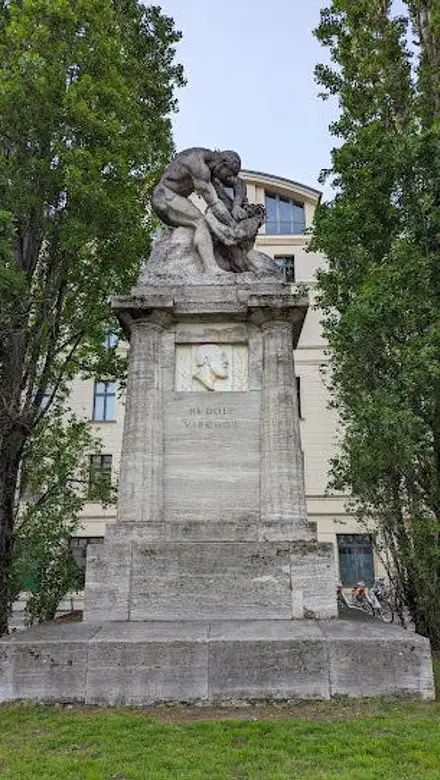
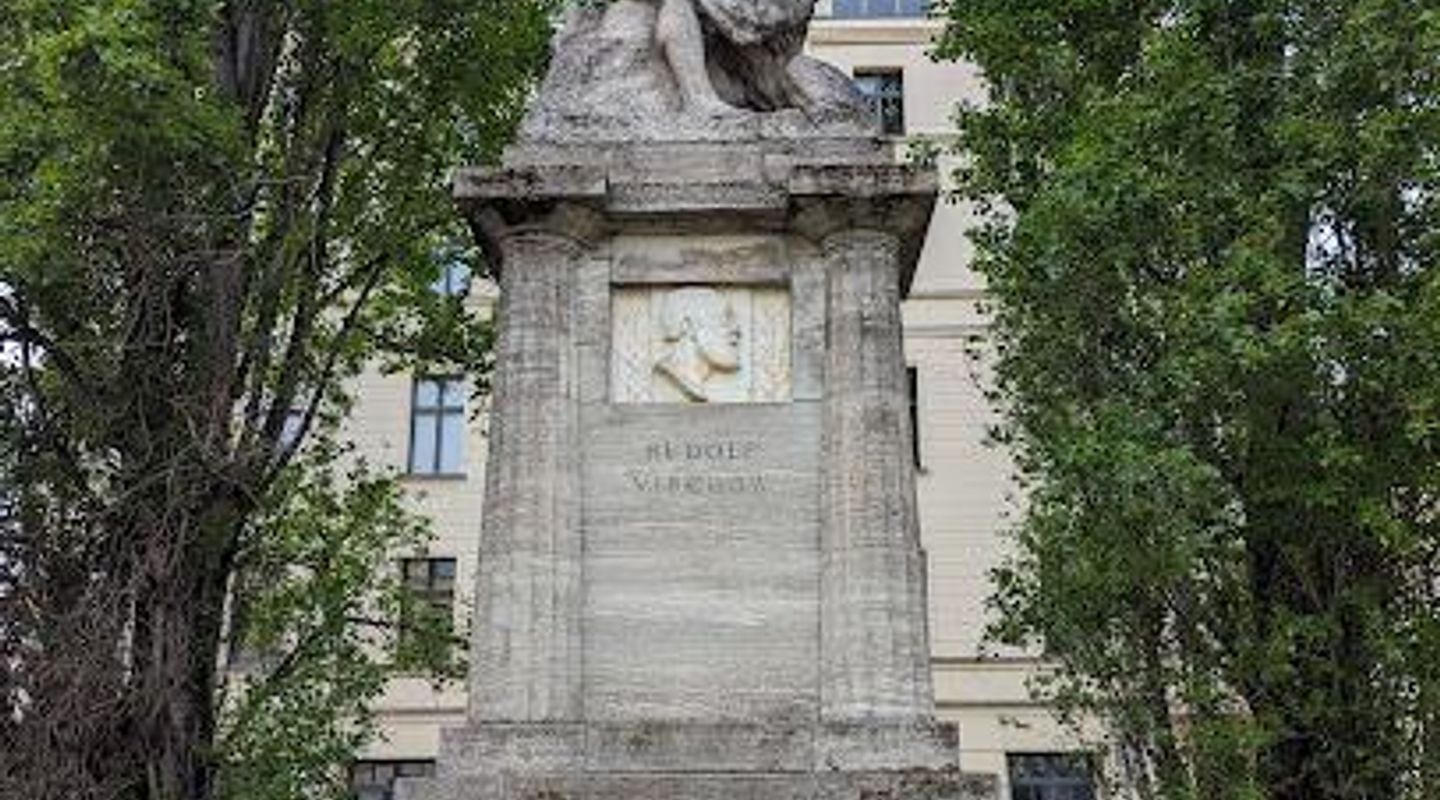
A neoclassical monument in Berlin honoring Rudolf Virchow, the father of modern pathology, and his contributions to medicine, public health, and social reform.
The Rudolf Virchow Monument in Berlin stands as a tribute to Rudolf Virchow, a towering figure in 19th-century medicine and public health. Located in the Mitte district, the monument honors Virchow's contributions as a pathologist, archaeologist, politician, and social reformer. Created by Fritz Klimsch between 1906 and 1910, the neoclassical statue depicts Virchow and symbolizes humanity's fight against disease. Visiting the monument offers a moment to reflect on Virchow's lasting impact on medicine and society, his work laid the foundation for modern pathology and significantly influenced public health policies. The monument is easily accessible and provides a compelling glimpse into Berlin's rich history and intellectual heritage. While there, take a moment to appreciate the artistry of Klimsch's work and the enduring legacy of a man who revolutionized the understanding and treatment of disease.
A brief summary to Rudolf Virchow Monument
- Reinhardtstraße 40, Berlin, Mitte, 10117, DE

Know before you go
Hi, I'm Eve. Here are a few practical things to know before exploring Rudolf Virchow Monument.
- Combine your visit with a trip to the Berliner Medizinhistorisches Museum der Charité to see Virchow's collection of pathological specimens.
- Take a stroll through the surrounding Mitte district to explore other historical landmarks and cultural attractions.
- Visit Alter St.-Matthäus-Kirchhof, where Virchow is buried, to pay respects and learn more about his life.
Do you manage this location?
Take control to get all the benefits, like improved information, better appearance, and stronger visibility across AI-powered discovery. Learn more about listing your business on Evendo
Activate your presenceOther nearby places you may find interesting
The closest places of the same kind, if this one is not quite what you had in mind.
Explore Rudolf Virchow Monument on the Map
A handpicked selection of must-see spots near Rudolf Virchow Monument, mapped for you.
Unlock the Best of Rudolf Virchow Monument
Buy tickets
-
No tickets available
Book tours with entry

Book tours without entry
-
No tours available
Getting There
-
Public Transport
The Rudolf Virchow Monument is easily accessible via public transport. Take the U6 subway line to Oranienburger Tor station, which is a short walk from the monument. Alternatively, you can take the S-Bahn to Friedrichstraße station and walk approximately 10 minutes. Several bus lines also stop near the monument, including lines 147, 245, 300 and M41, with the closest bus stop being Karlplatz. A single fare for public transport in Berlin (AB zone) is around €3.00.
-
Taxi/Ride-Share
Taxis and ride-sharing services are readily available in Berlin. A short taxi ride from Berlin Central Station (Hauptbahnhof) to the Rudolf Virchow Monument will cost approximately €8-€12, depending on traffic. Ride-sharing services like Uber or Bolt may offer slightly lower fares.
-
Walking
If you are already in the Mitte district, walking to the Rudolf Virchow Monument is a pleasant option. From Berlin Central Station, it's approximately a 20-minute walk. Head east along Reinhardtstraße, passing notable landmarks such as the Friedrichstadt-Palast. The monument is located on Karlplatz, a small park area along Reinhardtstraße.
-
Driving
If driving, be aware that parking in the Mitte district can be limited and expensive. There are several parking garages in the vicinity, including PARK ONE Tiefgarage Reinhardtstraße at Reinhardtstraße 27A, with hourly rates around €2.50. Street parking is also available, but it is often metered and may have time restrictions. Check local signs for parking regulations.
Discover more about Rudolf Virchow Monument
More to explore near Rudolf Virchow Monument













Your all‑in‑one travel companion app
Explore expert travel guides, compare and book tours, experiences, hotels, and more—all from the palm of your hand. Download now for seamless trip planning wherever your wanderlust takes you.


Explore More of Berlin
Looking beyond Rudolf Virchow Monument? Discover Berlin for broader travel guides, local hot-spots, and regional highlights.
Explore Berlin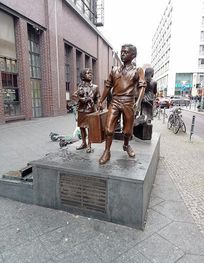
Discover the poignant history of the Kindertransport at Trains to Life – Trains to Death, a memorial in Berlin reflecting on resilience and hope.
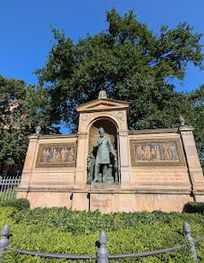
A tribute to Albrecht von Graefe, the father of modern ophthalmology, whose groundbreaking work revolutionized eye care and left an enduring legacy in Berlin's Mitte district.