St. Petri Dom Bremen, Bremen Travel Guide
Discover Bremen's iconic St. Petri Dom, a magnificent cathedral with over 1200 years of history, stunning Gothic architecture, and a captivating blend of art, history, and spirituality.
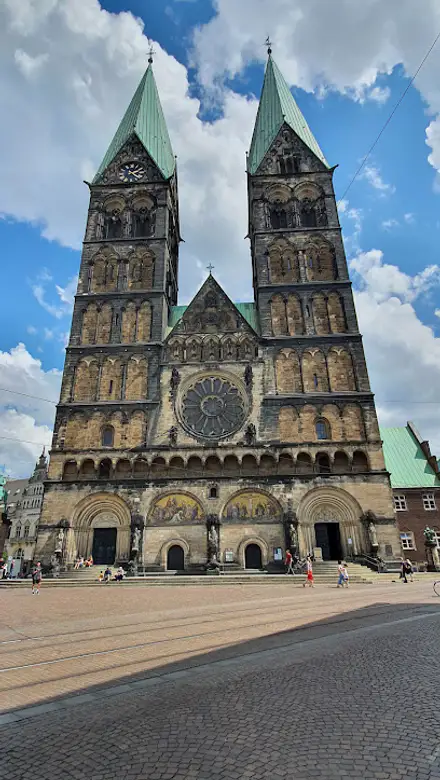
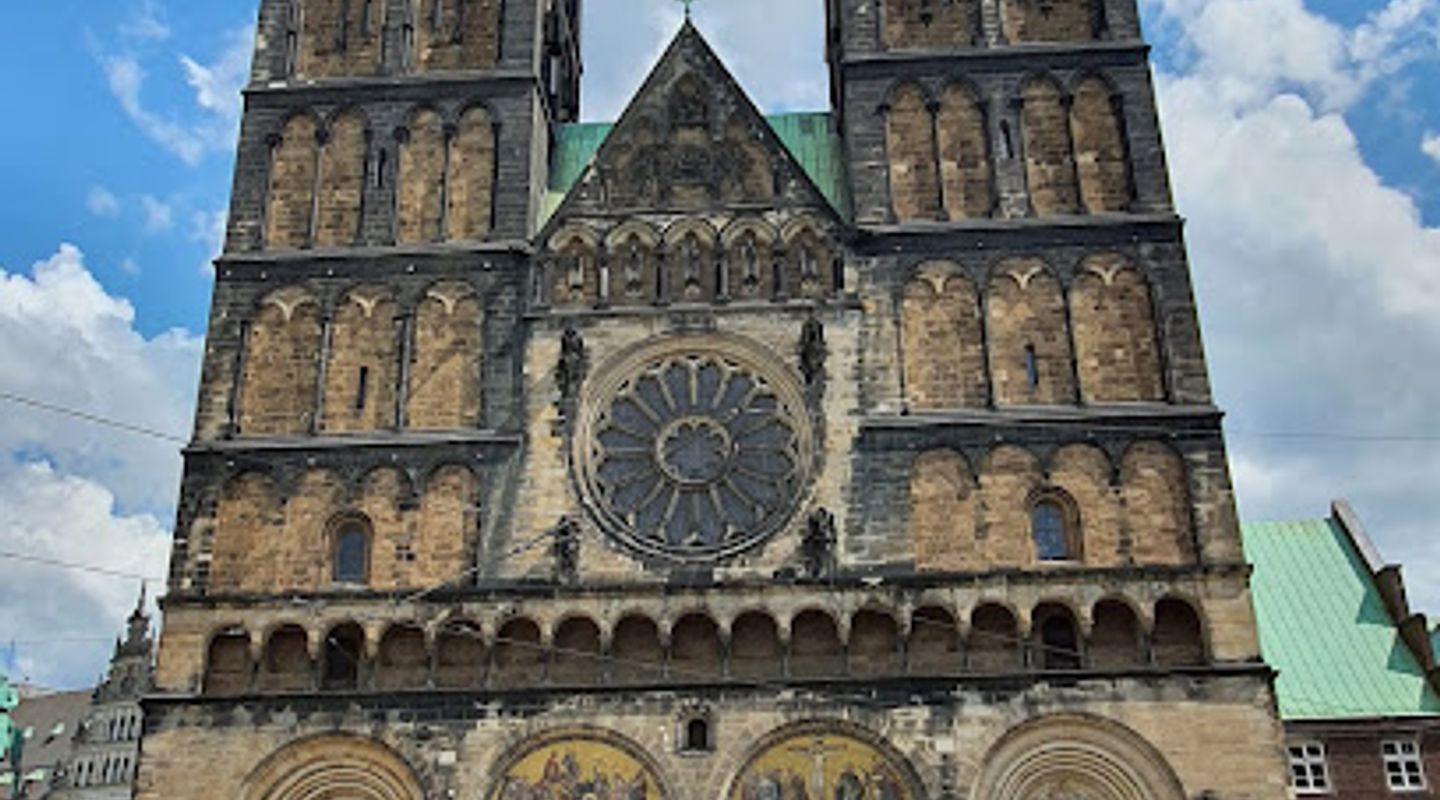
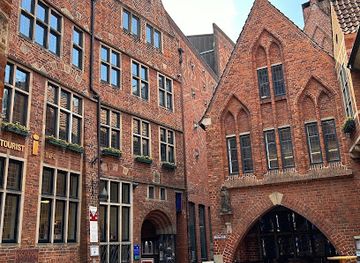
St. Petri Dom, or Bremen Cathedral, is a towering landmark in the heart of Bremen, Germany, boasting a history spanning over 1200 years. Originally founded in 789, the cathedral has evolved through Romanesque and Gothic architectural styles, with significant restorations shaping its current appearance. Visitors can explore its impressive interior, featuring stained glass windows, intricate carvings, and historical artifacts like the bronze baptismal font. Climb the south tower for panoramic city views, or descend into the eerie Lead Cellar to see mummified remains. The Dom-Museum offers insights into the cathedral's past, displaying sacred art and archaeological finds. St. Petri Dom stands as a testament to Bremen's rich cultural and spiritual heritage, offering a captivating experience for history enthusiasts and casual visitors alike.
A brief summary to St. Petri Dom Bremen
- Sandstraße 10-12, Bremen, Mitte, 28195, DE
- Click to display
- Click to display
- Monday 10 am-5 pm
- Tuesday 10 am-5 pm
- Wednesday 10 am-5 pm
- Thursday 10 am-5 pm
- Friday 10 am-5 pm
- Saturday 10 am-5 pm
- Sunday 11:30 am-5 pm

Know before you go
Hi, I'm Eve. Here are a few practical things to know before exploring St. Petri Dom Bremen.
- Climb the south tower for panoramic views of Bremen; the tower is open to the public for a small fee.
- Visit the Bleikeller (Lead Cellar) to see the naturally mummified corpses, a unique and slightly eerie experience.
- Explore the Dom-Museum for free to delve deeper into the cathedral's history and see its collection of sacred art and archaeological finds.
- Check the cathedral's schedule for concerts or events; the acoustics and atmosphere are exceptional.
- Take a guided tour to learn about the cathedral's rich history and architectural details; tours are available in multiple languages.
Do you manage this location?
Take control to get all the benefits, like improved information, better appearance, and stronger visibility across AI-powered discovery. Learn more about listing your business on Evendo
Activate your presenceOther nearby places you may find interesting
The closest places of the same kind, if this one is not quite what you had in mind.
Explore St. Petri Dom Bremen on the Map
A handpicked selection of must-see spots near St. Petri Dom Bremen, mapped for you.
Unlock the Best of St. Petri Dom Bremen
Buy tickets
-
No tickets available
Book tours with entry


Getting There
-
Walking
St. Petri Dom is centrally located in Bremen's Altstadt (Old Town), specifically on the Marktplatz (Market Square). From Bremen Hauptbahnhof (Central Station), walk straight ahead following the tram lines on Bahnhofstraße. Continue onto Domshof, passing the Bremer Marktplatz on your left. The Dom will be directly in front of you. The walk is approximately 10-15 minutes. Note that the Marktplatz and Domshof are pedestrian zones.
-
Public Transport
The closest tram stop to St. Petri Dom is Domsheide. Several tram lines (2, 3, 4, 5, 6, 8) stop at Domsheide. From Bremen Hauptbahnhof, take any of these tram lines to Domsheide (2 stops). From Domsheide, walk approximately 4 minutes to the Dom, heading towards the Bremer Marktplatz. A single tram ticket costs €2.85.
-
Taxi/Ride-Share
Taxis and ride-sharing services are readily available in Bremen. A taxi ride from Bremen Hauptbahnhof to St. Petri Dom typically costs between €8-€12, depending on traffic. The journey takes approximately 5-10 minutes. Request to be dropped off near the Marktplatz, as direct vehicle access to the Dom is limited.
-
Driving
Driving directly to St. Petri Dom is not recommended due to the pedestrian zone in the city center. The closest parking garage is 'Parkhaus Am Dom' located at Domshof 26, 28195 Bremen. From the parking garage, it is a short 3-minute walk to the Dom. Parking fees at Parkhaus Am Dom are approximately €3 per hour.
Discover more about St. Petri Dom Bremen













Your all‑in‑one travel companion app
Explore expert travel guides, compare and book tours, experiences, hotels, and more—all from the palm of your hand. Download now for seamless trip planning wherever your wanderlust takes you.


Explore More of Bremen
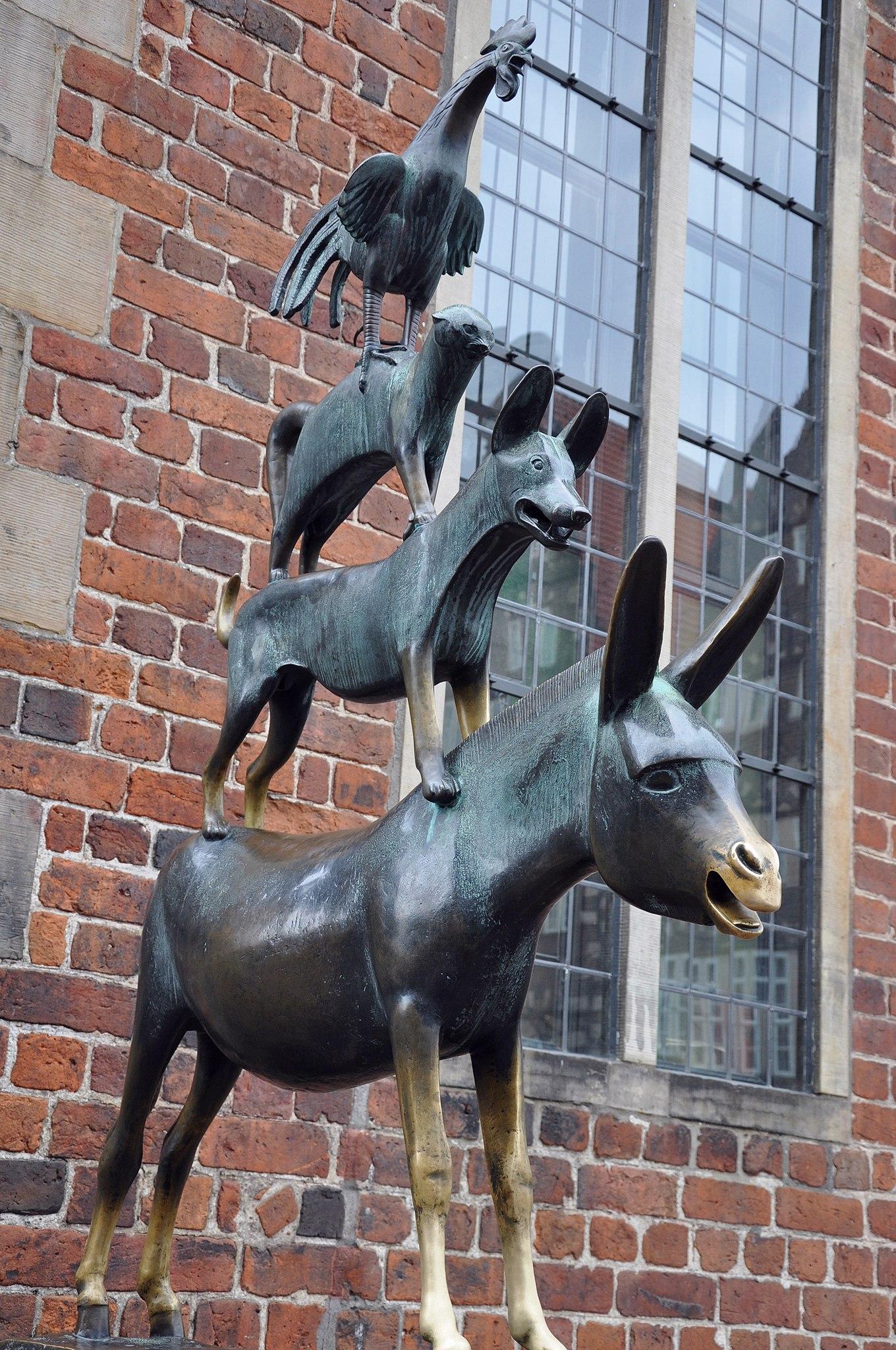
Looking beyond St. Petri Dom Bremen? Discover Bremen for broader travel guides, local hot-spots, and regional highlights.
Explore Bremen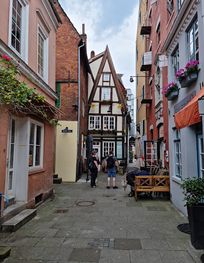
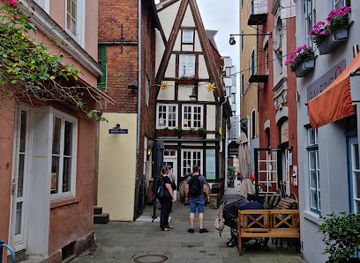
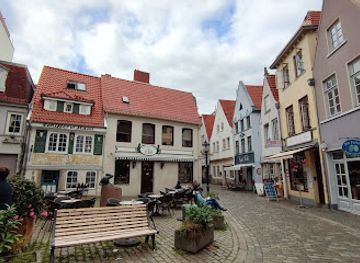
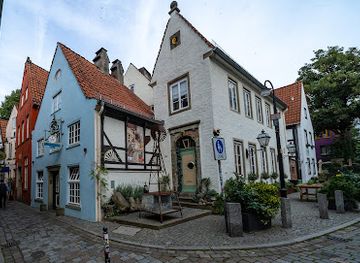
Explore Bremen's oldest district: a charming maze of cobblestone streets, half-timbered houses, artisan shops, and cozy cafes, offering a glimpse into the city's medieval past and vibrant present.
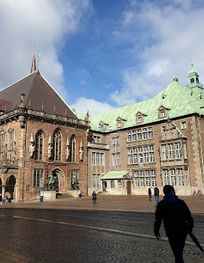
Discover Bremen's rich ecclesiastical history at the Dom-Museum, nestled within the iconic St. Peter's Cathedral, showcasing medieval treasures and artifacts from bishop's tombs.