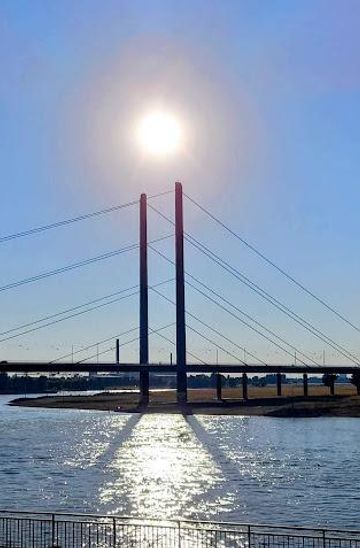
Rheinkniebrücke: Düsseldorf's Graceful River Crossing
Experience breathtaking views from Düsseldorf's iconic Rheinkniebrücke, a stunning cable-stayed bridge connecting the city's districts and offering panoramic vistas of the Rhine.
The Rheinkniebrücke, or Rhine Knee Bridge, is an iconic cable-stayed bridge in Düsseldorf, Germany, gracefully arching over the Rhine River. Completed in 1969, it connects the districts of Unterbilk and Oberkassel, offering stunning panoramic views of the city skyline. More than just a thoroughfare, it's a popular spot for locals and tourists alike, providing dedicated pedestrian and cycle paths. Visit during sunset to witness the golden hues reflecting off the water, creating a magical atmosphere. The bridge is also near the Altstadt (Old Town), Rhine Tower, and other attractions, making it a must-see landmark when exploring Düsseldorf. Whether you're cycling along the Rhine or enjoying a leisurely stroll, the Rheinkniebrücke offers an excellent vantage point to appreciate Düsseldorf's beauty.
A brief summary to Rheinkniebrücke
- Düsseldorf, DE

Know before you go
Hi, I'm Eve. Here are a few practical things to know before exploring Rheinkniebrücke.
- Visit during sunset for stunning views and great photo opportunities as the sun reflects off the Rhine.
- Bring a bicycle to explore the scenic paths along the Rhine River on either side of the bridge.
- Check out the nearby Altstadt (Old Town) for traditional German cuisine and beer gardens.
- Take the Metrobus M3 for a convenient and quick way to reach the bridge from various points in the city.
- Walk along the Rhine Promenade (Rheinuferpromenade) for picturesque views of the bridge and the city skyline.
Do you manage this location?
Take control to get all the benefits, like improved information, better appearance, and stronger visibility across AI-powered discovery. Learn more
Activate your presence
Getting There
-
Public Transport
For the final approach to Rheinkniebrücke, use Düsseldorf's efficient public transport system. Several tram lines (706, 708, 709) and bus lines (732, 834, 835, M3) stop near the bridge at stations like 'D-Poststraße' or 'D-Landtag/Kniebrücke'. A single ticket (Einzelticket Stufe A) valid for 90 minutes within the city costs €3.40. Alternatively, a 24-hour ticket for unlimited travel within Düsseldorf is available for €9. Purchase tickets at vending machines in stations or via the Rheinbahn app.
-
Taxi/Ride-Share
If arriving by taxi or ride-sharing service, simply provide 'Rheinkniebrücke' as your destination. From Düsseldorf Hauptbahnhof (Central Station), a taxi ride will typically cost between €11-€20 and take approximately 10-15 minutes, depending on traffic. Taxi fares start at €4.50, with a per-kilometer charge of €2.20. Ride-sharing services like Uber may offer slightly different rates.
-
Walking
If you are already in the city center or near the Rhine, walking to Rheinkniebrücke is a pleasant option. From the Altstadt (Old Town), head south along the Rhine Promenade (Rheinuferpromenade). The walk takes about 20-30 minutes, offering scenic views of the river and the city. There are no tolls or access fees for pedestrians.
-
Driving
If driving, be aware that parking near Rheinkniebrücke can be limited, especially during peak hours. There is parking available underneath the Rheinkniebrücke. Zone 2 parking charges are €0.60 for 12 minutes (weekdays from 9:00 to 20:00). Consider using nearby parking garages such as Q-Park at Neusser Straße 14 or CONTIPARK at Rheinufertunnel. Parking rates typically range from €2 to €4 per hour, with daily maximums around €20-€32. Be prepared for potential congestion in the city center.
Discover more about Rheinkniebrücke
Explore the best of what Rheinkniebrücke has to offer













More about Lower Rhine
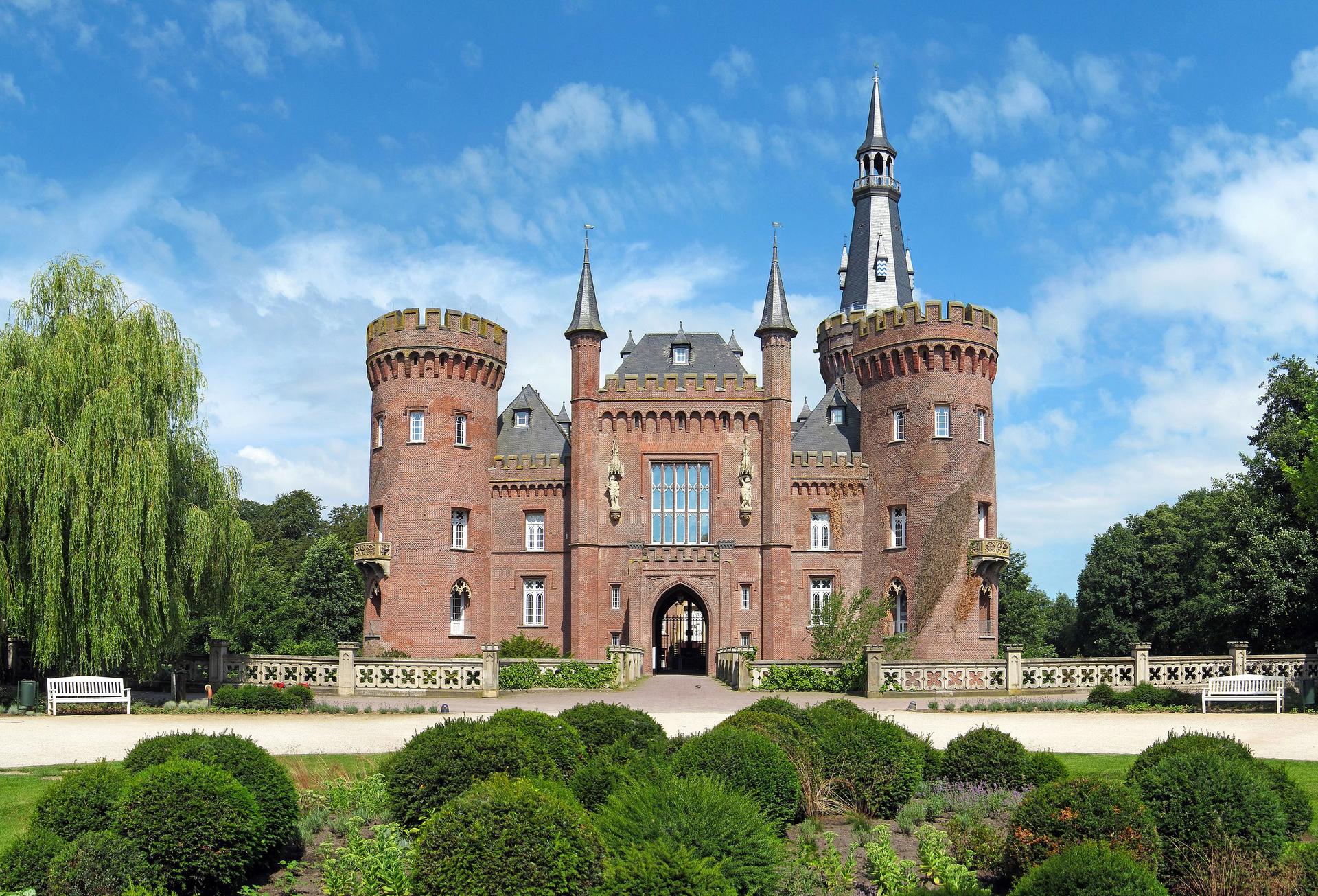
Explore the Lower Rhine: A scenic journey through Germany's lush landscapes, historic treasures, and culinary delights.
Tell me more about Lower Rhine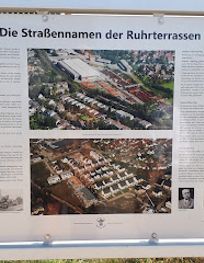
Discover the rich industrial heritage of Essen at the Gedenktafel Straßennamen der Ruhrterrassen, a captivating memorial honoring local history.
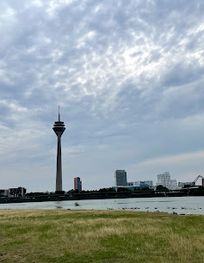
Discover the oldest building in Düsseldorf-Oberkassel, a serene chapel with a rich history dating back to the 18th century, offering a peaceful escape and a glimpse into the past.