

Free Lower Rhine Travel Guide & Mobile App
Explore Lower Rhine with free travel guides. Discover regional history, expert tips, proposed trips, and audio guides on web or mobile app.


Explore Germany's Lower Rhine for Roman heritage, river cycling, historic towns, wetlands, castles and seasonal regional food.
Read more about Lower Rhine
When is the best time to visit Lower Rhine?
Best: June–August · 23–25°C| Month | High (°C) | Rainfall (mm) |
|---|---|---|
| January | 6 | 50 |
| February | 7 | 45 |
| March | 11 | 50 |
| April | 15 | 45 |
| May | 20 | 55 |
| June (best) | 23 | 60 |
| July (best) | 25 | 65 |
| August (best) | 25 | 60 |
| September | 21 | 55 |
| October | 15 | 50 |
| November | 9 | 55 |
| December | 6 | 50 |
Getting to and around Lower Rhine
How to get there
Transportation
Top city travel guides in Lower Rhine
The cities of Lower Rhine, and the easiest places to base yourself.
-

-


Swipe for more cities
Destinations in Lower Rhine
Resorts, valleys and scenic spots worth a trip of their own.

Swipe for more destinations
Best attractions in Lower Rhine
The Lower Rhine's attractions are spread across a landscape of river meadows, dykes, lakes, farmland and historic towns. Xanten is the cultural anchor, with the Archaeological Park of the Roman city of Colonia Ulpia Traiana and the LVR-Roman Museum offering an unusually substantial introduction to Roman life north of the Alps. Medieval and early modern heritage appears in the town centres of Kalkar, Rees, Wesel and Kleve, as well as at Moyland Castle near Bedburg-Hau. The region's natural attractions are equally important: Bislicher Insel near Xanten is a floodplain landscape known for birdlife, while former gravel pits and river lakes provide habitats, walking routes and, in designated places, water-based recreation. The Lower Rhine is particularly well suited to cycling, with routes linking villages, farms, churches and river viewpoints across mostly level ground. Museums and cultural venues in Krefeld, Duisburg and Moers add an urban dimension, but visitors should distinguish these more densely developed southern areas from the open agricultural country further north.
-
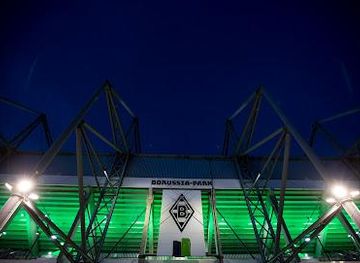
Stadium
BORUSSIA-PARK
Discover the excitement of Borussia-Park: A modern stadium that brings football to life in Mönchengladbach, Germany.
-
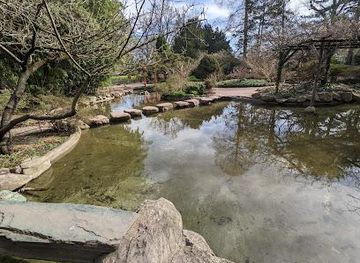
Zoo
Zoological Gardens Karlsruhe
Explore Karlsruhe's Zoological Gardens, a captivating blend of wildlife and lush gardens that offers family-friendly fun and educational experiences.
-
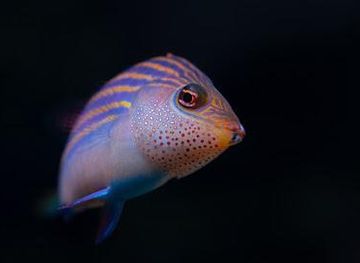
Aquarium
Aquazoo Löbbecke Museum Dusseldorf
Explore the Aquazoo Löbbecke Museum in Düsseldorf, where aquatic wonders meet educational experiences in a vibrant setting.
-
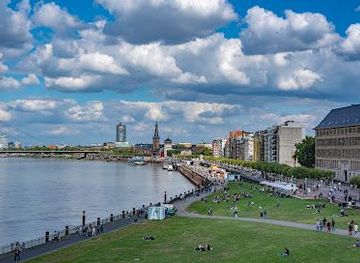
Tourist attraction
Rheinuferpromenade Düsseldorf
Discover Düsseldorf's Rheinuferpromenade: A scenic riverside escape with stunning views, vibrant culture, and delightful dining options.
Best landmarks in Lower Rhine
The Roman walls, reconstructed buildings and amphitheatre of Colonia Ulpia Traiana at Xanten form the Lower Rhine's most important archaeological landmark, preserving the footprint of a major imperial town beside the ancient frontier. Xanten Cathedral, with its substantial Gothic architecture, anchors the historic town and reflects the area's long ecclesiastical importance. In Kleve, the Schwanenburg rises above the town as a powerful symbol of the former Duchy of Cleves, while the nearby park landscapes recall later princely ambitions. Moyland Castle near Bedburg-Hau is notable for its moated setting and neo-Gothic appearance, as well as its cultural collections. Kalkar's compact historic centre is marked by brick Gothic buildings and the large church of St Nicholas, whose interior is especially significant for its medieval furnishings. Along the Rhine, old town walls, churches, harbour structures and elevated dyke roads in places such as Rees and Wesel express the region's long relationship with trade, flood control and defence.
-
Monument
Deutsches Eck
Witness the confluence of the Rhine and Moselle at Deutsches Eck, a historic landmark in Koblenz symbolizing German unity with its iconic Emperor Wilhelm I monument.
-
Castle
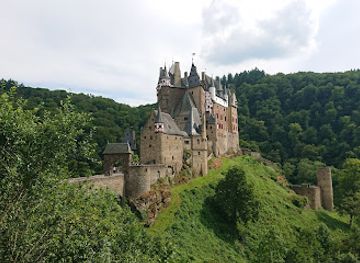
Eltz Castle
Discover a fairytale medieval castle nestled in the unspoiled Eltz Forest, owned by the same family for 850 years, offering a glimpse into history, art, and stunning architecture.
-
Castle
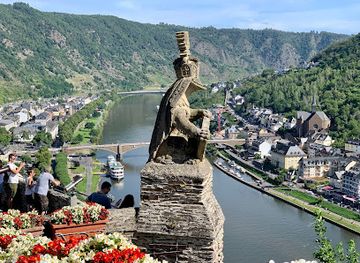
Cochem Castle
Discover the majestic Reichsburg Cochem, a fairytale castle overlooking the Moselle River, offering guided tours, stunning views, and a glimpse into German history.
-
Fortress
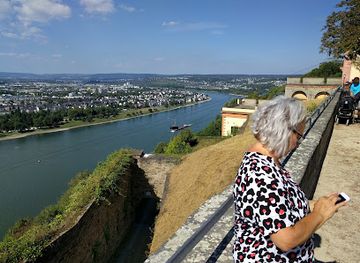
Ehrenbreitstein Fortress
Explore a colossal fortress overlooking the Rhine and Moselle, offering history, culture, and panoramic views of the UNESCO World Heritage Upper Middle Rhine Valley.

Explore Lower Rhine on the map
Plan your trip on one map. See where the top cities, national parks and sights are, and book hotels and experiences in a few clicks.
Best hotels in Lower Rhine
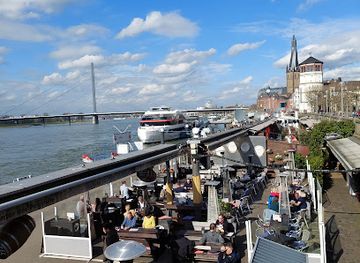
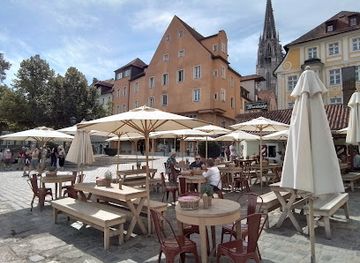
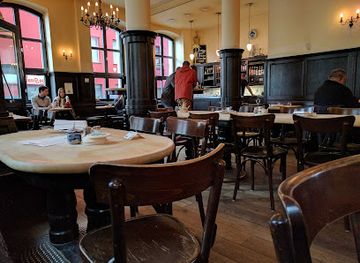
Best restaurants in Lower Rhine
Lower Rhine dining is rooted in North Rhine-Westphalian and Rhineland cooking, with local produce often more distinctive than a single signature dish. Seasonal asparagus is prominent in spring, while potatoes, apples, dairy products, bread and regional vegetables appear in traditional menus and farm shops. Hearty dishes may include variations on potato pancakes, stews, sausages and meat served with seasonal accompaniments, alongside the broader Rhineland tradition of sour and sweet flavours. Pubs, village inns and family-run restaurants are common outside the larger towns, while Krefeld, Duisburg, Kleve and Xanten offer a wider choice of international and contemporary food. Cafés in historic centres are useful stops for cake, coffee and lighter meals, and agricultural businesses sometimes sell direct-producer goods. Beer from the wider Lower Rhine and neighbouring Rhineland is readily available, but the culinary identity also reflects the region's proximity to the Netherlands, with cross-border tastes and products appearing in everyday shopping and dining.
-
German
Deutzer Brauhaus
Discover authentic German cuisine and craft beer at Deutzer Brauhaus - Cologne's premier brewpub experience.
-
Restaurant
Kasematten Düsseldorf
Indulge in Mediterranean flavors at Kasematten Düsseldorf – where riverside views meet delightful culinary experiences.
-
Bavarian restaurant
Historische Wurstkuchl
Discover authentic Bavarian flavors at Historische Wurstkuchl, Regensburg's historic restaurant famous for its delicious sausages and charming atmosphere.
-
German
Max Stark
Discover Max Stark: A lively gastropub in Cologne serving authentic German cuisine amidst a vibrant atmosphere.
Best bars in Lower Rhine
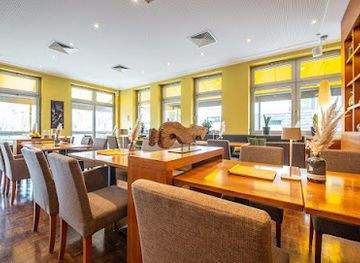
Evening life in the Lower Rhine is generally sociable and town-based rather than centred on a large club scene. Traditional pubs, beer halls and historic inns remain important in places such as Kleve, Xanten, Wesel, Moers and Krefeld, where residents meet for conversation, sport and occasional live music. Larger towns provide more cafés, wine bars, cocktail venues and cultural programming, while theatres and concert venues in the southern urban belt broaden the choice beyond drinking establishments. Rural evenings tend to revolve around restaurants, local associations and seasonal town events, with fewer venues and earlier closing patterns than in nearby Düsseldorf or the larger Ruhr cities. Younger visitors may find more late-night options in Krefeld, Duisburg or other neighbouring urban centres, but these should be treated as separate access points rather than representative of the whole Lower Rhine. Check current arrangements locally, as smaller venues and event programmes can change.
-
Restaurant
SunDays Cafe, Bar, Restaurant
Discover the lively ambiance and diverse menu at SunDays Cafe, Bar, Restaurant in Rheine, perfect for coffee, cocktails, and hearty meals.
-
Bar
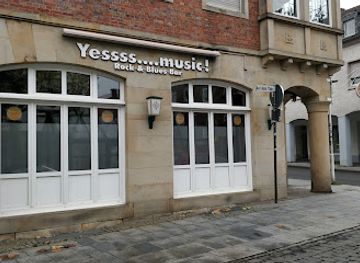
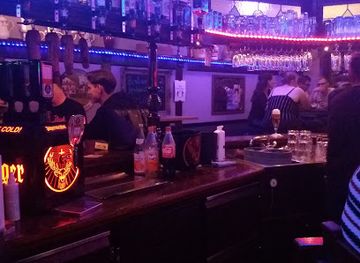
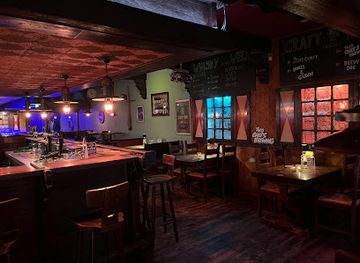
Yessss.music
Experience the vibrant nightlife at Yessss.music, Rheine's premier bar and pub, where great drinks and music come together for an unforgettable evening.
-
Pub
Anno Tobak Rheine
Discover the lively Anno Tobak Rheine, a local pub offering a taste of German culture, delicious drinks, and a welcoming atmosphere for all.
-
Pub
Scum Bar
Experience the lively spirit of Scum Bar in Rheine, where friendly vibes, great drinks, and memorable nights await.
Best nightclubs in Lower Rhine
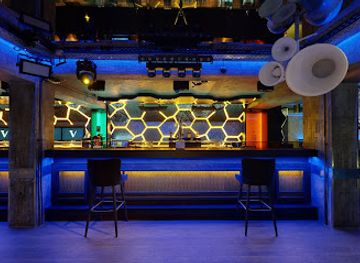
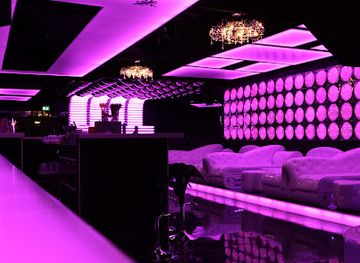
Evening life in the Lower Rhine is generally sociable and town-based rather than centred on a large club scene. Traditional pubs, beer halls and historic inns remain important in places such as Kleve, Xanten, Wesel, Moers and Krefeld, where residents meet for conversation, sport and occasional live music. Larger towns provide more cafés, wine bars, cocktail venues and cultural programming, while theatres and concert venues in the southern urban belt broaden the choice beyond drinking establishments. Rural evenings tend to revolve around restaurants, local associations and seasonal town events, with fewer venues and earlier closing patterns than in nearby Düsseldorf or the larger Ruhr cities. Younger visitors may find more late-night options in Krefeld, Duisburg or other neighbouring urban centres, but these should be treated as separate access points rather than representative of the whole Lower Rhine. Check current arrangements locally, as smaller venues and event programmes can change.
-
Disco club
Velvet
Discover the electrifying nightlife at Velvet Disco Club, where vibrant beats and diverse crowds create unforgettable moments in Frankfurt.
-
Night club
Vanity Club Cologne - Köln
Experience the electrifying nightlife at Vanity Club in Cologne, where stylish ambiance meets pulsating beats for an unforgettable evening.
-
Disco club
En Vogue Nightclub
Experience the energetic nightlife at En Vogue Nightclub in Karlsruhe, where the dance floor pulses and the atmosphere electrifies.
-
Night club
Zenit Club Koblenz
Zenit Club Koblenz: Your ultimate destination for electrifying nightlife and live music experiences in the heart of Koblenz.
Best shops in Lower Rhine
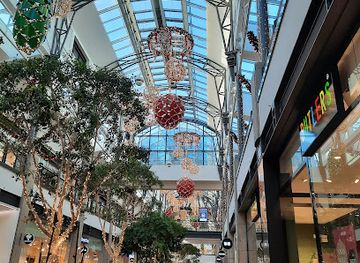
Shopping in the Lower Rhine is organised around historic high streets, market squares, weekly markets and farm-based retail rather than a single regional shopping district. Krefeld and the southern urban centres offer the broadest selection of mainstream shops, department-style retail and independent businesses, while Kleve, Xanten, Wesel, Moers and Kalkar provide smaller town-centre shopping with cafés, booksellers, clothing shops, galleries and specialist stores. Weekly markets are useful for seasonal fruit, vegetables, flowers, cheese and prepared foods, although days and locations vary. Farm shops across the agricultural districts sell asparagus in season, potatoes, preserves, eggs, honey and other locally produced goods. Appropriate souvenirs include regional food products, Rhine-themed crafts, books on Roman or local history, and work from independent galleries rather than mass-produced items. The proximity of the Netherlands also makes cross-border shopping part of ordinary regional life, but visitors should check the location and opening arrangements of specific markets or shops before making a dedicated trip.
-
Shopping mall
Centro Oberhausen
Discover a premier shopping experience at Centro Oberhausen, with over 200 shops, diverse dining options, and exciting entertainment for all ages.
-
Shopping mall
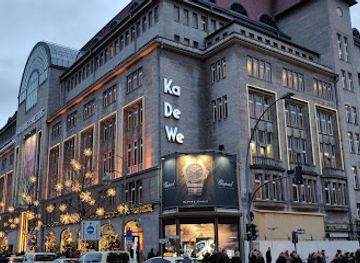
KaDeWe - Kaufhaus des Westens
Discover a world of luxury shopping and gourmet delights at KaDeWe, Berlin's iconic department store, perfect for tourists seeking the ultimate retail experience.
-
Outlet mall
OUTLETCITY Metzingen
Discover unbeatable fashion deals at OUTLETCITY Metzingen, Germany's premier outlet mall, home to luxury brands at incredible prices.
-
Outlet mall
Designer Outlet Neumünster
Discover unbeatable deals and a variety of brands at Designer Outlet Neumünster, the ultimate shopping haven in Germany.

Get your free copy of our complete guide to Lower Rhine, delivered straight to you.
Everything on this page, from attractions and restaurants to essentials and local phrases, in one PDF you can read offline, print or share.
Already have an account? Sign in
Your Lower Rhine guide is ready.
We'll send it to · Not you? Sign out

Getting your guide ready…
We are putting together a fresh copy of the Lower Rhine guide. This can take up to a minute.
This can take a few moments. If your browser asks, choose Allow so the download can start. You'll find the guide in your Downloads folder.
Nothing happened? Download it again
Sorry, the guide is taking longer than usual. Please try again in a minute, or get it by email instead.
Lower Rhine essentials
Currency and Payment
Safety
Emergency Situations
Do's and Don'ts
Local Tips
From Eve
Local phrases worth knowing
You don't need to get them perfect. A few words go a long way, and locals appreciate the effort.
Basics
| English | Local | Say it |
|---|---|---|
| Hello | Hallo | [Hah-lo] |
| Goodbye | Auf Wiedersehen | [Owf Veed-er-zay-en] |
| Yes | Ja | [Yah] |
| No | Nein | [Nine] |
| Please/You're welcome | Bitte | [Bit-te] |
| Thank you | Danke | [Dahn-ke] |
| Excuse me/Sorry | Entschuldigung | [Ent-shool-dee-goong] |
| How are you? | Wie geht's? | [Vee gates?] |
| Fine. And you? | Gut. Und dir? | [Goog. Oond deer?] |
| Do you speak English? | Sprechen Sie Englisch? | [Shpre-chen Zee Eng-lish?] |
| I don't understand | Ich verstehe nicht | [Ish fer-steh-eh nikht] |
Eating & Drinking
| English | Local | Say it |
|---|---|---|
| I'd like to see the menu, please | Ich hätte gerne die Speisekarte, bitte | [Ish het-te gair-ne dee Shpie-ze-kar-te, bit-te] |
| I don't eat meat | Ich esse kein Fleisch | [Ish es-se kine Flysh] |
| Cheers! | Prost! | [Prohst] |
| I would like to pay, please | Ich möchte bezahlen, bitte | [Ish merkte beh-zah-len, bit-te] |
Emergencies
| English | Local | Say it |
|---|---|---|
| Help! | Hilfe! | [Hil-fe] |
| Go away! | Geh weg! | [Gay vek] |
| Call the Police! | Rufen Sie die Polizei! | [Roof-en Zee dee Po-lee-tzai] |
| Call a doctor! | Rufen Sie einen Arzt! | [Roof-en Zee eye-nen Artst] |
| I'm lost | Ich bin verloren | [Ish bin fer-lo-ren] |
| I'm ill | Ich bin krank | [Ish bin krank] |
Shopping
| English | Local | Say it |
|---|---|---|
| I'd like to buy... | Ich möchte ... kaufen | [Ish merkte ... kau-fen] |
| I'm just looking | Ich schaue nur | [Ish shau-eh noor] |
| How much is it? | Wie viel kostet es? | [Vee feel kos-tet es?] |
| That's too expensive | Das ist zu teuer | [Das ist tsu toyer] |
| Can you lower the price? | Können Sie den Preis senken? | [Ker-nen Zee den Pryce zen-ken] |
Time & Numbers
| English | Local | Say it |
|---|---|---|
| What time is it? | Wie spät ist es? | [Vee shpayt ist es?] |
| It's one o'clock | Es ist ein Uhr | [Es ist ine Oor] |
| Half past (10) | Halb (10) | [Halb (10)] |
| Morning | Morgen | [Mor-gen] |
| Afternoon | Nachmittag | [Nahch-mi-tag] |
| Evening | Abend | [Ah-bend] |
| Yesterday | Gestern | [Ges-tern] |
| Today | Heute | [Hoy-te] |
| Tomorrow | Morgen | [Mor-gen] |
| 1 | Eins | [Ayns] |
| 2 | Zwei | [Tsvy] |
| 3 | Drei | [Dry] |
| 4 | Vier | [Feer] |
| 5 | Fünf | [Foonf] |
| 6 | Sechs | [Zex] |
| 7 | Sieben | [Zee-ben] |
| 8 | Acht | [Acht] |
| 9 | Neun | [Noyn] |
| 10 | Zehn | [Tsen] |
Transport & Directions
| English | Local | Say it |
|---|---|---|
| Where's a/the...? | Wo ist ein/das...? | [Vo ist ine/das...?] |
| What's the address? | Was ist die Adresse? | [Vas ist dee Ah-dress-eh?] |
| Can you show me (on the map)? | Können Sie mir (auf der Karte) zeigen? | [Ker-nen Zee meer (owf der Kar-te) tsai-gen?] |
| When's the next (bus)? | Wann kommt der nächste (Bus)? | [Vahn komt der nay-schte (Boos)?] |
| A ticket (to ....) | Ein Ticket (nach ....) | [Ayn Ti-ket (nahch ....)] |
History of Lower Rhine
Roman Colonia Ulpia Traiana
The Roman settlement of Colonia Ulpia Traiana was established near present-day Xanten in the early second century under the emperor Trajan. It became an important urban centre in the province of Germania Inferior, with a forum, temples, public buildings, defensive works and an amphitheatre. Its position near the Rhine frontier connected it to military and commercial routes. Much of the settlement was later abandoned, but the archaeological remains provide one of the clearest windows onto Roman urban life in the Lower Rhine. The Archaeological Park preserves and reconstructs parts of this ancient landscape.
Frisian, Frankish and Medieval Riverlands
After Roman power retreated from the Lower Rhine, the region became a meeting ground for Frankish political authority, Christian institutions and communities linked to the river and its tributaries. Settlements developed around churches, crossings, market rights and fortified sites. Medieval towns including Xanten, Wesel, Kleve, Kalkar and Rees benefited from trade and regional administration, although flooding and shifting river channels repeatedly altered the landscape. Ecclesiastical foundations and noble territories also shaped landholding, agriculture and the pattern of villages that remains visible today.
The Duchy of Cleves and Regional Princes
From the later Middle Ages, much of the northern Lower Rhine was influenced by the counts and later dukes of Cleves. Kleve became the political centre of a territory extending across parts of the modern German-Dutch borderlands, while castles, churches and town privileges reflected the ambitions of regional rulers. The duchy was absorbed into Brandenburg-Prussia in the early seventeenth century, bringing the area into a larger political framework. The Schwanenburg in Kleve and historic centres such as Kalkar retain architectural reminders of this period.
Trade, Fortifications and the Rhine
During the early modern period, the Rhine remained the region's principal transport artery, carrying grain, timber, wine, salt and manufactured goods. Towns such as Wesel and Emmerich developed commercial importance, while their strategic position made them vulnerable during European wars. Wesel's fortifications were repeatedly expanded and altered, particularly under Prussian rule. River trade supported merchants, boatmen, craftsmen and agricultural producers, but communities also had to contend with floods, changing channels and military movements along the frontier.
Prussian Administration and Industrial Change
The Lower Rhine became part of the Prussian state after the Napoleonic era, and new administrative structures, roads and later railways strengthened connections with the growing industrial centres of the Ruhr and Rhineland. Coal mining and related industries transformed places such as Moers and Duisburg, while Krefeld developed a major textile economy, especially in silk and velvet. The region therefore combined rural agriculture and river commerce with factories, rail infrastructure and expanding urban populations. Industrial traces remain important to the identity of its south-eastern districts.
War, Reconstruction and the Modern Border Region
The Lower Rhine suffered extensive damage during the Second World War, particularly in towns and transport centres near the river. Reconstruction changed many townscapes, although churches, fragments of fortifications and selected historic quarters survived or were restored. After 1945, the German-Dutch border increasingly became a zone of everyday mobility rather than a military frontier. European integration, improved roads and cross-border commerce have strengthened links with the Netherlands, while river ports, logistics and services continue to complement agriculture and tourism.
Floodplain Conservation and Regional Tourism
Modern management of the Lower Rhine has increasingly recognised the ecological value of floodplains, wetlands, former gravel excavations and river islands. Areas such as Bislicher Insel support important bird habitats and demonstrate how flood protection, agriculture and nature conservation must be balanced. The growth of long-distance cycle routes, archaeological tourism and heritage restoration has added a visitor economy without replacing the region's working landscapes. Today, the Lower Rhine is presented through connected themes of river ecology, Roman history, cycling and cross-border culture.
Lower Rhine in Photos
Browse through our photo collection highlighting the charm and character of the destination.
Neighbouring regions of Lower Rhine
The closest regions to Lower Rhine, if you have time for more than one.
-

-

-

-

-


Swipe for more regions
Explore more

Explore more of Germany
Experience Germany: where history meets innovation, and urban energy blends with natural beauty. Discover diverse cultures, delicious cuisine, and stunning landscapes.
Explore Germany