Background

Vier Karyatiden: Guardians of Art

Discover the Vier Karyatiden in Düsseldorf: a symbol of art and resilience, these sculptures embody the city's rich cultural heritage and neoclassical elegance, representing architecture, sculpture, painting, and music.

4.7

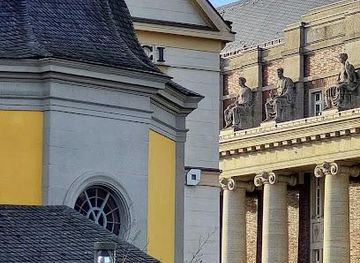
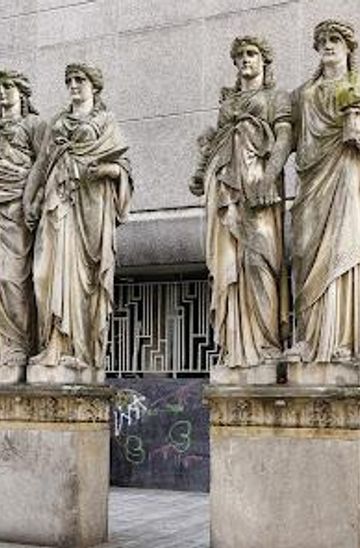
The Vier Karyatiden, or Four Caryatids, are striking sandstone sculptures located near the Kunsthalle Düsseldorf. These four-meter-high figures, created by Wilhelm Albermann (though long attributed to Leo Müsch), originally adorned the facade of the old Kunsthalle, built in 1881 and destroyed during World War II. Saved from the rubble, they were re-erected in 1967 near the new Kunsthalle, representing the four arts: architecture, sculpture, painting, and music. Each caryatid holds symbolic attributes, such as a temple gable for architecture, a sculpture and chisel, a painter's palette, and a lyre. These sculptures stand as a testament to Düsseldorf's rich cultural history and artistic heritage, offering a compelling glimpse into the city's past and present.

A brief summary to Vier Karyatiden

Local tips

  • Visit during the day to fully appreciate the details and craftsmanship of the sandstone sculptures.
  • Combine your visit with a trip to the Kunsthalle Düsseldorf for a comprehensive art experience.
  • Take a stroll through the nearby Altstadt (Old Town) to experience Düsseldorf's historic charm.
widget icon

Getting There

  • Public Transport

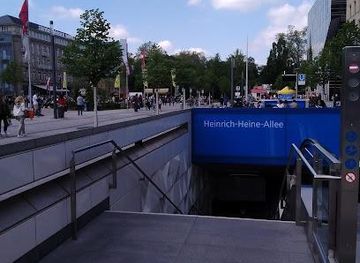
    From Düsseldorf Hauptbahnhof (main train station), take the U-Bahn lines U78 or U79 towards 'Düsseldorf-Rath' and get off at the 'Heinrich-Heine-Allee' stop. From there, it's approximately a 5-minute walk to the Vier Karyatiden, located near the Kunsthalle. A single ticket for a short trip (Kurzstrecke) costs approximately €1.90.

  • Walking

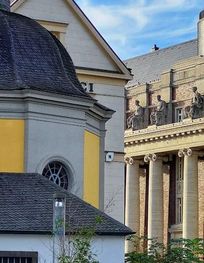
    If you are already in the Altstadt (Old Town), the Vier Karyatiden are easily accessible on foot. Walk north along the Grabbeplatz, past the Kunsthalle. The sculptures are located in the pedestrian area between the Kunsthalle and St. Andrew's Church. The walk is approximately 5-10 minutes from most central locations in the Altstadt.

  • Taxi/Ride-Share

    A taxi or ride-share from Düsseldorf Hauptbahnhof to the Vier Karyatiden will take approximately 5-10 minutes, depending on traffic. The estimated cost is between €8 and €12.

Unlock the Best of Vier Karyatiden

Buy tickets

    No tickets available

Book tours with entry

    No tours available

Book tours without entry

    No tours available

Discover more about Vier Karyatiden

The Vier Karyatiden, standing proudly near the Kunsthalle Düsseldorf, are more than just stone sculptures; they are silent witnesses to the city's vibrant artistic legacy. These four imposing figures, each four meters in height, represent the personifications of the four major arts: architecture, sculpture, painting, and music. Their presence adds a touch of classical elegance to the modern cityscape, inviting passersby to pause and reflect on the enduring power of art. Originally, these caryatids graced the facade of the old Kunsthalle, an architectural marvel erected in 1881. The Kunsthalle, in its time, was a hub of artistic activity, showcasing the works of both local and international artists. The caryatids, with their distinct attributes, served as a constant reminder of the creative spirit that thrived within its walls. Architecture is represented by a temple gable, sculpture by a sculpture and chisel, painting by a painter's palette, and music by a lyre. However, the ravages of World War II left the old Kunsthalle in ruins. The building, partially destroyed during the war, was eventually demolished in 1959. Amidst the destruction, the Vier Karyatiden were salvaged, their survival a symbol of hope and resilience. For a time, they were kept in storage, awaiting a new purpose. In 1967, with the construction of the new Kunsthalle, the caryatids found a new home. They were erected in a pedestrian zone adjacent to the new building, standing on two-meter-high concrete pedestals. This act of re-erection was not merely a matter of preservation; it was a deliberate attempt to connect the present with the past, to remind the city of its artistic roots. The sculptures themselves are crafted from sandstone, a material that lends them a warm, earthy tone. Their neoclassical style is evident in their graceful poses, flowing drapery, and serene expressions. Each caryatid is depicted as a female figure, a traditional representation in classical architecture. The term "caryatid" itself originates from ancient Greece, where such figures were used as architectural supports, replacing columns or pillars. For many years, the caryatids were attributed to the Düsseldorf sculptor Leo Müsch. However, recent research has revealed that they are, in fact, the work of Wilhelm Albermann, a Cologne-based artist known for his work as a wood sculptor and for creating numerous grave monuments in Cologne. This discovery adds another layer of intrigue to the story of the Vier Karyatiden, highlighting the importance of ongoing research in uncovering the truth behind historical artifacts. In 1985, the sculptures underwent a thorough restoration, ensuring their preservation for future generations. In 1994, they were officially listed as protected monuments, a testament to their cultural significance. Today, the Vier Karyatiden stand as a beloved landmark in Düsseldorf, attracting visitors from near and far. They are a popular subject for photographers, who capture their beauty from various angles and in different lighting conditions. Located near St. Andrew's Church, the Vier Karyatiden are easily accessible to visitors exploring the city center. Their presence adds a touch of grandeur to the surrounding area, creating a unique blend of art, history, and architecture. The Kunsthalle Düsseldorf, with its ever-changing exhibitions, provides a fitting backdrop for these timeless sculptures. Visiting the Vier Karyatiden is a must for anyone interested in art, history, or architecture. They offer a glimpse into Düsseldorf's past, a celebration of its artistic heritage, and a reminder of the enduring power of human creativity. Whether you are a seasoned art enthusiast or a casual tourist, the Vier Karyatiden are sure to leave a lasting impression. The area surrounding the Vier Karyatiden is also worth exploring. The Kunsthalle Düsseldorf itself is a renowned art museum, showcasing contemporary and modern art. St. Andrew's Church, with its stunning Baroque architecture, is another nearby attraction. The Königsallee, Düsseldorf's famous luxury shopping street, is just a short walk away. The Vier Karyatiden are more than just sculptures; they are a symbol of Düsseldorf's cultural identity. They represent the city's commitment to art, its resilience in the face of adversity, and its enduring connection to its past. As you stand before these majestic figures, take a moment to appreciate their beauty, their history, and their significance to the city of Düsseldorf. The Vier Karyatiden serve as a reminder that art has the power to transcend time, to connect us to our past, and to inspire us for the future. They are a testament to the enduring human spirit and a celebration of the creative impulse that drives us all.

Popular Experiences near Vier Karyatiden

Popular Hotels near Vier Karyatiden

Select Currency