

Free Ruhr Travel Guide & Mobile App
Explore Ruhr with free travel guides. Discover regional history, expert tips, proposed trips, and audio guides on web or mobile app.


Explore Germany’s Ruhr region for UNESCO industrial heritage, transformed coal sites, green waterways, museums, football and urban culture.
Read more about Ruhr
When is the best time to visit Ruhr?
Best: June–August · 21–24°C| Month | High (°C) | Rainfall (mm) |
|---|---|---|
| January | 5 | 55 |
| February | 6 | 45 |
| March | 10 | 45 |
| April | 15 | 45 |
| May | 19 | 55 |
| June (best) | 21 | 65 |
| July (best) | 24 | 65 |
| August (best) | 24 | 65 |
| September | 19 | 55 |
| October | 15 | 45 |
| November | 9 | 55 |
| December | 6 | 55 |
Getting to and around Ruhr
How to get there
Transportation
Top city travel guides in Ruhr
The cities of Ruhr, and the easiest places to base yourself.
-

-

-

-


Swipe for more cities
Destinations in Ruhr
Resorts, valleys and scenic spots worth a trip of their own.
-

-


Swipe for more destinations
Best attractions in Ruhr
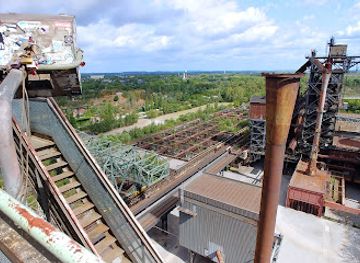
The Ruhr’s attractions are defined by the unusual coexistence of industrial monuments, contemporary culture and accessible green space. Essen’s Zollverein Coal Mine Industrial Complex combines preserved mining architecture with museums, design and exhibition spaces, while the German Mining Museum in Bochum explains the technology and working history of coal extraction. At Landschaftspark Duisburg-Nord, a former ironworks has become a public park with industrial structures, climbing opportunities, gardens and cultural events. Dortmund’s former Zollern Colliery offers a more intimate architectural and social history of mining, and Oberhausen’s Gasometer stages large-scale exhibitions inside a converted gas holder. The region also has art museums, theatres, concert halls and football-related attractions, including the German Football Museum in Dortmund. Outside the dense urban corridors, the Ruhr valley provides reservoirs, woodland paths, cycle routes and waterside recreation around Baldeneysee and Kemnader See. Restored Emscher landscapes, former railways and workers’ settlements add a quieter dimension, showing how infrastructure and polluted industrial ground have been adapted for leisure, ecology and education.
-
Tourist attraction
Landschaftspark Duisburg-Nord
Discover the enchanting fusion of nature and industrial history at Landschaftspark Duisburg-Nord, a unique park and cultural landmark.
-
Zoo
Cologne Zoological Garden
Discover the enchanting wildlife and conservation efforts at Cologne Zoological Garden, a top tourist attraction in Germany with over 700 species.
-
Performing arts theater
Starlight Express theatre
Discover the enchanting world of Starlight Express Theatre in Bochum, where thrilling performances and roller-skating magic await every visitor.
-
Tourist attraction
Zollverein UNESCO World Heritage Site
Explore the rich industrial heritage of the Zollverein UNESCO World Heritage Site in Essen, a hub for history, culture, and arts.


Best landmarks in Ruhr
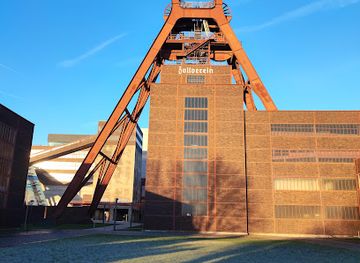
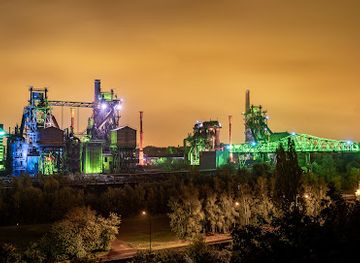
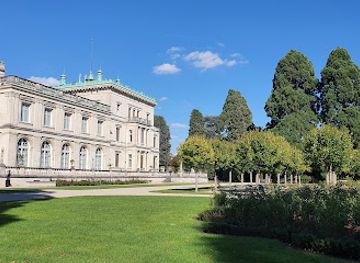
Zollverein’s twin winding towers and Bauhaus-influenced coal-washing plant are the Ruhr’s most recognisable industrial silhouettes, expressing the scale and design ambition of the region’s mining era. In Duisburg, the blast furnaces and gas holders of Landschaftspark Duisburg-Nord form a dramatic steel landscape, while the Gasometer Oberhausen stands as a monumental relic of the former industrial economy. Dortmund’s Zollern Colliery is notable for its elaborate entrance building and Art Nouveau details, a reminder that collieries could also serve as carefully designed company architecture. Villa Hügel in Essen, the former residence of the Krupp industrial family, represents the economic power of heavy industry from a contrasting domestic and landscaped perspective. Other important visual markers include mining headframes, workers’ settlements, canal infrastructure and bridges across the Ruhr and Emscher corridors. Together these landmarks show that the region’s heritage is not confined to isolated museums: it remains embedded in skylines, neighbourhoods, transport routes and engineered landscapes.
-
State park
Landschaftspark Duisburg-Nord
Experience the rich history and natural beauty of Landschaftspark Duisburg-Nord, an iconic state park blending industrial heritage with stunning landscapes.
-
Historical place
Zollverein UNESCO World Heritage Site
Explore Zollverein, a UNESCO World Heritage Site, where industrial history meets modern creativity in the heart of Essen, Germany.
-
Museum
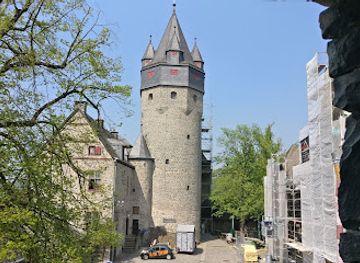
Altena Castle
Experience the rich history and breathtaking views of Altena Castle, a captivating museum and hiking area in the heart of Germany.
-
Villa
Villa Hügel
Experience the elegance of Villa Hügel in Essen, a historical villa surrounded by lush gardens and rich cultural heritage, perfect for art and history lovers.
Explore Ruhr on the map
Plan your trip on one map. See where the top cities, national parks and sights are, and book hotels and experiences in a few clicks.
Best hotels in Ruhr
Best restaurants in Ruhr
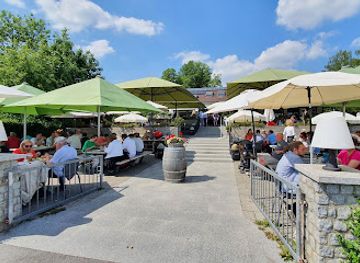
Dining in the Ruhr reflects both North Rhine-Westphalian traditions and the region’s long history of migration. Traditional pubs and neighbourhood restaurants may serve hearty dishes such as Currywurst, schnitzel, sauerkraut and potato-based specialities, while local menus also draw on Lower Rhine and Westphalian cooking. The cities offer a broad choice of Turkish, Italian, Balkan, Polish, Persian, East Asian and other international cuisines, reflecting communities established during industrial expansion. In former mining districts, informal eateries and workers’ pubs remain part of the local food culture, while Essen, Dortmund, Bochum and Duisburg have increasingly varied contemporary restaurant scenes. Bakeries, cafés and market stalls are useful for quick meals, and farmers’ markets provide regional vegetables, bread, cheese and prepared foods. Ruhr beer traditions remain visible in pubs and breweries, although the region’s dining identity is broader than brewing alone. Reservations are sensible for popular restaurants, particularly around theatres, major exhibitions and football fixtures.
-
Restaurant
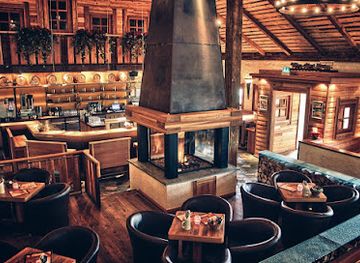
Bavaria Alm Herne
Discover authentic German cuisine at Bavaria Alm Herne - where tradition meets taste in every dish!
-
Restaurant
Südtiroler Stuben
Experience authentic South Tyrolean cuisine at Südtiroler Stuben in Essen – where flavor meets tradition in a charming atmosphere.
-
Grill
Ruhrkind
Experience authentic German grilling at Ruhrkind in Gelsenkirchen—where flavor meets hospitality in every bite.
-
Italian
Trattoria Momo
Experience authentic Italian dining at Trattoria Momo in Bochum - where every meal is a celebration of flavor and tradition.
Best bars in Ruhr
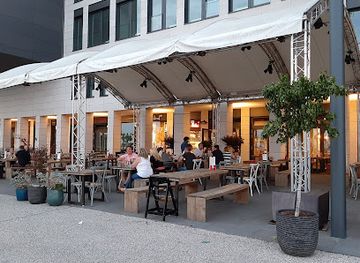
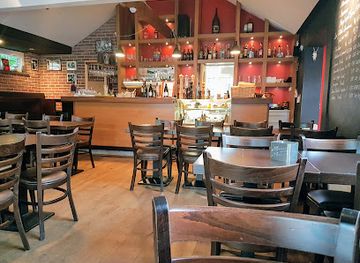
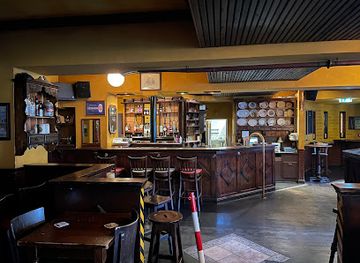
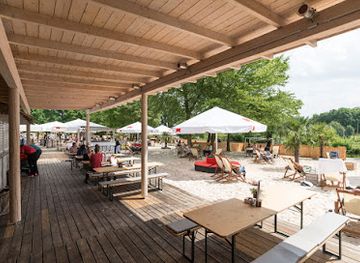
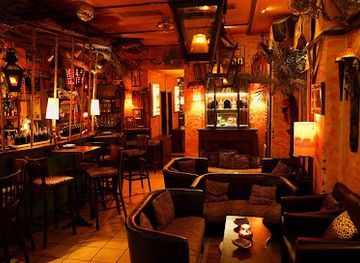
Evening life in the Ruhr is concentrated in its larger city centres and university districts rather than in one metropolitan nightlife quarter. Dortmund has a substantial pub, live-music and football-oriented scene, while Bochum is known for theatres, student venues and bars around its central cultural areas. Essen and Duisburg offer cocktail bars, restaurants, music venues and late-opening establishments, with Oberhausen providing larger entertainment venues and event-led evenings. Traditional pubs remain important across smaller towns and former mining communities, often serving local beer and straightforward food. Concerts, theatre performances and exhibitions provide alternatives to clubbing, and former industrial sites occasionally host cultural events. Nightlife can change considerably between weekdays and weekends, and transport becomes less frequent outside central corridors, so visitors should check the final connection before heading to outer districts. The region does not have a single uniform club culture; its evening character varies from student and concert life to neighbourhood pubs and large-scale events.
-
Irish pub
Fritzpatrick's Irish Pub
Fritzpatrick's Irish Pub in Essen - Authentic Irish cuisine, lively karaoke, and a warm atmosphere await every traveler!
-
Cocktail bar
StrandDeck
Discover the vibrant atmosphere and exquisite cocktails at StrandDeck, Bochum's premier cocktail bar for a memorable night out.
-
Cocktail bar
Daktari Cocktailbar
Experience the vibrant nightlife at Daktari Cocktailbar in Essen, where expert mixologists create unforgettable cocktails in a welcoming atmosphere.
-
 Bar
BarGin & Jagger - Essen
Experience the vibrant atmosphere at Gin & Jagger, Essen's trendy bar and brasserie, perfect for drinks and delicious meals in a lively setting.
Best nightclubs in Ruhr
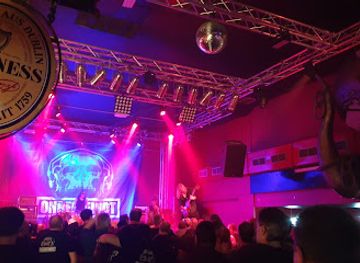
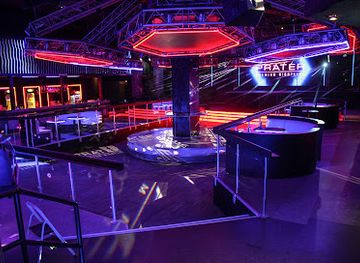
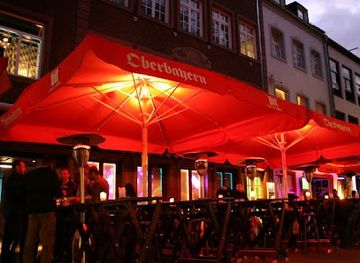
Evening life in the Ruhr is concentrated in its larger city centres and university districts rather than in one metropolitan nightlife quarter. Dortmund has a substantial pub, live-music and football-oriented scene, while Bochum is known for theatres, student venues and bars around its central cultural areas. Essen and Duisburg offer cocktail bars, restaurants, music venues and late-opening establishments, with Oberhausen providing larger entertainment venues and event-led evenings. Traditional pubs remain important across smaller towns and former mining communities, often serving local beer and straightforward food. Concerts, theatre performances and exhibitions provide alternatives to clubbing, and former industrial sites occasionally host cultural events. Nightlife can change considerably between weekdays and weekends, and transport becomes less frequent outside central corridors, so visitors should check the final connection before heading to outer districts. The region does not have a single uniform club culture; its evening character varies from student and concert life to neighbourhood pubs and large-scale events.
-
Disco club
turock
Discover the energetic nightlife at Turock Disco Club in Essen, where vibrant music and an electrifying atmosphere await every party enthusiast.
-
Disco club
Prater
Discover Bochum's nightlife at Prater, a premier disco club offering electrifying music, vibrant atmosphere, and unforgettable experiences.
-
Disco club
Oberbayern
Discover Oberbayern in Düsseldorf – a fusion of disco, bar, and pub that promises an unforgettable nightlife experience.
-
Night club
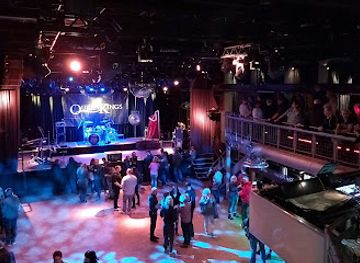
Zeche Bochum
Experience Bochum's nightlife at Zeche Bochum, where music, dance, and culture come together in a historic venue.
Best shops in Ruhr
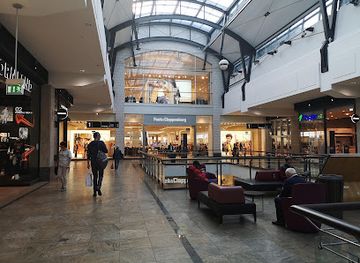
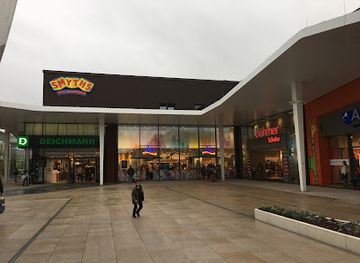
Shopping in the Ruhr is primarily urban and practical, with substantial pedestrian centres in Essen, Dortmund, Duisburg, Bochum and Oberhausen. Essen’s central shopping area and Dortmund’s city centre provide mainstream retail, department stores and independent businesses, while smaller districts offer cafés, bookshops, vintage clothing and specialist food stores. Market halls and weekly markets are useful for bread, fruit, vegetables, cheese, flowers and everyday regional produce, although schedules vary by town and season. Visitors interested in local identity can look for industrial-design objects, mining memorabilia, football-related items, books on regional history and products made by artists working in converted industrial spaces. Museums at major heritage sites often have the most focused selection of architectural, design and historical souvenirs. Ruhr food products, beer and confectionery make practical gifts, while Turkish, Italian and other specialist grocers reflect the region’s diverse culinary culture. Large shopping centres and outlet-style retail are available in some cities, but the Ruhr is best understood through its varied high streets, markets and independent neighbourhood shops.
-
Shopping mall
Centro Oberhausen
Centro Oberhausen: A premier shopping destination in Germany with over 200 shops, diverse dining options, and entertainment for the whole family.
-
Shopping mall
Westfield Ruhr Park
Discover endless shopping, dining, and entertainment at Westfield Ruhr Park in Bochum, perfect for tourists seeking a vibrant retail experience.
-
Shopping mall
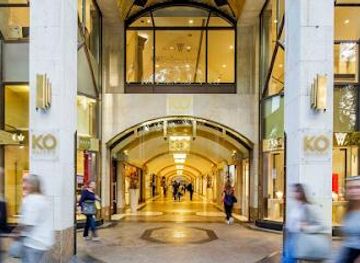
KÖ Shopping Mall
Explore the luxurious KÖ Shopping Mall in Düsseldorf, a premier destination for shopping, dining, and lifestyle experiences in the heart of the city.
-
Shopping mall
Forum Duisburg
Discover endless shopping and dining options at Forum Duisburg, the ultimate retail destination in the heart of Duisburg.
Get your free copy of our complete guide to Ruhr, delivered straight to you.
Everything on this page, from attractions and restaurants to essentials and local phrases, in one PDF you can read offline, print or share.
Already have an account? Sign in
Your Ruhr guide is ready.
We'll send it to · Not you? Sign out

Getting your guide ready…
We are putting together a fresh copy of the Ruhr guide. This can take up to a minute.
This can take a few moments. If your browser asks, choose Allow so the download can start. You'll find the guide in your Downloads folder.
Nothing happened? Download it again
Sorry, the guide is taking longer than usual. Please try again in a minute, or get it by email instead.
Ruhr essentials
Currency and Payment
Safety
Emergency Situations
Do's and Don'ts
Local Tips
From Eve
Local phrases worth knowing
You don't need to get them perfect. A few words go a long way, and locals appreciate the effort.
Basics
| English | Local | Say it |
|---|---|---|
| Hello | Hallo | [Hah-loh] |
| Goodbye | Tschüss | [Chüss] |
| Yes | Ja | [Yah] |
| No | Nein | [Nine] |
| Please/You're welcome | Bitte | [Bit-teh] |
| Thank you | Danke | [Dahn-keh] |
| Excuse me/Sorry | Entschuldigung | [Ent-shool-dee-goong] |
| How are you? | Wie geht's? | [Vee gates?] |
| Fine. And you? | Gut. Und dir? | [Gooot. Oond deer?] |
| Do you speak English? | Sprechen Sie Englisch? | [Shpre-khen Zee Eng-lish?] |
| I don't understand | Ich verstehe nicht | [Ikh fer-sh-teh nikht] |
Eating & Drinking
| English | Local | Say it |
|---|---|---|
| I'd like to see the menu, please | Ich möchte die Speisekarte sehen, bitte | [Ikh mer-khteh dee Shpy-ze-kar-teh zeh-en, bit-teh] |
| I don't eat meat | Ich esse kein Fleisch | [Ikh ess-eh kain Flysh] |
| Cheers! | Prost! | [Prohst!] |
| I would like to pay, please | Ich möchte bezahlen, bitte | [Ikh mer-khteh be-tsah-len, bit-teh] |
Emergencies
| English | Local | Say it |
|---|---|---|
| Help! | Hilfe! | [Hil-fe!] |
| Go away! | Geh weg! | [Geh vek!] |
| Call the Police! | Rufen Sie die Polizei! | [Roof-en Zee dee Po-li-tsai!] |
| Call a doctor! | Rufen Sie einen Arzt! | [Roof-en Zee eye-nen Arts-t!] |
| I'm lost | Ich bin verloren | [Ikh bin fer-lo-ren] |
| I'm ill | Ich bin krank | [Ikh bin krank] |
Shopping
| English | Local | Say it |
|---|---|---|
| I'd like to buy... | Ich möchte ... kaufen | [Ikh mer-khteh ... kau-fen] |
| I'm just looking | Ich schaue nur | [Ikh shau-eh noor] |
| How much is it? | Wie viel kostet das? | [Vee feel kost-et das?] |
| That's too expensive | Das ist zu teuer | [Das ist tsu toy-er] |
| Can you lower the price? | Können Sie den Preis senken? | [Kern-en Zee den Price zen-ken?] |
Time & Numbers
| English | Local | Say it |
|---|---|---|
| What time is it? | Wie spät ist es? | [Vee shpaet ist es?] |
| It's one o'clock | Es ist ein Uhr | [Es ist ine Oor] |
| Half past (10) | Halb (10) | [Halb (10)] |
| Morning | Morgen | [Mor-gen] |
| Afternoon | Nachmittag | [Nahkh-mit-tahg] |
| Evening | Abend | [Ah-bent] |
| Yesterday | Gestern | [Geh-stern] |
| Today | Heute | [Hoy-teh] |
| Tomorrow | Morgen | [Mor-gen] |
| 1 | Eins | [Eins] |
| 2 | Zwei | [Tsvy] |
| 3 | Drei | [Dry] |
| 4 | Vier | [Feer] |
| 5 | Fünf | [Fünf] |
| 6 | Sechs | [Zex] |
| 7 | Sieben | [Zee-ben] |
| 8 | Acht | [Akh-t] |
| 9 | Neun | [Noyn] |
| 10 | Zehn | [Tsen] |
Transport & Directions
| English | Local | Say it |
|---|---|---|
| Where's a/the...? | Wo ist ein/das...? | [Vo ist ine/das...?] |
| What's the address? | Was ist die Adresse? | [Vas ist dee Ah-dress-eh?] |
| Can you show me (on the map)? | Können Sie mir (auf der Karte) zeigen? | [Kern-en Zee meer (auf der Kar-teh) tsai-gen?] |
| When's the next (bus)? | Wann kommt der nächste (Bus)? | [Vahn kommt der next-eh (Boos)?] |
| A ticket (to ....) | Ein Ticket (nach ....) | [Ine Ticket (nahkh ....)] |
History of Ruhr
Early Settlement and Medieval River Towns
The Ruhr area was settled long before industrialisation, with farming communities, woodland routes and river crossings shaping its early geography. Medieval towns and ecclesiastical centres developed along the Ruhr, Lippe and Rhine corridors, while Essen grew around the important women’s abbey founded in the ninth century. Duisburg occupied a strategic position near the Rhine and became an established trading centre. Many later industrial cities began as separate villages, estates or market settlements whose identities remained visible even after urban growth joined them together.
Coal before Industrialisation
Coal was known and worked in parts of the southern Ruhr before the great industrial expansion, particularly where seams reached or approached the surface near the Ruhr valley. Early extraction was small in scale and often shallow, supplying local households, salt works and craft production. The region’s geology later proved crucial: deeper seams could be exploited as mining technology improved. The transition from scattered small workings to organised collieries laid the foundation for the industrial landscape that would transform the Ruhr.
Railways, Coal and the Nineteenth-Century Industrial Expansion
During the nineteenth century, railways, steam power and improved mining techniques enabled coal extraction to move northwards across the Ruhr. Rail connections linked collieries with ironworks, ports and growing towns, while coal supplied the expanding rail, manufacturing and construction sectors. Essen, Bochum, Dortmund and neighbouring communities grew rapidly as workers arrived from other parts of Germany and from abroad. Industrial families such as the Krupps in Essen became influential, although the region’s development depended on a much wider workforce and network of companies.
Steel, Heavy Industry and Workers’ Communities
The Ruhr became one of Europe’s major coal-and-steel regions as ironworks, coking plants, foundries and engineering firms expanded. Duisburg developed an especially important iron and steel complex, while industrial facilities spread through the Emscher valley and surrounding towns. Companies built housing, schools, hospitals and welfare institutions, creating distinctive workers’ settlements alongside polluted waterways and dense transport infrastructure. Mining unions, churches, political organisations and migrant communities all helped shape the social culture of the region, making industrial life a central part of local identity.
War, Occupation and Reconstruction
The Ruhr’s industrial importance made it a major target during the Second World War, and many factories, railways and urban districts suffered severe damage. In 1923, before the war, French and Belgian forces had occupied the Ruhr after disputes over reparations, provoking strikes and political tension in Germany. After 1945, the region became essential to the reconstruction of West Germany and was placed under international arrangements intended to control its industrial power. Coal and steel again drove economic recovery, but their dominance would not last.
The Coal and Steel Crisis
From the late 1950s onwards, cheaper fuels, changing industrial markets and international competition caused a prolonged crisis in coal mining and steelmaking. Collieries closed progressively, often after decades of protest and negotiation, while large-scale job losses affected entire communities. Steel production also contracted and was reorganised. The social consequences were substantial, but the region retained strong networks of associations, cultural institutions and skilled manufacturing. Former industrial sites, once symbols of decline, later became important places for conservation, education and cultural programming.
Industrial Heritage and Regional Transformation
Since the late twentieth century, the Ruhr has pursued economic diversification through universities, services, logistics, technology and culture. The International Building Exhibition Emscher Park, held from 1989 to 1999, helped promote landscape restoration, industrial conservation and new uses for derelict sites. The 2010 European Capital of Culture programme, Ruhr.2010, presented the metropolitan area as a connected cultural region. Zollverein’s World Heritage status and the preservation of places such as Duisburg-Nord and Zollern reflect a broader transformation from extractive industry towards history, design, ecology and public culture.
Ruhr in Photos
Browse through our photo collection highlighting the charm and character of the destination.
Neighbouring regions of Ruhr
The closest regions to Ruhr, if you have time for more than one.
-

-

-

-

-


Swipe for more regions
Explore more

Explore more of Germany
Experience Germany: where history meets innovation, and urban energy blends with natural beauty. Discover diverse cultures, delicious cuisine, and stunning landscapes.
Explore Germany