

Sülz (Cologne) Travel Guide - Free
Explore Sülz in Cologne with Evendo's free guide. Find the best shops, historic streets, restaurants, and gems on web or mobile.


Sülz in Cologne blends leafy residential streets, university life, independent cafés, local shops, historic churches and relaxed dining south-west of the centre.
A Residential Quarter with Its Own Rhythm
\n\nSouth-west of Cologne’s inner city, Sülz combines the easy sociability of a university district with the settled feel of a long-established residential quarter. Its streets are lined with late nineteenth- and early twentieth-century apartment houses, post-war blocks, small courtyards and a steady succession of cafés, bakeries, restaurants and local shops. Rather than being defined by one grand attraction, Sülz is best understood through its everyday spaces: Berrenrather Straße and Zülpicher Straße provide commercial energy, while quieter side streets reveal planted front gardens, brick façades and balconies filled with urban life.\n\nStreets, Green Space and Local History
\n\nThe district grew from rural land and estates south-west of the medieval city before urban expansion brought denser housing and tram connections. Vestiges of that layered past survive in street names such as Sülzburgstraße, in the parish church of St Nikolaus and in the varied housing built as Cologne expanded beyond its former walls. The University of Cologne and nearby student life influence the atmosphere, but Sülz is not solely a student enclave: families, long-term residents and independent businesses give it a more lived-in character.\n\nExploring Sülz
\n\nVisitors can browse neighbourhood shops, pause in a square or beer garden, follow the tram corridors towards the leafy southern districts and use Sülz as a base for exploring Cologne beyond the cathedral-centred core. The local appeal lies in the transition between busy avenues and residential lanes, between informal dining and quiet green edges. At night, the area generally favours pubs, wine bars and restaurants over large clubs, making its strongest experiences small-scale and distinctly local.Best attractions in Sülz
Sülz’s attractions are woven into its streets rather than concentrated in a formal sightseeing precinct. St Nikolaus, the neighbourhood’s principal parish church, provides a historic point of reference amid the surrounding apartment blocks, while Sülzburgstraße and Berrenrather Straße offer an easy walking route through the district’s mixture of older façades, local businesses and residential courtyards. The tram corridors on Zülpicher Straße and Luxemburger Straße show how transport shaped the area’s urban life, and the side streets around Weyertal reward attention to architectural details, planted front gardens and small-scale commercial spaces. Visitors interested in everyday Cologne can browse cafés, bakeries and independent shops, then extend their walk towards the greener edges near Klettenberg or Lindenthal; those areas are adjacent rather than part of Sülz. The neighbourhood’s appeal lies in observing how student life, family housing and established local commerce share the same streets.
-
Tourist attraction
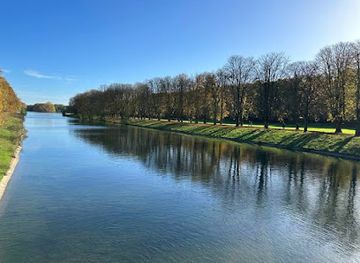
Beethoven Park
Discover the beauty and tranquility of Beethoven Park in Cologne, a serene park honoring the legendary composer amidst lush landscapes and artistic sculptures.
9 min walk · 0.7 km from neighbourhood centre
-
Tourist attraction
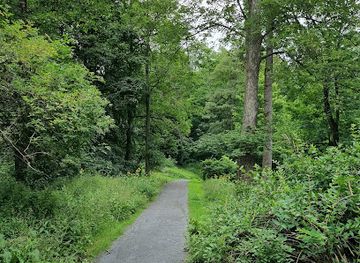
Vorgebirgspark
Explore the lush landscapes and serene paths of Vorgebirgspark, a tranquil oasis in Cologne offering a perfect escape for nature lovers.
6 min drive · 2.2 km from neighbourhood centre
-
Tourist attraction
Felsengarten
Experience tranquility and natural beauty at Felsengarten, a serene escape in the heart of Cologne, perfect for relaxation and exploration.
6 min drive · 2.2 km from neighbourhood centre
-
Tourist attraction
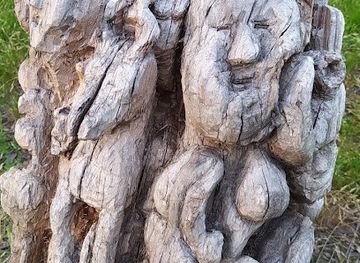
Baumschnitzerei 1
Discover the artistry of wood carving at Baumschnitzerei 1 in Cologne, a captivating tourist attraction showcasing exquisite craftsmanship.
18 min walk · 1.5 km from neighbourhood centre


Best landmarks in Sülz
The most recognisable local landmark is St Nikolaus, whose parish presence anchors Sülz and reflects the religious and communal institutions that accompanied the district’s nineteenth-century urban growth. Around it, the built fabric itself becomes a landmark: rows of Gründerzeit-era apartment houses, enclosed courtyards, corner buildings and later post-war infill record the transition from rural fringe to dense residential suburb. Sülzburgstraße preserves the memory of an earlier local estate in its name, while Berrenrather Straße and Zülpicher Straße illustrate the importance of historic routes that became commercial and tram corridors. The tracks and overhead infrastructure are functional rather than monumental, but they are essential to understanding Sülz’s development and its connection with Cologne’s southern districts. Unlike a museum quarter, Sülz has few isolated showpieces; its significance lies in the relationship between church, housing, commerce and transport across an ordinary but historically layered urban landscape.
-
Park
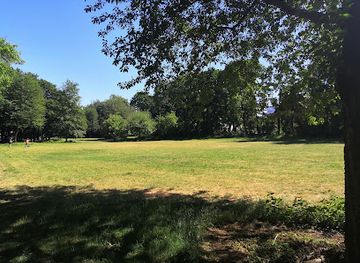
Beethoven Park
Discover Cologne's Beethoven Park: A sprawling green oasis offering tranquility, recreation, and a touch of history in the heart of the vibrant Sülz district.
9 min walk · 0.7 km from neighbourhood centre
-
Park
Asbergplatz
Discover Asbergplatz in Cologne: A serene urban oasis offering tranquil green spaces, playgrounds, and beautiful flowerbeds for a relaxing escape in the heart of Lindenthal.
6 min walk · 0.5 km from neighbourhood centre
-
Park
Zwischenstück
Discover Zwischenstück, a serene park in Cologne's Lindenthal, offering lush greenery, peaceful pathways, and a tranquil escape from the city's hustle and bustle.
8 min walk · 0.7 km from neighbourhood centre
-
Tourist attraction
Baumschnitzerei 1
Discover whimsical wood carvings in Cologne's Lindenthal district at Baumschnitzerei 1, where art and nature intertwine to create a unique and enchanting experience near the University of Cologne.
18 min walk · 1.5 km from neighbourhood centre


Explore Sülz on the map
A handpicked selection of must-see spots in Sülz, mapped for you.
Best hotels in Sülz
Best restaurants in Sülz
Sülz has a broad, largely informal dining scene shaped by its residential population, university connection and cosmopolitan inner-Cologne setting. Along Berrenrather Straße, Zülpicher Straße and the surrounding side streets, visitors find cafés, bakeries, casual restaurants and neighbourhood bars rather than a single defining culinary quarter. The choice typically ranges from coffee and cake or a quick bakery stop to international cooking, vegetarian-friendly menus and relaxed evening meals, reflecting the mixed population without reducing the district to student dining alone. Independent businesses are central to the area’s character, and tables often spill into the pavement during warmer weather. There is no need to seek a formal food market to understand Sülz’s culinary identity: the rhythm of breakfast trade, daytime café culture and unhurried local dinners is more representative. Menus, ownership and opening arrangements change, so current information is worth checking before planning around a particular venue.
-
Austrian
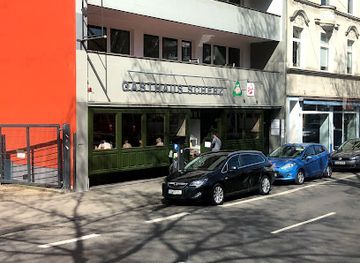
Gasthaus Scherz
Discover Gasthaus Scherz: A culinary journey through authentic Austrian cuisine in the heart of Cologne's Lindenthal district.
5 min walk · 0.4 km from neighbourhood centre
-
Greek
Sophias Restaurant
Savor authentic Greek flavors at Sophias Restaurant in Cologne – where every meal is a celebration of Mediterranean cuisine.
4 min walk · 0.3 km from neighbourhood centre
-
Restaurant
Palanta
Experience authentic Mediterranean flavors at Palanta in Cologne – where culinary excellence meets warm hospitality.
8 min walk · 0.7 km from neighbourhood centre
-
Greek
Plomari
Experience authentic Greek cuisine at Plomari in Cologne – where every dish tells a story.
10 min walk · 0.8 km from neighbourhood centre


Best bars in Sülz
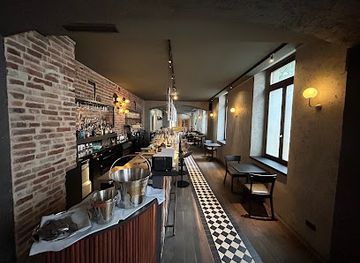
Sülz’s evening life is sociable but generally local in scale. Pubs, beer-led bars, wine places and restaurants around Berrenrather Straße, Zülpicher Straße and nearby side streets attract students, residents and small groups meeting after work, while cafés provide a quieter transition into the evening. The district does not have the concentration of large clubs associated with Cologne’s central nightlife zones, and many streets remain calm once restaurant service winds down. Its proximity to the university and the Zülpicher Straße corridor brings a younger presence, but Sülz’s nightlife is still closely tied to residential life and neighbourhood businesses. Live music or special events may appear in individual venues, yet availability changes, so visitors seeking a particular performance should check current listings. Tram connections make it practical to continue into central Cologne, but late-night travellers should remain attentive around tracks, cycle lanes and busy junctions.
-
Pub
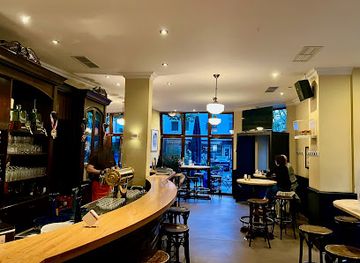
Kölsch Kultur
Discover the authentic taste of Kölsch culture at Kölsch Kultur, a vibrant pub in Cologne offering traditional food and locally brewed beer.
8 min walk · 0.6 km from neighbourhood centre
-
Bar
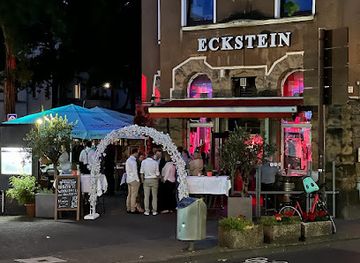
Eckstein
Discover Eckstein, an inviting bar and restaurant in Cologne, serving delicious German cuisine and refreshing cocktails in a cozy atmosphere.
6 min walk · 0.5 km from neighbourhood centre
-
Pub
Südkurve Köln-Sülz
Discover Südkurve Köln-Sülz, a lively pub and restaurant offering authentic German cuisine and a friendly atmosphere in the heart of Cologne.
8 min walk · 0.6 km from neighbourhood centre
-
Gastropub
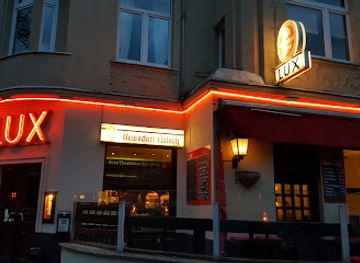
Lux
Experience the vibrant atmosphere and gourmet flavors at Lux Gastropub, Cologne's premier destination for food lovers and craft beverage enthusiasts.
9 min walk · 0.7 km from neighbourhood centre

Best nightclubs in Sülz
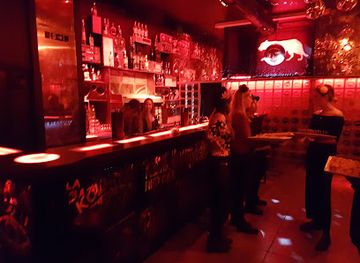
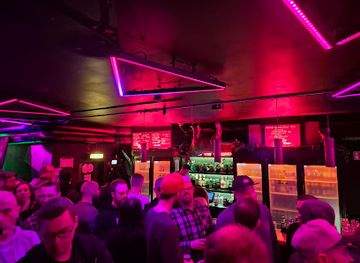
Sülz’s evening life is sociable but generally local in scale. Pubs, beer-led bars, wine places and restaurants around Berrenrather Straße, Zülpicher Straße and nearby side streets attract students, residents and small groups meeting after work, while cafés provide a quieter transition into the evening. The district does not have the concentration of large clubs associated with Cologne’s central nightlife zones, and many streets remain calm once restaurant service winds down. Its proximity to the university and the Zülpicher Straße corridor brings a younger presence, but Sülz’s nightlife is still closely tied to residential life and neighbourhood businesses. Live music or special events may appear in individual venues, yet availability changes, so visitors seeking a particular performance should check current listings. Tram connections make it practical to continue into central Cologne, but late-night travellers should remain attentive around tracks, cycle lanes and busy junctions.
-
 Disco club
Roonburg
Discover the electrifying nightlife at Roonburg, Cologne's top disco club and event venue, where music and fun come together.
7 min drive · 2.2 km from neighbourhood centre
-
Disco club
Red Cat Lounge
Discover the lively Red Cat Lounge, Cologne's premier disco club and bar, where unforgettable nights and vibrant music come together.
5 min drive · 1.8 km from neighbourhood centre
-
Night club
Veedel Club
Experience the vibrant nightlife of Cologne at Veedel Club, where electrifying music and an energetic atmosphere await every night.
6 min drive · 2.0 km from neighbourhood centre
-
Bar
STUKMANS
Experience the electrifying atmosphere of STUKMANS, Cologne's vibrant bar and disco club, where unforgettable nights come alive with great music and fun.
9 min walk · 0.7 km from neighbourhood centre
Best shops in Sülz
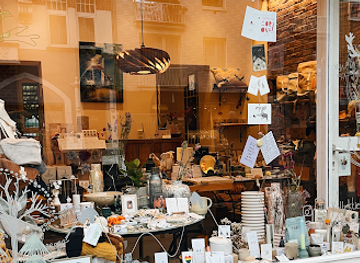
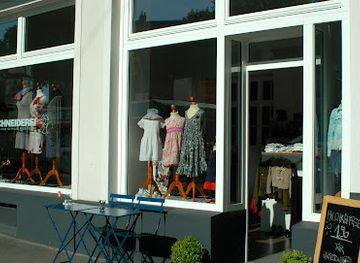
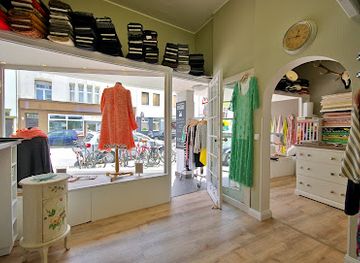
Shopping in Sülz is mainly neighbourhood retail rather than destination-scale commerce. Berrenrather Straße is the most useful corridor for browsing independent shops, everyday services, bakeries and cafés, while Zülpicher Straße adds a busier student- and commuter-oriented mix. Side streets contain smaller specialist businesses and local services, although the precise retail offer changes as leases and independent traders change. Visitors should expect practical shopping, food purchases, books, gifts, fashion and small lifestyle businesses rather than a large department-store experience or a permanent tourist market. The area’s appeal comes from combining errands with an architectural walk: shopfronts occupy ground floors beneath apartment buildings, and older corners sit beside later infill. For a larger market or more concentrated retail choice, visitors need to continue into other parts of Cologne; Sülz is best understood as a functioning local high street with independent character, not as a dedicated shopping district.
-
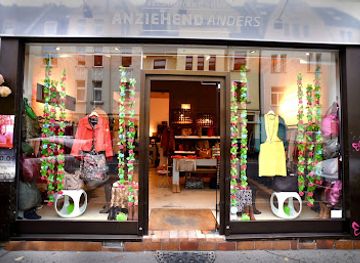
Used clothing store
ANZIEHEND different - Second Hand Store
Explore sustainable fashion at ANZIEHEND, a top second-hand store in Cologne offering unique clothing and accessories for every style.
3 min walk · 0.3 km from neighbourhood centre
-
Gift shop
het KOLLEKTIEF Concept Store
Explore het KOLLEKTIEF Concept Store in Cologne for unique gifts, stylish baby clothing, and exquisite jewelry designs that reflect local craftsmanship.
14 min walk · 1.1 km from neighbourhood centre
-
Vintage clothing store
Schneiderei Vintage
Explore Schneiderei Vintage in Cologne for unique second-hand fashion treasures and sustainable style choices that reflect your individuality.
6 min walk · 0.5 km from neighbourhood centre
-
Clothing store
N. Schönemann Boutique & Tailoring
Explore bespoke elegance at N. Schönemann Boutique & Tailoring in Cologne, where custom fashion meets exquisite fabrics for the discerning shopper.
2 min walk · 0.2 km from neighbourhood centre
Sülz essentials
Getting There
Getting Around
Safety
Emergency Situations
Do's and Don'ts
Local Tips
History of Sülz
Medieval Estates and the Sülz Stream
Sülz developed on land south-west of Cologne that was long associated with rural estates, farms and the small watercourse whose name the district preserves. Medieval ecclesiastical institutions, including St Pantaleon, held land in the wider area, while routes linking Cologne with the southern hinterland crossed a landscape of fields and gardens rather than continuous urban streets. The name Sülz is therefore older than the modern neighbourhood and reflects its pre-industrial geography. Although little of that rural landscape remains visible, the irregular relationship between older routes and later streets helps explain why Sülz feels less like a uniformly planned extension than some of Cologne’s newer quarters.
From Countryside to Urban Quarter
Cologne’s nineteenth-century expansion transformed Sülz as population growth and industrialisation created demand for housing outside the old city. Agricultural plots were gradually divided, streets were laid out and compact apartment buildings replaced fields and individual farms. The district’s urban identity strengthened as it became connected to the expanding network of roads and tramways serving the southern suburbs. Housing from this period, often arranged in blocks with rear courtyards, still forms much of Sülz’s architectural character. Street names such as Sülzburgstraße preserve memories of estates and local landholding even as the surrounding landscape became distinctly urban.
Parish Life and Working-Class Housing
As Sülz grew, parish institutions, schools, shops and local associations helped turn a residential extension into a self-contained neighbourhood. St Nikolaus became an important visual and communal reference point, while dense housing accommodated workers, clerks and families drawn to Cologne’s expanding economy. Small businesses developed along the main roads, particularly around Berrenrather Straße and Zülpicher Straße, creating the mixture of residential and commercial uses that remains characteristic today. The district’s social history is consequently recorded less in monumental buildings than in its apartment blocks, courtyards, corner businesses and enduring local institutions.
War, Reconstruction and Continuity
The Second World War damaged Cologne severely, and Sülz also experienced destruction and the disruption of established neighbourhood life. Reconstruction brought repairs, replacement buildings and practical post-war housing, producing the architectural mixture visible today: nineteenth-century façades stand beside restrained mid-century blocks and later infill. The basic street pattern and many surviving buildings nevertheless preserved a strong sense of continuity. In the decades after the war, improved transport, the growth of the University of Cologne nearby and the expansion of local retail reinforced Sülz’s role as a well-connected inner-urban residential district.
A Diverse Contemporary Sülz
Late twentieth- and early twenty-first-century Sülz retained its established housing stock while gaining cafés, specialist shops, restaurants and businesses shaped partly by its proximity to the university and inner Cologne. Rising demand for attractive central neighbourhoods has brought renovation and higher housing pressure, changes shared by many well-connected districts in the city. At the same time, Sülz remains more mixed and residential than a dedicated nightlife quarter. Its contemporary identity rests on the coexistence of long-standing residents, students, families, independent traders and everyday institutions within streets whose origins reach back to the area’s rural and ecclesiastical past.
Sülz in Photos
Browse through our photo collection highlighting the charm and character of the destination.
Neighbourhoods near Sülz
The closest neighbourhoods to Sülz, if you have time for more than one stop.
-

-

-

-

-


Swipe for more neighbourhoods
Explore more

Explore more of Cologne
Cologne, Germany blends Gothic grandeur, Roman heritage, riverfront walks, world-class museums and lively neighbourhoods for memorable city breaks.
Explore Cologne